New York, July 13, 2026, 06:24 EDT
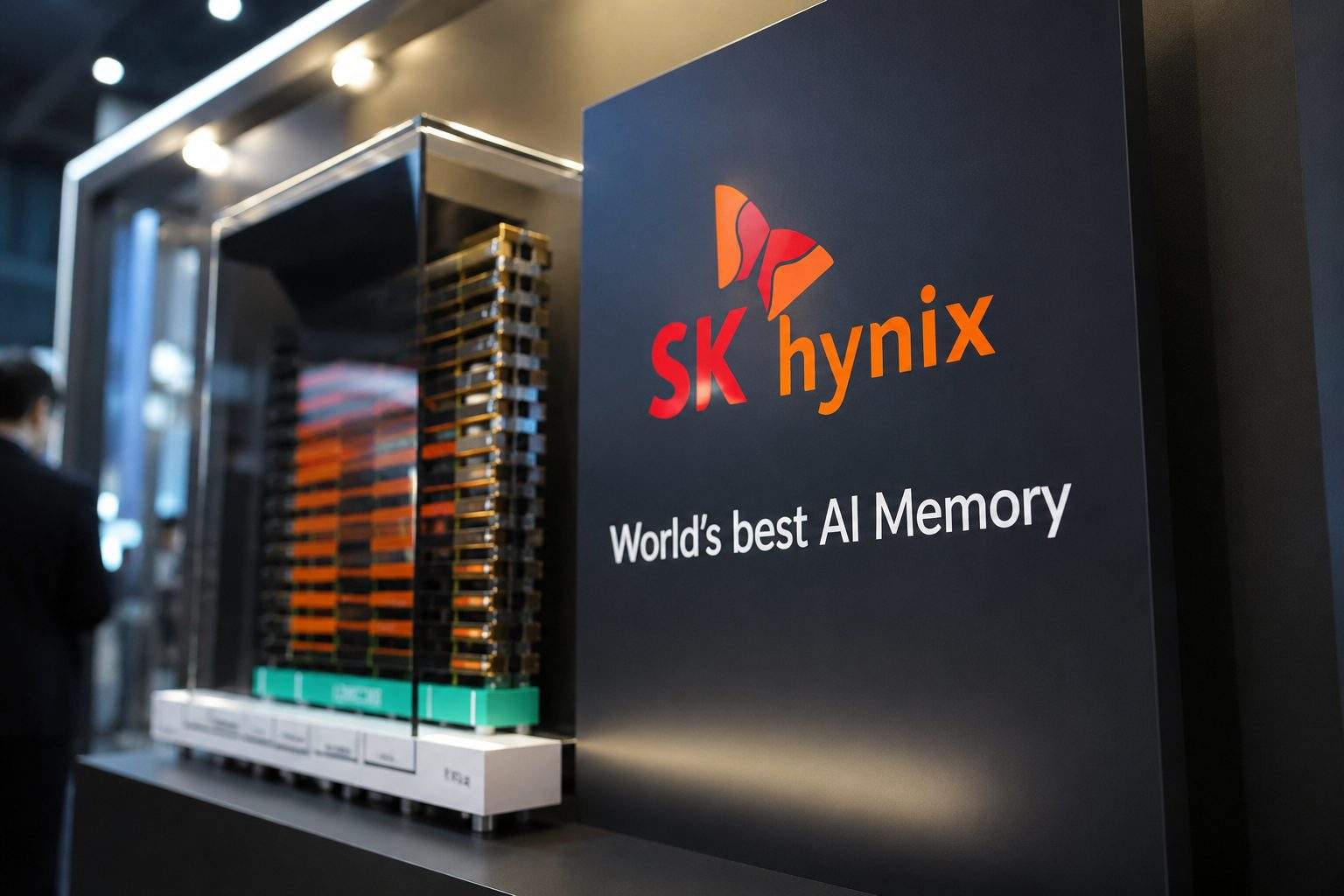
U.S.-Iran tensions pushed oil prices much higher on Monday and dragged Nasdaq futures down about 1%. But the bigger move came from SK Hynix (KRX:000660; NASDAQ:SKHY) after a price gap showed up. Its ADRs, which let U.S. investors trade foreign shares, were indicated 9.2% lower at $152.50. Even with that slide, the ADRs still traded about 24% above the Seoul shares, based on a simple calculation.
Reuters put Friday’s $168 ADR close at 37% above Monday’s close in Korea. With the Korean price and exchange rate left unchanged, bringing the U.S. price down to $152.50 takes the gap down to 24.4%, not all the way to zero. The local stock plunged more than 15%, its steepest one-day drop in almost 20 years. The KOSPI slid 9% and triggered a 20-minute halt.
The mismatch is key right now as two hits arrive at once. Higher oil has pushed inflation up and renewed rate fears. At the same time, the amount of memory-stock losses hints at higher leverage and questions over the payoff from AI spending. Wall Street’s cash market was still shut, with the New York Stock Exchange set to open its main session at 9:30 a.m. EDT.
Dow futures edged up 0.05% as of 5:14 a.m. EDT, but S&P 500 futures slipped 0.31% and Nasdaq 100 futures dropped 1.01%. The 1.06-point gap between Nasdaq and Dow pointed to specific pressure on long-duration stocks—mainly names with profits forecast well out, instead of a broad selloff in equities.
Micron Technology NASDAQ:MU slipped 5.2% before the open, with Western Digital NASDAQ:WDC down 6% and SanDisk NASDAQ:SNDK off 6.6%. The average drop for the three stocks was 5.9%, which is nearly six times what Nasdaq futures moved, and well above the 2.7% drop in the iShares Semiconductor ETF NASDAQ:SOXX. Kathleen Brooks, research director at XTB, said the oil jump was “disrupting the momentum trade once again,” citing how recent winners were hit. Reuters
| Early-Monday signal | Move | Investor read |
|---|---|---|
| SK Hynix ADR | $152.50, fell 9.2% | U.S. shares still show about 24.4% premium |
| Brent crude | Rose 3.8% to $78.86 | Fresh inflation pressure |
| Two-year Treasury yield | 4.2393%, top level since February 2025 | Markets price in more Fed tightening |
| Three-stock U.S. peer basket | Dropped 5.9% | Chip and storage names under renewed selling |
| Spot gold | Slipped 1.2% to $4,072.49 | Yield jump outweighed gold’s haven appeal |
The peer basket uses an average of Micron, Western Digital and SanDisk. The ADR estimate takes Reuters’ 37% premium at Friday’s $168 U.S. close and applies it to the $152.50 premarket quote, keeping the Korean close and exchange rate unchanged. Numbers use early-Monday snapshots from different times.
This wasn’t your typical flight to safety. Government bond prices dropped, the dollar pushed higher, and gold sold off as traders priced in more Fed tightening ahead. Ole Hansen at Saxo Bank said “higher bond yields and a stronger dollar” were taking some shine off gold. Fed funds futures showed 39 basis points of tightening expected by year-end. (100 basis points equals one percentage point.) Reuters
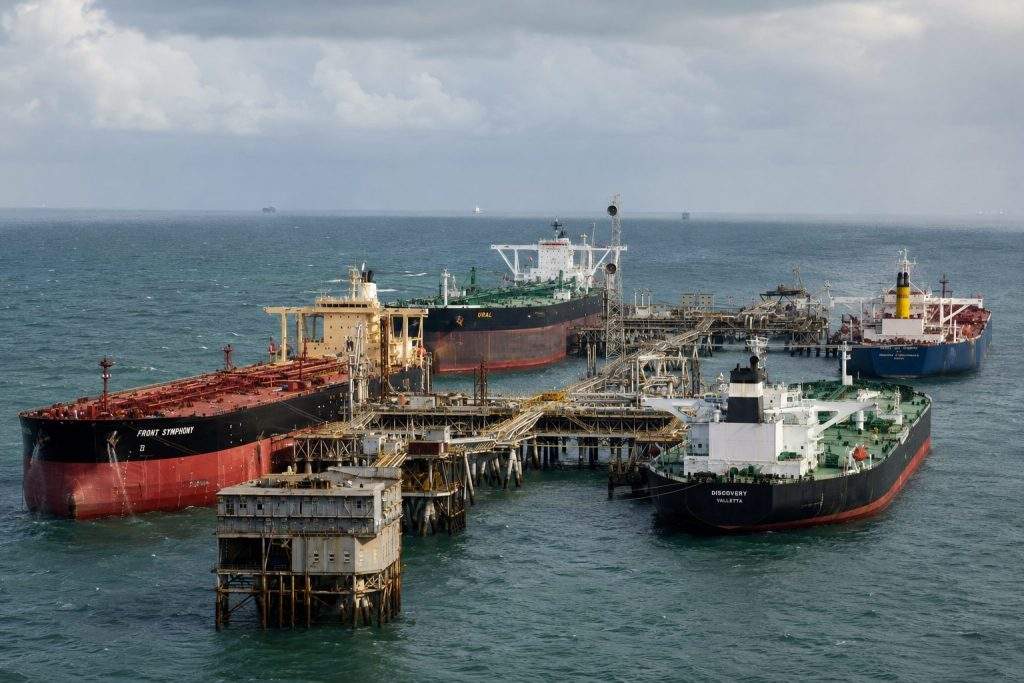
Oil is still trading off reports about what’s happening on the water. Iran said the Strait of Hormuz is still closed, but U.S. officials said ships are getting through and about 20 vessels were escorted in the past day. Ship-tracking data, though, didn’t show much motion. The Strait used to handle about a fifth of the world’s oil and LNG shipments before the war.
The U.S.-Korea setup goes a long way to explain why the gap stuck around. Each SK Hynix ADR trades as one-tenth of a Korean share. The $152.50 premarket quote was still 2.3% higher than last week’s $149 offer. A leveraged Hong Kong fund that tried to double the stock’s daily move ended up down more than a third. James Ooi, strategist at Tiger Brokers, said the U.S. premium is supported by “broader investor access, deeper liquidity,” while conversion restrictions block easy arbitrage trades—buying the cheaper market and selling the pricier one. Reuters
U.S. buyers still have some reason to pay up on fundamentals. SK Hynix took 58% of first-quarter revenue in high-bandwidth memory—chips stacked for faster AI data moves—while Micron had 21%. Morningstar’s Lorraine Tan said AI “monetisation remains uncertain” and another analyst at Morningstar sees more supply in 2027 and 2028 pushing prices down. But SK Hynix CEO Kwak Noh-jung forecasts the industry’s “most severe supply shortage in 2027.” Reuters
This week’s calendar could decide which narrative wins out. Tuesday brings the U.S. CPI report and Fed Chair Kevin Warsh’s testimony in Congress, both with a shot to change a market that currently sees at least one more quarter-point rate hike this year. Second-quarter S&P 500 earnings are on track for a 23.7% gain. Bank of America NYSE:BAC analysts say hyperscalers — big cloud operators — have already spent $234 billion this year and now look set to post negative forward free cash flow for the first time going back to at least 2007.
The price gap probably stays wide for now. ADRs may stay pricey, with conversion hurdles and bigger U.S. liquidity in play. If shipping finds a temporary fix, oil and yields could drop. Jefferies economist Mohit Kumar said the U.S. could settle for “some version of a deal before mid-terms.” Still, a longer Hormuz issue plus weaker AI cash returns may lock in higher rate bets and squeeze chip trade leverage. Reuters
Related articles: NASDAQ:MU