
HOUSTON, August 10, 2026, 15:51 CDT
- Bristol Myers Squibb selected Houston for a roughly $2.3 billion drug-manufacturing campus.
- The 600,000-square-foot site will support small molecules, biologics and antibody-drug conjugates.
- The project targets nearly 500 skilled jobs and about 2,000 construction and related roles.
- The campus represents 5.75% of the company’s five-year, $40 billion U.S. investment commitment.
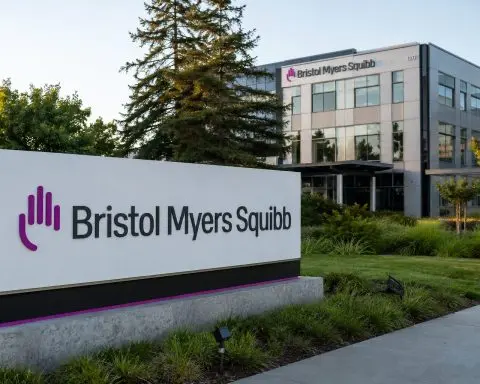
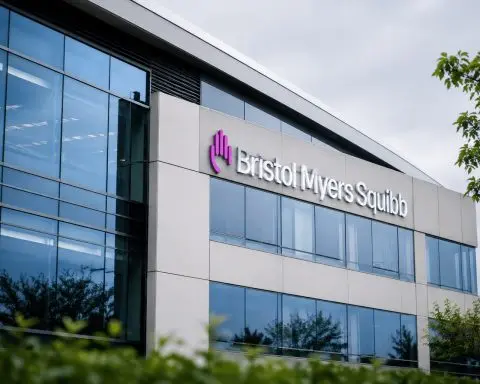
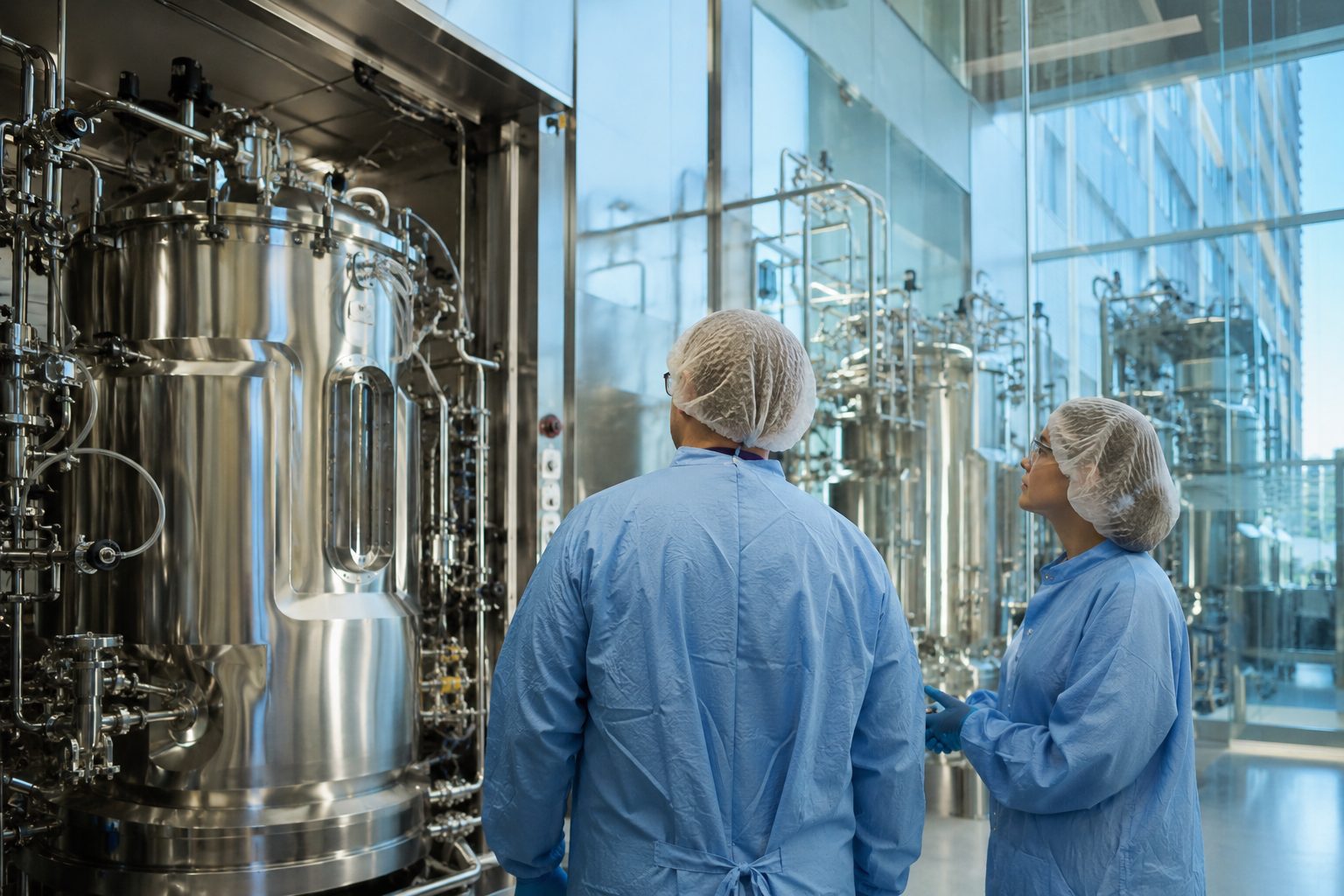
Bristol Myers Squibb NYSE:BMY will spend about $2.3 billion on a modular drug-manufacturing campus in Houston. The 600,000-square-foot site will make small molecules, biologics and antibody-drug conjugates.
The investment buys flexibility more than immediate output. Bristol Myers can add or reconfigure capacity as its pipeline changes. It did not name the first medicines or disclose a production start date.
Capital intensity is high. The announced cost equals roughly $3,833 per square foot and $4.6 million per initial skilled job. Those figures show this is a technology and supply-chain project, not simply a hiring plan.
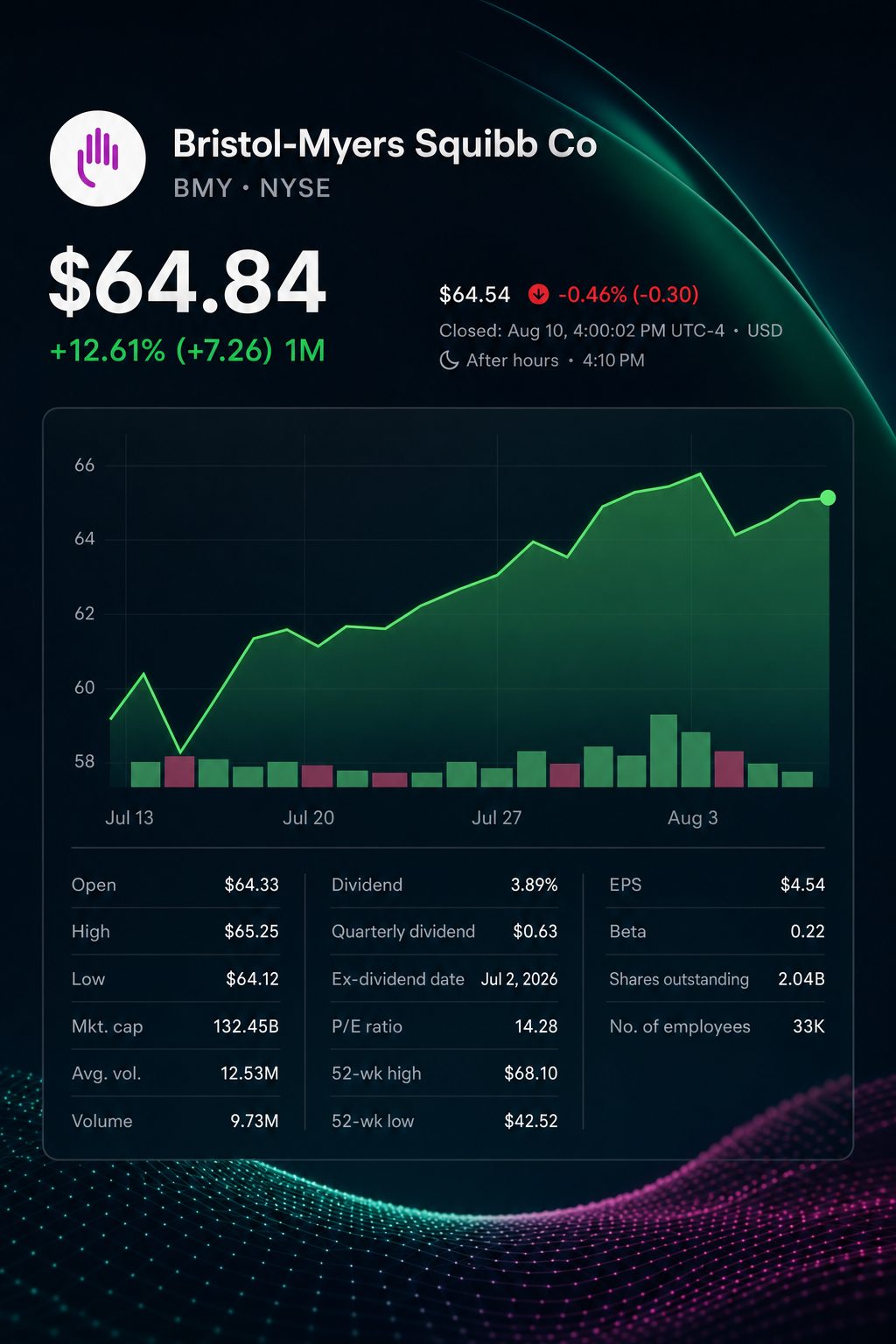
Bristol Myers shares closed up about 0.2% at $64.84 on Monday. The muted move suggests investors treated Houston as a long-dated capacity option, not a near-term earnings reset.
The project figures come from the company’s announcement. Reuters separately reported the state incentive and construction period. Derived ratios use those disclosed amounts.
| Houston project measure | Announced value | Investor reading |
|---|---|---|
| Total investment | About $2.3 billion | 5.75% of BMS’ $40 billion U.S. plan |
| Initial footprint | About 600,000 square feet | About $3,833 per square foot |
| Initial skilled jobs | Nearly 500 | About $4.6 million of capital per job |
| Construction and related jobs | About 2,000 | Expected during 2027-2030 |
| Texas Enterprise Fund grant | $4.89 million | About 0.21% of project cost |
| Manufacturing scope | Three major modalities | Small molecules, biologics and ADCs |
Chief Executive Christopher Boerner framed the project as a strategic commitment. “This investment reflects our confidence in America’s continued leadership in biopharmaceutical innovation,” he said. Reuters
Houston is already attracting large drug plants. The Bristol Myers project is smaller than Eli Lilly’s NYSE:LLY Houston commitment, but it spans more announced manufacturing types.
| Houston project | Investment | Footprint | Permanent jobs | Build-related jobs | Announced focus |
|---|---|---|---|---|---|
| Bristol Myers Squibb NYSE:BMY | $2.3 billion | 600,000 sq. ft. | Nearly 500 | About 2,000 | Small molecules, biologics, ADCs |
| Eli Lilly NYSE:LLY | $6.5 billion | Not disclosed | More than 600 | About 4,000 | Orforglipron inputs and advanced therapies |
Together, the two projects represent $8.8 billion of planned investment. They target more than 1,100 permanent jobs and roughly 6,000 construction-related roles. Bristol Myers is spending 35% as much as Lilly, while preserving broader production options.
The project also sits inside a wider reshoring race. Drugmakers have announced roughly $500 billion of U.S. investment to expand capacity, limit supply risk and answer tariff pressure. The commitments below differ in scope and timing.
| Drugmaker | Announced U.S. commitment | Stated horizon |
|---|---|---|
| Johnson & Johnson NYSE:JNJ | $55 billion | Four years |
| Roche SWX:ROG | $50 billion | Five years |
| AstraZeneca NASDAQ:AZN | $50 billion | By 2030 |
| Bristol Myers Squibb NYSE:BMY | $40 billion | Five years |
| Eli Lilly NYSE:LLY | At least $27 billion | Five years |
Karin Shanahan, Bristol Myers’ supply-chain chief, pointed to “the region’s ability to support a world-class, digitally advanced supply operation.” Generation Park spans 4,300 acres and offers transport, utilities and room to expand. Bristol Myers Squibb
Wall Street remains mildly positive, but price targets leave little room for error. MarketBeat’s Monday snapshot covered 25 analysts. Other providers may use different samples and methods.
| BMY analyst positioning | Latest reading |
|---|---|
| Consensus rating | Moderate Buy |
| Sell / Hold / Buy / Strong Buy | 1 / 11 / 12 / 1 |
| Average 12-month target | $66.06 |
| Low / high target | $40 / $75 |
| Reference price on source page | $64.75 |
| Implied move to average target | +2.02% |
The average target sits close to Monday’s close. That makes execution more important than the project headline. Investors need evidence that flexible capacity can support valuable launches without lifting costs ahead of demand.
Risks: Construction runs through 2030, leaving years for delays, inflation and pipeline changes. Bristol Myers also warns it may not realize the expected benefits. The state grant covers only a small fraction of the cost.
The next decision point is a detailed build schedule and the first programs assigned to Houston. Until then, the $2.3 billion campus is a long-dated option on Bristol Myers’ pipeline, priced at roughly $3,833 per square foot.
Related articles: NYSE:BMY