
New York, June 22, 2026, 13:54 (EDT)
- AbbVie is offering $135.11 a share in cash, a 49% premium. The company is aiming to close the deal in the third quarter.
- Apogee says its top eczema drug may cut down injection frequency a lot compared to Dupixent. Phase 3 trials are set for this year.
- The acquisition brings the number of 2026 biotech deals over $1 billion to 33, with a total just under $134 billion.
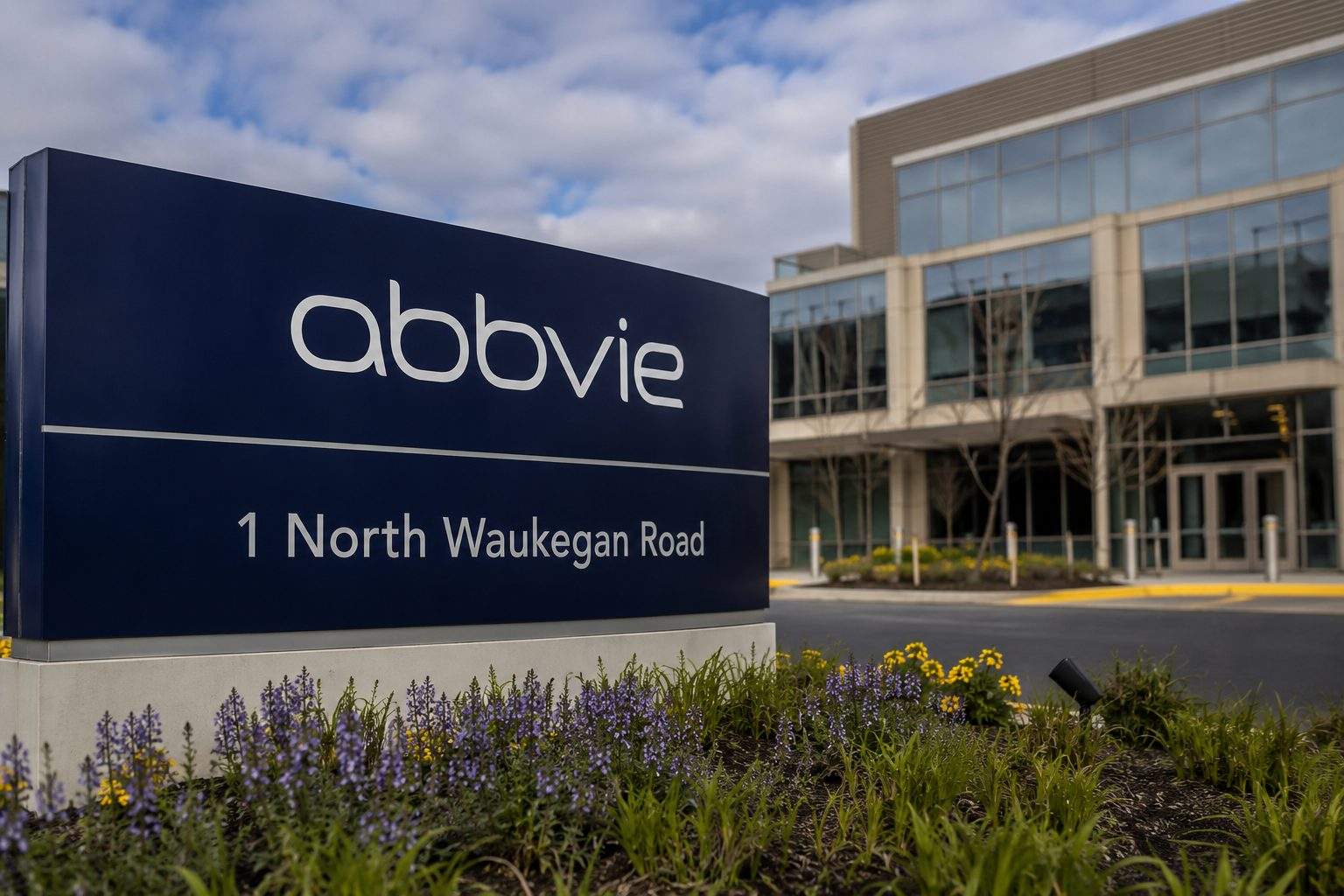
AbbVie NYSE:ABBV said Monday it will buy Apogee Therapeutics NASDAQ:APGE for $10.9 billion in cash, picking up a late-stage eczema drug in what would be its biggest deal in over five years. The $135.11 per share offer is about 49% over Apogee’s June 18 close. Both companies’ boards signed off, aiming to wrap up the deal in the third quarter.
AbbVie is buying Apogee as it’s still working to replace Humira sales lost to biosimilar rivals and getting ready for the patent cliffs looming on Skyrizi and Rinvoq. Immunology brought in more than $30 billion for AbbVie in 2025, but Humira sales dropped 49%. CEO Robert Michael called the deal an “excellent fit.” J.P. Morgan analyst Chris Schott cited appetite for late-stage growth assets. RBC’s Brian Abrahams said AbbVie is “an ideal acquirer.” Reuters
AbbVie shares climbed 6.9% to $231.44 in New York afternoon trade as investors backed the acquirer. Apogee jumped 46.8% to $132.64. The merger spread came in at $2.48, or 1.9%. That works out to about a 7% annualised gross return if the deal wraps up at the end of September, not accounting for financing and taxes.
Biotech deal flow is still running hot. STAT puts the 2026 tally at 33 buyouts valued at $1 billion or more, up to $134 billion total—already past last year’s 26 deals and $112 billion. GSK (LSE/NYSE:GSK) moved less than two weeks ago to snap up Nuvalent NASDAQ:NUVL for $10.6 billion, betting on two lung-cancer drugs now being reviewed by U.S. regulators. Buyers want late-stage pipeline assets to plug revenue holes at the end of the decade, and there aren’t many out there.
Apogee’s main candidate, zumilokibart, targets IL-13, an immune protein tied to eczema and asthma. The company said that 75% of patients who got at least a 75% drop in eczema severity at week 16 kept that response for a year with dosing every three months. That figure was 85% for patients dosed every six months. Phase 3 trials are set to begin later this year. Right now, adults on Sanofi and Regeneron’s Dupixent get a shot every two weeks.
Financing is in the mix here. On May 27, Apogee lined up as much as $1.3 billion from Blackstone Life Sciences. That includes up to $800 million in a synthetic royalty—cash paid back from future drug sales—and up to $500 million in senior debt. There’s also a change-of-control clause letting a buyer repurchase a big part of the royalty. Now that clause is front and center.
AbbVie’s estimated deal value comes in at $10.1 billion once acquired cash, securities, and the Blackstone royalty buyback are factored in. That puts the effective price 7.3% under the headline figure. AbbVie has pitched the combined peak annual sales at more than $10 billion, so the adjusted price works out to about one times unadjusted peak sales. But this isn’t a standard valuation multiple since the products aren’t approved yet, the buy is funded with debt, adjusted earnings look set for a 46-cent hit in 2027, and AbbVie doesn’t see the deal boosting earnings per share before 2032.
The risks are clear. Apogee warns that early positive data might not hold up in bigger trials, and a longer-acting antibody might make side effects last, too. If Phase 3 misses, enrolment lags, or a launch slips, AbbVie could be stuck paying off new debt without new sales, while Dupixent keeps its lead. Any trouble with regulators or shareholders could blow out the already thin merger spread. If the deal falls apart, Apogee could drop back to where it traded before the bid.
AbbVie is playing for time, not just a new drug. The latest round of takeovers is shifting from low-cost, early-stage biotech deals to harder-to-find assets with late-stage clinical results, wider indications, and advantages like reduced injection frequency. That’s driving up deal prices. It also means more of pharma’s next big launches hang on just a few key trial readouts.
Related articles: Pharmaceuticals