Today: 21 July 2026

Marcin Frąckiewicz

Marcin Frąckiewicz is the founder and CEO of TS2 Space, a satellite communications company serving customers around the world. A graduate of the Warsaw School of Economics (SGH), he has more than two decades of experience in telecommunications, satellite services and technology ventures. He writes about satellite communications, space technology, artificial intelligence and the stock market, with a particular focus on technology companies, semiconductors, emerging industries and the trends shaping global innovation. Follow Marcin Frąckiewicz on Google News, Facebook. or Linkedin.

Reconstruction of Ukraine: Plans, Progress, and Outlook (Mid-2025)

Reconstruction of Ukraine: Plans, Progress, and Outlook (Mid-2025)

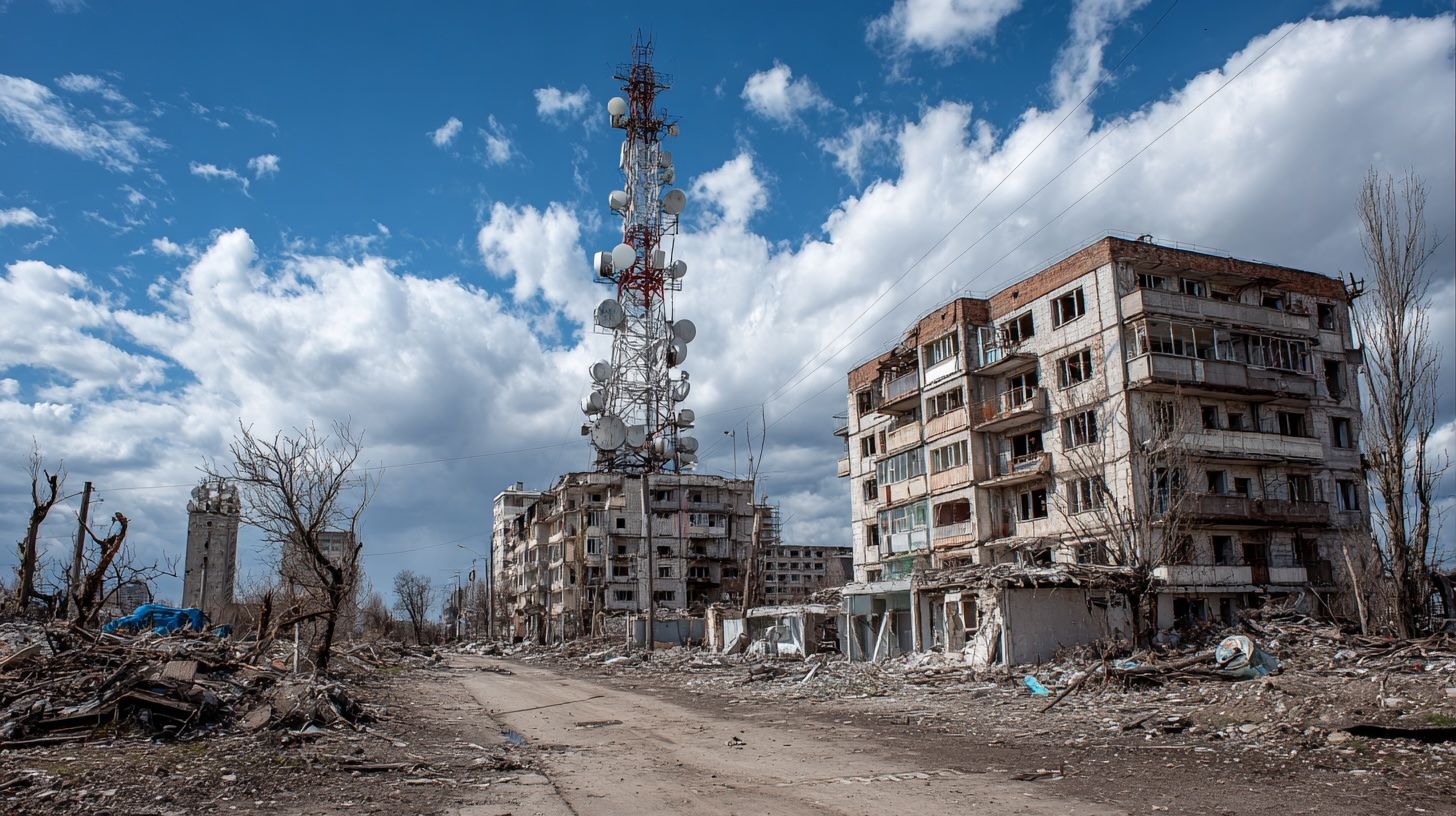
Russia’s full-scale invasion of Ukraine in 2022 has caused massive destruction and human suffering, setting the stage for Europe’s largest reconstruction effort since World War II. More than 26,000 civilians have been killed or injured, and millions of Ukrainians have been uprooted from their homes. As of mid-2025, roughly 3.7 million people remain internally displaced, and about 6 million have fled abroad. The war has pushed an estimated 7 million Ukrainians into poverty, reversing 15 years of development gains. Physical damage to infrastructure and buildings is staggering: as of early 2025, direct war damage is valued at $176 billion, including thousands of schools, hospitals, roads, bridges, and power facilities destroyed or damaged. An updated needs assessment estimates Ukraine will require about $524 billion over the next decade to repair and rebuild – roughly 2.8 times the country’s entire 2024 GDP. This reconstruction is not merely about restoring what was lost, but transforming Ukraine into a modern, resilient European nation. Plans are underway across all sectors – infrastructure, economy, energy, health, education, governance, environment, housing, and cultural heritage – with the Ukrainian government, international partners, NGOs, and the private sector all playing crucial roles. This report provides a comprehensive overview of
13 June 2025
Mobile & Portable Satellite Internet in 2025: The Ultimate Guide to Starlink Roam, HughesNet, Inmarsat, Viasat & More

Mobile & Portable Satellite Internet in 2025: The Ultimate Guide to Starlink Roam, HughesNet, Inmarsat, Viasat & More

A SpaceX Starlink satellite dish set up outdoors. Portable satellite internet terminals like this bring high-speed connectivity to remote areas in 2025.Mobile and portable satellite internet delivers broadband connectivity from satellites in space directly to users on the move or in remote locations. Instead of relying on traditional ground cables or cell towers, a portable satellite dish or terminal connects to orbiting satellites to provide internet access virtually anywhere on Earth. This technology has rapidly advanced in recent years – SpaceX’s Starlink constellation alone now blankets around 130 countries with low-latency broadband from thousands of low-Earth-orbit satellites en.wikipedia.org. Traditional providers like HughesNet, Viasat, Inmarsat, and Iridium have also expanded and upgraded their satellite networks. In this report, we’ll explore how mobile satellite internet works, the key service providers in 2025, their pros and cons, regional coverage differences, costs, equipment needs, popular use cases, a comparison of major services, and future trends. Whether you’re an RVer, sailor, disaster responder, or remote worker, portable satellite internet is transforming what’s possible for staying connected off the grid.
5G From Space: How Satellite Internet is Revolutionizing Global Connectivity

5G From Space: How Satellite Internet is Revolutionizing Global Connectivity

Imagine getting ultra-fast internet in the middle of the ocean or deep in a remote village, all thanks to satellites orbiting above. 5G satellite internet is an emerging paradigm that fuses next-generation 5G wireless technology with satellite networks to deliver broadband connectivity virtually anywhere on Earth. By leveraging constellations of low Earth orbit satellites and 5G New Radio standards, this approach extends high-speed, low-latency internet coverage far beyond the reach of fiber lines or cell towers highspeedinternet.com highspeedinternet.com. In this report, we dive deep into what 5G satellite internet is, the technologies that power it, its benefits and challenges, how it stacks up against fiber and terrestrial mobile networks, and the major companies and projects leading the charge. We’ll also explore real-world use cases, the current state of deployments worldwide, and what the future holds for this space-based internet revolution.
Fiber-Optic Drones in Ukraine: Evolution, Applications, and Impact

Fiber-Optic Drones in Ukraine: Evolution, Applications, and Impact

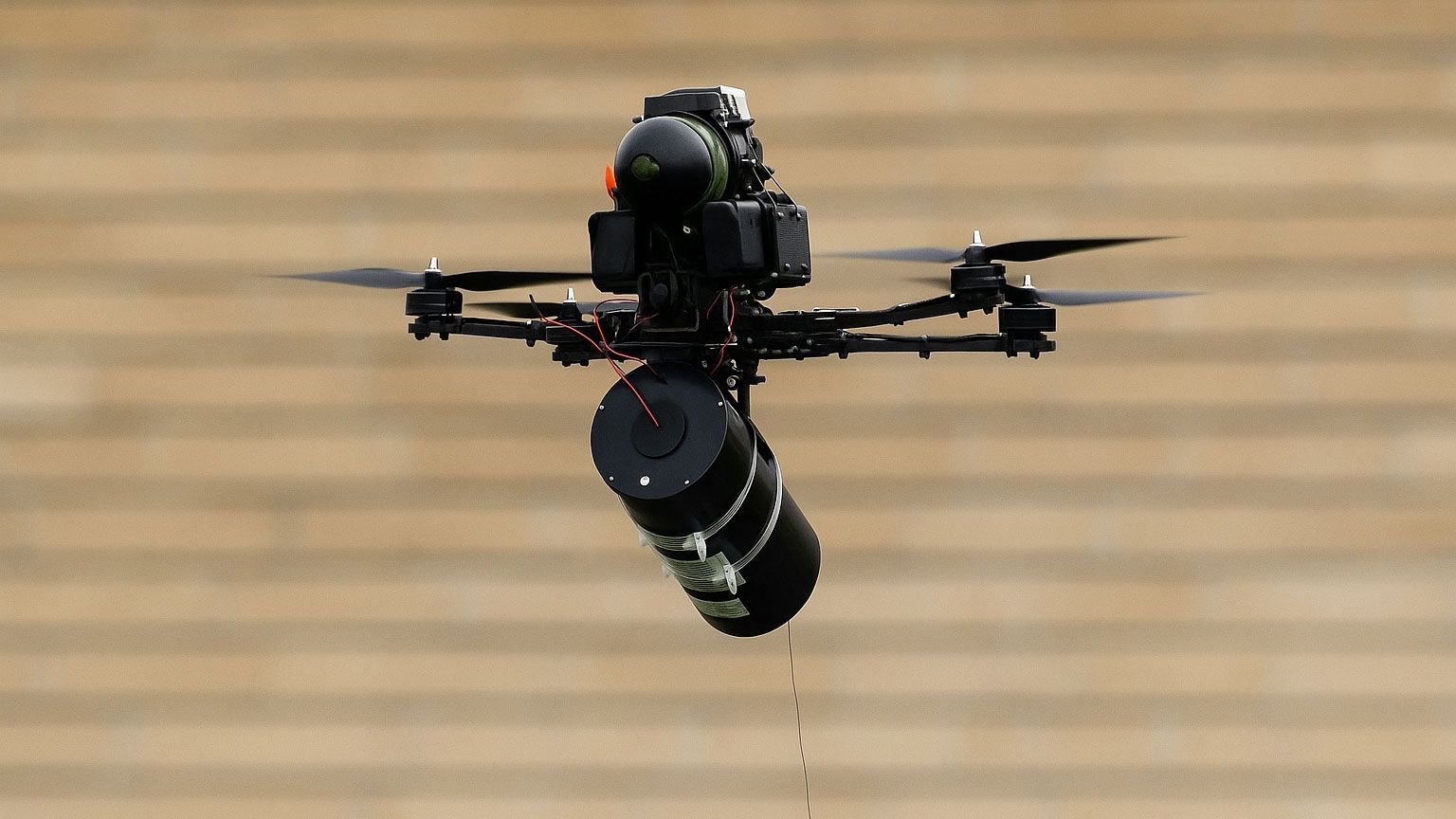
Fiber-optic guided drones – UAVs that communicate via a physical fiber-optic cable rather than radio – have emerged as a game-changing technology in the Ukraine–Russia war. Though the concept of wire-guided munitions is not new, applying fiber-optic tethers to drones is a recent innovation accelerated by battlefield necessity. Before the war, such “wire-controlled drones” seemed impractical or unnecessary, but Russia’s heavy use of electronic jamming quickly changed that perception. Early prototypes of fiber-linked drones appeared in 2023 on both the Russian and Ukrainian sides, and by 2024 the technology was deployed operationally. This report details the development of fiber-optic drones, their military and civilian applications in Ukraine, technical specifications, tactical uses, communication advantages, resistance to electronic warfare, key manufacturers, and comparisons with other drone types.
13 June 2025
Importing Drones to Ukraine – A Comprehensive Overview

Importing Drones to Ukraine – A Comprehensive Overview

Current Tax Exemptions: As of 2023, Ukraine has waived value-added tax and customs duties on the import of drones and related equipment due to the wartime need kyivindependent.com. In February 2023, the parliament adopted bills abolishing VAT and import tariffs on drones, thermal imagers, night vision devices, and radios, removing “all bureaucratic restrictions” on importing these defense-critical goods kyivindependent.com. This policy, developed with volunteer organizations, was aimed at speeding deliveries to the front. Further laws in July 2023 amended the Customs and Tax Codes to solidify these exemptions until at least January 1, 2025 globalpost.ua. Under this “235 Preference”, international postal and express shipments containing unmanned aerial vehicles to Ukraine are fully exempt from customs duties and VAT globalpost.ua. In practice, this means importers do not pay the usual taxes on drones during the war.
13 June 2025
Generative AI Ethics Unveiled: Global Challenges, Case Studies, and the Race for Responsible AI

Generative AI Ethics Unveiled: Global Challenges, Case Studies, and the Race for Responsible AI

Generative AI refers to algorithms that can produce new content – text, images, audio, and more – in response to prompts. These systems “fundamentally [transform] how businesses operate” by creating novel outputs from complex data techtarget.com. Generative ethics is the field of understanding and guiding the ethical use of these creative AI systems, ensuring their outputs and impacts align with societal values. In practice, this means grappling with issues like whether AI-generated content is truthful and fair, who is accountable for it, and how to prevent harm.
AI vs Hackers: The Cybersecurity Revolution Reshaping Digital Defense

AI vs Hackers: The Cybersecurity Revolution Reshaping Digital Defense

Artificial Intelligence refers to computer systems performing tasks that typically require human intelligence, such as decision-making and pattern recognition coursera.org. Cybersecurity, on the other hand, is the practice of protecting systems, networks, and data from digital attacks cisco.com. In recent years, these two domains have converged in transformative ways. AI techniques are being applied to enhance cybersecurity defenses, bringing speed and adaptability to threat detection and response. At the same time, new threats have emerged that target AI systems themselves or leverage AI for malicious purposes enisa.europa.eu. This dual reality – AI as both a defender and a potential adversary – defines the modern cybersecurity landscape. Organizations worldwide are embracing AI-driven security tools to combat increasingly sophisticated cyber attacks. Yet, the rise of AI-powered cybercrime – from AI-crafted phishing emails to deepfake scams – means cybersecurity strategies must also account for securing AI systems and countering AI-empowered threats. In short, the convergence of AI and cybersecurity has created a high-stakes “arms race,” forcing defenders to innovate even as attackers find new ways to exploit intelligent technology paloaltonetworks.com enisa.europa.eu.
Generative AI Revolution: 2025 Breakthroughs, Industry Disruption, and Predictions Through 2035

Generative AI Revolution: 2025 Breakthroughs, Industry Disruption, and Predictions Through 2035

Generative AI has transformed from a tech buzzword into a reality reshaping daily life and business in 2025. Tools like ChatGPT and image generators moved from novelties to essential assistants in classrooms, offices, and creative studios. The global generative AI market is soaring – projected to reach about $32 billion in 2025, up 53.7% from 2024. Over 78% of organizations report using AI in at least one function as of 2025, signaling that AI is now mainstream infrastructure, not just hype. From writing code and legal drafts to generating artwork and business insights, generative AI systems are revolutionizing how we live and work. In this report, we’ll explore the current state of generative AI, its major players and innovations, applications across key industries, the pressing ethical/regulatory issues, and expert forecasts for 1, 5, and 10 years out. By the end, it will be clear why generative AI is often called a “revolution” – and why the coming decade promises even more dramatic AI-driven transformation.
Ukraine’s Telecom Revolution: 2025 Market Outlook and Strategic Insights

Ukraine’s Telecom Revolution: 2025 Market Outlook and Strategic Insights

Ukraine’s telecommunications sector has undergone a dramatic transformation from 2020 through 2024, marked by rapid digitalization, infrastructure upgrades, and unprecedented challenges from war. Despite setbacks, the industry has shown remarkable resilience and innovation. This report examines the key developments shaping Ukraine’s “telecom revolution” and provides a strategic outlook for 2025 and beyond, covering everything from 5G and fiber rollouts to market competition, regulation, investments, consumer trends, and geopolitical factors.
Artificial Intelligence in Satellite and Space Systems

Artificial Intelligence in Satellite and Space Systems

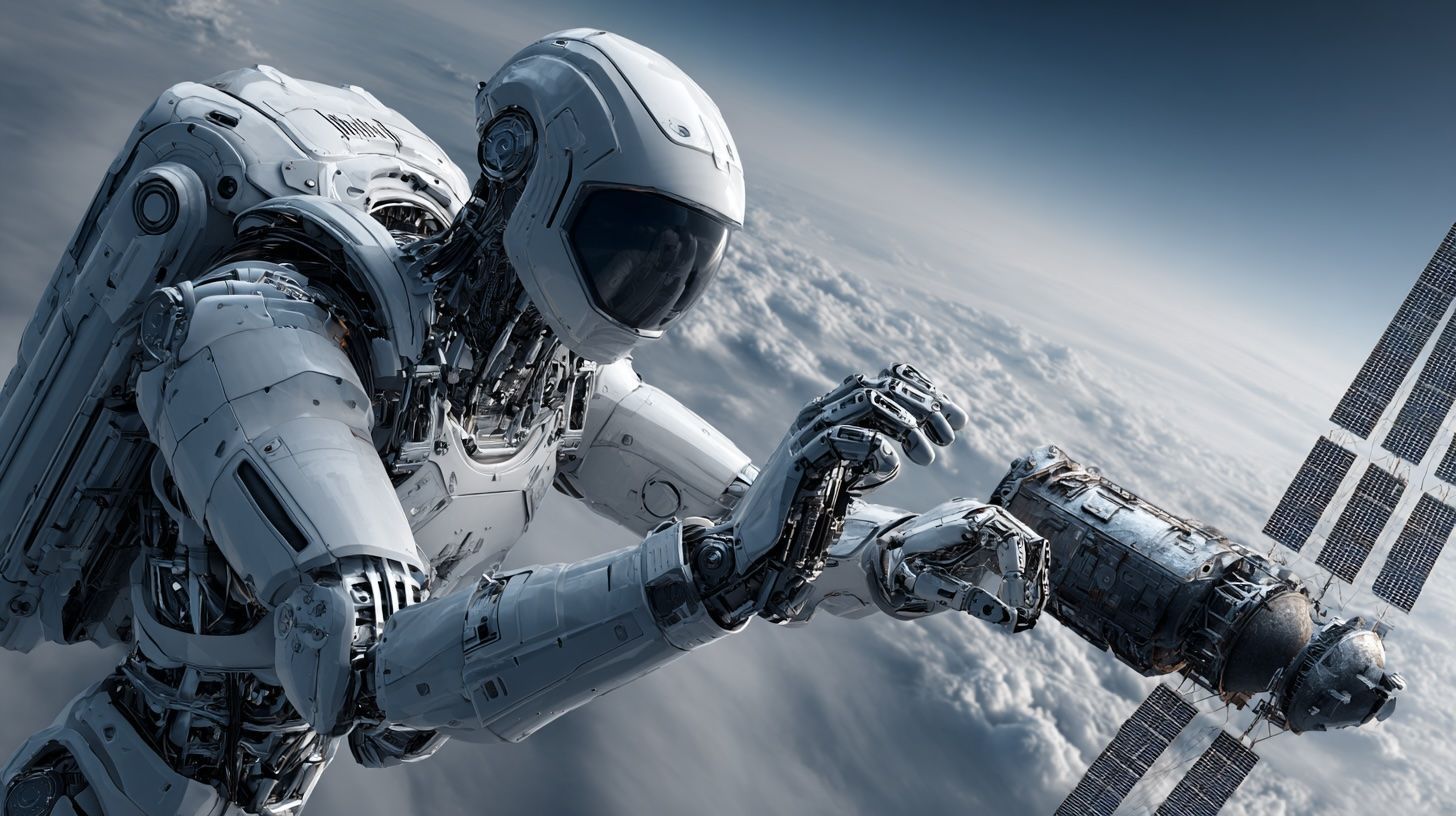
Artificial intelligence is increasingly intertwined with modern space technology, enabling spacecraft and satellites to operate more autonomously and efficiently than ever before. From helping Mars rovers navigate alien terrain to processing vast streams of Earth observation data in orbit, AI techniques like machine learning and automated planning are revolutionizing how we explore and utilize space. This report provides a comprehensive overview of the intersection of AI and satellite/space systems, covering key applications, historical milestones, the current state of the art in various sectors, enabling technologies, benefits and challenges, future trends, and the major organizations driving advances in this domain.

SpaceX: Comprehensive Overview of History, Technologies, Missions, and Future Plans

SpaceX: Comprehensive Overview of History, Technologies, Missions, and Future Plans

SpaceX was founded by entrepreneur Elon Musk in 2002. Musk invested $100 million of his own money to start the company, driven by a vision of dramatically reducing space launch costs and enabling the colonization of Mars. The initial motivation came after Musk’s failed attempt to buy affordable rockets from Russia for a “Mars Oasis” project – a plan to send a greenhouse to Mars to inspire public interest. Frustrated by the high cost of rockets, Musk decided to build reusable rockets himself. Early on, SpaceX set up headquarters in Hawthorne, California, and assembled a small team of engineers to develop a low-cost launch vehicle from scratch.
8 June 2025
Starlink Global Coverage and Availability Report

Starlink Global Coverage and Availability Report

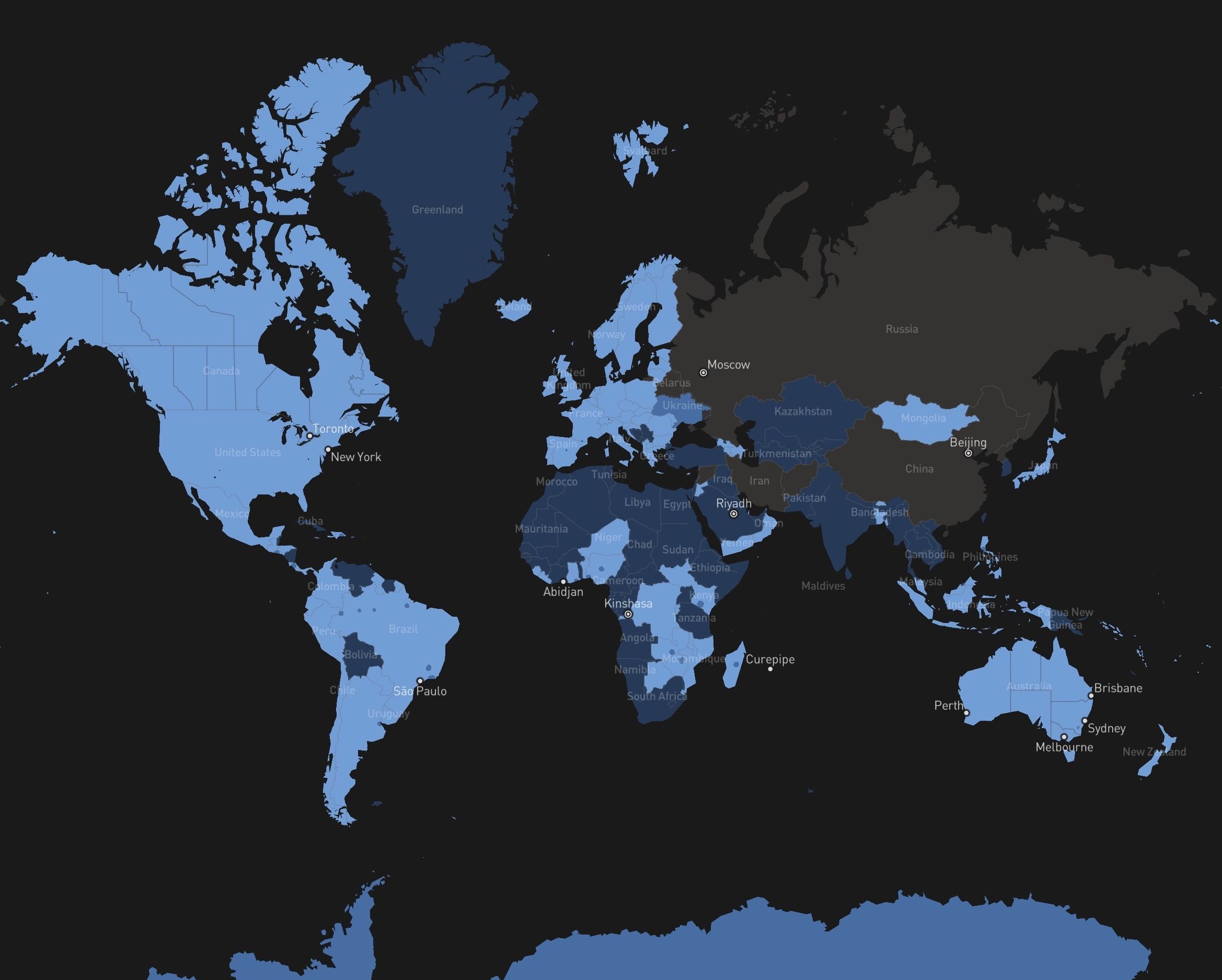
Starlink, SpaceX’s satellite internet network, has rapidly expanded coverage worldwide since its beta launch in 2020. As of mid-2025, Starlink service is available in over 110 countries and territories, with more on the way idemest.com. Below is an up-to-date regional breakdown of Starlink availability – including countries with full commercial service, those in beta or limited trials, and markets expected to launch soon based on official announcements. Each country listing includes a brief note on service status, launch dates, or any notable limitations, with sources from official statements and credible reports.
7 June 2025
Satellite Imagery: Principles, Applications, and Future Trends

Satellite Imagery: Principles, Applications, and Future Trends

Satellite imagery refers to images of Earth collected by orbiting satellites. These images are a form of remote sensing, meaning the data are acquired from a distance without direct contact. Satellites carry sensors that detect electromagnetic radiation reflected or emitted from the Earth's surface. Most imaging satellites use passive sensors that rely on sunlight as the illumination source, while others use active sensors that emit their own signal and measure the return Nasa Nasa. By capturing this radiation and converting it to digital images, satellites provide a detailed and synoptic view of Earth's surface and atmosphere. The images must be georeferenced and corrected for distortions to be useful in Geographic Information Systems Wikipedia.
fldksafljads

Satellite Phones: Comprehensive Global FAQ

A satellite phone is a mobile phone that connects directly to orbiting satellites instead of terrestrial cell towers. This means it can place calls and send messages from almost anywhere on Earth, especially in regions without cellular coverage. Like a regular cell phone, a satphone supports voice calling and SMS texting, and some models offer low-speed data for email or basic internet access. The key advantage is that satellite phones work in remote areas – mountains, oceans, deserts – where no landline or cell network exists. However, they require a clear line-of-sight to the sky to reach the satellite, so they typically have a prominent antenna and must be used outdoors or near a window.
Satellite Internet FAQ

Satellite Internet FAQ

Q: What is satellite internet?A: Satellite internet is a form of wireless internet access delivered via satellites orbiting the Earth. Unlike cable or DSL, which transmit data through underground wires, satellite internet beams data from ground stations to satellites in space and then down to a dish at the user’s location satelliteinternet.com. This means you can get online in areas where land-based internet isn’t available. Satellite internet is available nationwide and in many remote regions, making it a reliable way for rural homes and businesses to connect online satelliteinternet.com.
1 401 402 403 404 405 407

Stock Market Today

Go toTop