Today: 20 July 2026
Browse Category

KRX:000660 3 May 2026 - 28 June 2026

Asia markets look to Korea, PMIs in the week ahead

Asia markets look to Korea, PMIs in the week ahead

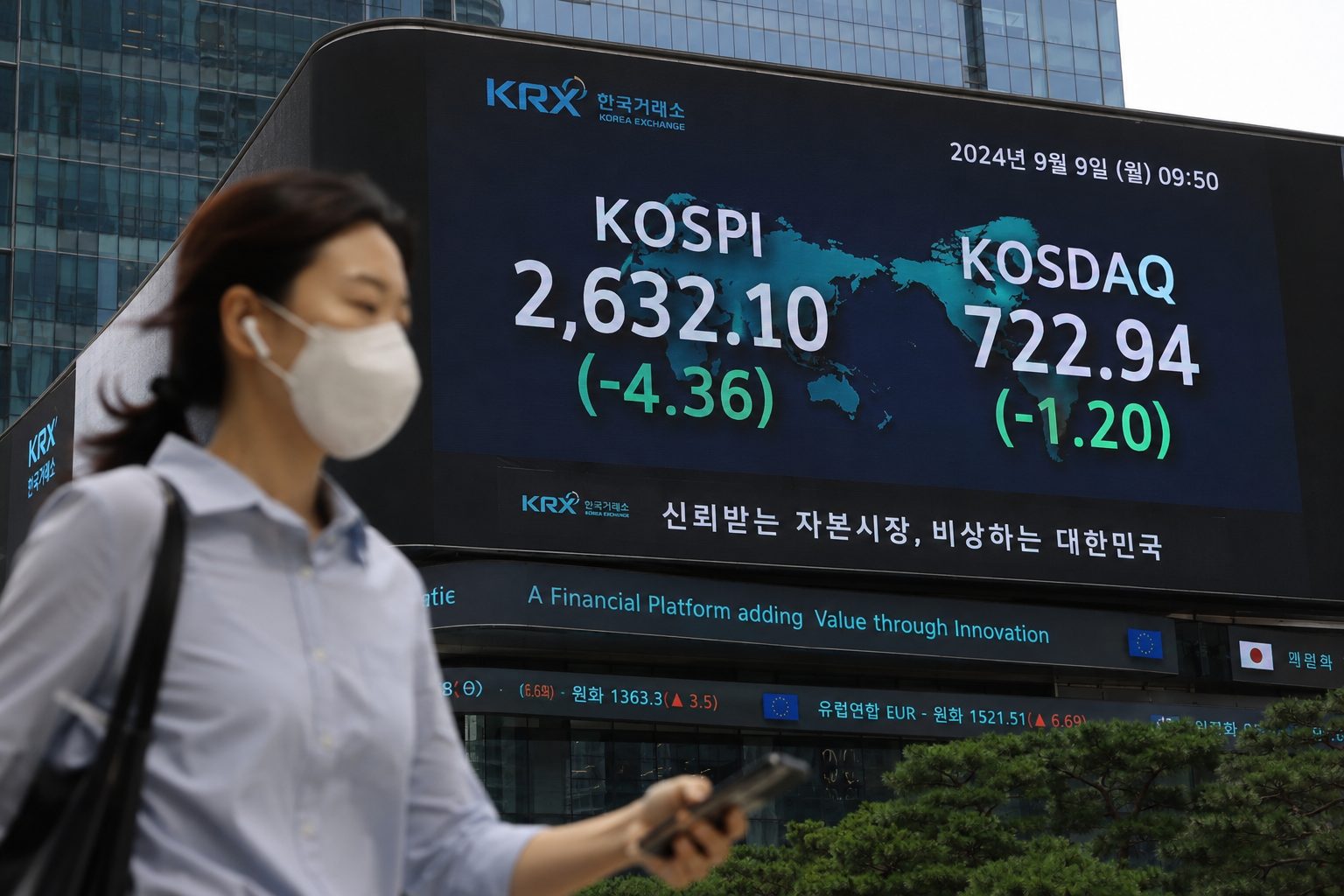
Asian stocks are opening the week with moves that look driven more by balance sheet space than by earnings news. South Korea’s KOSPI stands out: after falling about 7% last week, it’s still up 66% for the quarter and has nearly doubled this year, according to a Reuters snapshot. That split between a sharp drop and a still-high gain puts Seoul in focus as a sign of how much leverage might be left in the AI rally.
Foreign investors pull $8.6 billion from Korean, Taiwanese stocks

Foreign investors pull $8.6 billion from Korean, Taiwanese stocks

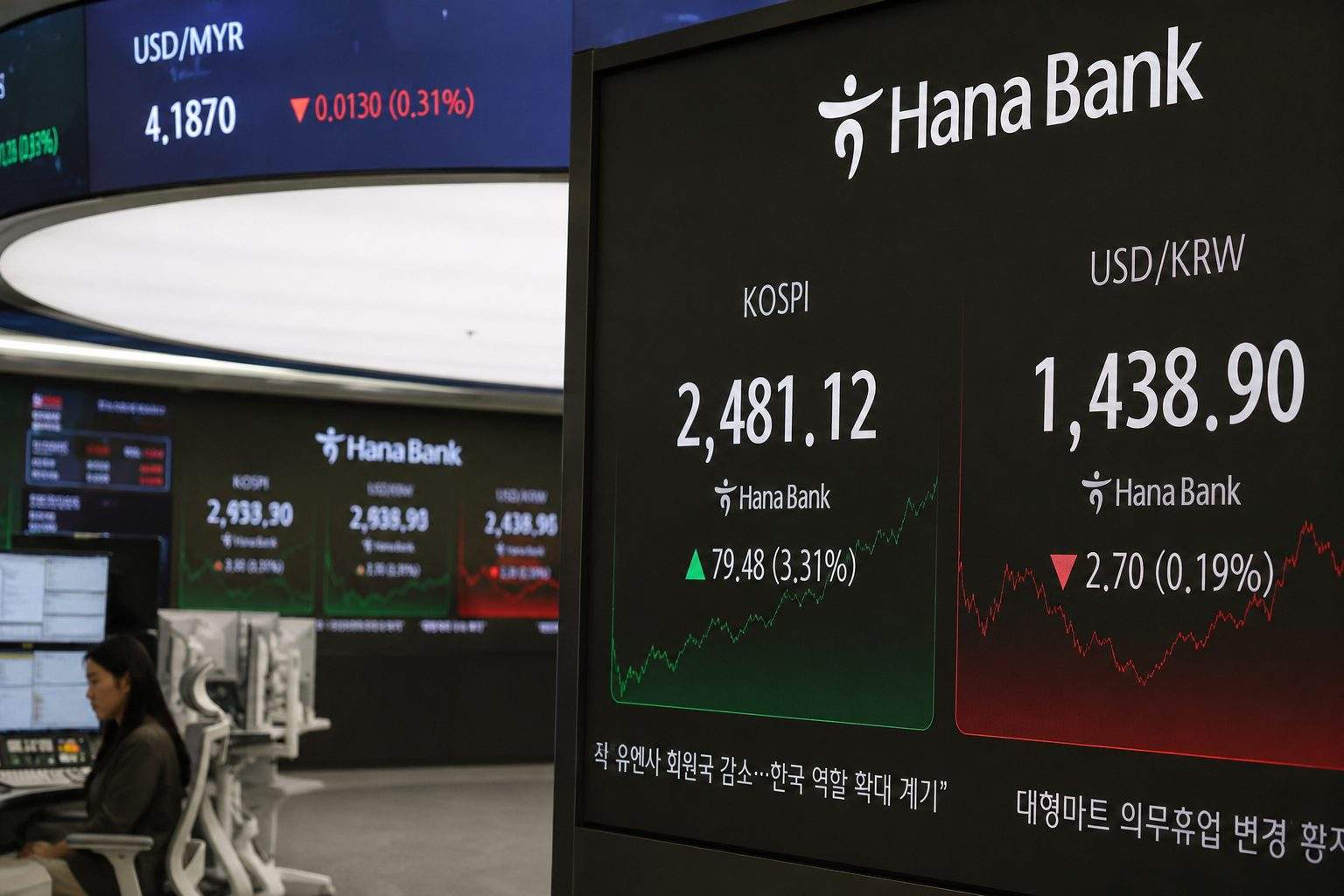
Foreign investors dumped about $8.6 billion of Korean and Taiwan stocks on Wednesday, while the KOSPI jumped 3.3% in Seoul. The bounce was led by Korean buyers. Overseas investors offloaded a net 4.66 trillion won, about 8.7% of market turnover, with local retail and instituionals picking up 4.55 trillion won. In Taiwan, foreign investors sold a record NT$177.42 billion, 12.2% of turnover. TSMC slid 4.02%, dragging the Taiex down by about 76% of its 1,057-point loss. “TSMC just fell victim to such profit-taking,” Cathay Futures analyst Tsai Ming-han said. The foreign outflows show that Seoul’s pop wasn’t a sign of risk appetite coming back.
Nasdaq Futures Drop Ahead of Open as Debt Concerns Hit AI Stocks

Nasdaq 100 Slides, Tech Stocks Wipe Out $1 Trillion

Nasdaq 100 was set to lose over $1 trillion in market value Tuesday, with tech stock selling moving from megacaps into chip and memory names, tightening the pressure ahead of the New York open. SpaceX shares slipped too, falling below the $2 trillion mark for the first time since its U.S. debut, Reuters said.
SMH ETF flows point to AI chip trade moving away from Nvidia

SMH ETF flows point to AI chip trade moving away from Nvidia

The VanEck Semiconductor ETF saw nearly $7 billion pour in on Monday, the biggest sign yet of investors looking beyond just Nvidia and into a basket of chip suppliers. That flow is making its mark. Semiconductor stocks climbed on the day, while the big tech names dragged the Nasdaq lower.
SK Hynix Tops Samsung as Korea’s AI Memory Trade Revalues

SK Hynix Tops Samsung as Korea’s AI Memory Trade Revalues

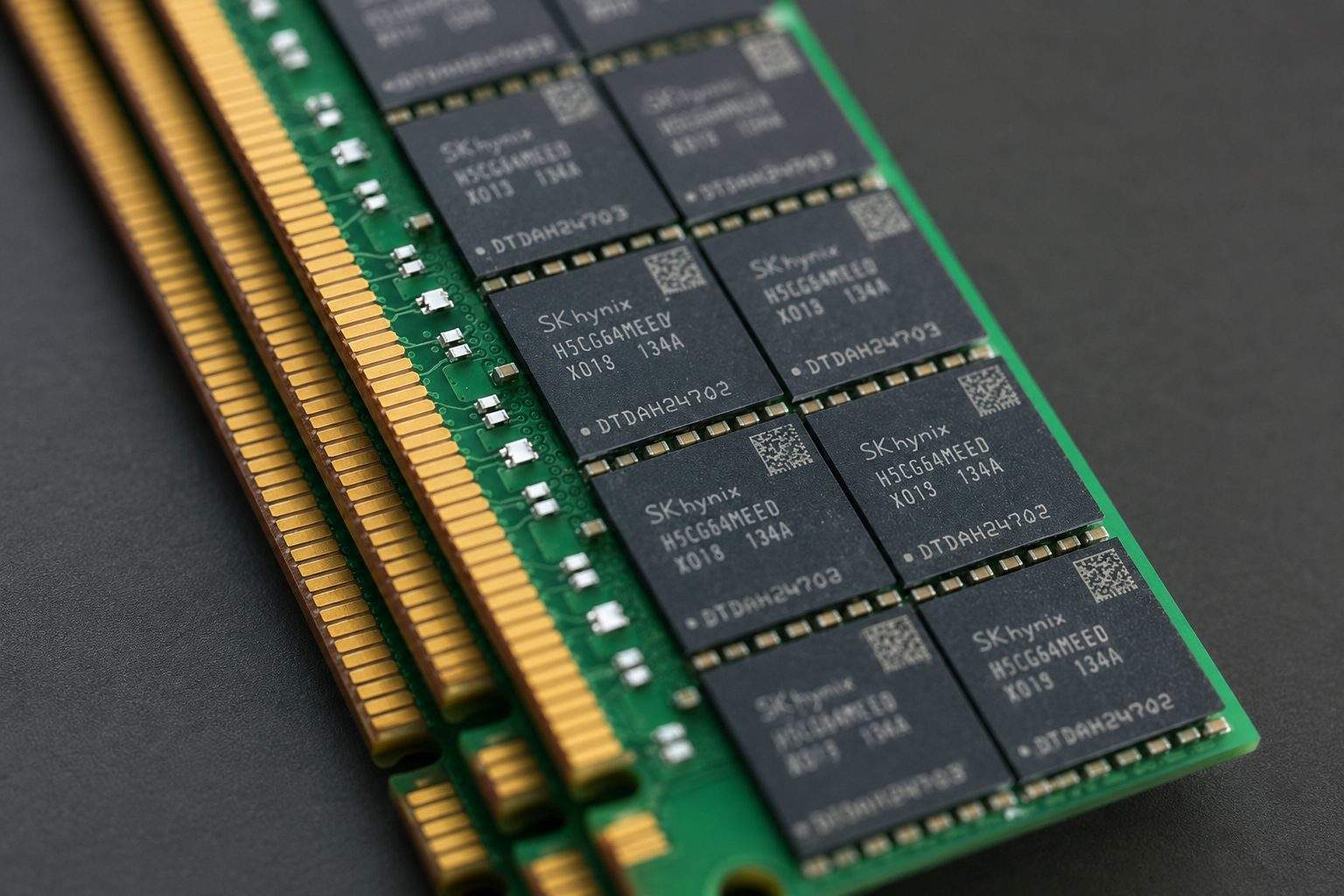
SK Hynix is now South Korea’s most valuable listed company after passing Samsung Electronics on Monday—a first in 26 years and a sign of shifting power in the memory-chip sector with the rise in AI demand. SK Hynix shares jumped 5.6%, pushing its market value to 2,080.4 trillion won. Samsung slipped 0.14% to 2,066.7 trillion won, excluding preferred, at the close.
AI Memory ETF Reaches $10 Billion Mark Quicker Than Any Previous Fund

AI Memory ETF Reaches $10 Billion Mark Quicker Than Any Previous Fund

Roundhill’s Memory ETF crossed $10 billion in assets in under two months after launching, breaking the previous record for the quickest ETF to reach that mark. Investors have rushed into memory-chip stocks on the artificial-intelligence theme. DRAM is up 87% since its April 2 launch and has brought in $8.6 billion of inflows, the Financial Times said, citing Morningstar data.
S&P 500, Nasdaq post record closes as AI stocks drive after-hours action

S&P 500, Nasdaq post record closes as AI stocks drive after-hours action

Stock-index funds in the U.S. moved up late Tuesday after both the S&P 500 and Nasdaq Composite ended at fresh records. The S&P 500 was up 0.61% to 7,519.12, the Nasdaq climbed 1.19% to 26,656.18, and the Dow Jones Industrial Average slipped 0.23% to 50,461.68. Chris Zaccarelli, chief investment officer at Northlight Asset Management, called this year’s tech gains “reminiscent of the boom at the end of the 1990s.” Adam Sarhan at 50 Park Investments said Middle East tensions still seemed likely to “resolve itself in a peaceful fashion sooner rather than later.”
Nvidia’s Physical AI Push Is Pulling Asia’s Tech Stocks Into a New Race

Nvidia’s Physical AI Push Is Pulling Asia’s Tech Stocks Into a New Race

Nvidia’s focus on “physical AI”—that is, artificial intelligence powering robots, vehicles, and factory systems operating in the real world—has been pulling more attention to the chipmaker, especially as Asian suppliers take on a larger role in its supply chain. Bloomberg data put Asian firms at roughly 90% of Nvidia’s production costs now, a jump from about 65% a year ago.
Go toTop