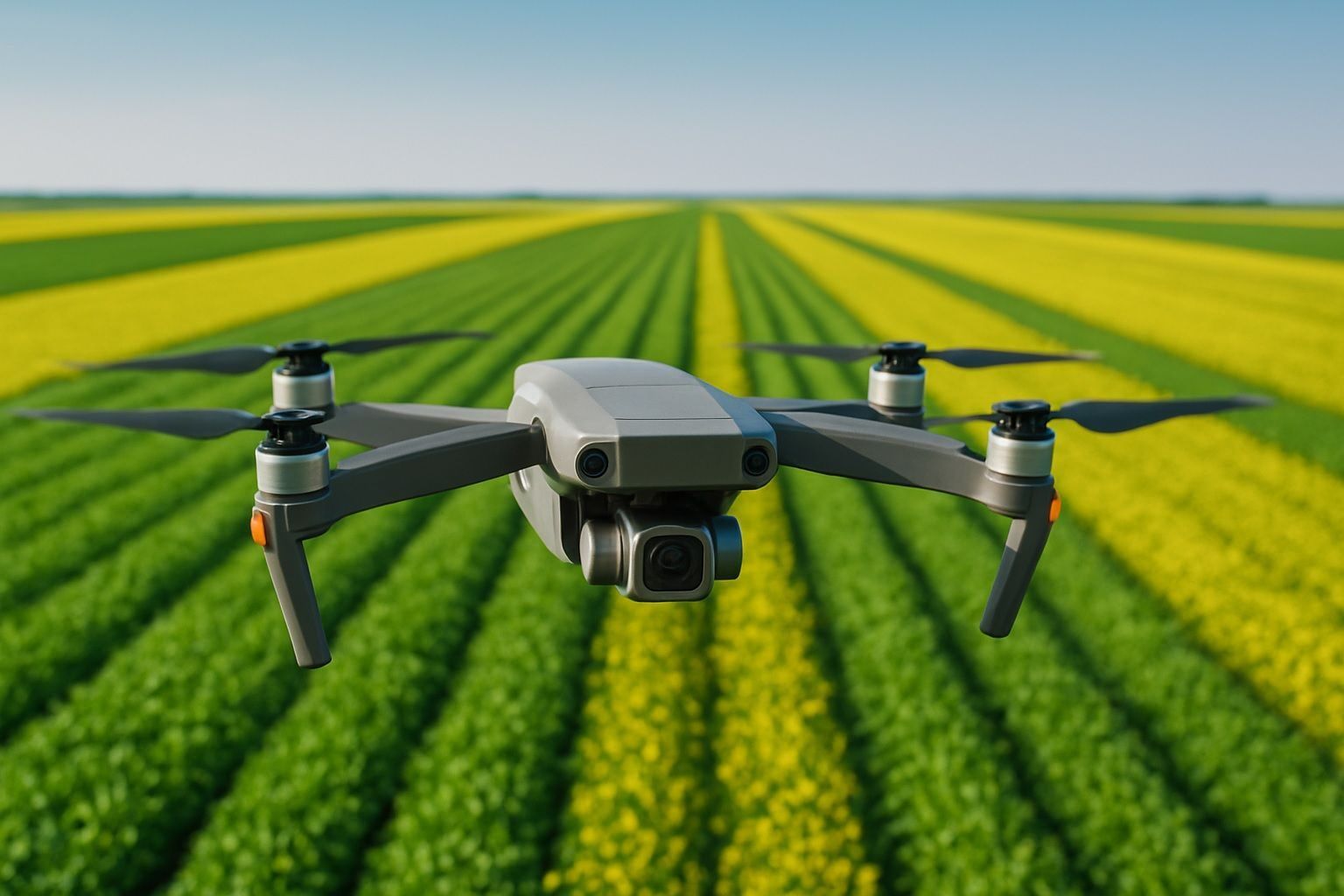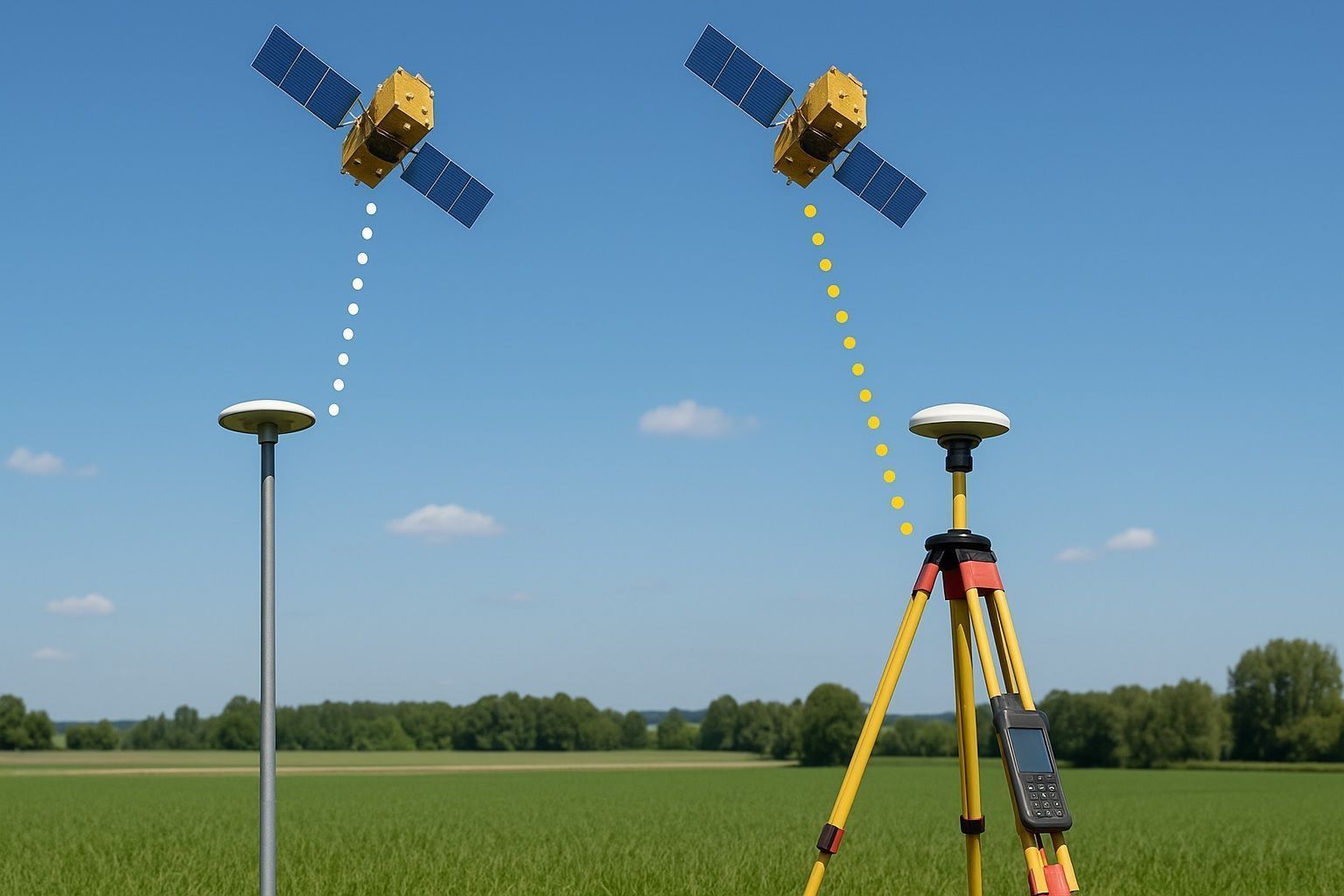

Global Navigation Satellite Systems like GPS have revolutionized how we find our position on Earth. Yet, the standard GPS accuracy often isn’t sufficient for missions like precision farming, engineering surveys, autonomous navigation, or tectonic measurements Esa. To bridge this accuracy gap, two advanced techniques have emerged over the years: Differential GNSS and Precise Point Positioning. These methods take basic GNSS to the next level, achieving sub-meter to centimeter-level accuracy by cleverly handling errors in satellite signals. In this comprehensive report, we’ll dive into what DGNSS and PPP are, how they work, their history and evolution, technical principles, comparisons of performance, real-world applications across industries, benefits and limitations, current technologies, case studies, and future developments. By the end, you’ll have a deep understanding of these high-precision positioning techniques – truly everything you never knew you needed to know about DGNSS and PPP.