Today: 22 March 2026
Browse Category

Space Industry 1 June 2025 - 16 June 2025

Inside the Billionaire Space Tourist Boom: History, Players, Prices, and the Future of Commercial Spaceflight

Inside the Billionaire Space Tourist Boom: History, Players, Prices, and the Future of Commercial Spaceflight

Dennis Tito became the first space tourist in April 2001, paying about $20 million for a week on the ISS aboard a Russian Soyuz. The U.S. passed the Commercial Space Launch Amendments Act in 2004, setting FAA rules for private launches. By 2025, over 60 private individuals have flown to space as paying passengers or guests, with ticket prices for orbital missions reaching $55 million per seat.
16 June 2025
AstroForge Brokkr‑2 (Odin) Mission Overview and Objectives

AstroForge Brokkr‑2 (Odin) Mission Overview and Objectives

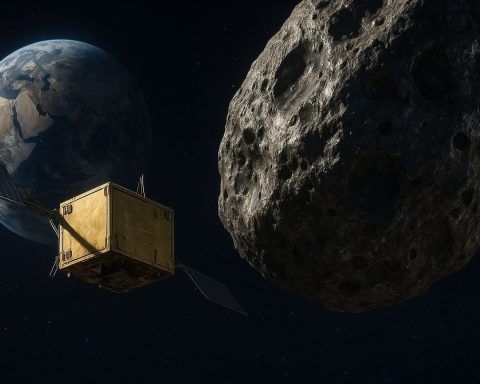
Odin, a 120 kg deep-space probe built by Orbital Astronautics for AstroForge, launched Feb. 26, 2025 on SpaceX Falcon 9 as part of Intuitive Machines’ IM-2 mission. Targeting asteroid 2022 OB5, Odin was declared lost on March 6 after persistent ground-station and pointing issues. The probe aimed to confirm the asteroid’s metal content ahead of a planned lander mission. Odin would have been the first privately funded asteroid-survey mission.
The Economic Impacts of Blue Origin’s Spaceflights

The Economic Impacts of Blue Origin’s Spaceflights

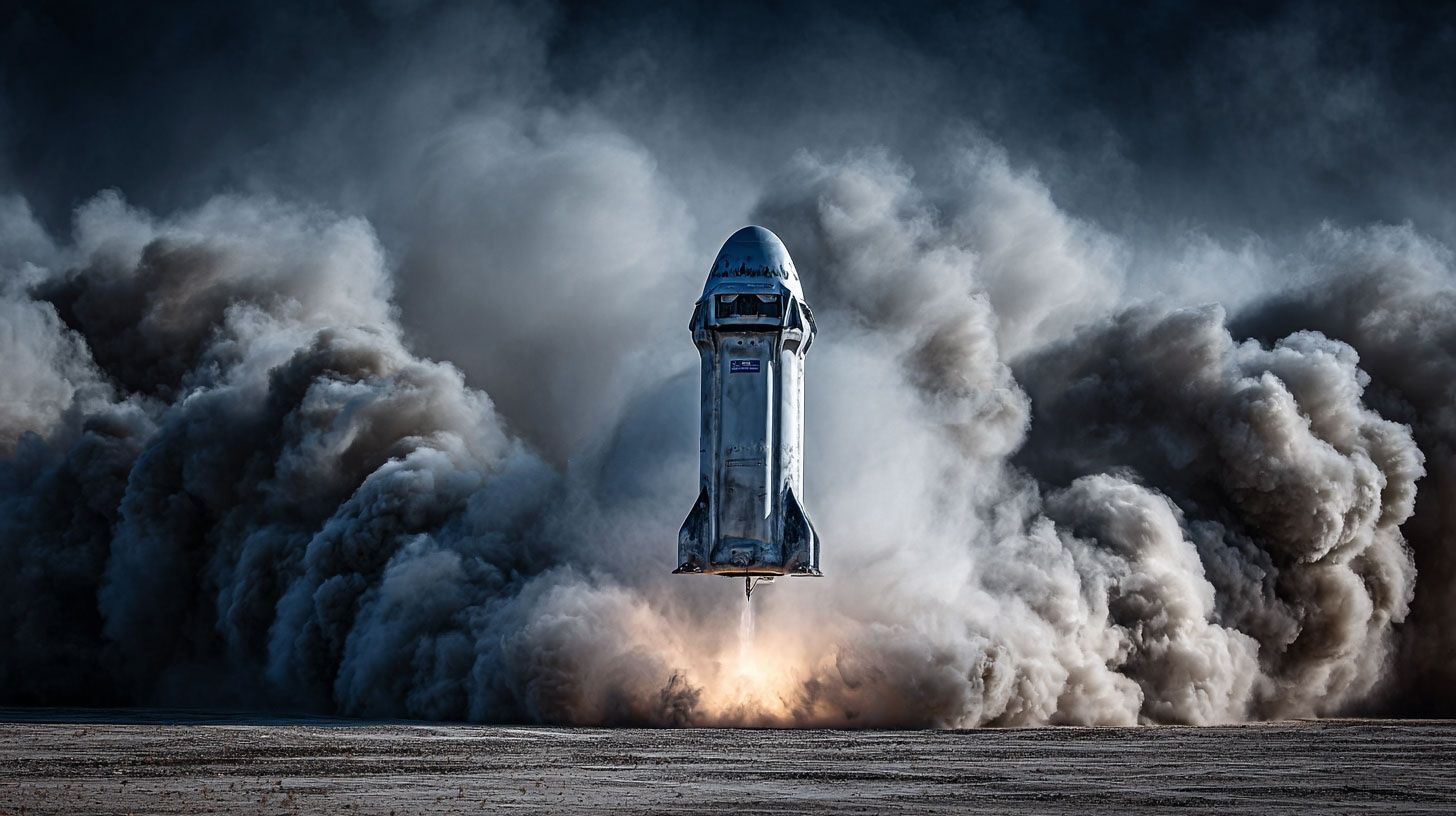
Blue Origin’s New Glenn heavy rocket reached orbit for the first time in January 2025. New Shepard has flown about 32 times, carrying over 60 passengers, with seats selling for around $1.3 million each. NASA awarded Blue Origin a $3.4 billion contract in 2023 for Artemis V. The company holds about $8 billion in Space Force launch contracts.
16 June 2025
Satellites, Sensors, and the Next $4 Billion Boom: Inside the 2025–2031 IoT Space Race

Satellites, Sensors, and the Next $4 Billion Boom: Inside the 2025–2031 IoT Space Race

Satellite-connected IoT devices are projected to surpass 26 million by 2030, with the market reaching about $4 billion. 3GPP Release-17 NTN standards, finalized in 2022, allow single modules to operate on both cellular and satellite networks. North America accounted for 49% of global Satellite IoT revenue in 2024. Sateliot raised €70 million to deploy its 5G-IoT nanosatellite constellation.
Satellite Bus Showdown: Legacy Titans vs. NewSpace Mavericks (2024–2033)

Satellite Bus Showdown: Legacy Titans vs. NewSpace Mavericks (2024–2033)

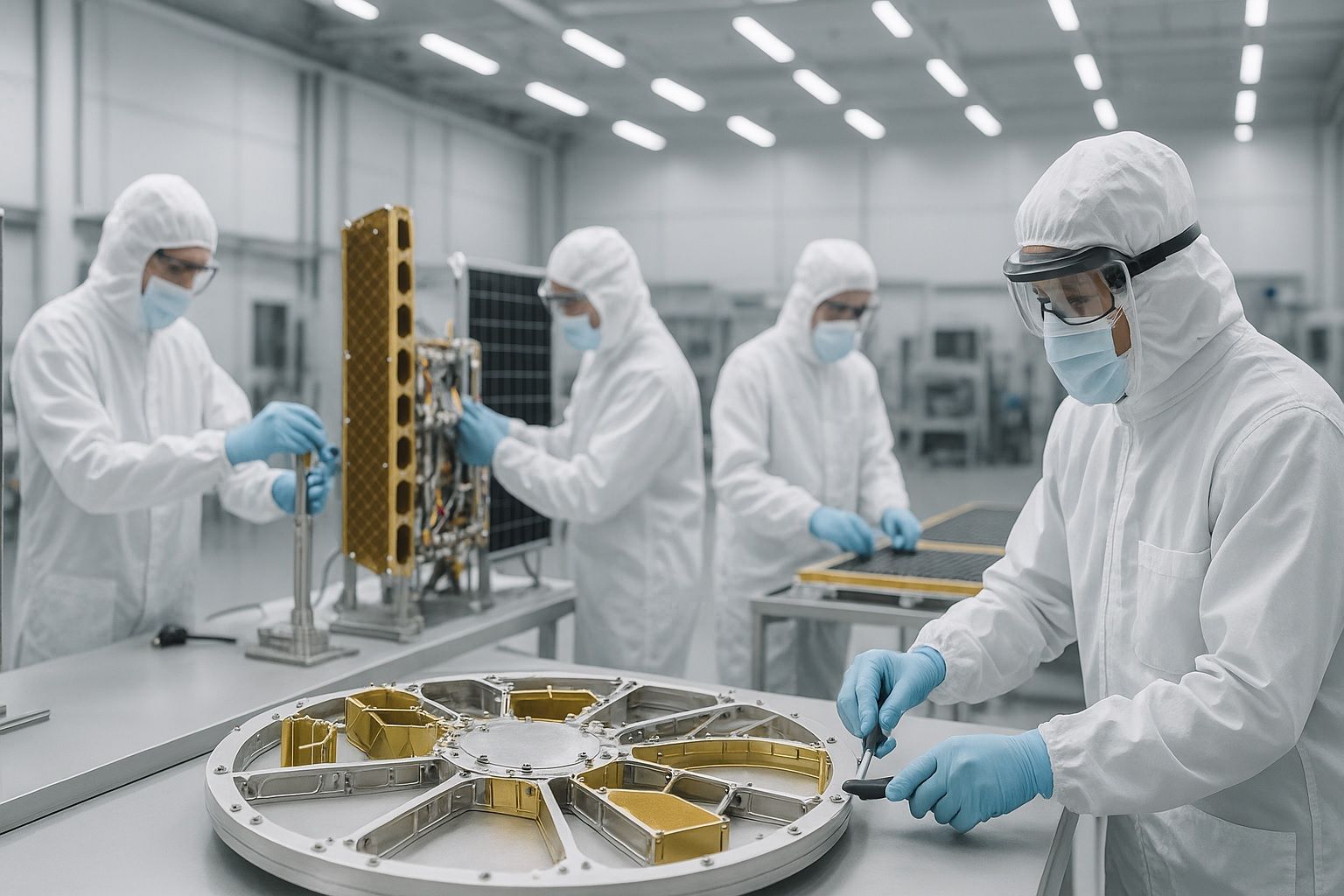
The global satellite bus market is projected to grow from $14.1 billion in 2023 to $23.4 billion by 2033. SpaceX has launched over 6,500 Starlink satellites, making up about half of all active satellites. In 2024, commercial projects accounted for 68% of market value, with LEO satellites at 72% of platform share. BAE Systems completed its $5.55 billion acquisition of Ball Aerospace in early 2024.
Sky’s the Limit: Earth-Observation Data & Analytics Market Set to Soar by 2031

Sky’s the Limit: Earth-Observation Data & Analytics Market Set to Soar by 2031

Grand View Research estimates the Earth-observation market at $5.10 billion in 2024, rising to $7.24 billion by 2030. Growth is fueled by more satellites, lower launch costs, and demand from sectors like agriculture and energy. Challenges include data complexity, high sensor costs, and fragmented standards. Over 6,500 satellites were in orbit by 2023, expanding global coverage.
Rocketing into the Future: Smallsat Launch Services Set to Skyrocket (2025–2032)

Rocketing into the Future: Smallsat Launch Services Set to Skyrocket (2025–2032)

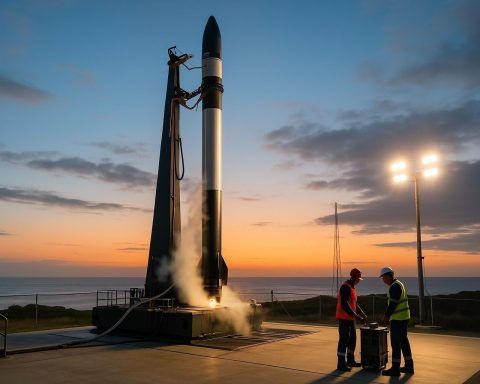
Over 2,300 small satellites launched in 2022, a 32% jump from 2021, now making up more than 95% of all satellites sent to orbit. Analysts expect the smallsat launch market to surpass $60 billion by 2030, driven by megaconstellations and government demand. SpaceX leads with low-cost rideshare launches, while Rocket Lab and others compete as prices per kilogram continue to fall.
LEO Gold Rush: The Billion-Dollar Race to Own Low Earth Orbit (2024–2030)

LEO Gold Rush: The Billion-Dollar Race to Own Low Earth Orbit (2024–2030)

SpaceX’s Starlink has launched over 8,000 satellites since 2019, with about 4,000 active and service in more than 125 countries. OneWeb merged with Eutelsat in 2023, forming a GEO+LEO operator after launching 618 satellites. Amazon’s Project Kuiper targets 3,236 satellites, with its first operational launch set for April 2025. China’s Guowang aims for 13,000 satellites by the early 2030s, with 29 prototypes launched so far.
Starlink and the Satellite Internet Market (2025) – Comprehensive Report

Starlink and the Satellite Internet Market (2025) – Comprehensive Report

Starlink had over 7,000 satellites in orbit by December 2024, serving about 5.4 million users in 125 countries by March 2025. Consumer internet service costs $100–$120 per month, with hardware priced from $350 to $599. 2024 revenue reached $7.7 billion, with forecasts up to $12.3 billion for 2025. Amazon’s Kuiper and Eutelsat-OneWeb are expanding competition in the sector.
1 11 12 13

Stock Market Today

  • Bernstein Identifies Potential Winners in U.S.-China AI Compute Power Race
    March 22, 2026, 9:49 AM EDT. As the U.S. and China vie for AI supremacy, Bernstein highlights compute power-including both semiconductors and electricity supply-as pivotal. The U.S. leads in advanced chips, but China is rapidly expanding its power capacity, reaching 500 gigawatts added in 2023 alone. Bernstein forecasts China could achieve 1,936 zetta floating point operations per second (ZFLOPS) by 2035, surpassing the U.S.'s projected 511 ZFLOPS. This surge relies on investments in energy infrastructure and renewables, benefiting firms like CATL (battery supplier) and Sungrow (solar and energy storage), both rated outperform. Bernstein also expects Chinese AI chips to reach over 50% efficiency of U.S. equivalents by 2035, up from 25% now, signaling notable growth in the semiconductor sector amid ongoing geopolitical restrictions on chip access.
Go toTop