
NEW YORK, June 17, 2026, 08:05 (EDT)
- Joby shares ended Tuesday at $9.34, slipping 3.4%. The stock quoted at $9.37 ahead of the open.
- Joby, Archer Aviation, and Eve rose on Monday after a Jefferies consumer survey got picked up in market coverage.
- Joby Aviation president of OEM, Didier Papadopoulos, reported a sale of 7,974 shares in a Form 4 filing Tuesday. The transaction was tied to RSU vesting and a pre-set trading plan.
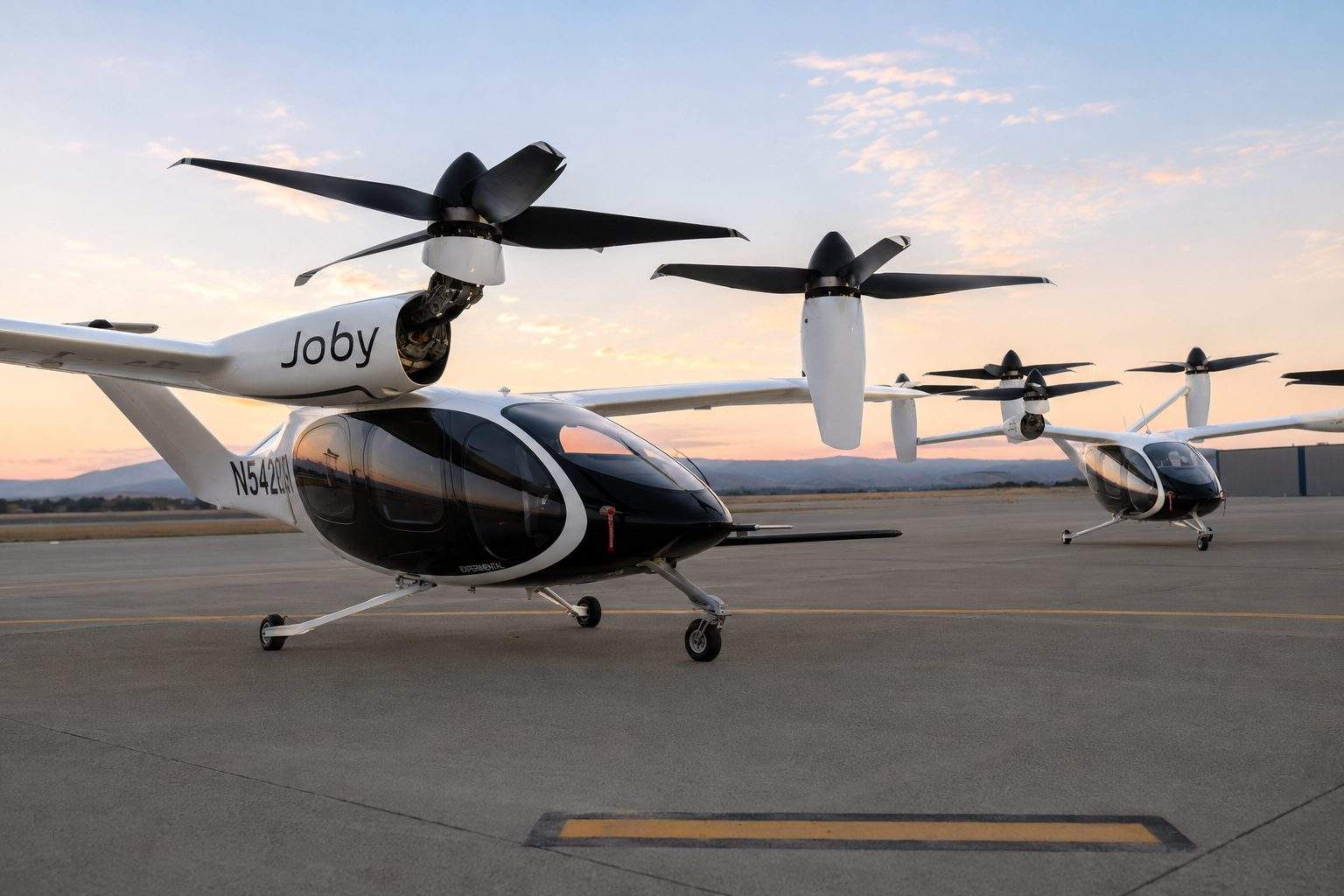
Joby Aviation was up a bit in early New York trade Wednesday, steadier after two choppy sessions that revived attention to orders for electric air taxis and an insider sale disclosure. Joby ended Tuesday at $9.34, off 3.4%. Google Finance listed a $9.37 premarket price. The NYSE is open from 9:30 a.m. to 4 p.m. ET.
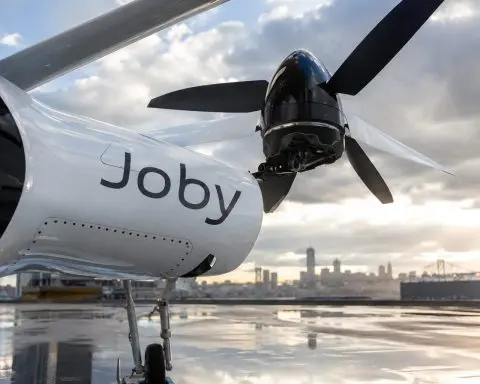
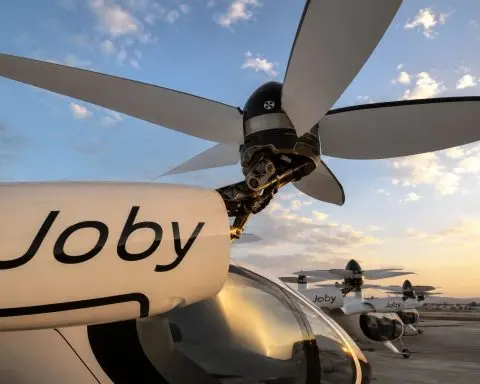
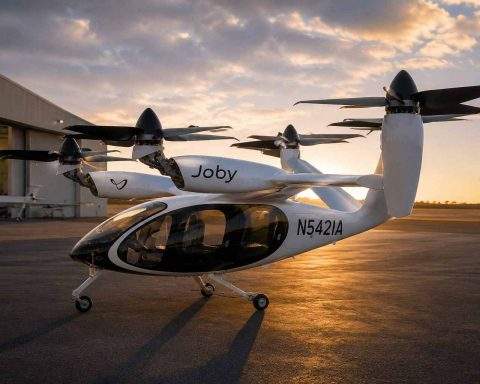
Joby’s move is getting attention as the company is now a key public test for how much demand there is for eVTOL aircraft. These battery-powered vehicles take off like helicopters. Investors now are watching less for earnings and more for signs that Joby can convert milestones like certification, initial route runs and public interest into steady passenger business.
Joby Aviation climbed 5.9% to finish at $9.69 on Monday, trading on heavier-than-usual volume. Market chatter pointed to a Jefferies consumer survey that found 50% of people knew what eVTOLs are and 79% said they’d be interested in trying flying taxis. The survey also found respondents would pay about $91 for a 15-minute flight that cut 45 minutes from their trip. Archer Aviation and Eve Holding also moved higher as eVTOL names caught a bid.
Tuesday slowed things down. Joby traded between $9.16 and $9.71, well off its 52-week high at $20.95, but still clear of the $7.75 low. The company held a market cap of about $9.2 billion.
Joby Aviation’s president of aircraft OEM, Papadopoulos, picked up 11,641 shares from RSUs after the market closed, according to a Form 4 filed late. He sold 5,999 of those at $9.83 to pay taxes on the vesting and sold another 1,975 shares at a weighted average of $9.42 through a Rule 10b5-1 trading plan. After these transactions, Papadopoulos kept 148,455 shares.
Certification is still the central issue. Joby said in May it finished the first quarter with $2.5 billion in cash. The company flew its first FAA-conforming aircraft and wrapped up an FAA certification audit called SR3. CEO JoeBen Bevirt said Joby now has the “clearest path” so far to launching passenger service. Joby Aviation
Papadopoulos said in March that the first FAA-conforming flight put Joby in what he called the “final phase of bringing this aircraft to market.” Joby said it aimed for FAA pilots to fly it later this year as part of the process for Type Inspection Authorization, where regulators test if the conforming aircraft meets certification standards. Joby Aviation
Joby has worked to show investors what its service could look like. In April, the company said it finished point-to-point demo flights in New York City, linking JFK airport and Manhattan heliports. Joby said those air taxi routes could bring trips that usually last over an hour by car down to under 10 minutes.
The downside is still clear. Certification could get delayed, production might be tougher or pricier than expected, and passengers may shy away from ticket prices if excitement drops off. Joby is running at a loss, leaving the shares open to concerns about burning cash, risk of dilution, and swings in investor mood toward high-growth transport stocks.
Trading volumes could thin out with the NYSE closing Friday, June 19, for Juneteenth. That leaves traders to watch Wednesday’s open and Thursday’s moves, plus any new certification news or operating updates, ahead of the long break.
Related articles: NYSE:JOBY
![US Stock Market Today 08/24/2026 [UPDATE: 00:06 EDT] [Alibaba Dilution Joins Memory Selloff in Overnight Trade]](https://ts2.tech/wp-content/uploads/2026/08/US-market-dashboard-2026-08-24-0003-480x384.jpg "US Stock Market Today 08/24/2026 [UPDATE: 00:06 EDT] [Alibaba Dilution Joins Memory Selloff in Overnight Trade]")