
NEW YORK, July 8, 2026, 07:21 (EDT)
- Micron Technology NASDAQ:MU closed at $938.38 on July 7, down 4.71%, and was indicated at $902.00 premarket at 6:55 a.m. EDT.
- The stock is about 25% below its June 25 intraday high of $1,255.00, based on daily price data.
- The issue for investors is not last quarter. It is whether memory pricing can stay high enough to support Micron’s new earnings base.
- Samsung Electronics KRX:005930, SK Hynix KRX:000660, Micron and the Philadelphia semiconductor index sold off even after strong memory-profit signals from Korea.
Micron Technology NASDAQ:MU is not selling off because fiscal third-quarter numbers were weak. It is selling off because the market has started to cut the shelf life of those numbers. At 07:21 EDT in New York, regular Nasdaq trading had not opened; Nasdaq lists regular hours as 9:30 a.m. to 4:00 p.m. ET.
The tape is saying two things at once. The stock has lost short-term trend support, but it has not yet broken the bigger spring rally. That is why the next few sessions matter more than another debate about whether AI memory demand is strong.
| Market signal | Latest confirmed read | Investor read |
|---|---|---|
| Micron close, July 7 | $938.38, down 4.71% | Selling hit the stock before the regular July 8 open. StockAnalysis |
| Micron premarket, July 8 | $902.00 at 6:55 a.m. EDT | The July 7 close did not clear the pressure. StockAnalysis |
| June 25 intraday high | $1,255.00 | The stock is about 25.2% below that high. StockAnalysis |
| PHLX Semiconductor Index | Down 4.7% on July 7 | This is a sector de-rating, not a Micron-only event. Reuters |
| iShares Semiconductor ETF NASDAQ:SOXX | Down 16% from its late-June peak | The pressure has spread across the chip trade. MarketWatch |
Using StockAnalysis daily closes, Micron’s five-day average is about $1,017.05, its 20-day average is about $1,046.43 and its 50-day average is about $871.16. The July 7 close sits 7.7% below the five-day line and 10.3% below the 20-day line, but still 7.7% above the 50-day line. That pattern fits a sharp unwind, not yet a full long-trend break.
The fundamental table still looks extreme by normal memory-cycle standards.
| Micron metric | FQ3 2026 | FQ2 2026 | FQ3 2025 |
|---|---|---|---|
| Revenue | $41.46 bln | $23.86 bln | $9.30 bln |
| GAAP gross margin | 84.6% | 74.4% | 37.7% |
| GAAP diluted EPS | $24.67 | $12.07 | $1.68 |
| Operating cash flow | $25.39 bln | $11.90 bln | $4.61 bln |
Micron guided fiscal fourth-quarter revenue to $50.0 billion, plus or minus $1.0 billion, with non-GAAP EPS of $31.00, plus or minus $1.00. Chief Executive Sanjay Mehrotra called the quarter “record fiscal Q3 financial results” and said Micron was “investing at record levels.” SEC
That is the point. The stock is no longer paying just for the level of earnings. It is testing how much of those earnings can survive if average selling price growth slows. In its 10-Q, Micron said DRAM sales for the first nine months rose 211%, driven mainly by an approximate 140% rise in average selling prices and about 30% higher bit shipments; NAND sales rose 183%, driven mainly by an approximate 130% price rise and low-20% bit growth.
The strategic customer agreements help, but they also change the story. Micron said the agreements include binding multi-year volumes, often with deposits, and it expects $22 billion of deposits and related financial commitments, including about $18 billion in cash deposits. It also said most agreements have fixed pricing or minimum and maximum price bands. That lowers boom-bust risk. It can also limit how much extra profit Micron gets if spot prices keep running.
The Ford Motor NYSE:F deal, announced July 6, is a useful example. Ford CEO Jim Farley said future U.S. vehicle output will require “a resilient supply chain.” Mehrotra said Micron wants a “long-term supply” role as vehicles need more memory. That is good for visibility, but investors should treat it as a margin-duration tool, not a fresh reason to pay any price for the stock. Micron Technology
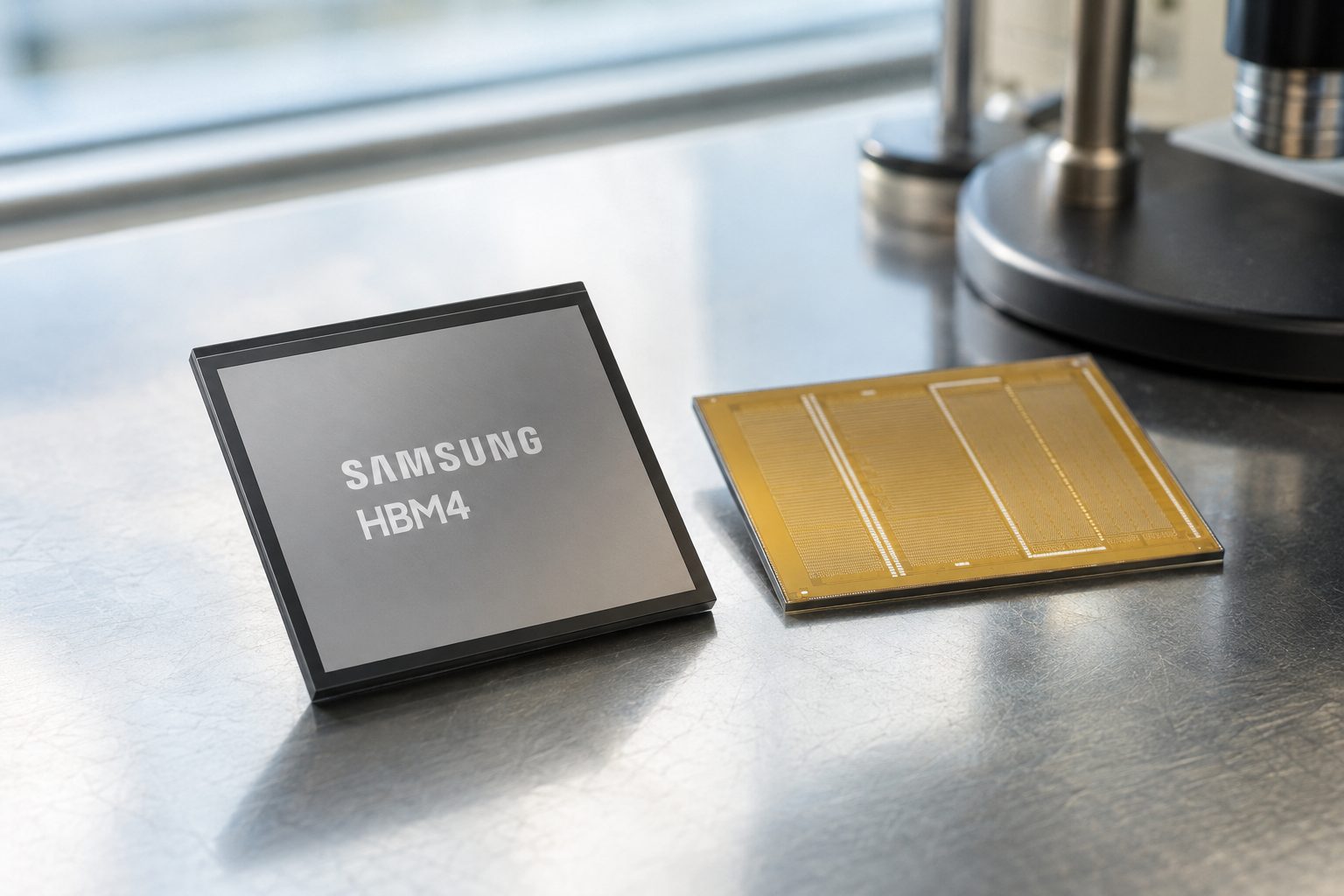
Samsung is the external warning. Samsung flagged second-quarter operating profit of 89.4 trillion won, up from 4.7 trillion won a year earlier, and said revenue likely rose 129% to 171 trillion won. Its shares still fell as much as 10.1% and closed down 6.9%. Albert Yong of Petra Capital Management said Samsung’s strength had “largely been priced in.” Morningstar analyst Jing Jie Yu pointed to “more moderate DRAM price hikes.” Reuters
The July 8 Korean follow-through was worse for the memory read. Samsung fell as much as 7.6% and SK Hynix dropped as much as 5.2%. Reuters reported that JPMorgan saw memory prices as the key second-half earnings driver, with supply still lagging demand but customers pushing back against higher costs. Micron, Intel NASDAQ:INTC and Advanced Micro Devices NASDAQ:AMD fell 4.7%, 9.7% and 6.5%, respectively, in the prior U.S. session.
Consensus still leans hard the other way. MarketWatch showed 53 analyst ratings on Micron, an average recommendation of Buy and an average target price of $1,575.62, with a high target of $2,200 and a low of $470. At the July 7 close, that average target implies about 68% upside. The high-low spread matters more than the average. It says analysts are not arguing over this quarter; they are arguing over how long the cycle lasts.
Using those same consensus estimates, Micron trades at about 12.8 times current-year EPS of $73.16 and 6.1 times next-year EPS of $152.82. That looks cheap only if the earnings line holds. If investors decide fiscal 2027 numbers are peak-cycle math, the multiple is not cheap; it is a discount for earnings that may be hard to repeat.
The filing risk sits in customer concentration. Micron said over half of 2025 revenue came from its top 10 customers and about half came from the data-center end market. It also warned that delays in data-center build-outs or tighter customer financing could hurt revenue and financial performance. That is why hyperscaler capital spending is now as important to Micron’s stock as DRAM spot checks.
The near-term line is the July 7 low at $891.66, then the 50-day average near $871.16 by my calculation from published closing data. A reclaim of the five-day average near $1,017 would say forced selling has eased. A break below the 50-day while Samsung and SK Hynix stay weak would say the market is no longer paying for Micron’s contract backlog, only for the next memory-price tick.