
NEW YORK, July 12, 2026, 13:07 (EDT)
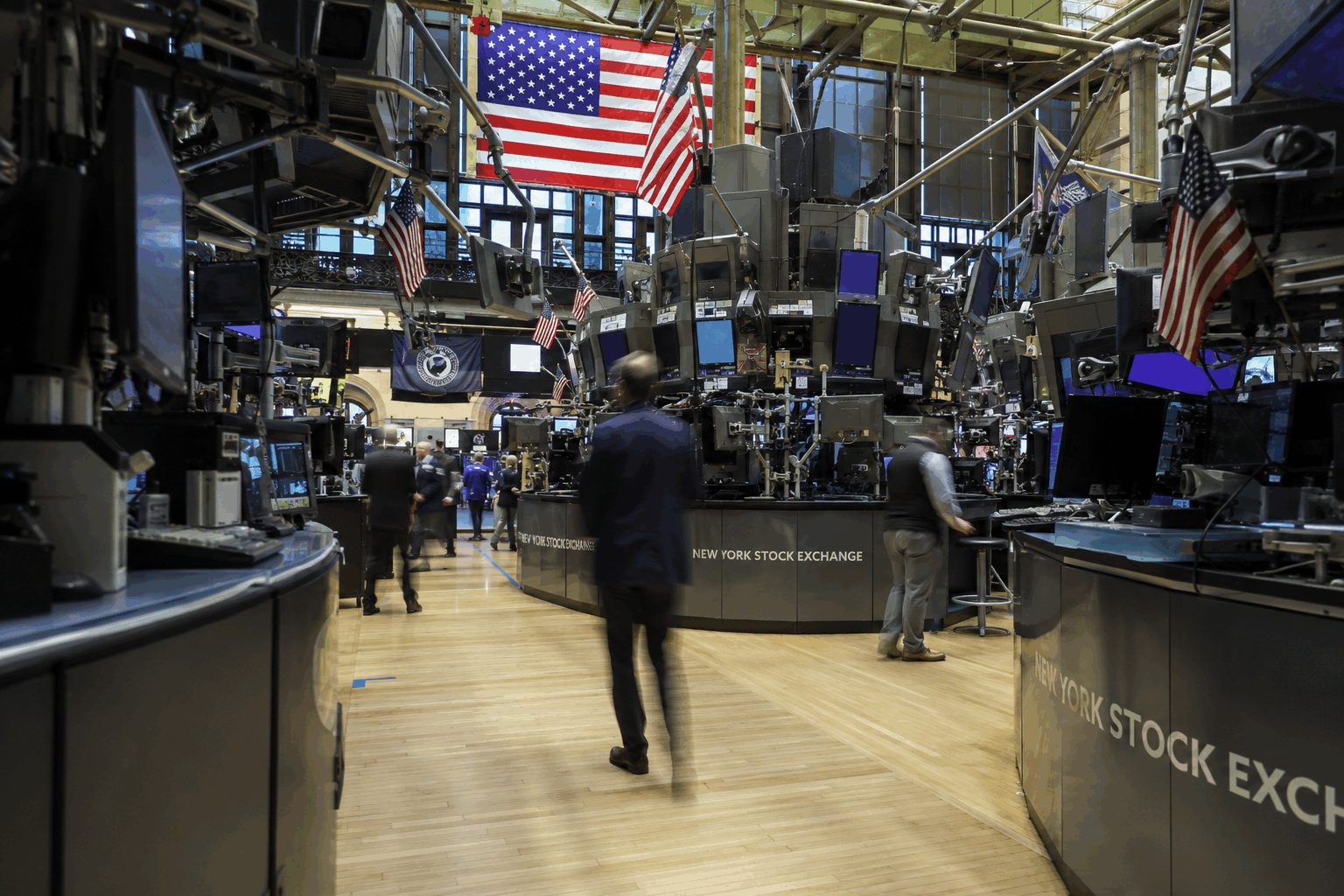
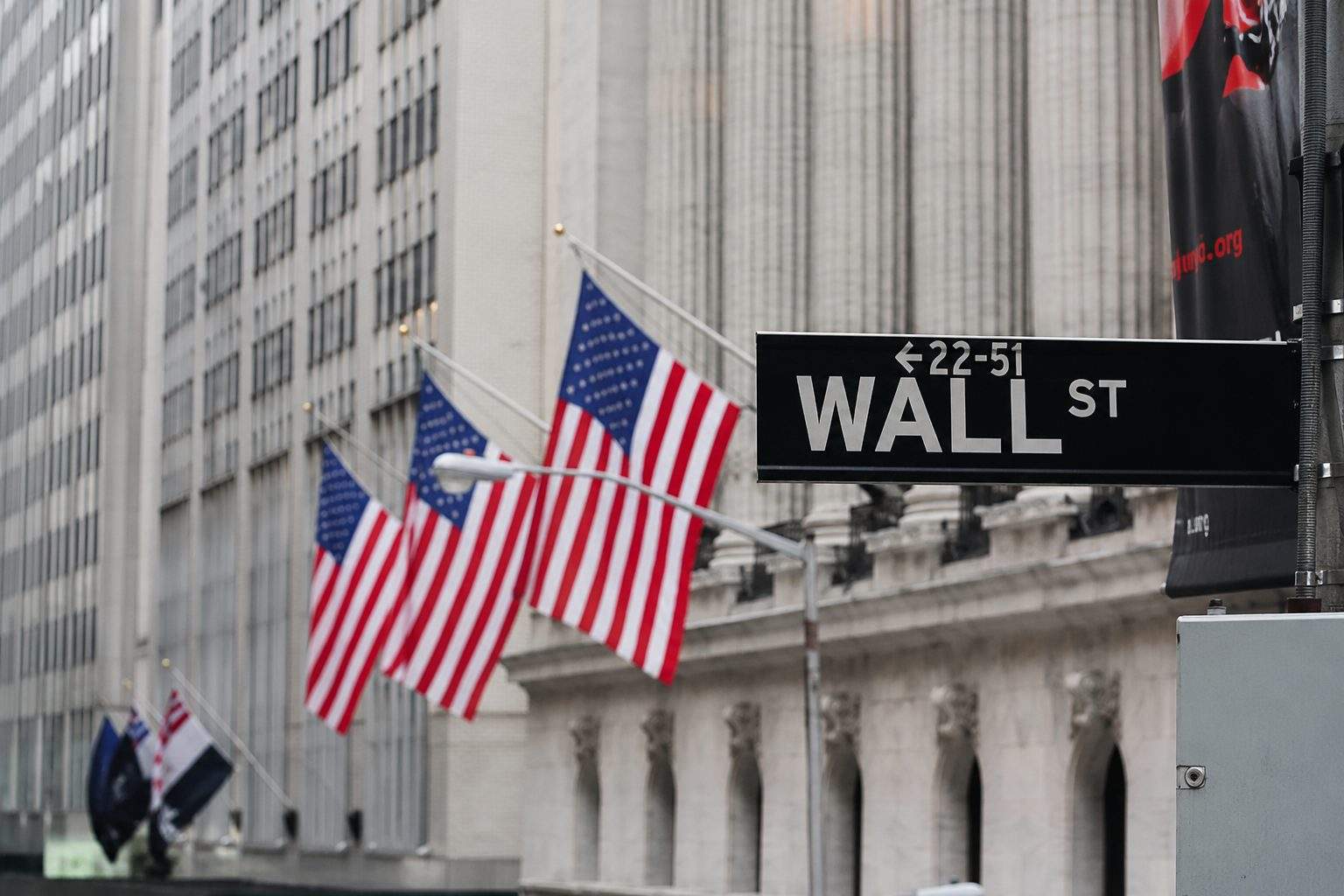
Wall Street heads into Monday with the VIX, an options-based gauge of expected S&P 500 swings, at 15.03 — only about 12% above its 52-week low — even though Tuesday will pack five major-bank reports, June inflation and Federal Reserve Chair Kevin Warsh’s testimony into one morning. From the consumer price index at 8:30 a.m. ET to Warsh’s appearance at 10, investors get 90 minutes to reprice rates and earnings after the bank results land before the opening bell. U.S. cash equity markets were closed Sunday.
The S&P 500 ended Friday at 7,575.39, just 0.45% below its June 2 record, while its forward price-to-earnings ratio — the price paid for $1 of expected profit — fell to about 20 from 21 in late May. Analysts tracked by LSEG LON:LSEG expect second-quarter S&P 500 earnings to rise about 24% from a year earlier, with technology supplying much of the growth. Terry Sandven, chief equity strategist at U.S. Bank Wealth Management, a unit of U.S. Bancorp NYSE:USB, called it “a high-bar quarter with a narrow margin of error.” Reuters
That apparent cheapening was forecast-made, not price-made. Rising profit estimates lowered the valuation multiple without requiring a market correction; if those estimates slip while prices hold, the multiple rises again. Friday’s turnover added a note of caution: 14.5 billion shares changed hands, about 35% below the previous 20-session average, even as advancing S&P 500 stocks outnumbered decliners by 2.1 to one.
The weekly split was sharper than Friday’s small index moves. The Nasdaq beat the Dow by 2.2 percentage points, extending the market’s tilt toward technology and other growth shares.
| Index | Friday close | Friday | Last week |
|---|---|---|---|
| S&P 500 | 7,575.39 | +0.42% | +1.2% |
| Nasdaq Composite | 26,281.61 | +0.29% | +1.7% |
| Dow Jones Industrial Average | 52,637.01 | +0.29% | -0.5% |
That gap shows investors still paid for growth rather than a broad cyclical lift. A clean bank quarter, coupled with stable bond yields, could spread gains beyond technology. Weak credit data or another rise in yields would leave the indexes more dependent on the sector already carrying much of the earnings forecast.
JPMorgan Chase NYSE:JPM, Citigroup NYSE:C and Goldman Sachs Group NYSE:GS are among the five large banks due to report before Tuesday’s open. Investors will compare net interest income — interest earned minus the cost of funding — and provisions for future loan losses to judge whether elevated rates are helping revenue faster than they are hurting borrowers. Michael Reynolds, vice president of investment strategy at Glenmede, said there were “a lot of factors coming to a head all at once,” while Anthony Saglimbene, chief market strategist at Ameriprise Financial NYSE:AMP, said hotter inflation could “push odds of a rate increase higher by year end.” Reuters
The calendar leaves little room for markets to reset. All times are Eastern.
| Day and time | Catalyst | What investors will test |
|---|---|---|
| Tuesday, before open | Five major-bank results | Consumer credit, deposits, trading and lending |
| Tuesday, 8:30 a.m. | June CPI | Inflation and the Fed rate path |
| Tuesday, 10:00 a.m. | Warsh testifies to the House | Policy response to inflation and oil |
| Wednesday, 8:30 a.m. | June producer price index | Wholesale inflation and corporate cost pressure |
| Wednesday, 10:00 a.m. | Warsh testifies to the Senate | Further guidance on rates |
| Thursday, 8:30 a.m. | June retail sales | Strength of household demand |
| Friday, 8:30–10:00 a.m. | Housing starts, industrial production and consumer sentiment | Breadth of economic activity |
A Wall Street Journal survey expects annual CPI, a broad measure of household inflation, to slow to 3.8% from 4.2% in May. Core CPI, which removes volatile food and energy prices, is forecast at 2.8%, down from 2.9%. The 10-year Treasury yield nevertheless finished last week at 4.568%, up 0.091 percentage point and at its highest closing level since May 22, leaving stocks exposed to any upside inflation surprise.
But the largest downside risk may arrive before Tuesday’s scheduled releases. Iran said Sunday it had closed the Strait of Hormuz, while U.S. Central Command said the waterway remained open and that traffic was flowing after U.S. and Iranian forces exchanged attacks. The route carried about one-fifth of global oil and liquefied-natural-gas shipments before the war; a sustained disruption could lift energy prices and Treasury yields, weaken consumer demand and force investors to pay a lower multiple for earnings.
The useful signal Tuesday will be the combined reaction. Bank shares rising while Treasury yields hold steady or fall would support a broader earnings case. A technology-led index gain with banks lagging would preserve the narrow structure of the rally; a simultaneous fall in banks and technology, alongside higher yields and VIX, would show that the S&P 500’s new valuation cushion rested mainly on optimistic forecasts.