LONDON, July 12, 2026, 21:29 BST —
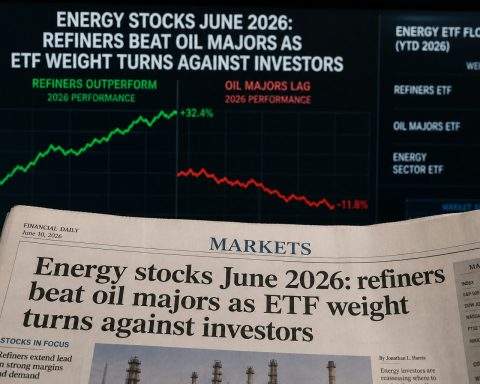
Renewed U.S.-Iran attacks around the Strait of Hormuz will dominate Monday’s open, but U.S. refiners look positioned to keep outperforming the broader energy sector. Valero Energy NYSE:VLO, Marathon Petroleum NYSE:MPC and Phillips 66 NYSE:PSX delivered a simple average gain of 6.0% between the July 2 and July 10 closes, compared with 3.5% for the Energy Select Sector SPDR Fund NYSEARCA:XLE. Yes, refiners can retain that lead—but only while gasoline and diesel prices continue to outrun their crude-oil costs.
That condition is unusually favourable. The U.S. 3-2-1 crack spread—a proxy for the gross margin from converting three barrels of crude into two of gasoline and one of diesel—hit a record $64.58 a barrel on July 8. Brent crude gained 5.9% from July 2 to Friday’s $76.01 settlement, meaning the refiner basket edged even the underlying commodity. The market is pricing a shortage of usable fuels, not merely a shortage of crude.
| Asset | July 2 close | July 10 close | Change |
|---|---|---|---|
| Phillips 66 | $176.42 | $188.36 | +6.8% |
| Marathon Petroleum | $266.35 | $283.74 | +6.5% |
| Valero Energy | $267.76 | $280.69 | +4.8% |
| Three-refiner average | — | — | +6.0% |
| Energy Select Sector SPDR | $53.22 | $55.08 | +3.5% |
| Brent crude | $71.80/barrel | $76.01/barrel | +5.9% |
Close-to-close price changes; dividends excluded.
The distinction matters because crude supplies have been recovering faster than refining capacity. The International Energy Agency said refined-product margins reached four-year highs in early July even as global refinery throughput remained 6 million barrels a day below the previous year’s level. More available crude can lower refiners’ input costs without immediately relieving shortages of gasoline, diesel and jet fuel.
U.S. inventory data reinforce that reading. Refineries operated at 95.8% of capacity in the week ended July 3, yet gasoline stocks fell by 1.9 million barrels and distillate inventories dropped by 5 million. Gasoline supplies stood 6% below their five-year seasonal average and distillates were 12% below. Inventories falling while plants are already running near full tilt suggest the shortage cannot be quickly solved by processing more crude.
Russia has added a second pressure point. Its diesel and gasoil loadings fell to 234,000 barrels a day during July 1–10, from 400,000 in June and an average of about 817,000 in 2025, after refinery damage and an export ban tightened global supply. Buyers seeking replacement cargoes could increase demand for fuel from U.S. Gulf Coast plants, supporting export prices and margins.
Monday’s trading could still challenge the refiner advantage. Washington said on Sunday that Hormuz remained open to commercial traffic and that U.S. forces were prepared to protect navigation, while Tehran said it had closed the waterway. A crude-price surge that is not matched by gasoline and diesel would raise refiners’ feedstock costs and compress margins; a stronger rise in products would extend their lead.
The first scheduled test comes with OPEC’s monthly market report on Monday. OPEC and its allies have already agreed to raise August production targets by 188,000 barrels a day, while Saudi Arabia cut its flagship Asian selling price sharply as Gulf supplies recovered. An outlook confirming further crude growth would weigh on production-focused energy shares but could preserve refiners’ lower-cost feedstock advantage.
Investors should then focus on Wednesday’s U.S. petroleum report at 10:30 a.m. Eastern time. Another crude-stock increase accompanied by falling gasoline or distillate supplies would be the most supportive combination for refiners: abundant raw material but scarce finished fuel. A broad product-inventory rebound, especially with utilisation staying high, would signal that the margin peak is passing.
The medium-term case is less one-sided. The U.S. Energy Information Administration expects tight gasoline inventories to keep refining margins elevated in the near term, but forecasts that rebuilding stocks and the end of summer driving demand will narrow them in the fourth quarter. Next week’s actionable indicator is therefore not whether crude rises or falls by itself, but whether the crack spread remains exceptionally wide.
Risks: A sustained reopening of Hormuz, a recovery in Russian fuel exports or demand destruction caused by high pump prices could rapidly compress product margins. The same would occur if crude jumps faster than finished fuels. After last week’s 6% average advance, refiner shares may also require continued inventory draws—not merely stable profits—to extend their gains.
Related articles: NYSE:VLO