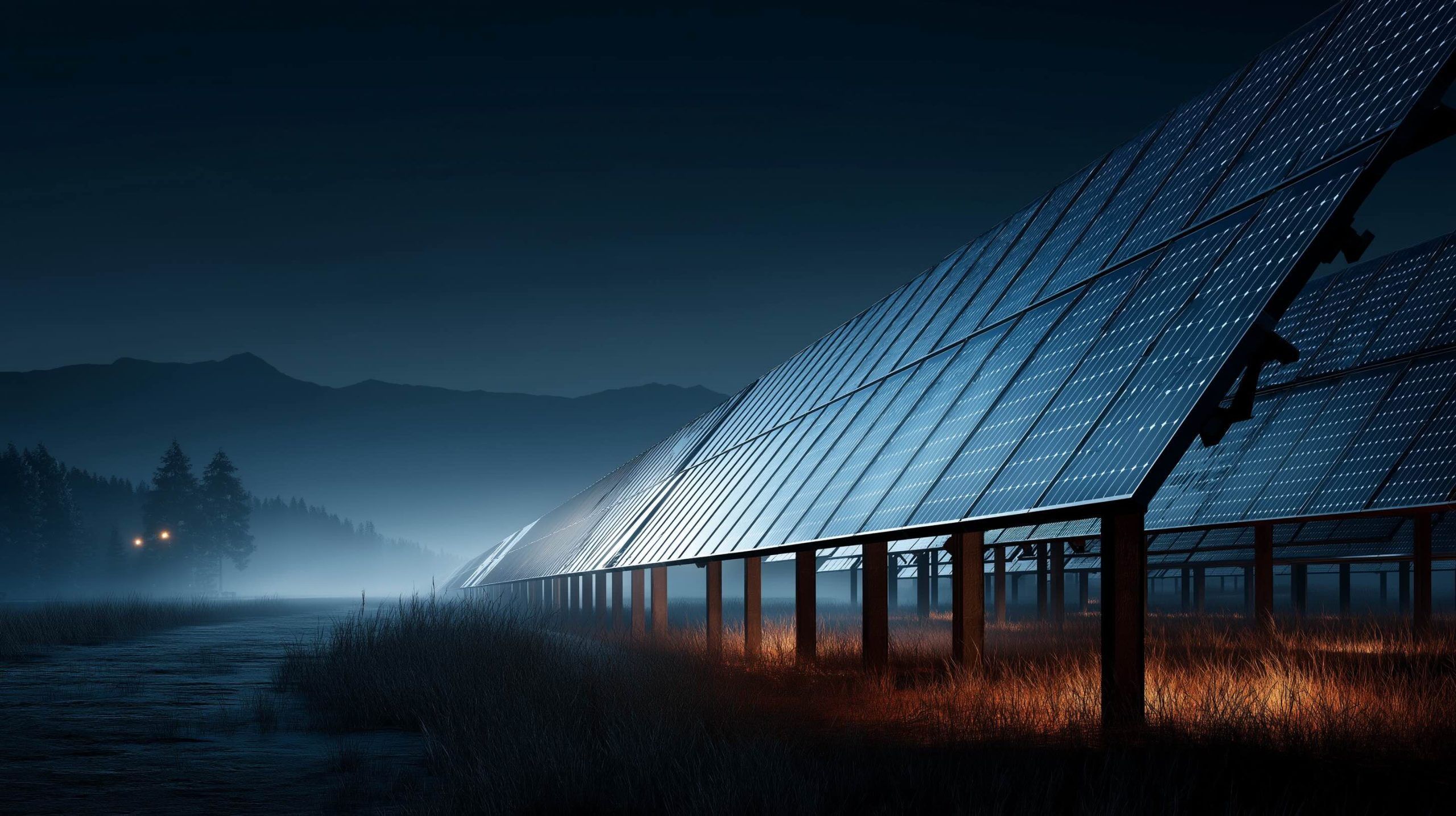
This New Solar Panel Tech Works Even at Night
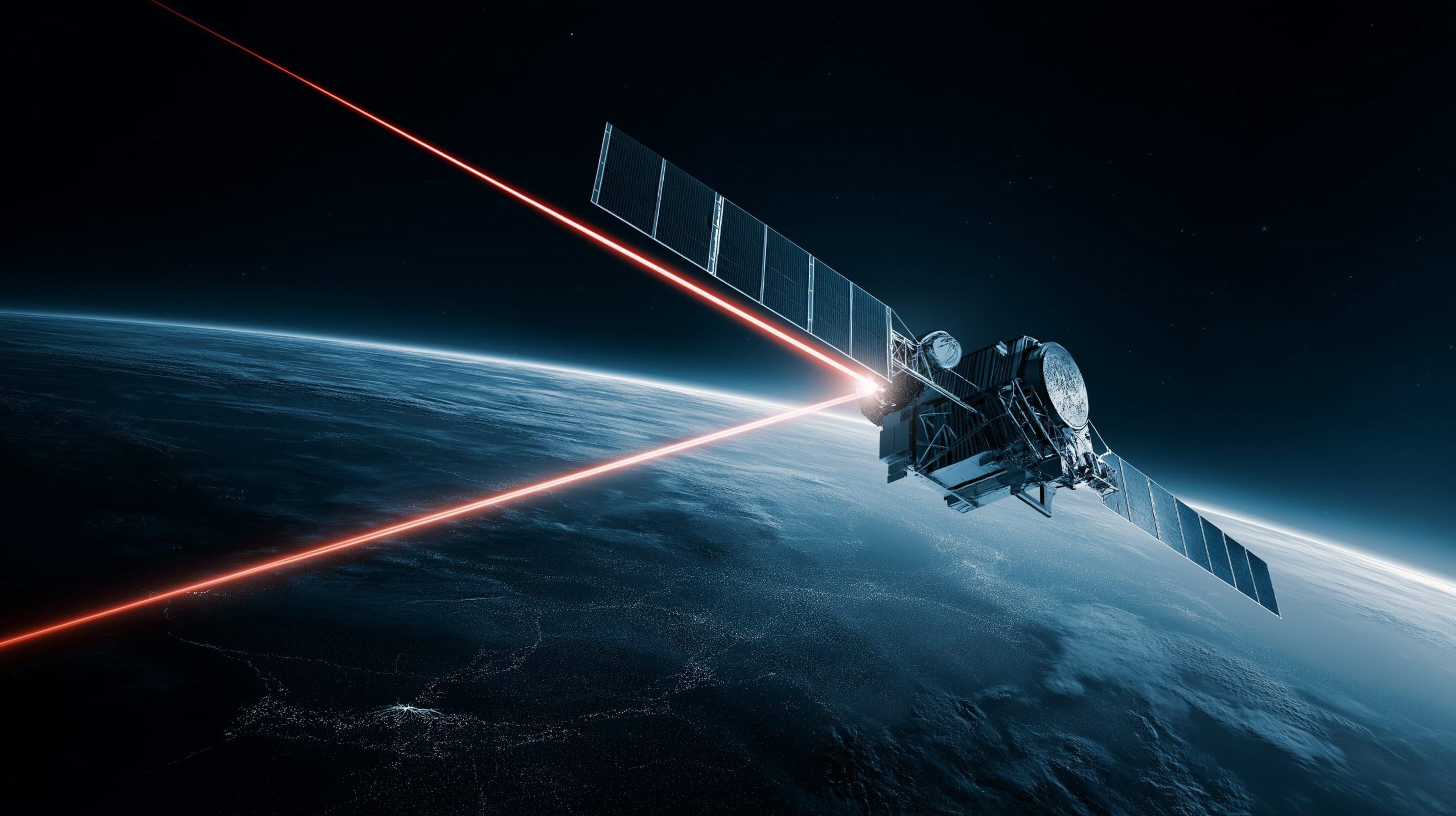
In 2022, UNSW Sydney generated nanowatt-scale power from a thermoradiative diode using HgCdTe, while Stanford retrofitted solar panels to achieve 50 mW/m² at night. By 2024, new materials pushed lab outputs toward tens of W/m², though real-world field data remain far lower and highly climate-dependent. A U.S. Air Force–funded UNSW project plans to test night-solar diodes in orbit by 2025–26.