Today: 3 July 2026

Marcin Frąckiewicz

Marcin Frąckiewicz is the founder and CEO of TS2 Space, a satellite communications company serving customers around the world. A graduate of the Warsaw School of Economics (SGH), he has more than two decades of experience in telecommunications, satellite services and technology ventures. He writes about satellite communications, space technology, artificial intelligence and the stock market, with a particular focus on technology companies, semiconductors, emerging industries and the trends shaping global innovation.

Hurricane Erin Intensifies as High-Tech Tools – from AI to Drones – Track Its Every Move

Hurricane Erin Intensifies as High-Tech Tools – from AI to Drones – Track Its Every Move

A First Hurricane with Major Potential: Hurricane Erin formed in the Atlantic in mid-August 2025 – the first hurricane of this year’s season fox26houston.com yaleclimateconnections.org. As of August 15, Erin was a Category 1 storm with sustained winds around 75 mph and a central pressure near 993 mb nhc.noaa.gov yaleclimateconnections.org. The cyclone is located hundreds of miles east of the northern Leeward Islands, tracking west-northwest at roughly 17–18 mph nhc.noaa.gov yaleclimateconnections.org. Forecasters expect Erin to rapidly intensify over abnormally warm Atlantic waters, likely becoming a major hurricane by the weekend and possibly peaking at Category 4 strength by early next week fox26houston.com yaleclimateconnections.org. Forecast Track: Fortunately, the consensus forecast shows Erin curving northward before directly striking land. The hurricane’s center should pass just north of the Leeward Islands, Virgin Islands, and Puerto Rico over the weekend nhc.noaa.gov. Tropical Storm Watches are in effect for parts of the northern Leewards as even a close pass could bring near-tropical-storm-force gusts and heavy rain to those islands nhc.noaa.gov yaleclimateconnections.org. By early next week, Erin is projected to arc north of the Caribbean and aim toward Bermuda, staying offshore of the U.S. mainland fox26houston.com fox26houston.com. A strong high-pressure ridge and an approaching frontal system
15 August 2025
Day Turns to Night: Everything You Need to Know About the Epic August 12, 2026 Total Solar Eclipse

Day Turns to Night: Everything You Need to Know About the Epic August 12, 2026 Total Solar Eclipse

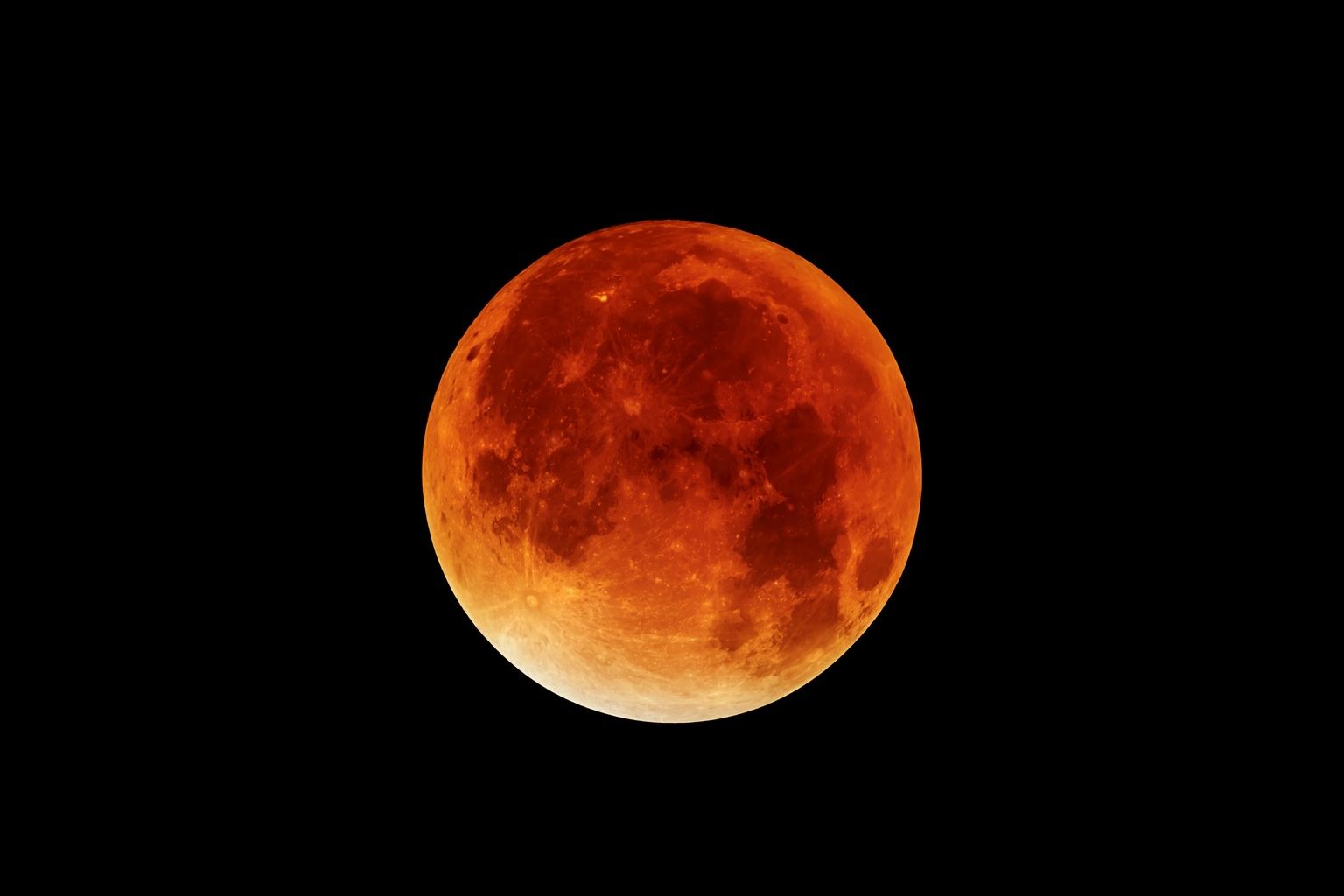
A total solar eclipse occurs when the Moon passes directly between Earth and the Sun and completely covers the Sun’s bright face en.wikipedia.org. During these rare moments, day turns to darkness along a narrow path on Earth, revealing the Sun’s faint corona as a shimmering halo around the Moon en.wikipedia.org nso.edu. The August 12, 2026 eclipse is especially noteworthy for several reasons. It will be the first total solar eclipse visible from mainland Europe in 27 years space.com, and the first to cross Spain in over a century en.wikipedia.org. It’s also the only total eclipse of the 21st century for Iceland, which hasn’t seen one since 1954 en.wikipedia.org. With a peak eclipse magnitude of 1.0386, the Moon will completely obscure the Sun at mid-eclipse en.wikipedia.org, bringing a brief celestial nightfall up to about 2 minutes and 18 seconds long at maximum space.com. In short, this eclipse is a once-in-a-generation spectacle for many regions – a cosmic event that “is not to be missed” by skywatchers space.com. Astronomically, the eclipse occurs when the Moon is near its closest point to Earth so its apparent diameter is large enough to cover the Sun fully en.wikipedia.org. The alignment on August 12, 2026 happens
15 August 2025
Putin–Trump Anchorage Summit: Secret Tech Deals, Cyber Power Plays, and the Arctic Icebreaker Gamble

Putin–Trump Anchorage Summit: Secret Tech Deals, Cyber Power Plays, and the Arctic Icebreaker Gamble

In mid-August 2025, U.S. President Donald Trump and Russian President Vladimir Putin met in Anchorage, Alaska, for high-stakes talks primarily aimed at ending the war in Ukraine reuters.com reuters.com. While the focus was on ceasefire negotiations, a range of technology-related issues loomed over the summit – both in official discussions and in the broader strategic context. These included cybersecurity concerns, nuclear arms control frameworks, Arctic infrastructure and communications, critical mineral supply chains, and warfighting technologies. This report examines each of these dimensions, drawing on recent news and expert commentary. Ever since Russia’s interference in the 2016 U.S. election, cybersecurity has been a fraught topic in U.S.-Russia relations. Notably, at Trump’s 2018 Helsinki meeting with Putin, Trump appeared to accept Putin’s denial of election meddling over U.S. intelligence conclusions abcnews.go.com. In the run-up to Anchorage 2025, there was concern about whether Trump would address issues like election interference, critical infrastructure hacking, or “red lines” in cyberspace. However, early signals from the Trump administration suggested a softening of stance on Russian cyber threats. In March 2025, a senior U.S. cyber diplomat pointedly omitted Russia from a list of major state cyber threats theguardian.com theguardian.com, a stark departure from previous U.S. assessments. This
15 August 2025
Galaxy S25 Ultra vs iPhone 16 Pro Max vs Pixel 9 Pro vs OnePlus 13 – The Ultimate 2025 Flagship Showdown

Samsung Galaxy S25 Ultra vs S25+ vs S25 – The Ultimate Flagship Showdown of 2025

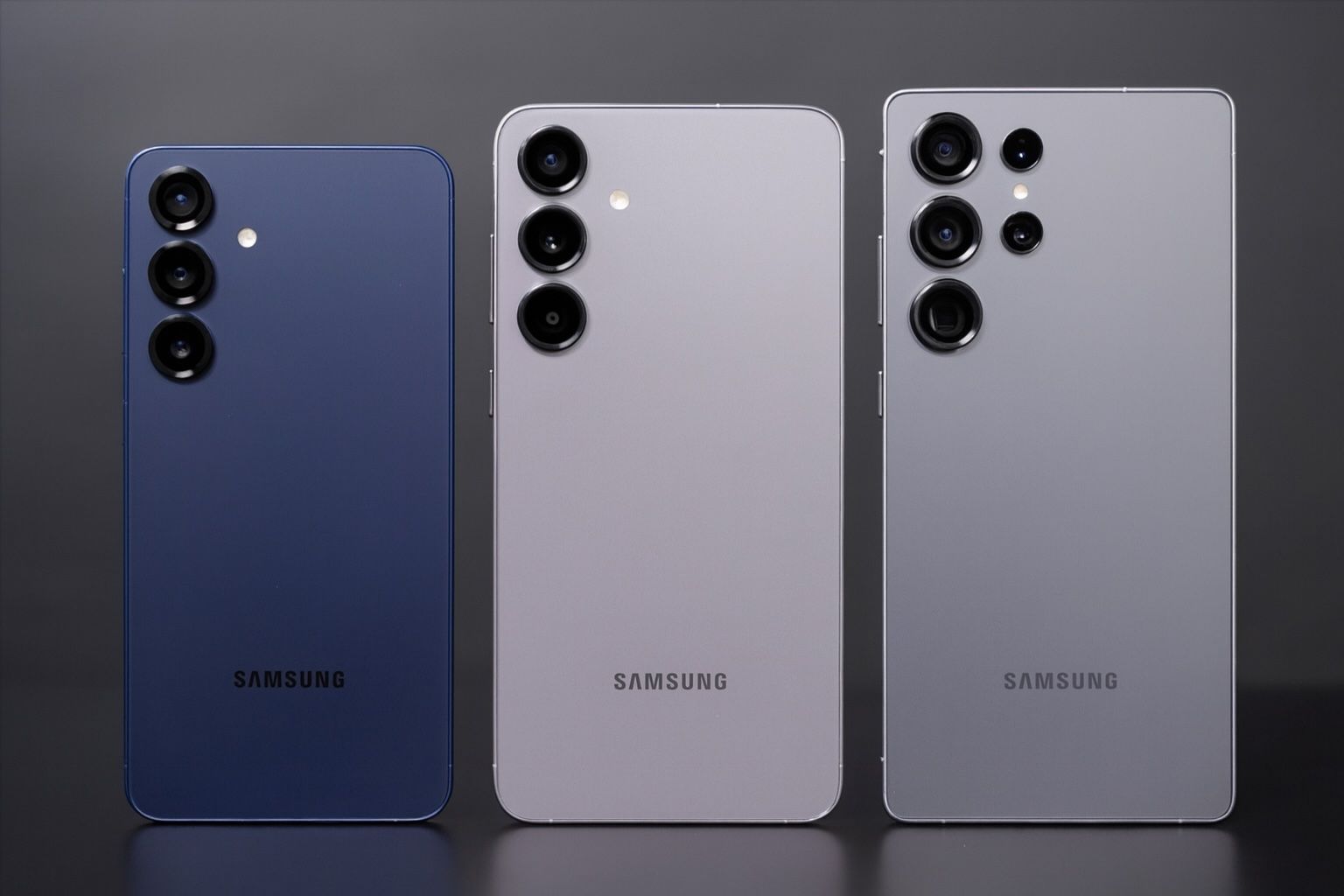
Samsung’s Galaxy S25 series is making waves with powerful specs, refined designs, and smart new features. The lineup – comprising the Galaxy S25 Ultra, Galaxy S25+, and Galaxy S25 – serves as the 2025 successors to last year’s S24 family en.wikipedia.org. These phones blend confirmed hardware upgrades with cutting-edge software and AI enhancements. Early hands-on reports describe the S25 generation as an iterative but meaningful step forward, with one reviewer noting that the S25 Ultra “comes with Qualcomm’s latest chipset, an upgraded ultrawide camera, and not much else, hardware-wise” and that it’s a “light refresh” of Samsung’s biggest phone – albeit one now heavily focused on AI features in One UI 7 theverge.com. In this comprehensive comparison, we’ll break down specifications, leaked features, camera upgrades, battery life, software details, pricing, and availability for the S25 Ultra, S25+, and S25. We’ll also include expert commentary, look at other upcoming Samsung models, highlight pros and cons of each device, and see how Samsung’s flagships stack up against key competitors like Apple’s iPhone 16 and Google’s Pixel 9. By the end, you’ll know exactly what each S25 model offers and which one is best suited for your needs. Samsung unveiled the Galaxy S25
15 August 2025
Redmi Note 14 Pro+ vs Pro vs Note 14: Ultimate 2025 Showdown – Specs, Prices & Surprises

Redmi Note 14 Pro+ vs Pro vs Note 14: Ultimate 2025 Showdown – Specs, Prices & Surprises

Xiaomi’s Redmi Note 14 series has set a new benchmark in the mid-range smartphone market with feature-packed hardware, AI-driven software, and aggressive pricing economictimes.indiatimes.com. The lineup includes the Redmi Note 14 Pro+, Redmi Note 14 Pro, and the standard Redmi Note 14, each targeting different segments while offering tremendous value. This comprehensive report compares these three models across all key aspects – from displays and processors to cameras and pricing – with up-to-date details as of August 2025. We’ll also include expert review insights, pros and cons, and a peek at upcoming Redmi releases. Screen Technology: All three phones sport a 6.67-inch AMOLED display with a smooth 120Hz refresh rate for fluid scrolling phonearena.com economictimes.indiatimes.com. The Pro and Pro+ models step up to a sharper “1.5K” resolution with peak brightness up to a blazing 3000 nits for superior outdoor visibility. The standard Note 14 sticks to Full HD+ with a still-bright ~2100 nit peak phonearena.com. Importantly, Redmi Note 14 Pro and Pro+ feature curved-edge displays for a more immersive, premium look neowin.net, whereas the Note 14 has a flat panel. All screens are HDR-capable and protected by tough glass: Gorilla Glass Victus 2 on the Pro/Pro+ and Gorilla Glass 5
15 August 2025
Ultimate Gaming Phone Showdown: Sony Xperia 1 VI vs Asus ROG Phone 9 vs RedMagic 9 Pro+

Ultimate Gaming Phone Showdown: Sony Xperia 1 VI vs Asus ROG Phone 9 vs RedMagic 9 Pro+

Three flagship phones are vying for dominance in 2025’s gaming and multimedia arena: Sony’s Xperia 1 VI, Asus’s ROG Phone 9, and Nubia’s RedMagic 9 Pro+. Each represents a distinct take on an elite Android handset – from Sony’s multimedia-focused design to Asus’s hardcore gaming machine and Nubia’s value-packed powerhouse. In this comprehensive comparison, we’ll break down display tech, performance benchmarks, gaming features, cameras, battery life, software, design, connectivity, price, and more. We’ll also highlight expert review quotes and the latest news or updates, plus peek at what’s coming next. By the end, you’ll have a clear picture of each phone’s pros and cons and which device emerges on top in this ultimate showdown. Sony Xperia 1 VI: Sony made a controversial shift in the Xperia 1 VI’s screen. Gone is the ultra-tall 21:9 4K panel of previous Xperias – the Mark VI uses a 6.5-inch OLED with a 19.5:9 aspect ratio at 1080×2340 resolution. While that’s a downgrade in pixel count on paper, it brings major practical benefits: the new display is about 50% brighter than the Xperia 1 V’s screen and can dynamically scale from 1Hz up to 120Hz for smoothness or battery savings phonearena.com. The shift to
The Ultimate 2025 iPhone Showdown: Every Current Model Compared (and What’s Next)

Comparison Report: iPhone 16 vs. iPhone 16 Pro vs. iPhone 16 Pro Max

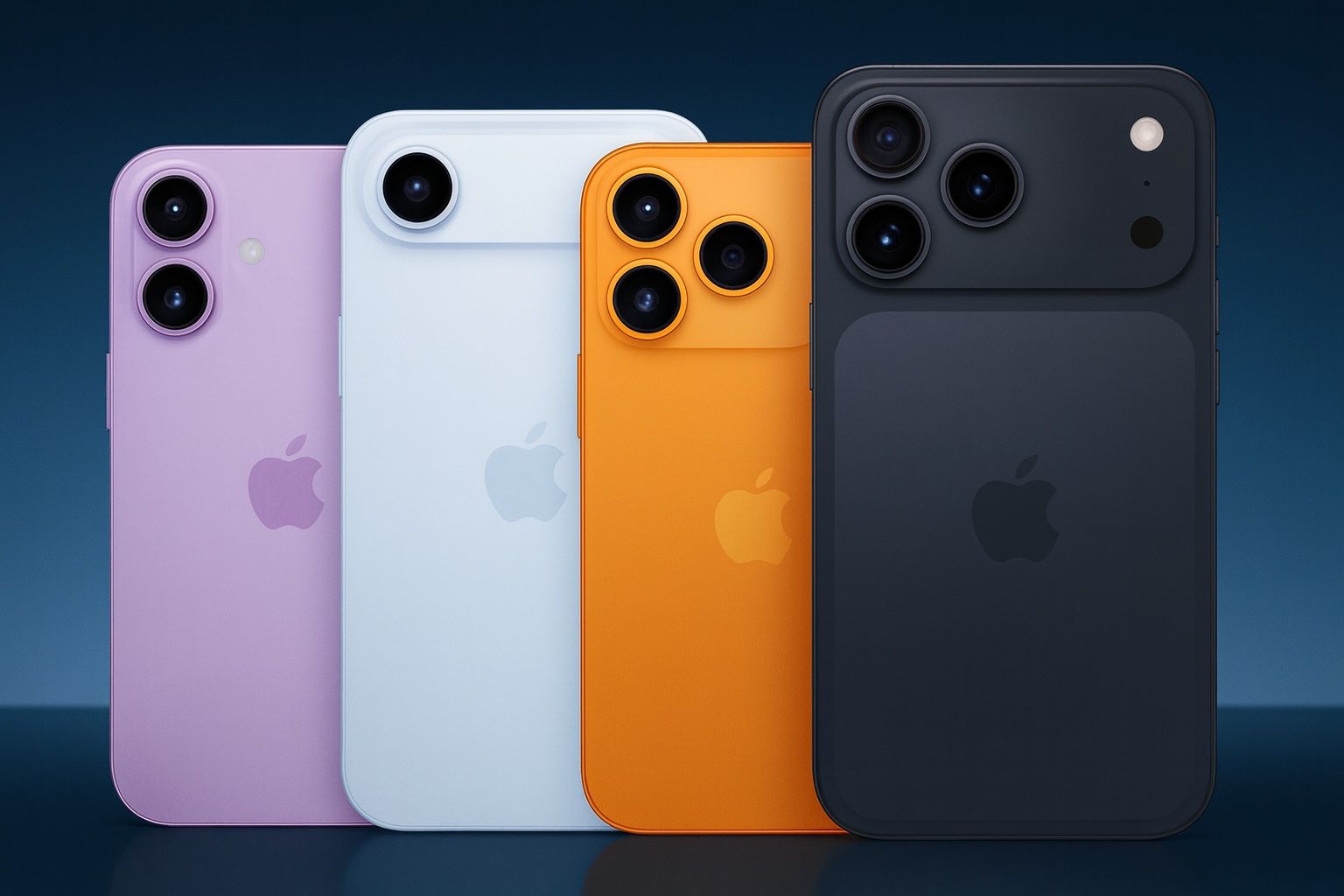
The iPhone 16 and 16 Plus feature a sturdy aerospace-grade aluminum frame with color-infused glass backs, available in five vibrant colors: Black, White, Pink, Teal, and Ultramarine apple.com en.wikipedia.org. In contrast, the iPhone 16 Pro and Pro Max boast a premium Grade 5 titanium chassis with a refined micro-blasted texture, offering one of the highest strength-to-weight ratios for durability while keeping weight low apple.com. The Pros come in four matte metallic finishes: Natural, Black, White, and a new desert-inspired Desert Titanium apple.com en.wikipedia.org. This titanium build makes the Pro models feel both strong and light, whereas the aluminum iPhone 16 has a slightly more conventional heft. In terms of dimensions, the Pro Max is the largest iPhone ever, with a 6.9‑inch display, while the standard iPhone 16 sticks to 6.1 inches apple.com apple.com. Thanks to ultra-thin display bezels, the Pro models manage these larger screens without an unwieldy increase in body size en.wikipedia.org. The iPhone 16 Pro measures 149.6×71.5×8.25 mm and 199 g, and the Pro Max 163.0×77.6×8.25 mm and 227 g en.wikipedia.org. For comparison, the aluminum iPhone 16 is lighter at 170 g en.wikipedia.org, which some users appreciate for its hand-feel. All models maintain rounded edges and a durable
Flagship Face-Off 2025: OnePlus 13 Pro vs Xiaomi 15 Pro vs Realme GT7 Pro

Flagship Face-Off 2025: OnePlus 13 Pro vs Xiaomi 15 Pro vs Realme GT7 Pro

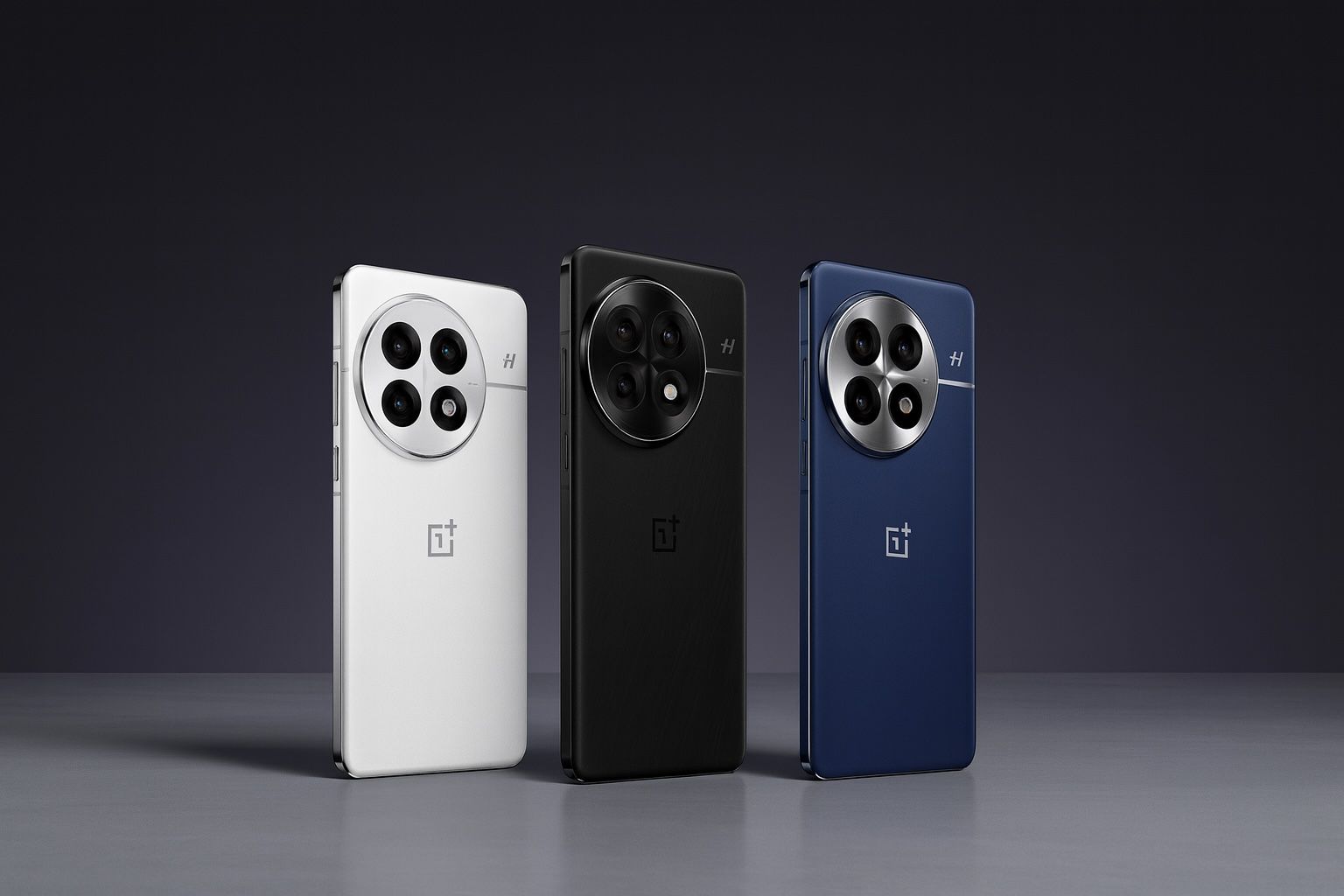
OnePlus 13 Pro: OnePlus delivers a bold redesign with premium materials. It features an aluminum alloy frame and is offered in distinct finishes – Midnight Ocean and Arctic Dawn among others Oneplus Oneplus. The camera module is now a separate circular island centered on the back, housing a Hasselblad-branded triple-lens system. Despite packing a huge battery, the OnePlus 13 Pro remains relatively sleek at ~8.5 mm thin and ~210 g in weight Oneplus. Impressively, it’s the first OnePlus with dual IP ratings for dust/water resistance Oneplus, meaning it can withstand submersion and even high-pressure water jets. OnePlus also retained its signature alert slider on the side for quick sound profile toggling Oneplus. Overall, the 13 Pro’s design balances durability and luxury – from the tough Ceramic Guard glass up front to the subtle curves of its nearly bezel-free 6.82-inch display ts2.tech ts2.tech. Xiaomi 15 Pro: Xiaomi’s flagship exudes a refined, modern aesthetic with a touch of Leica-inspired flair. It sports a slim metal frame and Gorilla/Dragontrail-type glass for protection ts2.tech Techadvisor. The 6.73-inch screen has micro-curved edges – a gentle 3D curvature for a nearly borderless look without drastic “waterfall” sides ts2.tech. Xiaomi has achieved ultra-narrow bezels around the display,
Mirrorless Titans Showdown: Canon EOS R3 vs Nikon Z9 vs Sony A1 Mark II – Which Pro Camera Reigns Supreme in 2025?

Mirrorless Titans Showdown: Canon EOS R3 vs Nikon Z9 vs Sony A1 Mark II – Which Pro Camera Reigns Supreme in 2025?

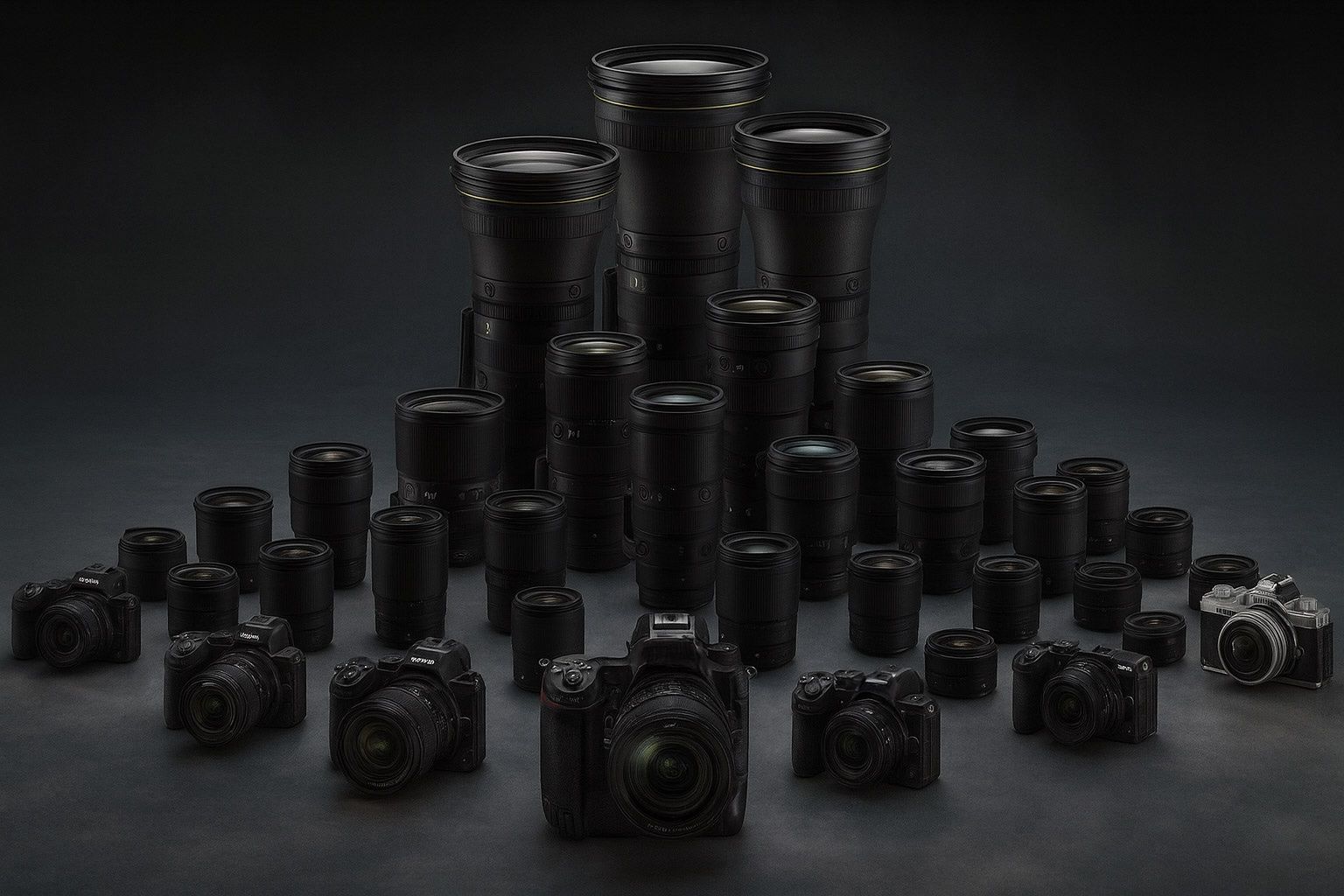
In the realm of professional mirrorless cameras, three flagship models dominate the conversation in 2025: Canon’s EOS R3, Nikon’s Z9, and Sony’s Alpha 1 Mark II. These “mirrorless titans” are built for speed, power, and versatility, targeting sports shooters, wildlife photographers, and high-end content creators. Each brings cutting-edge technology – from ultra-fast stacked sensors to advanced AI autofocus – in a rugged package designed for professionals. In this comprehensive comparison, we’ll dive into photography performance, video capabilities, autofocus prowess, burst speed, ergonomics, durability, battery life, connectivity, and lens ecosystems. We’ll also examine how each camera shines in real-world use cases like sports, wildlife, weddings, studio, and landscape work. Along the way, we include insights from expert reviews and recent firmware updates, plus a peek at future developments that are on the horizon. Let’s see which of these flagship cameras comes out on top – and more importantly, which one might be the best fit for your professional needs. Canon EOS R3: The R3 uses a 24.1-megapixel stacked CMOS sensor – notably lower resolution than its rivals. While 24MP may seem modest, this sensor delivers excellent image quality with “lots of fine detail, excellent colors” and superb high ISO performance imaging-resource.com.
15 August 2025
Battle of the Hybrid Cinema Cameras: Sony FX3 vs Canon EOS R5 C vs Panasonic Lumix GH7 – Which Cinematic Powerhouse Reigns Supreme in 2025?

Battle of the Hybrid Cinema Cameras: Sony FX3 vs Canon EOS R5 C vs Panasonic Lumix GH7 – Which Cinematic Powerhouse Reigns Supreme in 2025?

In the ever-evolving world of mirrorless cameras, three models have risen as top choices for hybrid shooters and indie filmmakers alike: Sony’s FX3, Canon’s EOS R5 C, and Panasonic’s Lumix GH7. Each camera blurs the line between professional video and high-end photography, promising cinema-quality footage alongside still-photo prowess. In this comprehensive comparison, we’ll dissect how these three cinema-centric cameras stack up across all major categories – from video quality and dynamic range to autofocus, stabilization, battery endurance, lens ecosystems, and more. We’ll also include insights from industry experts and recent firmware updates and even peek at rumors of what’s next. By the end, you’ll have a clear picture of each camera’s strengths, weaknesses, value for money, and ideal use cases. When it comes to video capabilities, all three cameras are built for serious shooters, but they take different approaches:
Canon 90D vs Nikon D7500 vs Sony A6600: 2025 Ultimate APS-C Camera Showdown

Canon 90D vs Nikon D7500 vs Sony A6600: 2025 Ultimate APS-C Camera Showdown

Can a mid-range DSLR from 2019 still hold its own against a modern mirrorless? In this comprehensive comparison, we pit the Canon EOS 90D, Nikon D7500, and Sony A6600 against each other across image quality, autofocus, burst shooting, video prowess, stabilization, ergonomics, lenses, battery life, and more. All three are highly regarded APS-C cameras aimed at enthusiast photographers, but they represent two worlds – the Canon and Nikon are DSLRs, while the Sony is a mirrorless. As of August 2025, we’ll also examine recent developments and what experts say about each. Let’s dive into the shootout and see which camera offers the best value today. When it comes to sensor specs, these cameras take different approaches. The Canon 90D boasts a 32.5 megapixel APS-C sensor – the highest resolution ever in a Canon crop DSLR. This yields exceptional fine detail capture and flexibility for cropping or large prints. At low ISOs, 90D images show “lots of detail, pleasing colors and decent dynamic range”. However, Canon equipped it with an optical low-pass filter to prevent moiré, which means not all that resolution translates into detail – “we just don’t see as much resolution…as we’d hoped”, notes Imaging-Resource. Also, cramming 32.5MP on
Mirrorless Battle 2025: Panasonic S5 II vs Fujifilm X-T5 vs Nikon Z7 II – Which Camera Reigns Supreme?

Mirrorless Battle 2025: Panasonic S5 II vs Fujifilm X-T5 vs Nikon Z7 II – Which Camera Reigns Supreme?

The Panasonic Lumix S5 II, Fujifilm X-T5, and Nikon Z7 II represent three powerhouse mirrorless cameras targeting enthusiasts and professionals. Each brings distinct strengths: the S5 II and Z7 II offer the full-frame advantage, while the X-T5 punches above its weight with a high-resolution APS-C sensor. In this comprehensive showdown, we’ll break down specs, features, real-world performance in photo and video, and what experts and users are saying. By mid-2025, all three models have matured with firmware updates, price drops, and robust lens ecosystems – but also face rumors of successors on the horizon. Let’s dive into how they compare in image quality, autofocus, stabilization, lenses, battery life, ergonomics, and price, and see which might be the best fit for your needs. One of the most fundamental differences in this trio is sensor size: the Panasonic S5 II and Nikon Z7 II have full-frame sensors, while the Fujifilm X-T5 has an APS-C sensor. How does this affect your photography?
15 August 2025
Astro Photography Showdown: Sony A7S III vs Canon EOS R5 vs Nikon Z6 II – Which Full-Frame Mirrorless Rules the Night Sky?

Astro Photography Showdown: Sony A7S III vs Canon EOS R5 vs Nikon Z6 II – Which Full-Frame Mirrorless Rules the Night Sky?

Astrophotography demands exceptional low-light performance, and three full-frame mirrorless contenders often top the list: Sony’s Alpha 7S III, Canon’s EOS R5, and Nikon’s Z6 II. Each brings a unique blend of sensor technology, ISO prowess, and features tailored to capturing the night sky. The Sony A7S III is famed for its ultra-sensitive 12MP sensor that excels in low light, the Canon R5 boasts a high-resolution 45MP sensor and advanced tech without the dreaded “star-eater” issue, and Nikon’s Z6 II has earned a reputation as a best-value astro workhorse. Below, we’ll compare these cameras across all the aspects that matter for night sky photography – from ISO noise and long exposures to lens ecosystems and field usability – drawing on the latest 2024–2025 expert reviews and real astrophotographer experiences. To kick things off, here’s a quick spec and price comparison of the trio:
15 August 2025
Battle for the Final Frontier: Space Tourism Face-Off — Blue Origin vs SpaceX vs Virgin Galactic

Battle for the Final Frontier: Space Tourism Face-Off — Blue Origin vs SpaceX vs Virgin Galactic

Space tourism has rapidly shifted from science fiction to reality, capturing public imagination and investor attention. As we head through 2024 and into 2025, growing public interest and significant investment are propelling space tourism to the forefront of future travel trends simplevisa.com. What was once a billionaire’s race in 2021 has evolved into a nascent industry with multiple players offering trips beyond Earth’s atmosphere. The first private space tourist flew to the International Space Station back in 2001, and since then around 60 civilians have traveled to space euronews.com. Now, thanks to companies like Blue Origin, SpaceX, and Virgin Galactic, more people than ever – including retirees, celebrities, and ordinary citizens – are experiencing a few moments of weightlessness or even orbiting Earth. Space vacations remain the domain of the ultra-wealthy today, but each successful mission is a step toward broader accessibility. In this comprehensive report, we compare the space tourism services of Blue Origin, SpaceX, and Virgin Galactic across all key dimensions, from vehicles and flight profiles to pricing, safety, and the latest developments as of August 2025. Blue Origin was founded in 2000 by Amazon billionaire Jeff Bezos with a long-term vision of enabling millions of people to
15 August 2025
Wi-Fi 7 Showdown: ASUS ROG Rapture GT-BE98 Pro vs Netgear Orbi 970 vs TP-Link Archer BE900

Wi-Fi 7 Showdown: ASUS ROG Rapture GT-BE98 Pro vs Netgear Orbi 970 vs TP-Link Archer BE900

The latest generation of Wi-Fi 7 routers has arrived, promising multi-gigabit wireless speeds and cutting-edge features for home networks. Three flagship contenders leading the charge are the ASUS ROG Rapture GT-BE98 Pro, the Netgear Orbi 970, and the TP-Link Archer BE900. Each represents a top-tier offering from its brand – from Asus’s gamer-focused powerhouse, to Netgear’s ultra-fast mesh system, to TP-Link’s feature-packed router with futuristic design. In this comprehensive comparison, we’ll dive deep into their technical specs, real-world performance, use cases, design, security features, ease of use, pricing, and more. Which Wi-Fi 7 titan reigns supreme? Let’s find out. All three devices are Wi-Fi 7 routers bristling with high-end hardware, but they take different approaches:
15 August 2025
3D Generative AI Showdown: OpenAI Shap-E 2 vs Google’s AI Shopping View vs NVIDIA Picasso Edify

3D Generative AI Showdown: OpenAI Shap-E 2 vs Google’s AI Shopping View vs NVIDIA Picasso Edify

The world of 3D generative AI is heating up, with tech giants rolling out models and platforms that can conjure three-dimensional content from simple inputs. In this report, we compare three leading approaches: OpenAI’s Shap-E 2, Google’s new 3D Shopping View, and NVIDIA’s Picasso Edify platform. We’ll break down what each one is, how they work, and where they shine: In the sections below, we’ll delve deeper into each solution’s architecture, capabilities, use cases, user experience, performance, ecosystem integration, and how you can access them – complete with expert quotes and the latest news as of August 2025.
Sky-High Carbon Removal Showdown: Climeworks Gen 2 vs. Heirloom Limestone vs. Carbon Engineering’s AIR2 DAC

Sky-High Carbon Removal Showdown: Climeworks Gen 2 vs. Heirloom Limestone vs. Carbon Engineering’s AIR2 DAC

Direct air capture has emerged as a bold technology to suck CO₂ from the sky and help reverse climate change. In 2025, three frontrunners – Climeworks, Heirloom, and Carbon Engineering – are racing to scale DAC with very different approaches. Each company’s system has unique technical designs, energy needs, costs, and partners shaping its path. This report provides an in-depth comparison of Climeworks’ Generation 2 modular DAC system, Heirloom’s limestone-based DAC process, and Carbon Engineering’s AIR2 contactor. We’ll dissect how they capture CO₂, their efficiency and energy requirements, how easily they scale up, land and material needs, cost per ton, deployment status, business models, and what’s coming next. Why these three? Climeworks of Switzerland opened the world’s first commercial DAC plant and champions a modular, solid-sorbent design. Heirloom, a U.S. startup, uses the natural power of limestone to capture CO₂, claiming a low-cost path by accelerating mineralization Heirloomcarbon Heirloomcarbon. Canada’s Carbon Engineering pioneered a liquid-solvent DAC system and is behind some of the largest planned CO₂ removal projects Ieee Oxy. All have attracted major investments and customers betting on DAC as a climate solution.
14 August 2025
All the Ways You Can Go to Space: Commercial, Government, and Emerging Opportunities

All the Ways You Can Go to Space: Commercial, Government, and Emerging Opportunities

Spaceflight is no longer reserved for a select few government-trained astronauts. In 2025, a new era of space travel is unfolding, offering multiple pathways for ordinary people – not just career astronauts – to reach the stars. Fewer than 700 humans have ever traveled to space in the past six decades press.virgingalactic.com, but that number is poised to grow rapidly as commercial space tourism, private astronaut missions, and international programs open the final frontier to more participants than ever before. “We’re here to make space more accessible to all. Welcome to the dawn of a new space age,” announced Virgin Galactic founder Richard Branson after flying to space himself thehansindia.com. From suborbital joyrides that give you a few minutes of weightlessness, to orbital excursions lasting days or weeks, all the way to upcoming lunar trips, here’s an in-depth guide to every way you can go to space – including how to qualify, how much it costs, and what to expect on your journey. One of the most exciting developments is commercial space tourism – in which private companies fly paying customers on rockets or spaceplanes. Several firms have now demonstrated the capability to take civilians above the atmosphere for an
360° Drone Showdown: Insta360 Antigravity A1 vs DJI’s 360 Drone vs HoverAir X1 ProMax

360° Drone Showdown: Insta360 Antigravity A1 vs DJI’s 360 Drone vs HoverAir X1 ProMax

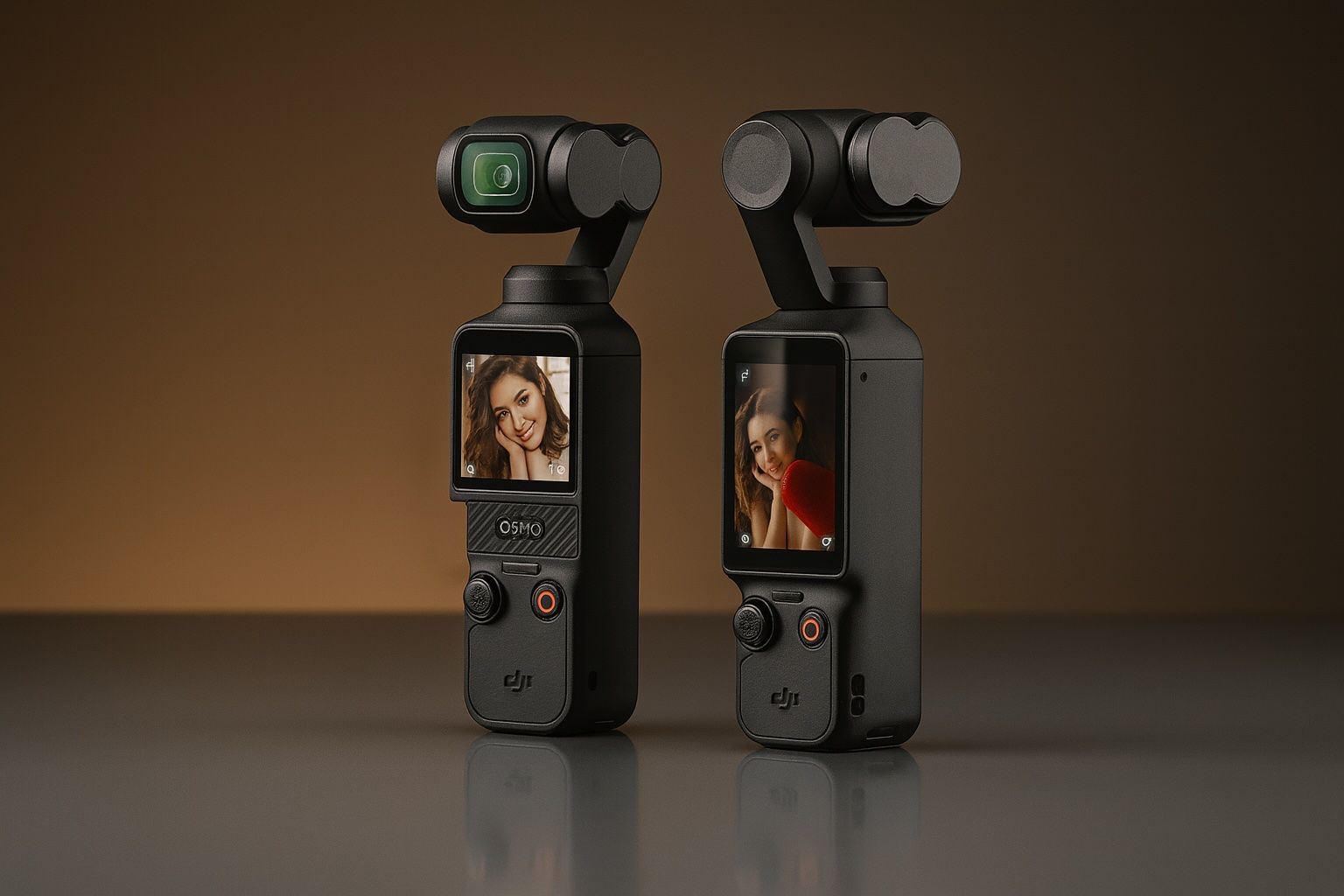
The drone world is buzzing with a new 360° aerial trend. Insta360’s Antigravity A1 has been unveiled as the world’s first drone with a built-in 360° camera, and DJI is rumored to be prepping its first 360° camera drone to compete techradar.com notebookcheck.net. Meanwhile, ZeroZero Robotics’ HoverAir X1 ProMax offers an ultra-portable self-flying camera that shoots in 8K. This report compares these three models in-depth – covering their specs, camera capabilities, stabilization, battery life, flight performance, AI/autonomy, portability, durability, use cases, pricing, and the latest news. “It feels like Antigravity might have just unlocked a whole new category of drone.” – Sean Hollister, The Verge theverge.com. The A1’s groundbreaking design has spurred DJI and others to eye 360° drones, setting the stage for a 360° drone showdown. Below, we break down what each drone brings to the table and how they stack up.
14 August 2025
AI Music Showdown: Suno v4 vs Udio v1.1 vs DeepMind’s Lyria 2 – Which Hits the Right Notes?

AI Music Showdown: Suno v4 vs Udio v1.1 vs DeepMind’s Lyria 2 – Which Hits the Right Notes?

AI is no longer just generating pictures and text – it’s now composing full songs at the click of a button. Three cutting-edge models are leading this revolution: Suno v4, Udio v1.1, and Google DeepMind’s Lyria 2. Each promises to turn simple prompts into studio-quality music, complete with instruments and vocals. In this report, we’ll compare these AI music generators head-to-head, covering who built them, how they work, what creative control they give, and the buzz they’ve stirred in the music world as of August 2025. Let’s meet the contenders and see which one hits the high notes. Origin: Suno is a Cambridge, MA-based startup founded in 2022 by a team of musicians and AI experts led by CEO Mikey Shulman. After launching to the public in late 2023, Suno rapidly grew to millions of users and attracted major funding musicbusinessworldwide.com. It’s considered one of the two most impressive AI music tools available.
1 354 355 356 357 358 398

Stock Market Today

  • Satsuma Technology PLC Stresses 'Vote Against' Stance on Capital Return, Delisting Plan
    July 3, 2026, 8:30 AM EDT. Satsuma Technology PLC (SATS) told shareholders to vote against the plan to return capital and delist from the London Stock Exchange. The board moved to clear up confusion after a circular sent on June 24, 2026. Directors said the outcome will depend on where Bitcoin is trading at the time the company sells assets and if the court signs off. Updated payout figures now use a lower Bitcoin price-$59,923 instead of $64,255-and add in £3 million of estimated extra cash. Satsuma said it will stick to cash discipline and send monthly updates. The board flagged ongoing volatility and unknown termination costs that could hit the final amount returned.
Go toTop