Today: 3 April 2026

Marcin Frąckiewicz

CEO of TS2 Space and founder of TS2.tech. Expert in satellites, telecommunications, and emerging technologies, covering trends in space, AI, and connectivity.

Importing Drones to Ukraine – A Comprehensive Overview

Importing Drones to Ukraine – A Comprehensive Overview

Ukraine abolished VAT and import duties on drones and related equipment in February 2023, extending exemptions through at least January 2025. International UAV shipments are fully exempt from customs duties and VAT under the "235 Preference." DJI halted direct sales to Ukraine in 2022, forcing buyers to use third-country routes. Domestic drone production reportedly reached up to 150,000 units per month in 2023–2024.

13 June 2025
The 2025 Generative AI Rulebook: How New Laws Are Re-Wiring Innovation—And What’s Coming Next (AI Policy Report)

The 2025 Generative AI Rulebook: How New Laws Are Re-Wiring Innovation—And What’s Coming Next (AI Policy Report)

The EU’s AI Act took effect in August 2024, banning “unacceptable-risk” systems from February 2025 and imposing new rules on general-purpose models by August 2025. The U.S. is using executive orders and agency rules as Congress remains deadlocked. China is enforcing stricter real-name registration and security reviews for generative AI. The U.K. and others rely on sector regulators and safety-testing platforms.
Generative AI Ethics Unveiled: Global Challenges, Case Studies, and the Race for Responsible AI

Generative AI Ethics Unveiled: Global Challenges, Case Studies, and the Race for Responsible AI

The European Union finalized the AI Act in 2024, mandating risk-based rules and transparency for high-risk systems by 2026. China began enforcing registration and labeling rules for generative AI in August 2023, with over 1,400 algorithms registered by mid-2024. The U.S. lacks a federal AI law, relying on voluntary guidelines and sector-specific measures. Major tech firms pledged voluntary safety commitments in July 2023.
AI vs Hackers: The Cybersecurity Revolution Reshaping Digital Defense

AI vs Hackers: The Cybersecurity Revolution Reshaping Digital Defense

Phishing email volumes jumped 1,265% after generative AI became widely available in late 2022. Over 70% of large firms plan to invest in AI-driven security tools by 2027. Criminals used AI voice cloning in a $35 million deepfake scam in the UAE in 2020. The EU AI Act, imposing stricter rules for high-risk AI, is set to fully apply by 2025–2026.
Generative AI Revolution: 2025 Breakthroughs, Industry Disruption, and Predictions Through 2035

Generative AI Revolution: 2025 Breakthroughs, Industry Disruption, and Predictions Through 2035

OpenAI launched GPT-4.5 “Orion” on February 27, 2025, its largest model yet. Google, Meta, Anthropic, and Amazon also released new AI systems in early 2025, including Gemini 2.5, Llama 4, Claude 3.7, and Amazon Nova. The global generative AI market is projected to hit $32 billion in 2025, with over 78% of organizations using AI. The EU AI Act’s GPAI rules start applying in August 2025.
Ukraine’s Telecom Revolution: 2025 Market Outlook and Strategic Insights

Ukraine’s Telecom Revolution: 2025 Market Outlook and Strategic Insights

A missile strike hit Kyiv TV Tower in March 2022, knocking major broadcasts off air and causing outages with about 500 mobile base stations offline. By October 2022, operators restored over 1,200 base stations in liberated areas. In October 2024, a Xavier Niel–led consortium acquired and merged Lifecell with Datagroup-Volia for $600 million. Ukraine’s 2023 spectrum auctions raised ₴2.9 billion for mobile broadband expansion.
Artificial Intelligence in Satellite and Space Systems

Artificial Intelligence in Satellite and Space Systems

In 2013, JAXA’s Epsilon rocket became the first AI-enabled launch vehicle, cutting launch prep from months to days. NASA’s Perseverance rover used AutoNav in 2021 to drive up to five times faster than Curiosity. ESA’s Φ-sat-2 CubeSat, launched in 2024, carries six onboard AI apps and can upload new models after launch. SpaceX’s Starlink satellites now autonomously dodge debris using onboard sensors.
Telecommunications Infrastructure in Ukraine (2022–2025): Destruction and Resilience

Telecommunications Infrastructure in Ukraine (2022–2025): Destruction and Resilience

Russian attacks since 2022 have destroyed thousands of Ukraine’s cellular towers, severed fiber-optic lines, and knocked out over a quarter of fixed broadband. At least 18 major TV and radio masts, including the Kyiv and Kharkiv TV towers, were hit by missiles. A cyberattack on February 24, 2022, disabled Viasat’s KA-SAT satellite network. Data centers and telecom hubs have been looted, bombed, or sabotaged in combat zones.
10 June 2025
Starlink Global Coverage and Availability Report

Starlink Global Coverage and Availability Report

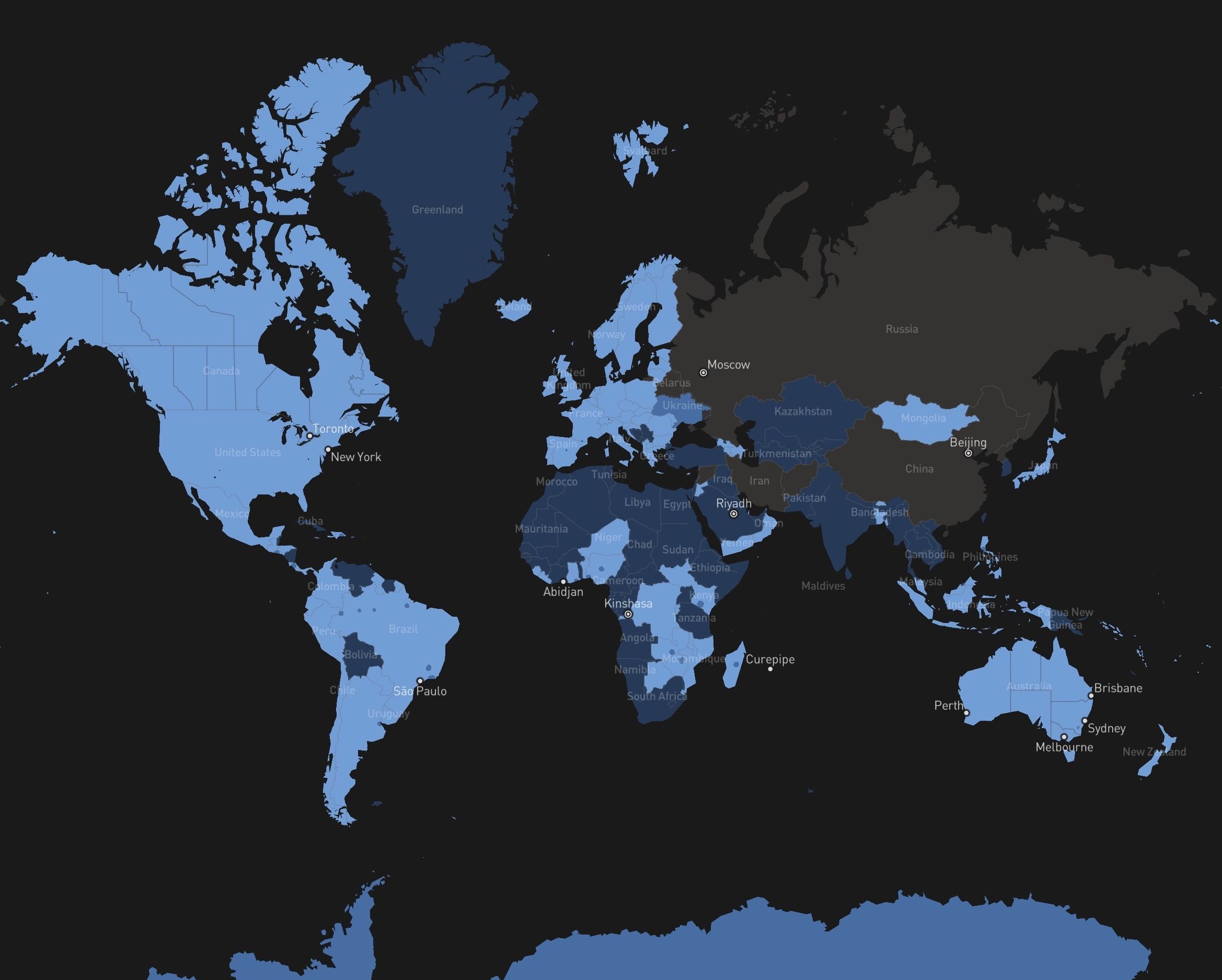
Starlink is available in over 110 countries and territories as of mid-2025, with more than 2.5 million U.S. subscribers and full coverage including Puerto Rico and the U.S. Virgin Islands. Canada, Mexico, the Bahamas, the UK, Japan, Nigeria, Australia, and Ukraine have launched service since 2021, with notable use in rural areas and emergency situations.
7 June 2025
fldksafljads

Satellite Phones: Comprehensive Global FAQ

Iridium operates 66 LEO satellites at 780 km, offering true global coverage and 0.1–0.2 second latency; its Extreme 9575 handset costs about $1,400. Inmarsat uses 3–4 GEO satellites for near-global service, with IsatPhone 2 priced around $1,000. Thuraya covers 160 countries with two GEO satellites; XT-LITE costs $650. Several countries, including China and India, ban or restrict satphones.
Starlink Satellite Internet FAQ

Starlink Satellite Internet FAQ

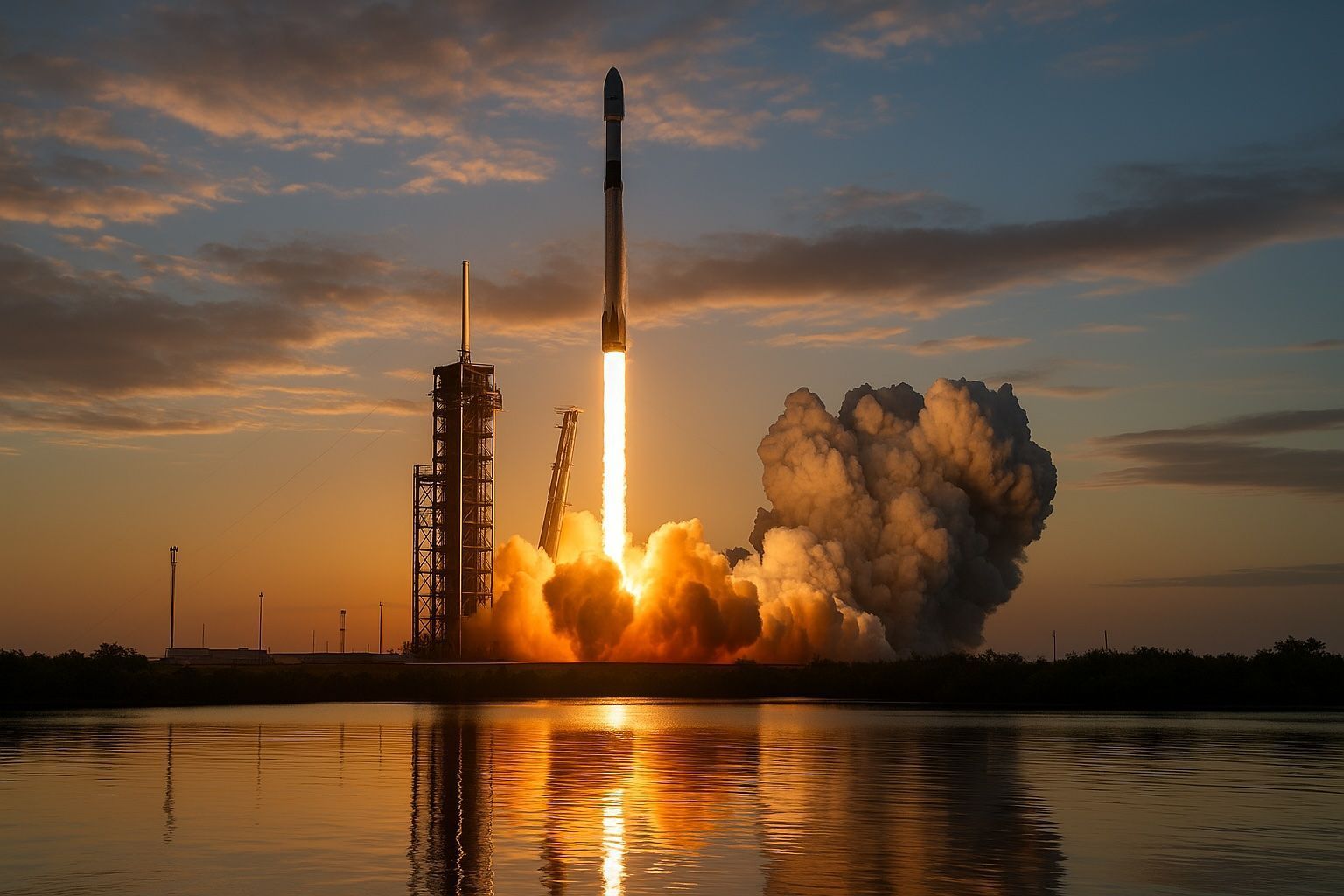
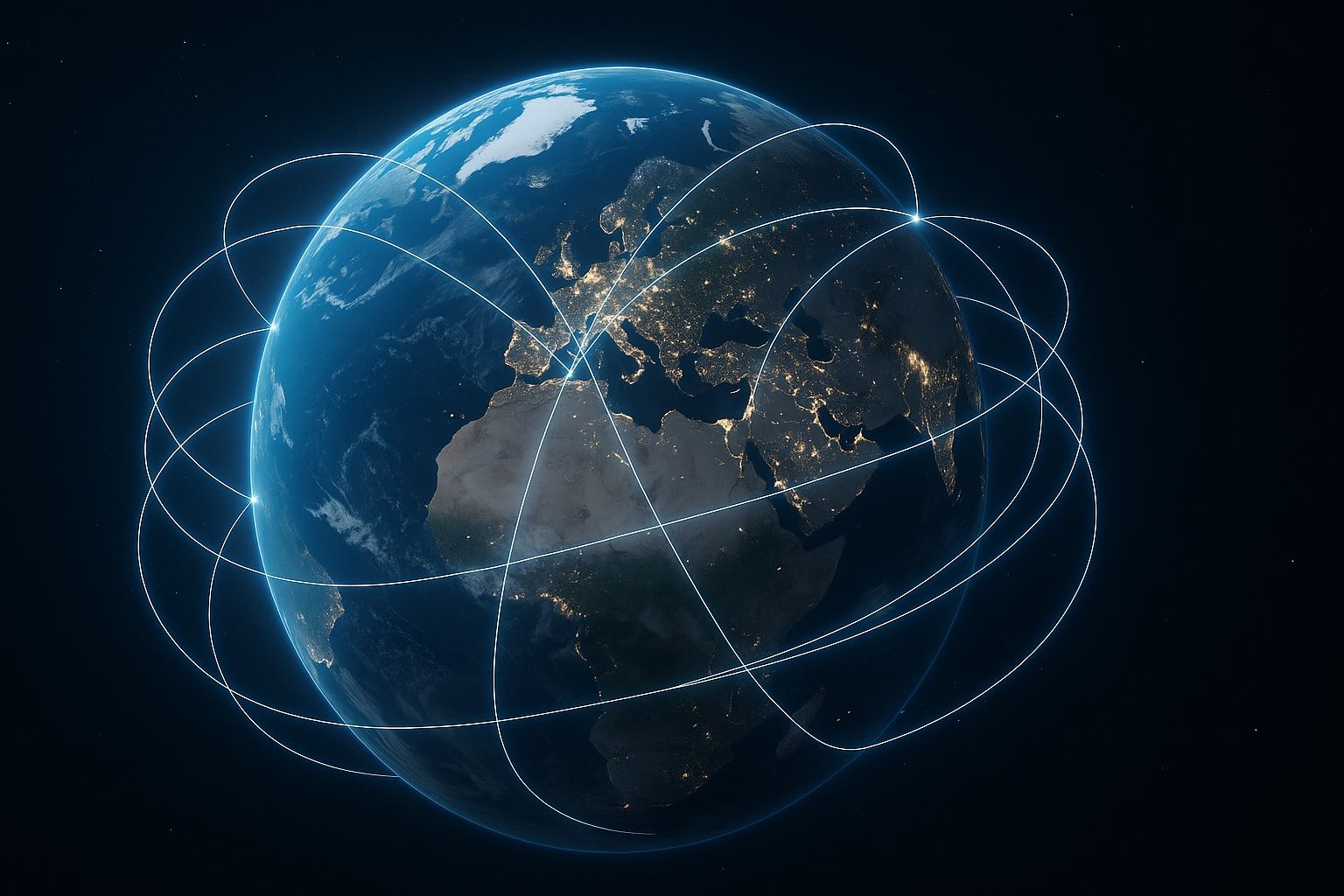
SpaceX's Starlink had over 7,500 satellites launched and 6,750 active in orbit by early 2025, serving more than 5 million customers in over 125 countries. Typical download speeds range from 50 to 200 Mbps with latency of 20–40 ms. Residential kits cost about $599, with U.S. promotions as low as $349. SpaceX targets 12,000 satellites by 2027 and is planning direct-to-cell service and a potential IPO.
7 June 2025
Satellite Internet FAQ

Satellite Internet FAQ

Traditional GEO satellite internet, such as HughesNet and Viasat, sends data 22,000 miles to orbit, resulting in 600–800 ms latency. Starlink uses low-Earth orbit satellites, offering 50–200 Mbps download and 20–40 ms latency. HughesNet and Viasat impose data caps; Starlink does not. Weather can disrupt service, though Starlink dishes may include heaters to melt snow.
Satellite Technologies FAQ

Satellite Technologies FAQ

Sputnik 1 became the first artificial satellite in 1957, followed by the U.S. Explorer 1 in 1958. As of 2025, more than 11,000 active satellites orbit Earth, with Starlink accounting for a large share. The first accidental satellite collision happened in 2009. Geostationary satellites remain fixed over the equator, while low-Earth-orbit networks like Starlink offer lower latency internet.
Where Satellite Phones Are Illegal?

Where Satellite Phones Are Illegal?

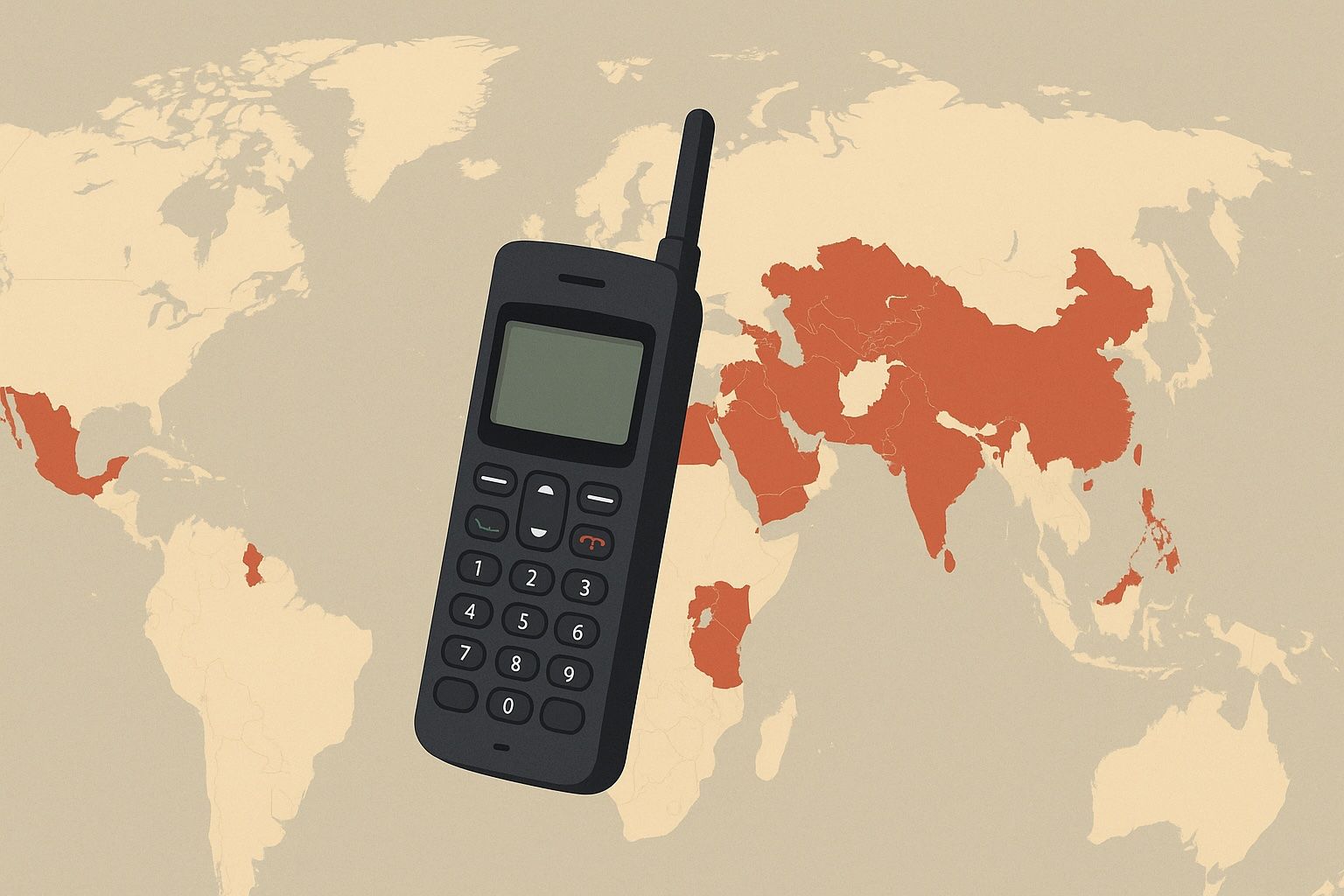
Bangladesh, Chad, Turkmenistan, and Myanmar ban satellite phones, with possession punishable by arrest. North Korea and China prohibit unauthorized devices, requiring registration or surrender, and may detain violators. India, Russia, Sri Lanka, and Mauritius allow satellite phones only with government approval and licensing. Enforcement ranges from confiscation to imprisonment.
6 June 2025
DJI Matrice 4E and Matrice 4T Series Drones: Comprehensive Report

DJI Matrice 4E and Matrice 4T Series Drones: Comprehensive Report

DJI launched the Matrice 4 Series in January 2025, featuring the Matrice 4T with a radiometric thermal camera and NIR spotlight, and the Matrice 4E with a 20 MP wide camera, RTK module, and up to 112× hybrid zoom. Both drones use O4 Enterprise transmission for 25 km range and 1080p video. Omnidirectional obstacle sensing and hot-swappable payloads are included. The 4E supports advanced mapping and centimeter-level positioning.
5 June 2025
Military Satellite Services: Complete Guide to Secure Communications

Military Satellite Services: Complete Guide to Secure Communications

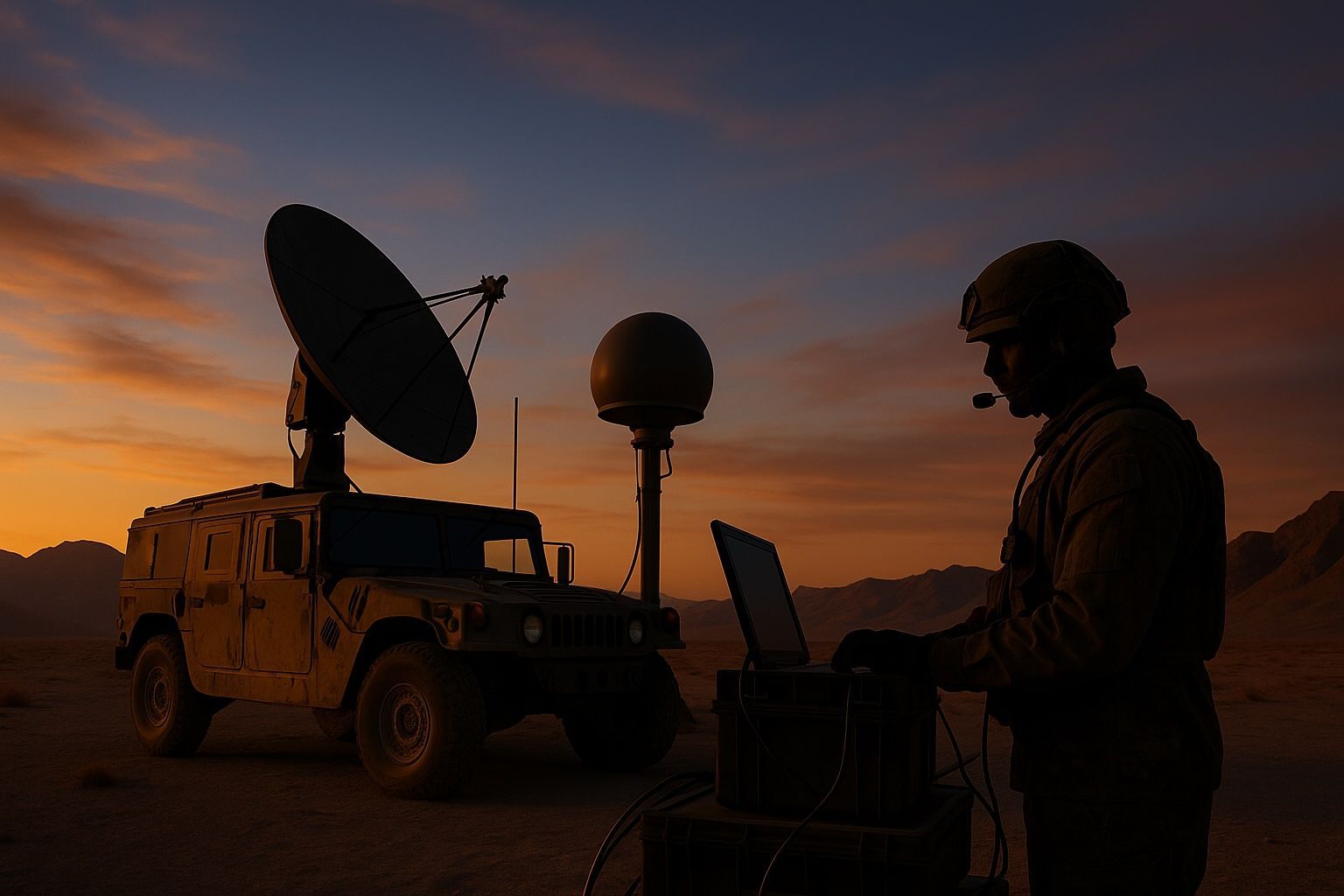
The U.S. operates AEHF for secure military communications, Navstar GPS for global navigation, DSP and SBIRS for missile warning, and KH-11 satellites for reconnaissance. Russia fields the Liana ELINT constellation, while China’s BeiDou navigation system offers global PNT and military messaging. China’s 2007 and Russia’s 2021 ASAT tests produced major debris clouds. The U.S. Space Development Agency plans 160 new satellites by 2025.
Aviation Satellite Services: Benefits, Providers, and New Technologies

Aviation Satellite Services: Benefits, Providers, and New Technologies

By late 2022, over 10,000 aircraft had in-flight connectivity, and 65% of airlines planned further investment. Aireon’s space-based ADS-B on Iridium NEXT has enabled global real-time tracking since 2019. Inmarsat, Iridium, Starlink, and OneWeb operate satellite networks supporting aviation data, with the satcom market projected to grow from $4.5 billion in 2024 to $8 billion by 2033.
Maritime Satellite Services: Complete Guide to Ship Connectivity & Communications

Maritime Satellite Services: Complete Guide to Ship Connectivity & Communications

SpaceX Starlink signed nearly 300 cruise ships and many commercial vessels by mid-2025, intensifying competition in maritime satellite communications. The global market reached $3.0 billion in 2023, with over 46,000 vessels using L-band services and 186,500 active VSAT terminals. Iridium gained GMDSS recognition in 2020, ending Inmarsat’s decades-long exclusivity. APAC leads growth with a projected 12% CAGR through 2029.

Stock Market Today

  • Amazon imposes 3.5% fuel surcharge on sellers amid Iran war energy turmoil
    April 2, 2026, 8:21 PM EDT. Amazon is introducing a 3.5% fuel surcharge for merchants using its Fulfillment by Amazon (FBA) logistics service, effective April 17, due to soaring transportation costs driven by the Iran war's impact on global oil markets. The surcharge, aimed at offsetting higher fuel and logistics expenses, follows a similar move by the company in 2022 during the Russia-Ukraine conflict. The ongoing conflict near the Strait of Hormuz, a key oil shipping route, has disrupted supplies and pushed U.S. gas prices higher. Amazon noted it has absorbed rising costs so far but now follows other carriers with temporary surcharges, which remain lower than competitors. This change could increase operational costs for the extensive network of third-party sellers relying on Amazon's distribution system.
Go toTop