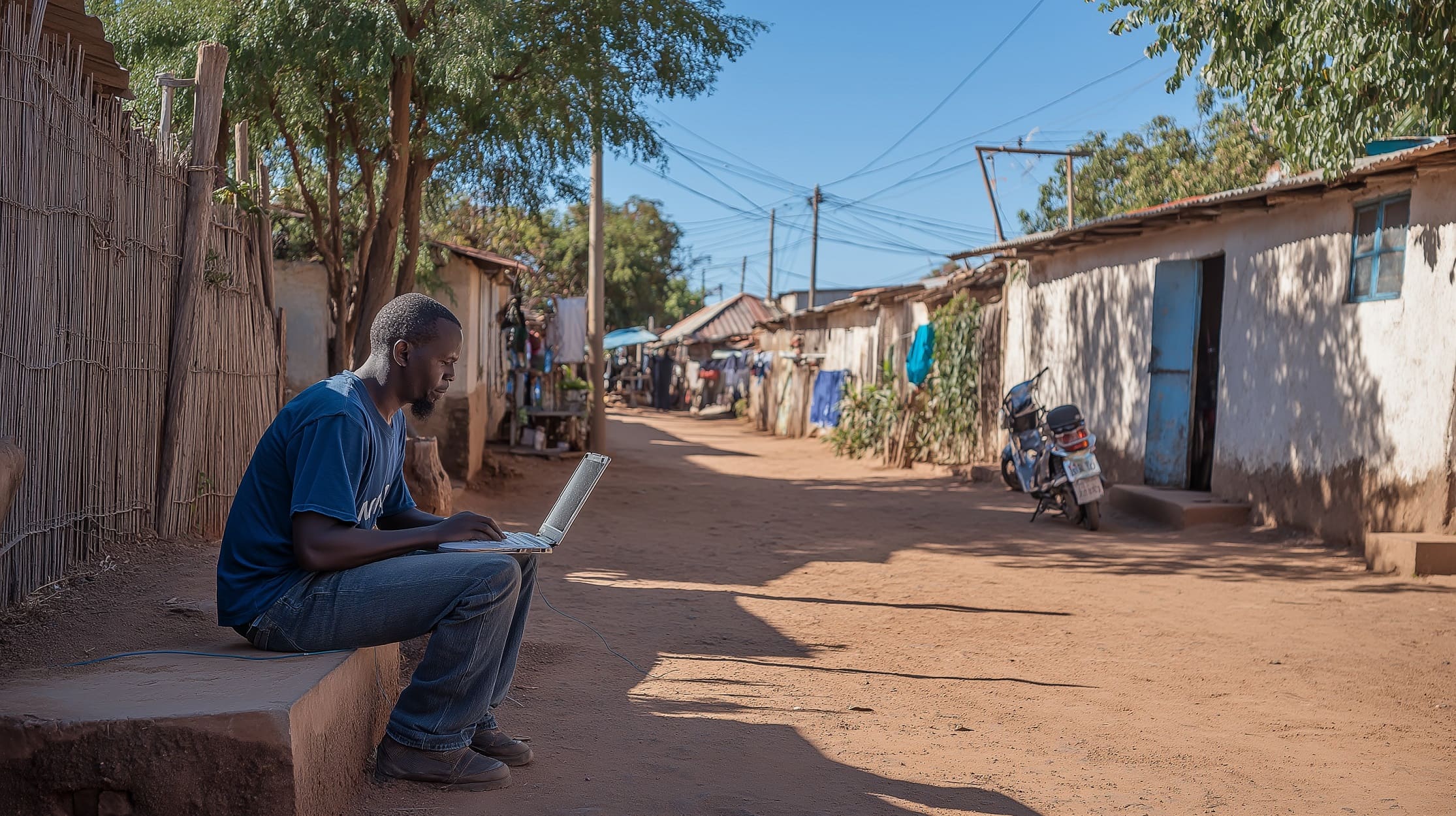

Internet Access and Satellite Connectivity in Honduras: A Digital Lifeline in Central America
Honduras has made steady gains in internet connectivity over the past decade, transforming digital access into a crucial lifeline for its population. As of early 2024, an estimated 7.03 million Hondurans were internet users, representing about 65.9% of the population datareportal.com. This marks a significant rise from just a few years prior – in 2017, only about 25–32% of the population had internet access giswatch.org, and by 2022 penetration was 55.9% datareportal.com. The COVID-19 pandemic, economic initiatives, and expanding mobile networks have all accelerated internet adoption in recent years. Still, roughly one-third of Hondurans remain offline datareportal.com, highlighting the work left to bridge the digital divide.