
Global Internet Access Shake-Up: Outages, Crackdowns, and a Race to Connect the Unconnected
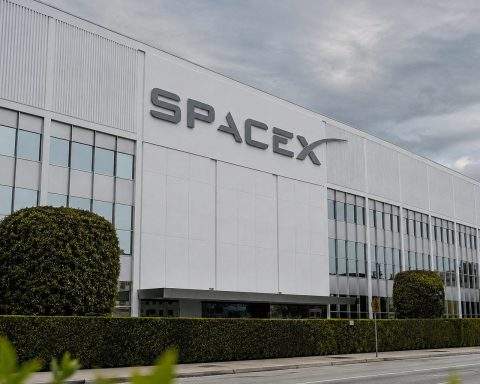
Major investments in physical internet infrastructure were unveiled over the past 48 hours, spanning undersea cables and satellites. SpaceX completed its fourth Starlink launch from California in a month, lofting 24 satellites on August 29 to enhance coverage in polar regions. This bolsters SpaceX’s constellation of over 8,000 active satellites, which is already delivering broadband to dozens of countries. Rival project Kuiper – Amazon’s satellite internet network – is also accelerating: Amazon announced it expects to begin beta service by late 2025, after deploying its first 27 satellites in April and scheduling another launch for Sept. 25. Kuiper plans to eventually operate 3,200+ satellites aimed at blanketing underserved areas with up to 1 Gbps speeds. These satellite rollouts are poised to bring connectivity to remote communities from the Arctic to rural Asia, complementing ground networks.