
Today: 18 July 2026
Browse Category

NASDAQ:IRDM 29 May 2025 - 24 July 2025

This Common Phone Feature Could Land You in Jail Abroad: Inside the Global Crackdown on GPS and Satellite Phones

This Common Phone Feature Could Land You in Jail Abroad: Inside the Global Crackdown on GPS and Satellite Phones

A British oil executive on a yoga retreat in the Himalayas found himself in an Indian jail for nearly a week – his crime was carrying a satellite phone qz.com. In another case, a Canadian traveler was detained at a Goan airport simply for having a Garmin GPS tracker in her bag globalrescue.com. Around the world, seemingly innocuous technologies like GPS-enabled devices are being treated as serious contraband. Governments in several countries have outlawed or tightly restricted GPS receivers, satellite communicators, and satphones, citing national security and espionage fears. Travelers and tech users unaware of these bans risk detention, hefty fines, or worse. This report dives into what GPS and satellite communication technologies are, why they raise red flags for certain governments, recent controversies, and a country-by-country look at these bans – from India’s strict penalties to China, North Korea, and beyond. We also include insights from policy experts and security analysts on what these bans mean for travelers, emergency services, and local populations, with links to official policies and sources throughout.

Smartphones vs. Satellite Phones: Are Off-Grid Cell Phones Killing the Satellite Phone?

Smartphones vs. Satellite Phones: Are Off-Grid Cell Phones Killing the Satellite Phone?

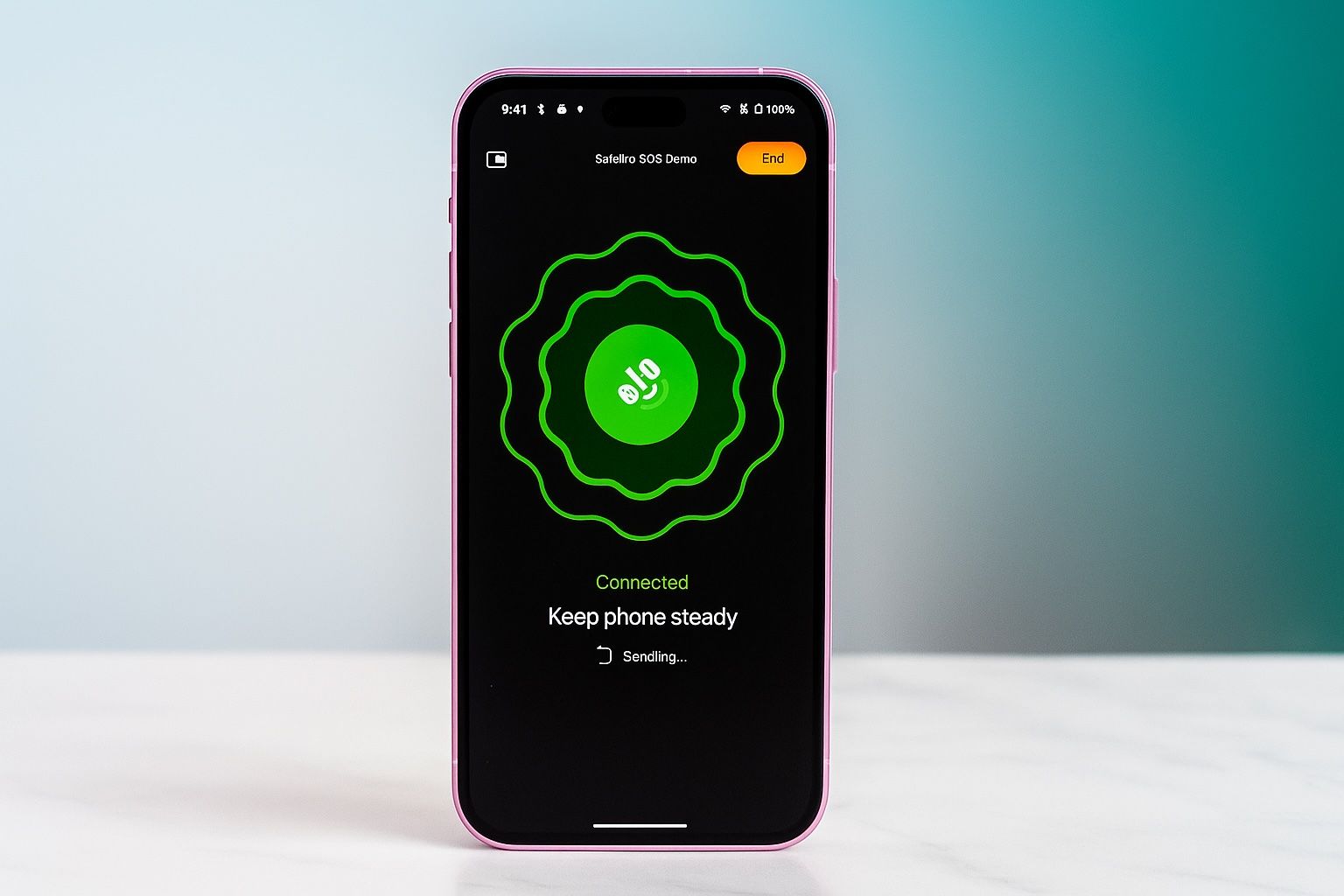
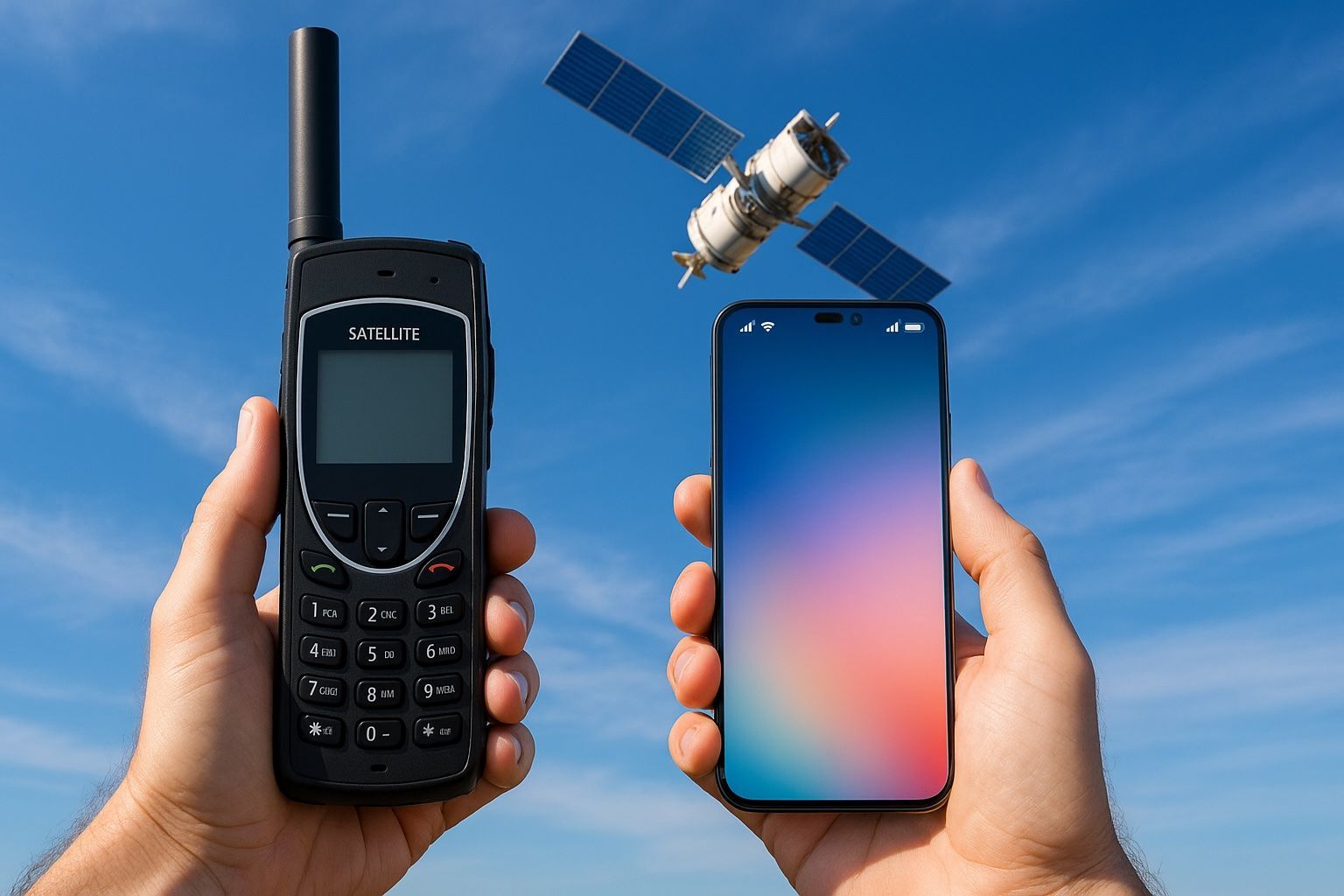
Staying connected “anywhere under the sky” is no longer just the promise of bulky satellite phones carried by explorers and mariners. Today, mainstream smartphones are gaining satellite links, letting users send SOS texts from remote mountains or even make calls from the middle of the ocean. This report dives deep into the battle between traditional satellite phones and the new wave of satellite-connected smartphones, exploring current capabilities, upcoming models, and what industry experts predict for the future of off-grid communication.
Orbiting Eyes: How Space-Based ADS-B Is Revolutionizing Air Traffic Surveillance

Orbiting Eyes: How Space-Based ADS-B Is Revolutionizing Air Traffic Surveillance

Automatic Dependent Surveillance–Broadcast is an aircraft surveillance technology that has transformed how air traffic is monitored. In simple terms, ADS-B equips aircraft with GPS-based transponders that automatically broadcast their precise position, identity, altitude, velocity and other data to anyone with the proper receiver faa.gov aireon.com. The system is dependent on onboard navigation sources for accuracy and broadcasts its information periodically without any pilot or controller input faa.gov. ADS-B emerged in the early 2000s as part of aviation modernization efforts to replace or augment traditional radar. Unlike radar – which sends out radio waves and requires bulky ground antennas to detect reflected signals – ADS-B uses satellite navigation signals and direct broadcasts from aircraft faa.gov faa.gov. In effect, ADS-B leverages satellites for positioning instead of ground-based radar, allowing more precise and frequent updates faa.gov.
26 June 2025
Cosmic IoT Revolution: How Optimized Satellite Constellations Are Connecting Every Corner of Earth

Cosmic IoT Revolution: How Optimized Satellite Constellations Are Connecting Every Corner of Earth

The Internet of Things is expanding rapidly, with billions of devices expected to come online in the coming years Researchgate Iotforall. While many IoT sensors connect via terrestrial networks, vast areas of the globe lack coverage – from open oceans and remote rural regions to polar expanses. This is where satellites step in. Low Earth Orbit constellations of satellites can provide affordable, planet-wide IoT connectivity, enabling remote sensors and smart devices to stay connected "anytime, anywhere" Researchgate Iridium. By relaying data from space, satellite networks are bridging the connectivity gap for critical applications in agriculture, energy, logistics, environmental monitoring and more, where ground infrastructure is impractical or cost-prohibitive Researchgate Flolive. In short, global IoT connectivity has become a new space race – and optimizing satellite constellations is the key to winning it.
Beyond Cell Coverage: The Ultimate 2025 Guide to Satellite Texting Services

Beyond Cell Coverage: The Ultimate 2025 Guide to Satellite Texting Services

Satellite texting services are revolutionizing off-grid communication, allowing people to send text messages via satellites when cellular networks are out of reach. From hikers using handheld satellite messengers to military units relying on secure satcom links, these services keep us connected virtually anywhere on the planet. In this comprehensive guide, we’ll explore consumer offerings, enterprise and government applications, the technologies and networks behind them, and compare features, pricing, coverage, and more. We’ll also delve into legal/regulatory issues, security considerations, emerging innovations, as well as the challenges and limitations facing satellite texting.
The Ultimate 2025 Satellite Phone Guide – Best Models Compared for Off-Grid Communication

The Ultimate 2025 Satellite Phone Guide – Best Models Compared for Off-Grid Communication

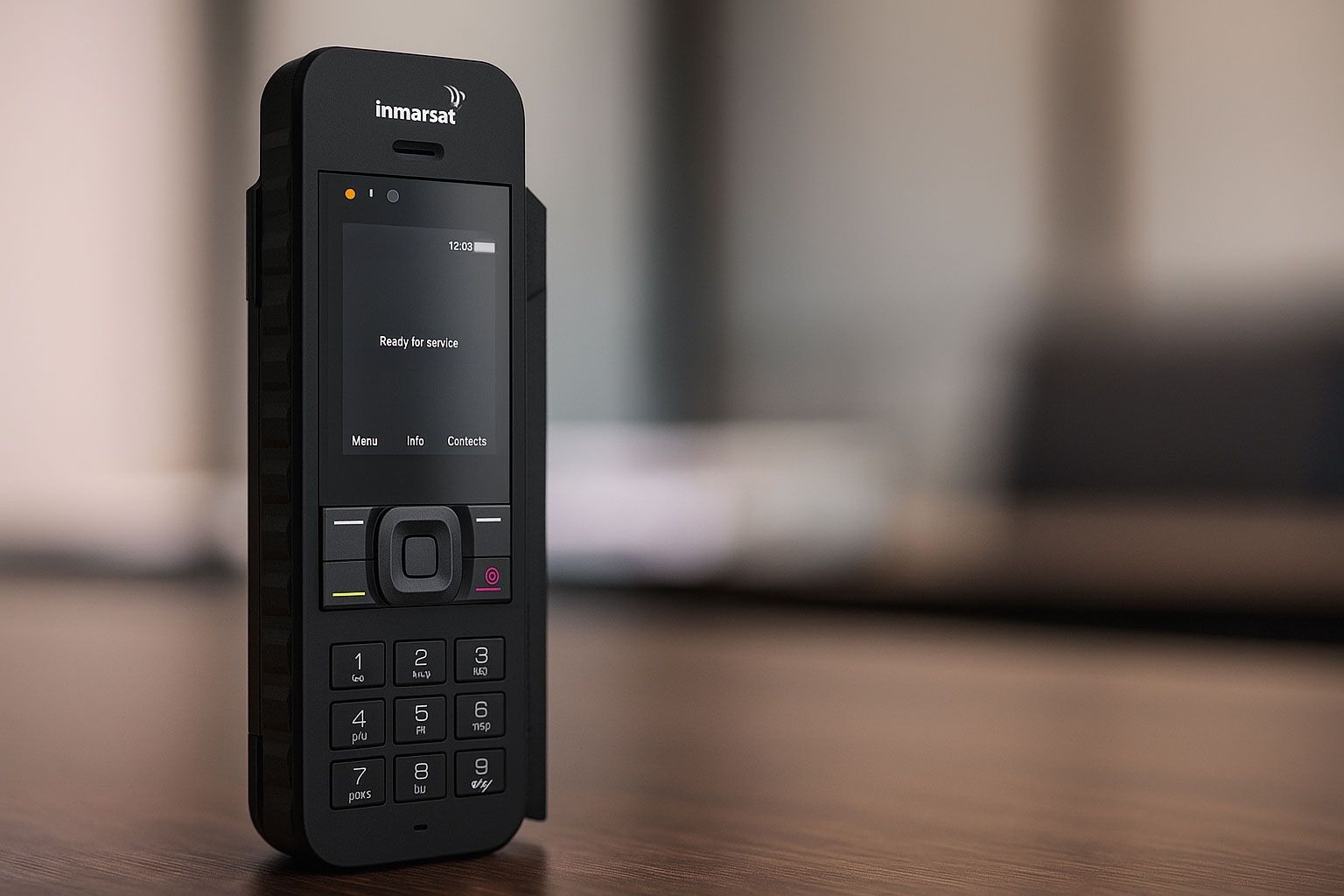
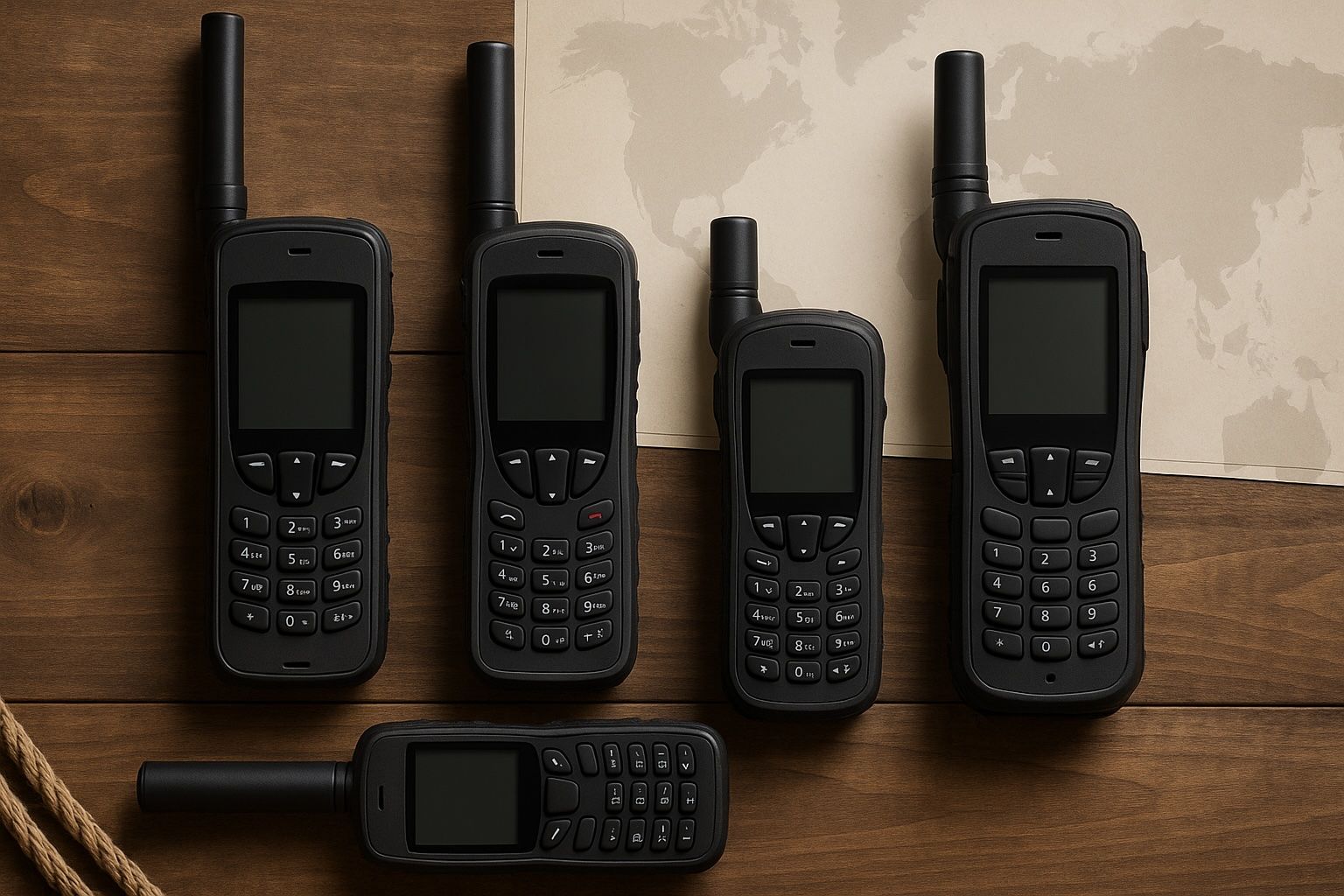
Satellite phones remain essential for reliable off-grid communication, even as mainstream smartphones gain limited satellite texting features. When you’re far beyond cell coverage – deep in wilderness, at sea, or in disaster zones – a sat phone can be a literal lifeline. In mid-2025, the leading providers – Iridium, Inmarsat, Thuraya, and Globalstar – offer a range of handheld phones to keep you connected anywhere on the planet. These devices leverage constellations of satellites to provide voice calls, SMS messaging, GPS location services, and even data in areas with no cellular network. Below, we detail the top models from each manufacturer, including their specs, coverage, features, typical use cases, pricing, and pros and cons, followed by a comparison table to highlight key differences.
Mobile & Portable Satellite Internet in 2025: The Ultimate Guide to Starlink Roam, HughesNet, Inmarsat, Viasat & More

Mobile & Portable Satellite Internet in 2025: The Ultimate Guide to Starlink Roam, HughesNet, Inmarsat, Viasat & More

A SpaceX Starlink satellite dish set up outdoors. Portable satellite internet terminals like this bring high-speed connectivity to remote areas in 2025.Mobile and portable satellite internet delivers broadband connectivity from satellites in space directly to users on the move or in remote locations. Instead of relying on traditional ground cables or cell towers, a portable satellite dish or terminal connects to orbiting satellites to provide internet access virtually anywhere on Earth. This technology has rapidly advanced in recent years – SpaceX’s Starlink constellation alone now blankets around 130 countries with low-latency broadband from thousands of low-Earth-orbit satellites en.wikipedia.org. Traditional providers like HughesNet, Viasat, Inmarsat, and Iridium have also expanded and upgraded their satellite networks. In this report, we’ll explore how mobile satellite internet works, the key service providers in 2025, their pros and cons, regional coverage differences, costs, equipment needs, popular use cases, a comparison of major services, and future trends. Whether you’re an RVer, sailor, disaster responder, or remote worker, portable satellite internet is transforming what’s possible for staying connected off the grid.
fldksafljads

Satellite Phones: Comprehensive Global FAQ

A satellite phone is a mobile phone that connects directly to orbiting satellites instead of terrestrial cell towers. This means it can place calls and send messages from almost anywhere on Earth, especially in regions without cellular coverage. Like a regular cell phone, a satphone supports voice calling and SMS texting, and some models offer low-speed data for email or basic internet access. The key advantage is that satellite phones work in remote areas – mountains, oceans, deserts – where no landline or cell network exists. However, they require a clear line-of-sight to the sky to reach the satellite, so they typically have a prominent antenna and must be used outdoors or near a window.
Where Satellite Phones Are Illegal?

Where Satellite Phones Are Illegal?

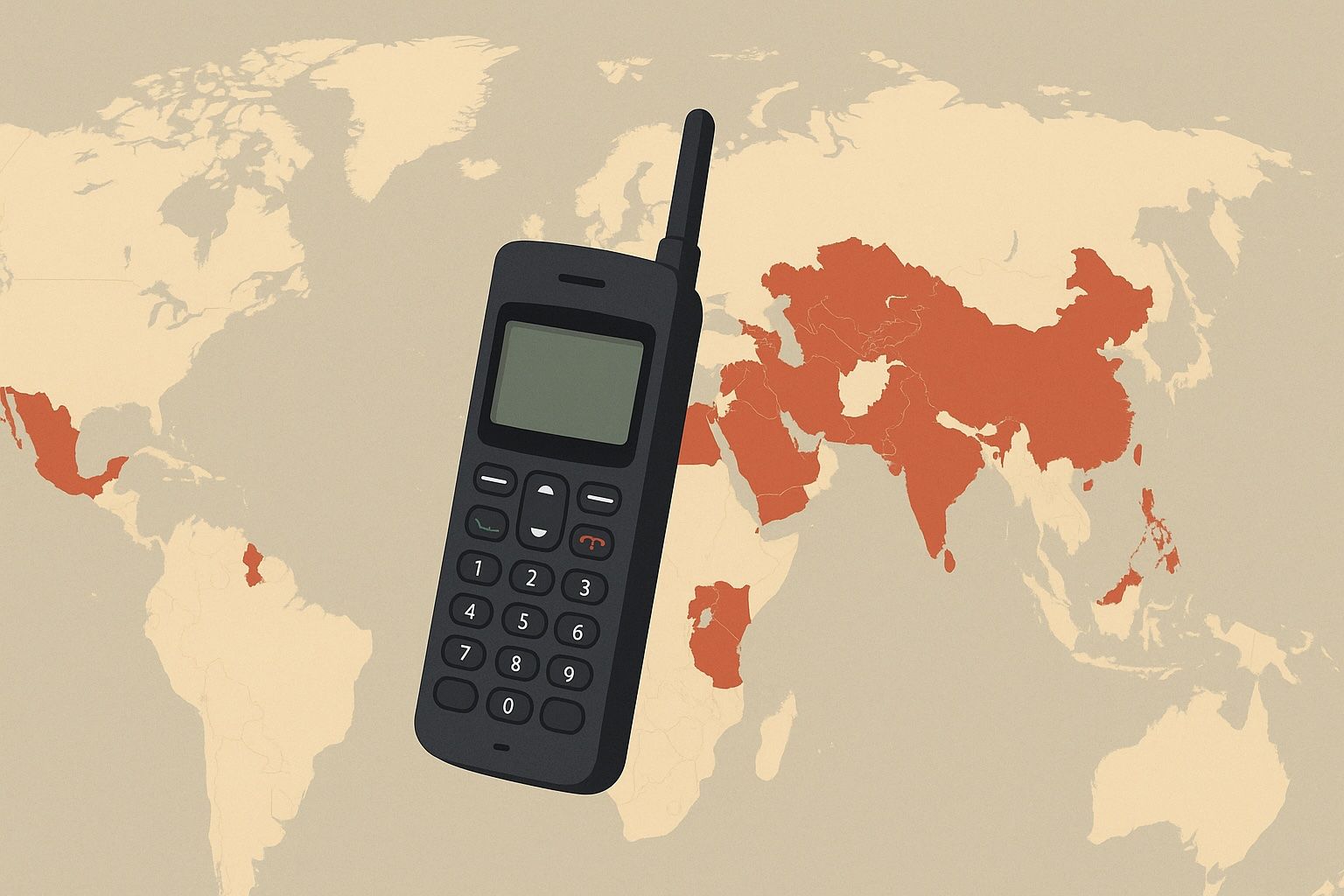
Satellite phones are invaluable for staying connected in remote or disaster-stricken areas, but travelers must be aware that these devices are not welcome everywhere. In fact, several countries ban or tightly regulate satellite phones due to security and government control concerns en.wikipedia.org. Because satellite phones communicate directly via satellites and bypass local telecom networks, authorities in some nations fear they could be used for espionage, insurgency, or bypassing censorship en.wikipedia.org globalrescue.com. Possessing an unauthorized sat phone in such places can lead to confiscation, fines, arrest, expulsion, or even imprisonment globalrescue.com apollosat.com. It is crucial for travelers and businesses to know where satellite phones are illegal or restricted, understand the reasons behind these policies, and comply with local laws to avoid serious penalties.
6 June 2025
Mega-Constellations Exposed: How Swarms of Tiny Satellites Are Taking Over Low Earth Orbit

“No Signal? No Problem!” – Next‑Gen Satellite Phones Set to Change Everything

Imagine being able to send a message or make a call from anywhere on Earth, even far outside cellular coverage. That’s the promise driving the development of next-generation handheld satellite phones and advanced antennas. Long seen as bulky gadgets of last resort, satellite phones are now undergoing a revolution. Tech giants, satellite operators, and startups are racing to integrate space-based links into ordinary smartphones and rugged devices alike www2.deloitte.com ts2.tech. The result? Handsets that seamlessly tap satellites when terrestrial networks vanish, miniaturized antennas that fit in pockets, and a wave of innovations that could make “no signal” a thing of the past. This report dives into the latest breakthroughs in satellite phone technology, the key players behind them, technical hurdles being overcome, emerging use cases from disaster response to remote exploration, and what the future holds for truly global connectivity.
Mega-Constellations Exposed: How Swarms of Tiny Satellites Are Taking Over Low Earth Orbit

Mega-Constellations Exposed: How Swarms of Tiny Satellites Are Taking Over Low Earth Orbit

Low Earth Orbit generally refers to orbits up to about 2,000 km above Earth’s surface nasa.gov. At these altitudes, satellites circle the globe in ~90–120 minutes, close enough for low-latency communications and high-resolution observations. In recent years, small satellites – typically massing from a few kilograms up to a few hundred kilograms – have revolutionized LEO activities. These minisatellites, microsatellites, and even tiny nanosatellites pack advanced capabilities into compact frames nasa.gov. Smaller size means lower cost: they can be built and launched much more cheaply than traditional one-ton satellites en.wikipedia.org. This cost reduction, combined with improvements in electronics and solar power, has enabled deploying constellations – large networks of small satellites working in concert. In effect, dozens or thousands of satellites working together can provide continuous global coverage or high revisit rates that a single big satellite in LEO could never achieve.
Aviation Satellite Services: Benefits, Providers, and New Technologies

Aviation Satellite Services: Benefits, Providers, and New Technologies

Aviation satellite services refer to the use of satellites to support air travel through communication, navigation, surveillance, and connectivity functions. These services enable aircraft to maintain links far beyond the range of ground-based radios by connecting to communications satellites Wikipedia. Global Navigation Satellite Systems provide precise positioning and navigation signals to aircraft worldwide, allowing flexible point-to-point routing and performance-based navigation Faa. Satellites are also used to monitor aircraft positions and to facilitate search-and-rescue by detecting emergency beacons Wikipedia Skybrary. In essence, satellite services form a critical part of aviation’s CNS infrastructure, extending connectivity and coverage on a global scale.
When the Grid Goes Dark: How Satellite Phones Keep Us Connected in Emergencies

When the Grid Goes Dark: How Satellite Phones Keep Us Connected in Emergencies

When hurricanes flatten cell towers and earthquakes sever landlines, staying connected becomes a lifeline. In such dire scenarios, satellite phones emerge as critical tools to maintain communication when the grid goes dark. Unlike regular cell phones tied to terrestrial networks, satellite phones link directly to satellites orbiting above, enabling calls and messages from virtually anywhere on Earth. This report explores how satellite communication technology works and why it’s invaluable during emergencies. We’ll compare satellite phones with other emergency comms, profile the major satellite phone providers, and examine real-world case studies – from natural disasters to conflict zones and remote expeditions. We’ll also consider the advantages and limitations of satellite phones in crisis settings, the regulatory hurdles in some regions, their role in government and humanitarian operations, and emerging innovations that are shaping the future of emergency connectivity.
Satellite Phones: A Comprehensive Report

Satellite Phones: A Comprehensive Report

Satellite phones are mobile telephones that connect directly to orbiting satellites instead of terrestrial cell towers. They provide voice calling, SMS text messaging, and low-speed data by relaying signals through satellites to reach the conventional telephone network en.wikipedia.org en.wikipedia.org. In practical terms, when you make a call on a satellite phone, your handset beams a radio signal straight to a satellite overhead, which then bounces the signal back down to a ground station or another satphone, completing the link to the recipient dhs.gov. Thanks to this architecture, satellite phones can work virtually anywhere on Earth – from open ocean to polar ice – as long as the user has a clear line-of-sight to the sky and an unobstructed path to the satellite en.wikipedia.org dhs.gov. This means they are not dependent on local infrastructure like cell sites or landlines, making them invaluable in remote regions or disaster zones where conventional communications are unavailable or down. However, the need for an open sky view also means satphones may struggle to get a signal indoors, in dense urban canyons, or under heavy foliage dhs.gov.
Global Satellite and Space Industry Report 2025: Market Overview and Outlook to 2030

Global Satellite and Space Industry Report 2025: Market Overview and Outlook to 2030

The global space industry is experiencing robust growth in the mid-2020s, driven by commercial innovation and rising government investment. In 2024, the global space economy reached an estimated $415 billion in revenue, up 4% from the previous year sia.org. Commercial satellite activities dominate, accounting for about $293 billion of this total sia.org. The number of operational satellites has exploded, from roughly 3,371 in 2020 to 11,539 satellites in orbit by the end of 2024 sia.org – a more than threefold increase in just four years. This surge, largely due to new “mega-constellations” of small satellites, highlights a key trend: space infrastructure is growing faster than industry revenues, indicating falling costs per satellite and improved launch economies.
Out of Signal? These Phones Talk to Space! The Truth About Satellite SMS and Satellite Phones

Out of Signal? These Phones Talk to Space! The Truth About Satellite SMS and Satellite Phones

In today’s connected world, we expect our phones to have signal everywhere – but far beyond the reach of cell towers, only satellites can bridge the gap. Satellite communication refers to using orbiting satellites to send and receive signals, allowing phones to connect where no ground network exists en.wikipedia.org. This is crucial for emergency responders, explorers, sailors, and anyone in remote areas or disaster zones where terrestrial networks are down. Satellite connectivity has proven to be a lifeline in natural disasters and conflicts, as it remains operational even when local infrastructure fails en.wikipedia.org. In recent years, advances have brought satellite links to ordinary smartphones, meaning even if you’re “out of signal,” your phone might still “talk to space” to keep you connected.
Go toTop