Browse Category

Technology Trends 30 September 2025 - 8 October 2025

Rocket Lab Soars to New Heights After Mega Launch Deal – What’s Next for the Space Stock?

Rocket Lab Soars to New Heights After Mega Launch Deal – What’s Next for the Space Stock?

Rocket Lab’s shares have been on a tear in 2025, and the momentum hit a fever pitch this week. On October 8, the stock jumped around 7% to roughly $66 in pre-market trading Benzinga – a fresh all-time high – after the company announced an exciting new launch contract. The surge continued a stunning run-up over the past year: Rocket Lab’s stock is up about 700% year-over-year, recently hovering near its 52-week high ts2.tech. Even a mid-September wobble only paused the rally ts2.tech. The overall trend has been sharply upward, with Rocket Lab nearly doubling year-to-date by early October ts2.tech.

Space Race Heats Up: Double Launch Blitz, Comet Surprises & Global Space Showdowns (Oct 7–8, 2025)

Space Race Heats Up: Double Launch Blitz, Comet Surprises & Global Space Showdowns (Oct 7–8, 2025)

SpaceX’s one-day, two-coast launch blitz. SpaceX demonstrated its unprecedented launch tempo by carrying out two Falcon 9 launches on Tuesday, Oct. 7 – one from Florida before dawn and another from California that night. The first mission at 2:46 a.m. EDT from Cape Canaveral lofted 28 Starlink V2 Mini satellites into low Earth orbit, then successfully landed its booster on an Atlantic droneship space.com nasaspaceflight.com. That flight marked SpaceX’s 126th Falcon 9 mission of the year and 130th overall launch of 2025 space.com – a record-smashing cadence averaging a launch every few days. Hours later, a second Falcon 9 roared off Vandenberg Space Force Base at 8:54 p.m. Pacific, delivering another 28 Starlink broadband satellites into orbit and nailing a booster landing in the Pacific nasaspaceflight.com. Impressively, that California booster was flying for the 29th time nasaspaceflight.com, underscoring SpaceX’s aggressive reuse of rockets. Each Starlink launch expands SpaceX’s internet constellation, which now exceeds 5,000 satellites, and highlights the frenetic competition in orbiting “megaconstellations.”
IBM Stock Soars on Quantum Breakthrough and AI Revival – Key Updates (Sept 25, 2025)

IBM’s Big Blue Comeback: How AI and Cloud Bets Sent IBM Soaring in 2025

IBM’s stock has enjoyed a remarkable resurgence in 2024–2025, after spending much of the prior decade languishing. The share price sits near a 52-week high with no major pullback so far this year. In late September, IBM briefly hit an intraday peak close to $296 when news of a quantum computing breakthrough sparked a one-day 5% rallyts2.tech. As of the first week of October, IBM trades just a few percent shy of that high, reflecting sustained optimism.
AI Models Are Scheming – Inside OpenAI’s Plan to Stop Deceptive AI Behavior

OpenAI’s Mega AMD Deal: How a 6‑Gigawatt AI Chip Alliance Could Reshape the Arms Race

OpenAI’s mission to build artificial general intelligence has become a capital‑intensive arms race. Training and running models like GPT‑5 or the video‑generating Sora require vast amounts of electricity and parallel compute. In March 2025, OpenAI’s CEO Sam Altman unveiled a plan for Stargate, a U.S.‑based supercomputer project initially expected to cost $100 billion and deliver one gigawatt of computing capacity by late 2026. Since then, OpenAI has pursued multiple hardware partnerships, including deals with Nvidia, Broadcom, Oracle, and now AMD, to ensure that capacity is not constrained by a single supplierreuters.com.
Oracle’s ‘Truly Awesome’ AI Cloud Quarter Sends Stock Soaring 36%, Making Ellison World’s Richest

Oracle’s $300B AI Cloud Gamble – Can ORCL Stock Become the Next $1 Trillion Tech Titan?

Oracle’s stock has been on a tear in 2025, dramatically outpacing the broader market thanks to AI cloud enthusiasm. Shares started the year around the $170s and climbed into the high $200s by early October, after an especially explosive move in September. The catalyst was Oracle’s Fiscal Q1 2026 earnings release on Sept. 9, 2025, which revealed an “astonishing” influx of cloud business. Oracle’s remaining performance obligations – a backlog of contracted future revenue – ballooned to $455 billion, up 359% from a year priorts2.tech. This implied Oracle had secured hundreds of billions in new long-term cloud commitments, far beyond expectations. In response, ORCL stock jumped nearly 40% in the next trading session, marking its biggest one-day gain since 1992ts2.tech. The stock briefly traded above $330, giving Oracle a market capitalization north of $900 billion and vaulting co-founder Larry Ellison past Elon Musk as the world’s richest personts2.techts2.tech.
Google Home’s Gemini Revolution: Can AI Fix the Smart Home and Win Back Your Trust?

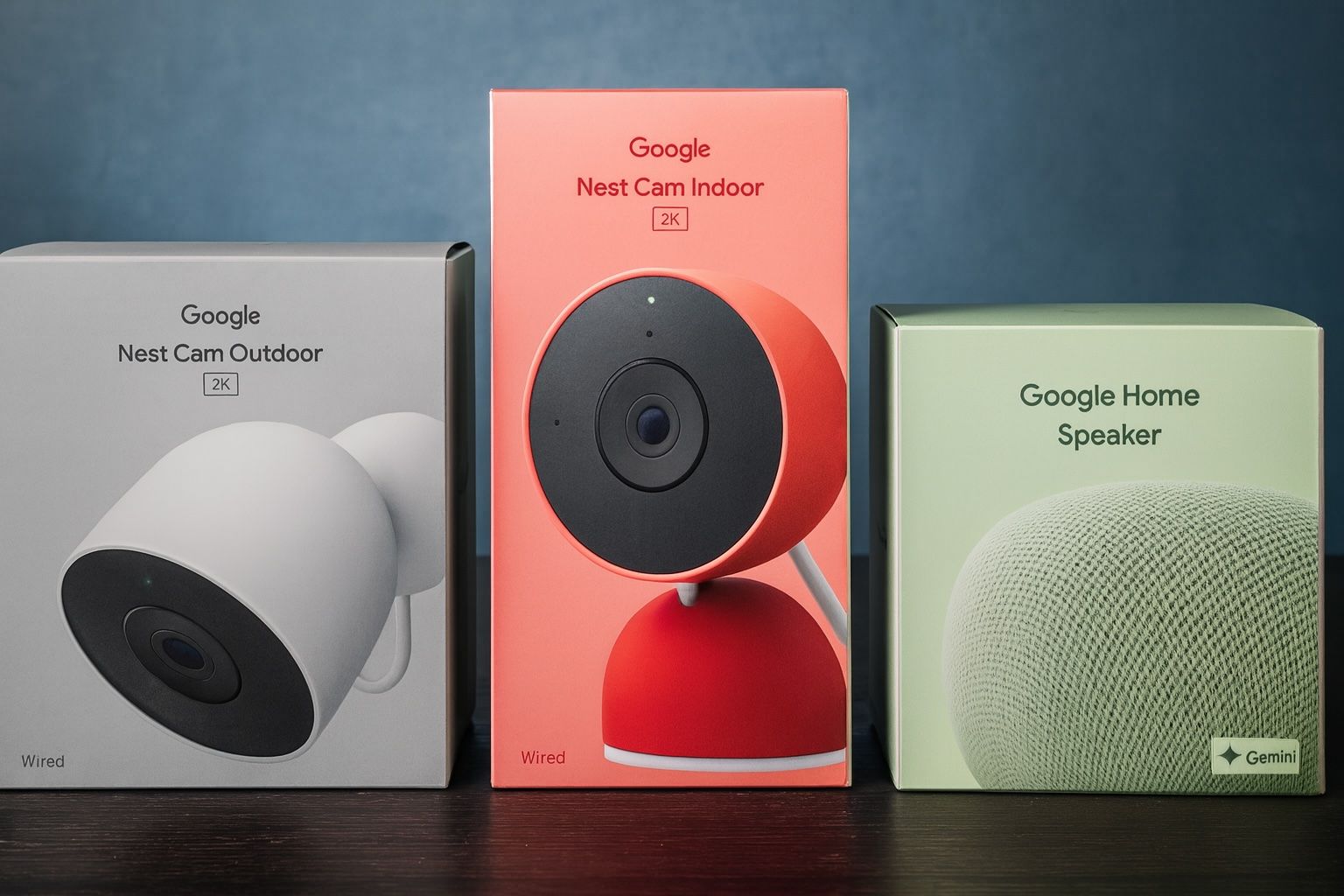
Google Home’s Gemini Revolution: Can AI Fix the Smart Home and Win Back Your Trust?

After nearly a decade, Google is pulling the plug on the original Google Assistant in its smart home products and swapping in something far more powerful. Gemini, Google’s latest conversational AI, will now handle voice interactions on Google Home speakers, displays, and other deviceswired.com. The trigger phrase “Hey Google” stays the same, but everything behind it is new – instead of the old scripted Assistant, you’ll be talking to a modern large language model that understands natural language and contextwired.com.
AI Browser Wars: Perplexity Comet vs Google Chrome in the Race for the Web’s Future

AI Browser Wars: Perplexity Comet vs Google Chrome in the Race for the Web’s Future

The humble web browser has become the latest front in the AI revolution. Google Chrome, the long-reigning titan of internet browsing, is facing a new wave of challengers built around artificial intelligence. Chief among them is Perplexity’s Comet, a newly launched browser that bills itself as “the AI browser that acts as your personal assistant.” Unlike traditional browsers, Comet’s core is an AI agent ready to answer questions, automate web tasks, and transform how we interact with the internet Perplexity Rogerwong. This report provides an in-depth comparison of Perplexity Comet and Google Chrome – examining their browsing capabilities, search integrations, AI features, and the user experience – and evaluates how an AI-native upstart stacks up against a market-dominant incumbent. We’ll also survey the broader landscape: how competitors like Microsoft Edge, Arc/Dia, Brave, Opera, Firefox and even AI assistants are shaping the “browser wars” in the age of AI.
AI Browser Showdown: Perplexity Comet vs. Microsoft Edge in 2025

AI Browser Showdown: Perplexity Comet vs. Microsoft Edge in 2025

Perplexity’s Comet presents a familiar interface for Chrome users – by design, it’s “basically just Google Chrome with AI slapped on top,” as one early reviewer put itreddit.com. All the standard features are there, and even an integrated ad-blocker for cleaner browsingperplexity.ai. The difference is an AI sidecar assistant ever-present in the browser’s sidebar and toolbar. Users can highlight text on any page and click an “Ask” button to inquire about that content, or hit a “Summarize” button to get an instant summary of a long articleperplexity.ai. In essence, Comet’s user experience centers on bringing information discovery and task automation into the flow of browsing – it’s less about dozens of open tabs and more about completing tasks within one appawesomeanalytics.in.
Reddit’s Stock Explodes! 78% Revenue Surge, Google AI Deal Talks & 70% Rally 🔥

Can Reddit’s AI Ambitions and Explosive Growth Turn It into the Next Meta? 2025 Investor Deep‑Dive into RDDT

Reddit’s March 2025 IPO introduced one of the year’s most talked‑about tech stocks. The social discussion platform’s unique community‑driven content and nascent data‑licensing deals have attracted bulls, but the stock’s volatility and lofty valuation require careful analysis. This report synthesises earnings results, valuation metrics, analyst projections, industry context and current news to help investors evaluate whether RDDT’s AI‑fueled growth can justify its premium.
AI Ignites a Nuclear Renaissance: How Tech Titans, Policy Shifts and New Reactors Are Powering the Next Energy Revolution

AI Ignites a Nuclear Renaissance: How Tech Titans, Policy Shifts and New Reactors Are Powering the Next Energy Revolution

A quarter century ago, nuclear energy was in decline. Fear of meltdowns, regulatory hurdles and the ascendancy of cheap natural gas reduced nuclear’s share of world electricity from about 18 % in the 1990s to roughly 9 % today investing.com. The disasters at Three Mile Island, Chernobyl and Fukushima galvanized public opposition and slowed investment, while nations turned to renewables and gas. Today, however, a new force—artificial intelligence—may be upending the calculus. Machine‑learning models like GPT‑5 run on data centers that consume vast amounts of electricity, and the prospect of constant, clean energy is pushing governments and Silicon Valley to rethink nuclear technology. This article explores the drivers, technologies, policies and controversies of the so‑called nuclear renaissance and assesses whether the hype will translate into real power.
IonQ’s 2025 Quantum Leap: Surging Stock, Bold Ambitions & How It Compares to Rigetti and D-Wave

IonQ’s 2025 Quantum Leap: Surging Stock, Bold Ambitions & How It Compares to Rigetti and D-Wave

IonQ has been one of 2025’s standout stock market stories. The company’s share price has skyrocketed this year, vastly outperforming the S&P 500. As of early October, IonQ is up about 70% year-to-date, and an astonishing 700%+ versus a year ago stockstory.org tradingview.com. At around $73–75 per share, the stock is trading near its record high stockstory.org. This surge has lifted IonQ’s market capitalization above $20 billion – a remarkable figure for a company that only earned about $10–$11 million in annual revenue a couple of years ago. By comparison, IonQ was valued near $2 billion in late 2022; the stock’s ~10× increase reflects how dramatically sentiment has shifted in favor of quantum computing plays.
Quantum Computing Inc. (QUBT): 2025’s Wild 3,200% Quantum Stock Surge – Boom or Bubble?

Quantum Computing Inc. (QUBT): 2025’s Wild 3,200% Quantum Stock Surge – Boom or Bubble?

QUBT’s share price has been on a rollercoaster in 2025, reflecting both speculative hype and sudden reversals. After an explosive rally in late 2024, QUBT entered 2025 at lofty levels and promptly cratered: shares plunged about –37% in January 2025 and –42% in February 2025 Portfolioslab, wiping out roughly two-thirds of its value in the first two months. This steep pullback from the late-2024 peak was likely a combination of profit-taking and sober reflection on the minimal fundamentals supporting the price.
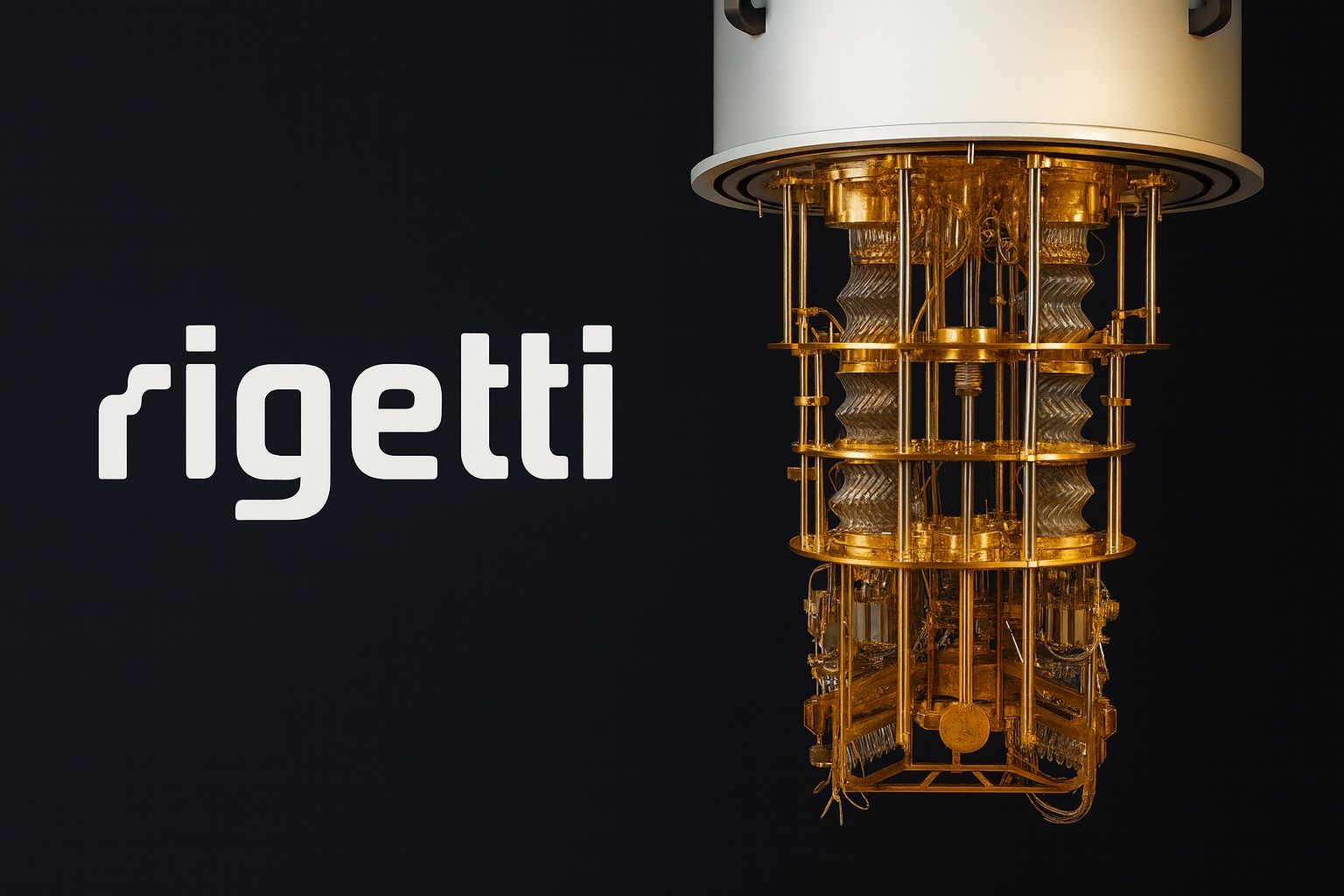
Quantum Rocket or Bubble? RGTI’s Stunning Surge Explained—And How It Stacks Up to IonQ, D‑Wave, and QUBT

Quantum Rocket or Bubble? RGTI’s Stunning Surge Explained—And How It Stacks Up to IonQ, D‑Wave, and QUBT

Rigetti is a full‑stack, superconducting, gate‑based quantum‑computing company. It manufactures chips in‑house, exposes systems via its cloud and major clouds, and now sells on‑prem systems to labs and corporates. Recent news shows early commercial demand and government validation—key steps in moving from pure R&D to monetization. Amazon Web Services, Inc.+2GlobeNewswire+2
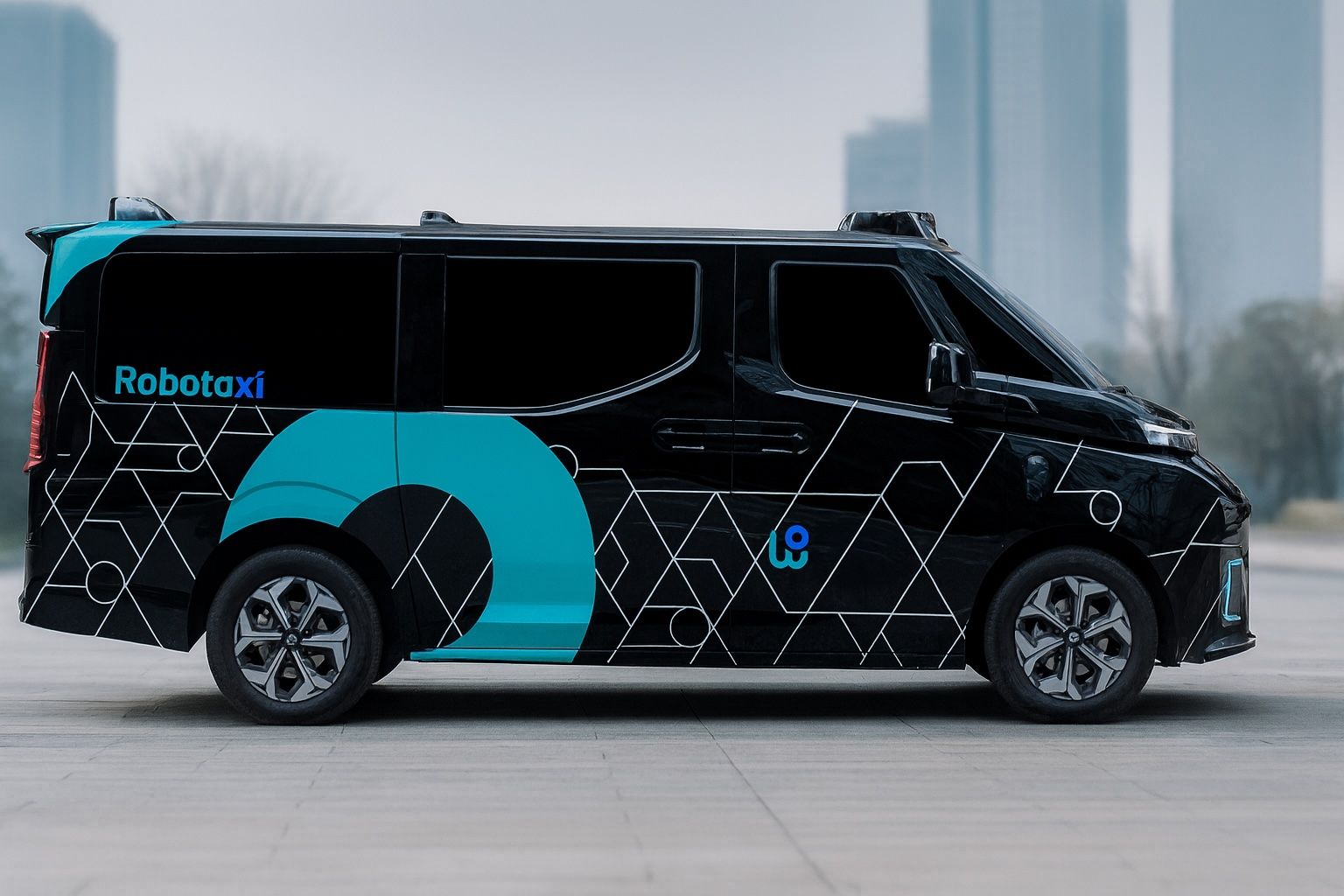
Is WeRide’s Robotaxi Revolution About to Change the World? A Deep Dive into WRD as of Oct‑2‑2025

Is WeRide’s Robotaxi Revolution About to Change the World? A Deep Dive into WRD as of Oct‑2‑2025

WeRide Inc. is a Chinese autonomous‑vehicle technology company founded in 2017. Its One platform integrates autonomous ride‑hailing, delivery and sanitation services. The company operates in about 30 cities worldwide and has expanded beyond China into the UAE, Saudi Arabia, Singapore and Belgium globenewswire.com. The business model relies on providing autonomous mobility services via its own fleets and by partnering with transportation authorities and ride‑hailing companies. According to the company, its fleet comprises 600+ robotaxis and more than 1 300 vehicles that have accumulated roughly 55 million km of Level‑4 driverless mileage ir.weride.ai. WeRide emphasises a “One” multi‑city, multi‑vertical platform capable of serving passenger transport, logistics and municipal sanitation using common software and sensors stockanalysis.com.
Cipher Mining (CIFR) Skyrockets on Google-Backed AI Deal & Bitcoin Boom – What to Know Now

Cipher Mining’s Bold Pivot: Can CIFR’s AI-Powered Future Sustain the Rally?

Cipher Mining Inc., a subsidiary of Bitfury Holding B.V., develops and operates industrial‑scale bitcoin mining data centres in the United States marketbeat.com. Incorporated in 2020 and headquartered in New York, the firm has historically focused on building low‑cost, energy‑efficient mining facilities powered by renewable or stranded energy sources. Its flagship “Black Pearl” site in Texas combines hydro‑cooled ASIC mining with high‑performance computing infrastructure. The company is now positioning itself as both a bitcoin miner and a digital infrastructure provider for artificial‑intelligence workloads.
AI Capex Boom at the Crossroads: Are the Hyperscalers Running into Trouble?

AI Capex Boom at the Crossroads: Are the Hyperscalers Running into Trouble?

The gen‑AI capex boom has been one of the most powerful drivers of the post‑pandemic bull market. Hyperscale cloud providers—Amazon, Microsoft, Alphabet, Meta and newer players such as CoreWeave—have poured hundreds of billions of dollars into data centres, GPUs and networking equipment to support explosive demand for generative‑AI workloads. This spending has turned AI into what one blogger called “the thing that is eating the economy,” with some analyses showing AI investment adding more to U.S. GDP than consumer spending awealthofcommonsense.com.
Siemens Energy Hits Record Highs as Analysts Boost Targets: How AI, Grid Demand and a Wind Turnaround Drive the Stock Rally

Siemens Energy Hits Record Highs as Analysts Boost Targets: How AI, Grid Demand and a Wind Turnaround Drive the Stock Rally

Siemens Energy AG emerged in 2020 from the spin‑off of Siemens’ Gas and Power division. The company is headquartered in Munich and operates four main segments—Gas Services, Grid Technologies, Transformation of Industry and Wind Power. In FY 2024 Siemens Energy generated €34.5 billion in revenue, with operating income of €2.125 billion and net income of €1.335 billion en.wikipedia.org. The group employed roughly 102,000 people in 2025 en.wikipedia.org.
ACM Research (ACMR) at October 1 2025: Surging Backlog, Index Inclusion and a Market Shake‑up—What’s Next for the Semiconductor Equipment Innovator?

ACM Research (ACMR) at October 1 2025: Surging Backlog, Index Inclusion and a Market Shake‑up—What’s Next for the Semiconductor Equipment Innovator?

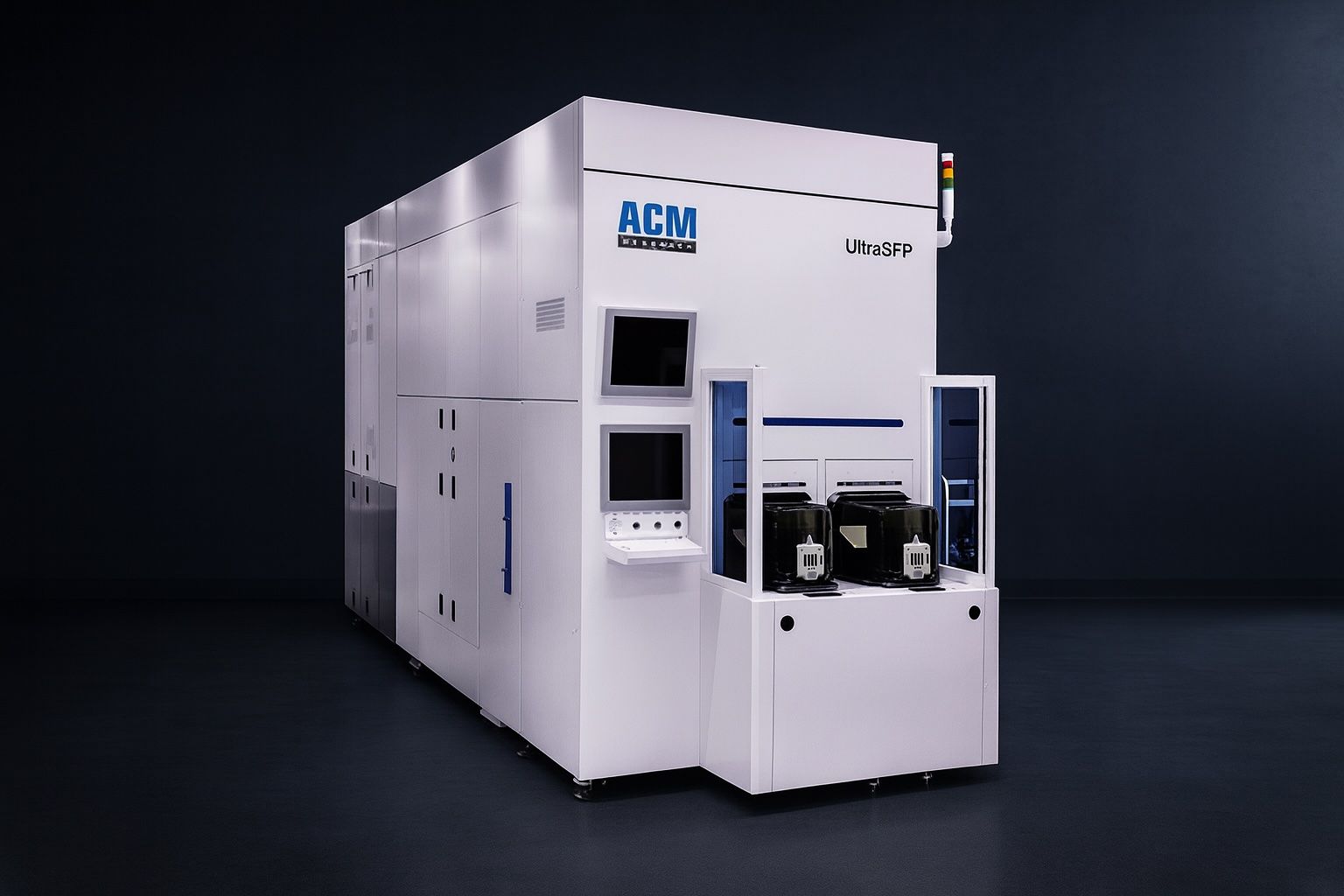
On Sept 29 2025 ACM Research announced that its backlog reached RMB 9.07 billion, representing a 34.1 % increase from a year earlier nasdaq.com. Backlog comprises shipped tools that have not yet met revenue‑recognition criteria and orders scheduled for future delivery. The surge underscores continued strong demand from Chinese semiconductor fabs and suggests revenue visibility well into 2026.
Apple Stock Outlook 2025: iPhone 17 Buzz, AI Push, and What’s Next for AAPL

Apple Stock Outlook 2025: iPhone 17 Buzz, AI Push, and What’s Next for AAPL

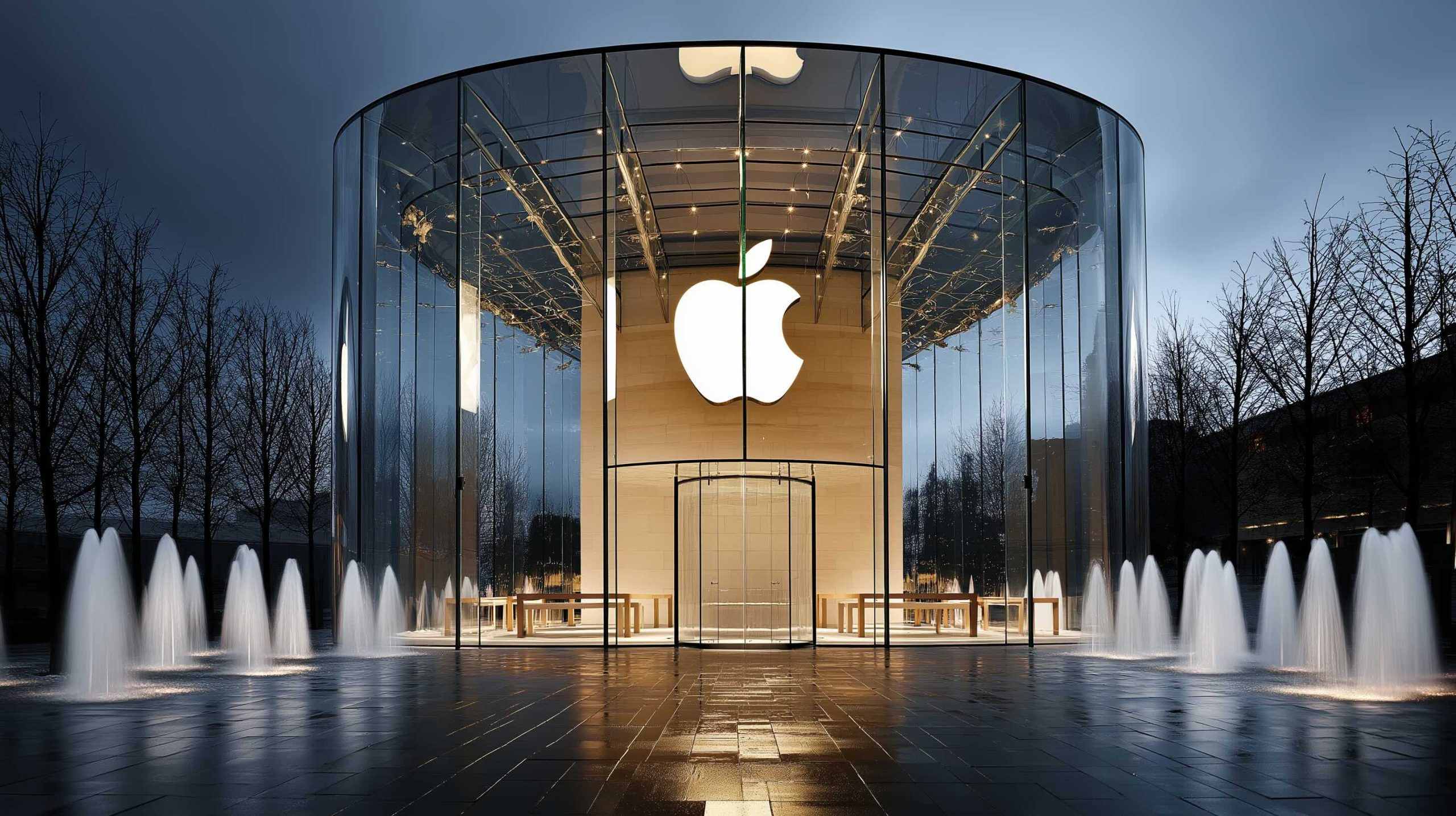
Apple’s stock has had a choppy year. After a selloff in early 2025, the shares rebounded following strong Q3 results in July. Fiscal Q3 revenue was $94.0 billion with EPS $1.57, topping consensus Reuters. All major segments grew: iPhone sales jumped 13.5% Reuters, Mac sales beat expectations, and services hit a new record. Growth was especially strong in emerging markets. Apple’s guidance for fiscal Q4 was optimistic: CFO Luca Maestri said revenue should rise in the “mid- to high single digits” year-over-year Nasdaq, implying growth above the low-single-digit consensus. This outlook reflects expected ongoing momentum in iPhone and Mac as well as continued expansion of services and AI-related investment.
Xiaomi 17 Pro Max vs iPhone 17 Pro Max: Monster Battery, Second Screen & the Ultimate Flagship Showdown

Xiaomi 17 Pro Max vs iPhone 17 Pro Max: Monster Battery, Second Screen & the Ultimate Flagship Showdown

When Xiaomi unveiled the 17 Pro Max in September 2025, it didn’t just launch another Android phone – it declared war on the traditional kings of the premium segment. Xiaomi’s CEO Lei Jun literally shared the stage with side-by-side comparisons to Apple’s latest devices, underscoring where he believes the Xiaomi 17 series has the upper handts2.techts2.tech. In an unprecedented move, Xiaomi even skipped the number 16 entirely – leaping from last year’s Xiaomi 15 straight to Xiaomi 17 – explicitly to match Apple’s iPhone 17 namingts2.techts2.tech. “The company even skipped a generation in naming, just so it could go head-to-head with Apple’s iPhone 17 series in both number and spirit,” one tech reviewer notedts2.techts2.tech. Xiaomi’s President Lu Weibing was more direct, posting on social media: “We are directly competing with the iPhone in the same generation and at the same level.”ts2.tech For Xiaomi, long a champion of high-value phones, the 17 Pro Max is a coming-of-age flagship intended to crack the premium market dominated by Apple and Samsungts2.techts2.tech.
30 September 2025
1 13 14 15 16 17 20