
New York, July 13, 2026, 14:05 EDT
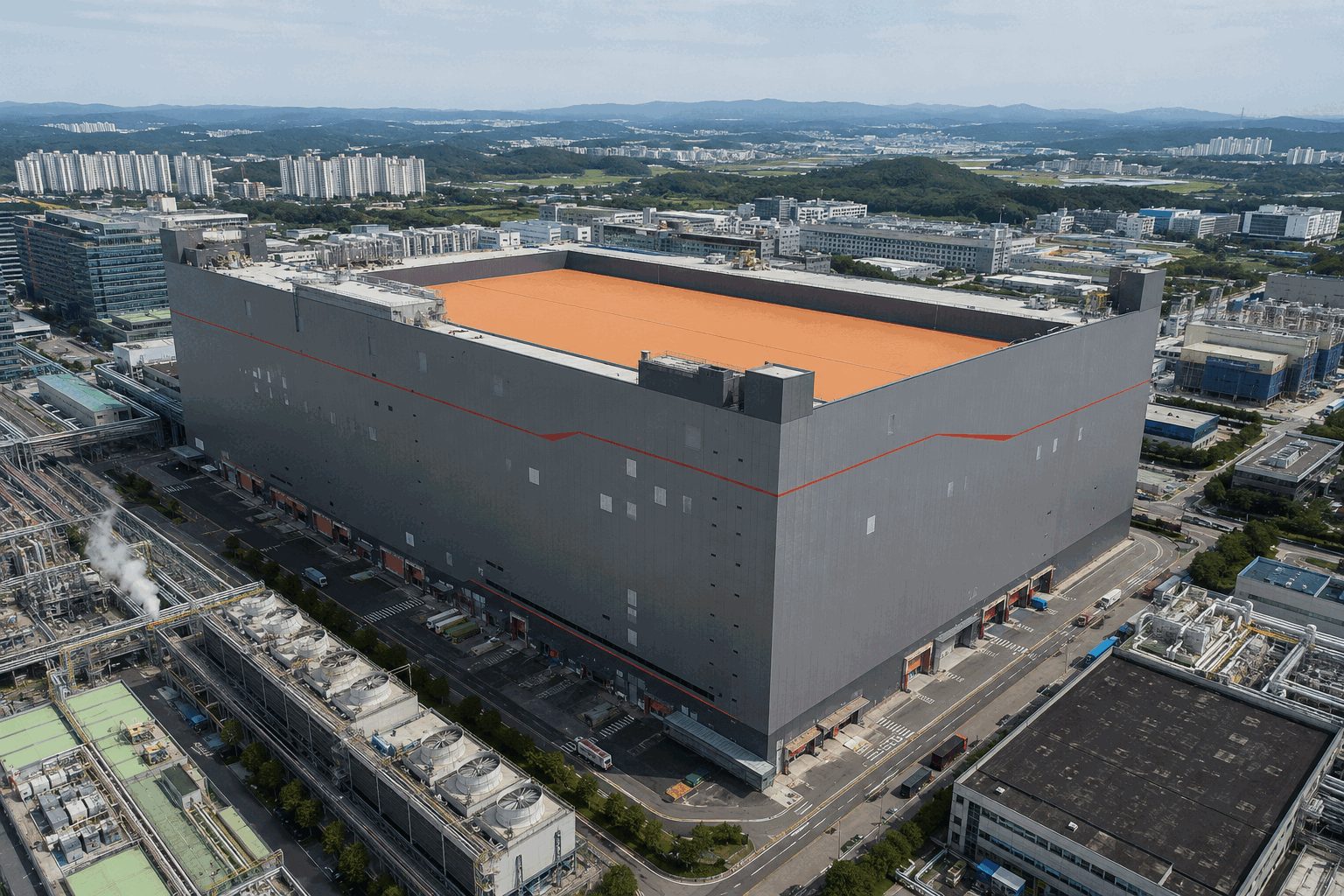
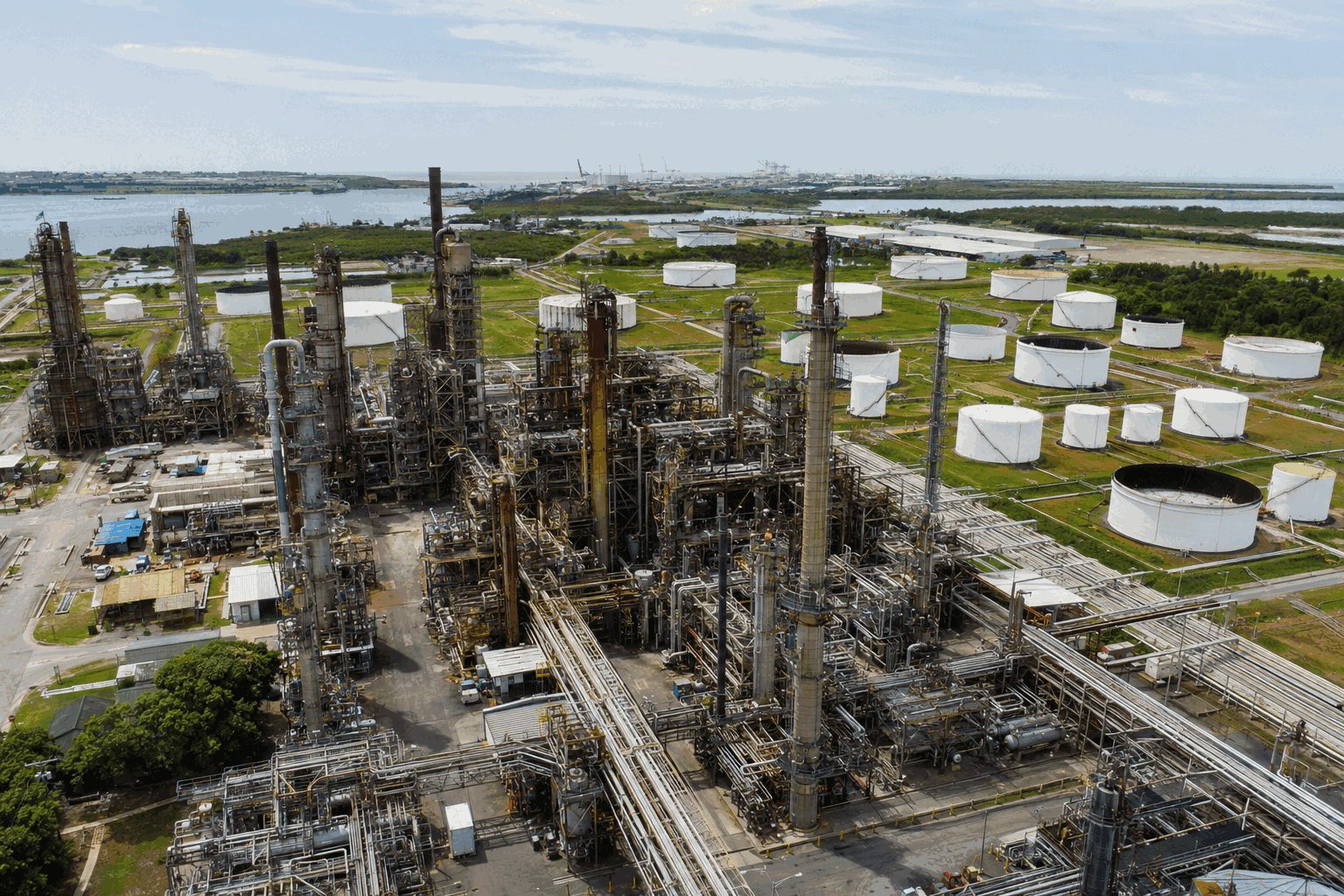
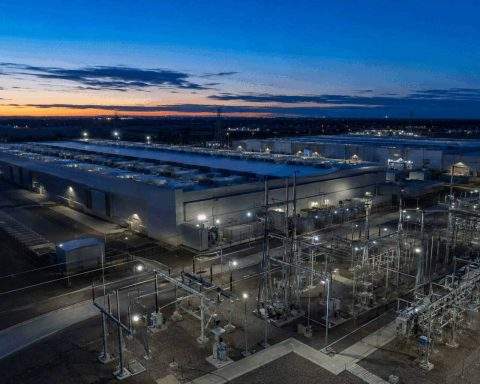
Meta Platforms NASDAQ:META said Monday it will boost its Hyperion data center in Louisiana to five gigawatts of computing power, and push investment in the project past $50 billion. The announcement puts a figure on CEO Mark Zuckerberg’s plan to sell AI computing capacity to others. Meta shares slipped about 1.3% to $661 Monday afternoon. The stock jumped 14.8% last week.
The investment is over $10 billion per planned gigawatt. One gigawatt can power about 800,000 U.S. homes. Bank of America NYSE:BAC analyst Justin Post says investors now value Meta’s computing at just $4 billion per gigawatt, versus $59 billion for Amazon and $110 billion for Alphabet. He puts Meta’s current worth at $12 billion per gigawatt, and notes there’s “significant upside considering specialized AI capacity that Meta is building.” Investopedia
| Yardstick | Value per planned gigawatt |
|---|---|
| Hyperion disclosed investment | Above $10 billion |
| Meta, current market-implied value — BofA estimate | $4 billion |
| Meta, BofA valuation case | $12 billion |
| Amazon NASDAQ:AMZN, market-implied value | $59 billion |
| Alphabet NASDAQ:GOOGL, market-implied value | $110 billion |
BofA’s latest Meta estimate values Hyperion at $20 billion for five gigawatts, under half what Meta says it has invested. Post’s model puts it at $60 billion. For all 14 gigawatts Meta aims to build by 2027, the two estimates are $112 billion apart. This isn’t a break-even math: construction spend, equity value and what the cloud business generates are separate lines. The final outcome will hinge on chips, utilization rates and whatever software Meta can sell on top.
Mark Zuckerberg told Bloomberg last week Meta doesn’t have spare computing power right now, but still sees sense in launching an AI cloud business, calling offers for limited processing power “compelling.” The idea is still being worked out and could shift. If Meta sells capacity, it would go up against Amazon Web Services and Google Cloud from Alphabet, which already have customers, billing systems and enterprise support in place. Bluesky Social GuruFocus Reuters
Hyperion’s big upfront number works out to about 34% to 40% of Meta’s total 2026 capex guidance of $125 billion to $145 billion. The Louisiana campus is a multi-year build and Meta isn’t funding the whole thing itself. In the original deal, Meta kept about 20% of a $27 billion JV with most of the rest going to Blue Owl Capital NYSE:OWL funds. Meta hasn’t said how it will split the extra expansion funding.
Cost control is set to matter nearly as much as rents. Meta has plans to roll out seven gigawatts this year and targets 14 gigawatts next year. The company will also launch production of its Iris AI chip in September. Iris will back up GPUs, the chips AI workloads usually run on. “You can’t become an AI titan if you are dependent on another company for chips,” said Mike Gualtieri, analyst at Forrester. Reuters
Meta still hasn’t proven it can get enough outside cloud business to make money at solid margins. JPMorgan Chase NYSE:JPM analyst Doug Anmuth held his Neutral rating and $725 target Monday. “We’re optimistic on early signs of AI monetization beyond digital advertising,” he wrote, but said whether Meta can win over developers and corporate clients is key. If customers are slow to ramp up, rental rates drop or internal use jumps, Meta could face big costs without the revenue coming in. Barron’s
Spending forecasts are putting more heat on that revenue hurdle. Morgan Stanley NYSE:MS analyst Brian Nowak on Monday bumped up his Meta capex estimate to $225 billion for 2027 and $250 billion for 2028. He’s looking for hyperscalers — the biggest cloud and data center players — to spend $1.4 trillion in 2028. What matters now for investors isn’t more capacity plans. It’s locked-in external demand and proof that every new gigawatt brings in more money than it uses.
Related articles: NASDAQ:META



![US Stock Market Today 08/24/2026 [UPDATE: 02:06 EDT] [Memory Rout Accelerates as Micron and Sandisk Losses Double]](https://ts2.tech/wp-content/uploads/2026/08/US-market-dashboard-2026-08-24-0203-480x384.jpg "US Stock Market Today 08/24/2026 [UPDATE: 02:06 EDT] [Memory Rout Accelerates as Micron and Sandisk Losses Double]")