
AMSTERDAM, June 25, 2026, 14:05 CEST
- Nebius and CoreWeave each have a Zacks Rank #3. But Nebius has outpaced CoreWeave in the past year.
- Investors are moving on from signed AI deals to checking if Nebius can actually deliver at its Vineland, New Jersey facility.
- U.S. regular trading was not open at the time of the dateline. Nebius ended Wednesday at $259.66 and CoreWeave closed at $100.88.
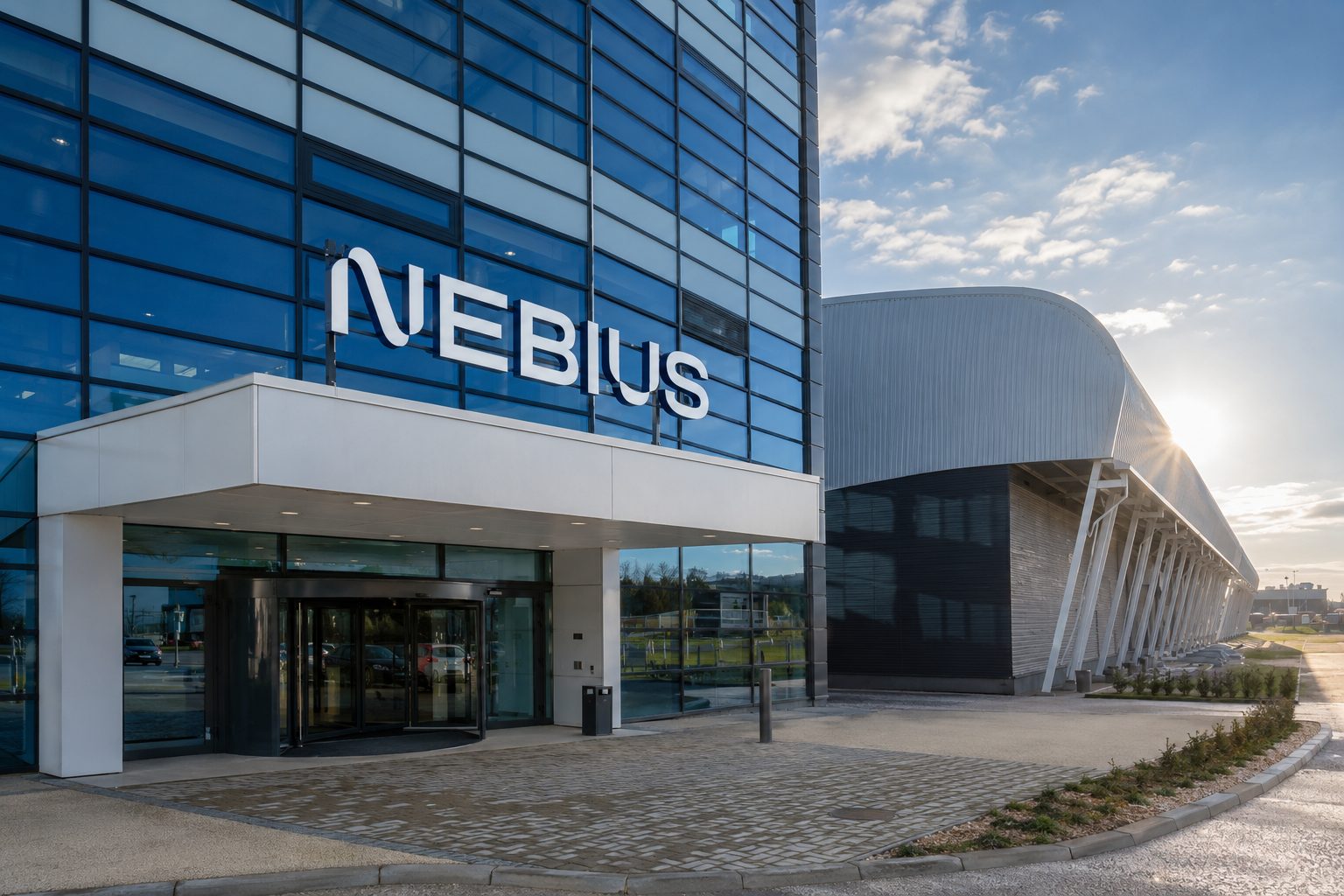
Nebius Group NASDAQ:NBIS rolled out Nebius AI Cloud 3.6 on Wednesday, adding an infrastructure-control agent, more security, and better storage for production AI workloads. The Amsterdam-based firm announced the new software release, but the main question for investors stays the same: how quickly it can turn its contracted power into running AI capacity.
Nebius product news dropped this week as Vineland faced a new bear call. A June 23 Seeking Alpha piece said Nebius has shifted from a demand story to a delivery story at the New Jersey site linked to Microsoft NASDAQ:MSFT, with the focus now on connected power instead of contracted power.
CoreWeave and Nebius look different if you dig past the stock moves. Zacks, quoted on TradingView, said CoreWeave dropped 35.5% in the last year, but Nebius jumped 455.9%. Both stocks are rated Hold. Nebius trades at 9.91 times book, near CoreWeave’s 10.36.
Power math is closer. Based on Wednesday’s close and Nebius’s Q1 share count, Nebius’s equity value worked out to around $66 billion. The company says contracted capacity is above 3.5 GW, aiming for more than 4 GW by year-end. That prices Nebius at around $19 billion per contracted GW now, or about $16.5 billion on the year-end number.
CoreWeave said it had more than 3.5 GW of contracted power and over 1 GW active in the first quarter. At its most recent valuation, the market value came in at about $53.2 billion—roughly $15 billion per contracted GW. CEO Michael Intrator called it the “strongest bookings quarter” for the company. He said CoreWeave passed 1 GW of active power. CoreWeave Investors
Nebius reported first-quarter revenue of $399 million, up from $50.9 million a year ago. Spending on property, equipment and intangibles climbed to $2.47 billion. In May, Reuters said Nebius increased its 2026 capex outlook to between $20 billion and $25 billion. CEO Arkady Volozh said, “several customers competing for every GPU.”
The Vineland site is key for Microsoft’s $17.4 billion, five-year AI infrastructure deal with Nebius, which is locked to capacity at that location. BWS Financial analyst Hamed Khorsand called the Microsoft agreement “unprecedented clarity” on Nebius’s long-term revenue when it was signed. Reuters
Power is up next. Nebius and Bloom Energy NYSE:BE announced in May that Bloom fuel cells will take over from combustion-based tech at Nebius’s first U.S. site. They plan for 328 MW of installed capacity to go live this year. “Power remains a key constraint,” said Nebius infrastructure chief Andrey Korolenko. Nebius
Local pushback is still strong. In March, WHYY said roughly 100 people met in Vineland to protest the AI data center, with complaints about noise, emissions, power use, and water. Developer DataOne has promised the center will create over 200 full-time jobs and turn into one of Vineland’s top taxpayers.
New Jersey policy is another risk in the valuation. One bill would hit data centers planning at least 100 MW of monthly demand with tariffs set up to shield other ratepayers. Those customers would have to backstop 85% of their service request for at least 10 years after service begins.
For investors, demand is not in doubt. Meta Platforms NASDAQ:META has signed on to buy $12 billion in Nebius capacity by 2027, with another $15 billion on offer over five years if it isn’t sold elsewhere. The question is what it costs in capital, permits, local approval and power to turn those contracts into actual revenue.
Related articles: NASDAQ:NBIS