
New York, July 10, 2026, 13:10 (EDT)
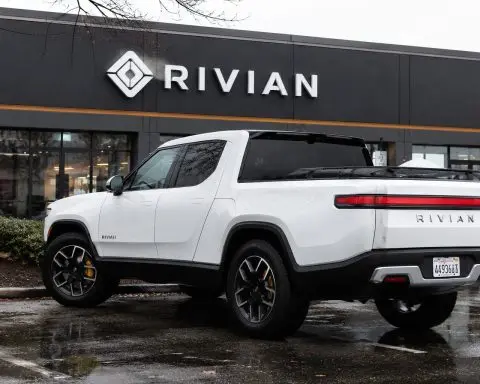
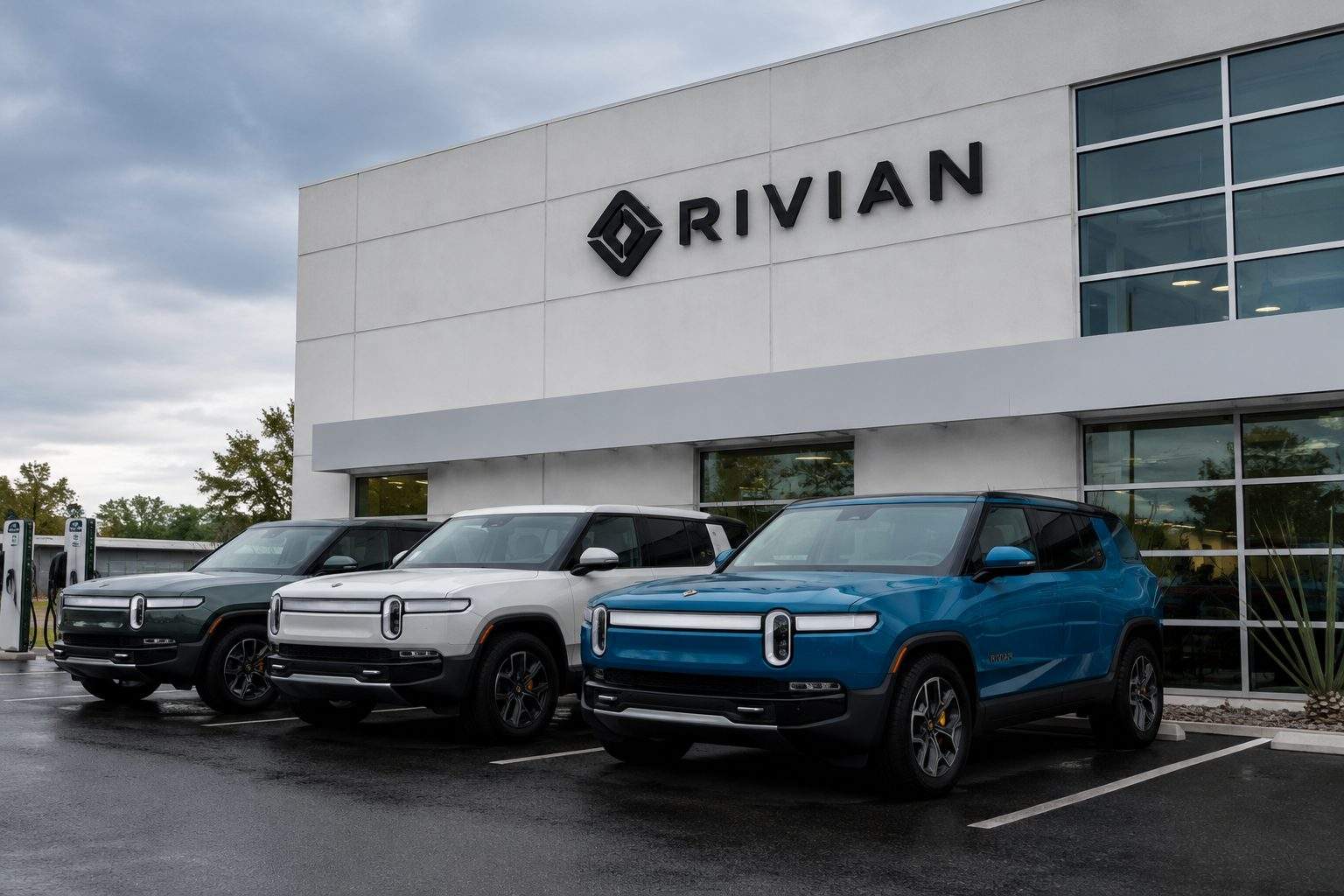
Rivian Automotive, Inc. NASDAQ:RIVN shares rose 0.7% to $18.24 in Friday afternoon trading after a filing showed underwriters had taken their full allotment in its discounted stock sale. The exercise lifted the issue to 86.25 million shares and estimated net proceeds to $1.32 billion. Rivian now trades nearly 18% above the $15.50 offer price.
That rebound masks a harsher signal. Using the June 1 share count in the prospectus, the issue creates about 6% dilution — a smaller ownership slice after new shares are issued. Yet Rivian fell 18.1% on Tuesday and remains 9.4% below Monday’s $20.14 close, suggesting investors also marked down the company for financing and execution risk.
| Deal and price measure | Result |
|---|---|
| New shares issued | 86.25 million |
| Estimated net proceeds | $1.32 billion |
| Offer discount to Monday close | 23.0% |
| Existing-holder dilution | About 6.0% |
| Friday premium to offer price | 17.7% |
| Friday gap to Monday close | 9.4% below |
The balance-sheet gain is material, though not open-ended. Adding the proceeds to Rivian’s preliminary June 30 cash, cash equivalents and short-term investments of $5.3 billion gives a simple pro-forma balance of $6.62 billion, before spending since quarter-end. The sale equals 1.23 times first-quarter negative free cash flow of $1.075 billion; free cash flow means cash from operations after capital spending.
There is another, less comfortable bridge. Rivian ended March with $4.83 billion and received $1 billion from Volkswagen AG ETR:VOW3 on April 30, which would have taken the balance to $5.83 billion before other movements. The June estimate leaves a $530 million gap to be explained by operations, investment, working capital and other balance changes — not a formal second-quarter cash-flow figure, but evidence that outside capital was already being absorbed.
The sale followed a strong operating update. Rivian produced 12,613 vehicles and delivered 12,194 in the second quarter, beating its 9,000-to-11,000 delivery outlook, then raised its 2026 forecast to 65,000–70,000 vehicles. Preliminary revenue of $1.55 billion to $1.65 billion also topped the $1.45 billion average analyst estimate compiled by LSEG.
Still, the revised annual guide contains a steep second-half hurdle. To reach its midpoint of 67,500, Rivian must deliver about 44,900 vehicles over the final six months, or roughly 22,500 a quarter — 84% above its second-quarter total. The smaller R2 SUV, expected to compete with Tesla, Inc. NASDAQ:TSLA’s Model Y, must carry much of that step-up.
Wall Street remains split. Jefferies analyst Owen Paterson raised his price target to $17 from $16 but kept a Hold rating, writing that the sale “significantly improves the funding profile” while warning that cash burn would remain substantial through 2027–2028. Stifel analyst Stephen Gengaro lifted his target to $22 from $20 with a Buy rating. HSBC analyst Neil Churchill was blunter: Rivian “is loss making and cash burning.” PriceTarget
Friday’s tape offered no clear sector-wide signal. Rivian lagged Tesla but outperformed Lucid Group, Inc. NASDAQ:LCID, while moving more than the technology-heavy Invesco QQQ Trust NASDAQ:QQQ.
| Security | Price | Friday move |
|---|---|---|
| Rivian Automotive NASDAQ:RIVN | $18.24 | +0.7% |
| Tesla NASDAQ:TSLA | $412.27 | +1.4% |
| Lucid Group NASDAQ:LCID | $5.72 | -2.0% |
| Invesco QQQ Trust NASDAQ:QQQ | $724.95 | +0.2% |
But the financing does not close the downside case. Rivian has said advances under its Department of Energy loan depend on milestones that may be delayed or missed. If the R2 ramp slips while cash use remains high, the new equity could be consumed before lower-cost loan funding arrives, putting another share sale, more debt or slower investment back on the table.
Full second-quarter results are due July 30. Investors will focus less on the already reported unit count than on automotive gross margin, free cash flow and evidence that a quarterly delivery pace near 22,500 is achievable. The rebound says the raise bought time. The remaining discount to Monday’s price says the market has not priced the execution risk away.
Related articles: NASDAQ:RIVN