SYDNEY, May 28, 2026, 17:24 AEST
- Australian shares ended the session sharply down, with Gulf tensions driving oil higher and hurting risk appetite.
- Selling hit banks, miners, and technology stocks hardest.
- Inflation is still the key focus locally, despite April’s headline CPI cooling.
ASX 200 drops 1.4% as Middle East tensions weigh
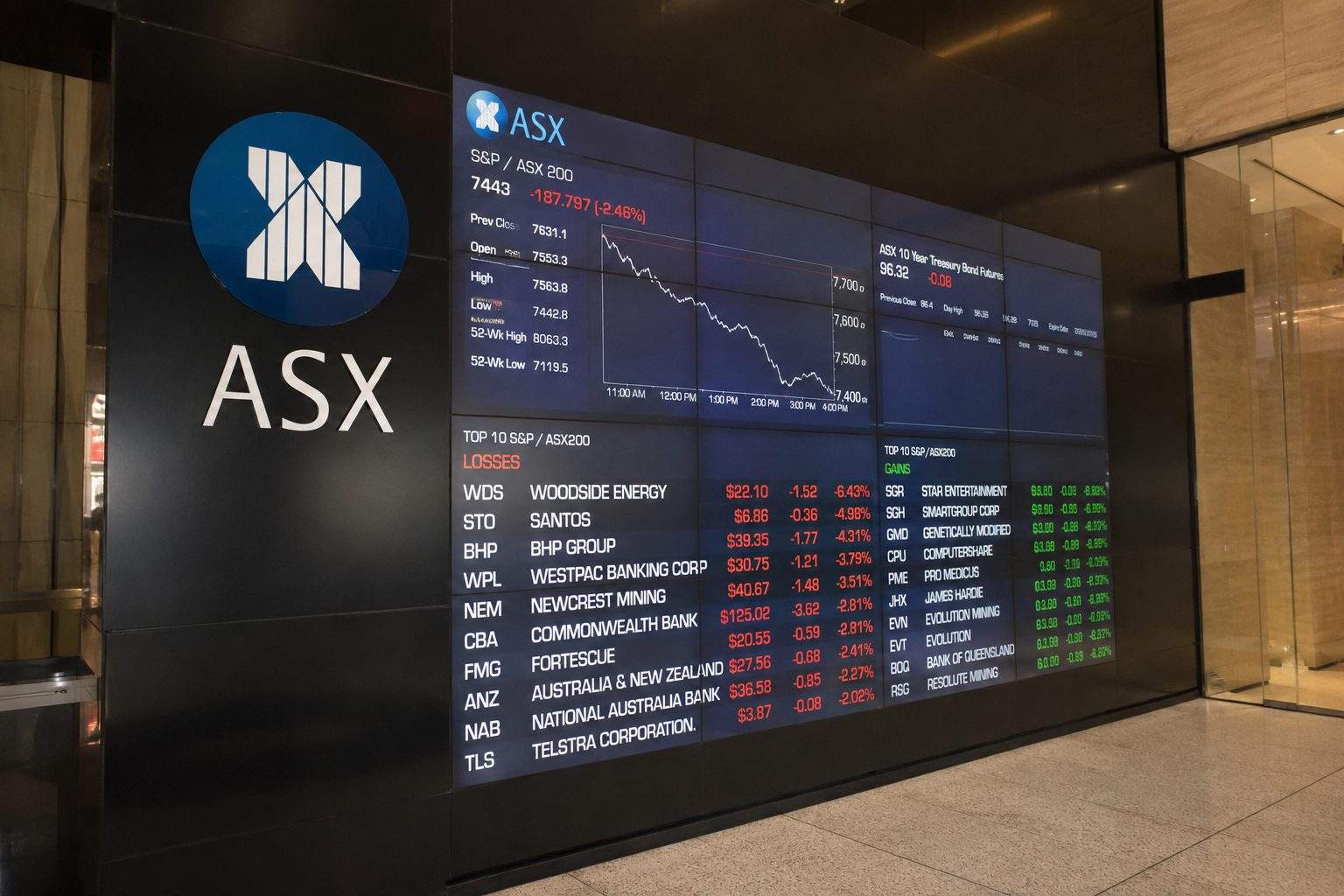
Australian stocks fell sharply Thursday, with the S&P/ASX 200 dropping about 1.4% to end the session at 8,592.90. Renewed fighting near the Strait of Hormuz hit banks, miners and tech names. The ASX 200 tracks large Australian companies.
Oil’s rebound ended a short-lived bounce in Australian markets after weaker inflation data gave some relief. The lower headline CPI had pushed down pressure on the Reserve Bank of Australia. But with oil coming back, investors now face the same issue from recent weeks—energy shocks that push up inflation and could keep rates high longer.
Asia saw risk-off moves after new U.S. strikes hit Iranian targets and news came in of attacks in Kuwait. Brent crude bounced, Treasury yields climbed, and stocks dropped across major indexes. The Nikkei dropped 1.4%, South Korea’s KOSPI lost 3.2%, and MSCI’s Asia-Pacific index slid 2.1%.
Stocks fell sharply in Sydney, with Market Index reporting that banks, miners and tech stocks each lost over 2% in the session. The Emerging Companies index slid 2.5%. Gold miners took a bigger hit, as the S&P/ASX All Ordinaries Gold index dropped 7.1% at its worst when bullion prices slipped.
Major lenders dropped in the selloff. Commonwealth Bank, National Australia Bank, and Westpac traded lower, as the same worries over rates and growth affecting global financial shares hit the local banks.
ASX Ltd stayed under pressure, dragging after a tough week. The Inside Adviser reported the stock lost 9.7% following analyst downgrades. Other names with notable moves included Endeavour Group, Web Travel, Southern Cross Media and Nufarm.
Markets are awaiting a clear outcome, with Madison Cartwright, senior geo-economics analyst at CBA, telling Reuters it’s “either a deal for a new ceasefire, or the current ceasefire will have collapsed.” He said there’s a 70% chance of a deal, but the Strait of Hormuz situation is still uncertain. Reuters
The data at home didn’t clear things up for investors. The Australian Bureau of Statistics reported annual CPI eased to 4.2% in April from 4.6% in March. But trimmed mean inflation, the core measure that cuts out the biggest price jumps and drops, ticked up to 3.4%. That keeps it above the Reserve Bank of Australia’s 2% to 3% target.
Harry McAuley, economist with Oxford Economics Australia, says he sees headline inflation topping out at 4.9% in the second quarter, then dropping below the RBA’s upper target band by mid-2027. “The rate hike cycle is on hold,” he said, adding the labour market is losing some steam. Reuters
Australian household spending dropped 1.1% in April to A$79.42 billion, more than analysts had forecast. The data showed that air transport took the biggest hit as travel demand softened and airlines pulled back on routes.
The worry now is the market might be banking too much on a ceasefire. If oil prices hold up or shipping through Hormuz stays messy, inflation could stick around after the initial jump. That would give the RBA less space to pause and add strain on sectors like banks, property, and tech that feel rates most.
PCE inflation numbers land in the next session, with the Fed’s go-to price gauge due late Thursday AEST. Durable goods, jobless claims, and GDP are also set for release. China’s official manufacturing PMI hits on Sunday. That could bring another risk for resource names.