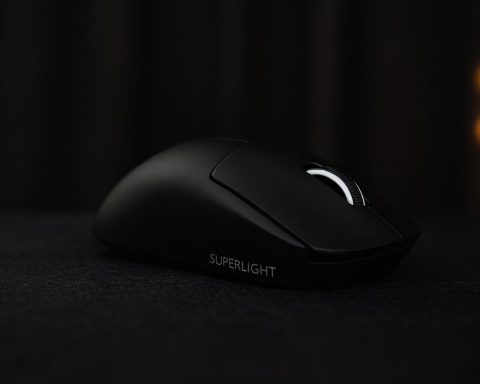
Logitech G Pro X Superlight 2 vs Razer DeathAdder V3 Pro vs SteelSeries Aerox 5 Wireless – Ultimate Gaming Mouse Comparison
Gaming mice at the elite level are all about precision, speed, and comfort. Logitech’s G Pro X Superlight 2, Razer’s DeathAdder V3 Pro, and SteelSeries’ Aerox 5 Wireless rank among the top-tier wireless gaming mice in 2025, each with a distinct design philosophy. In this comprehensive comparison, we’ll examine sensor specifications, weight, battery life, wireless performance, shape and ergonomics, button layouts, software experience, build quality, and durability for each mouse. We’ll also include insights from professional reviews and esports pros, real-world performance in competitive play, as well as recent news on any upcoming models from Logitech, Razer, and SteelSeries that could influence your buying decision.