
New York, July 10, 2026, 16:05 EDT
- Tesla traded up 0.8% to around $410 late Friday, still down 3.7% from where it started July 1.
- Q2 deliveries came in 19.2% ahead of Visible Alpha’s forecast and topped production by 28,368 units.
- On July 22, results need to show if clearing inventory kept prices, margins and cash flow steady.
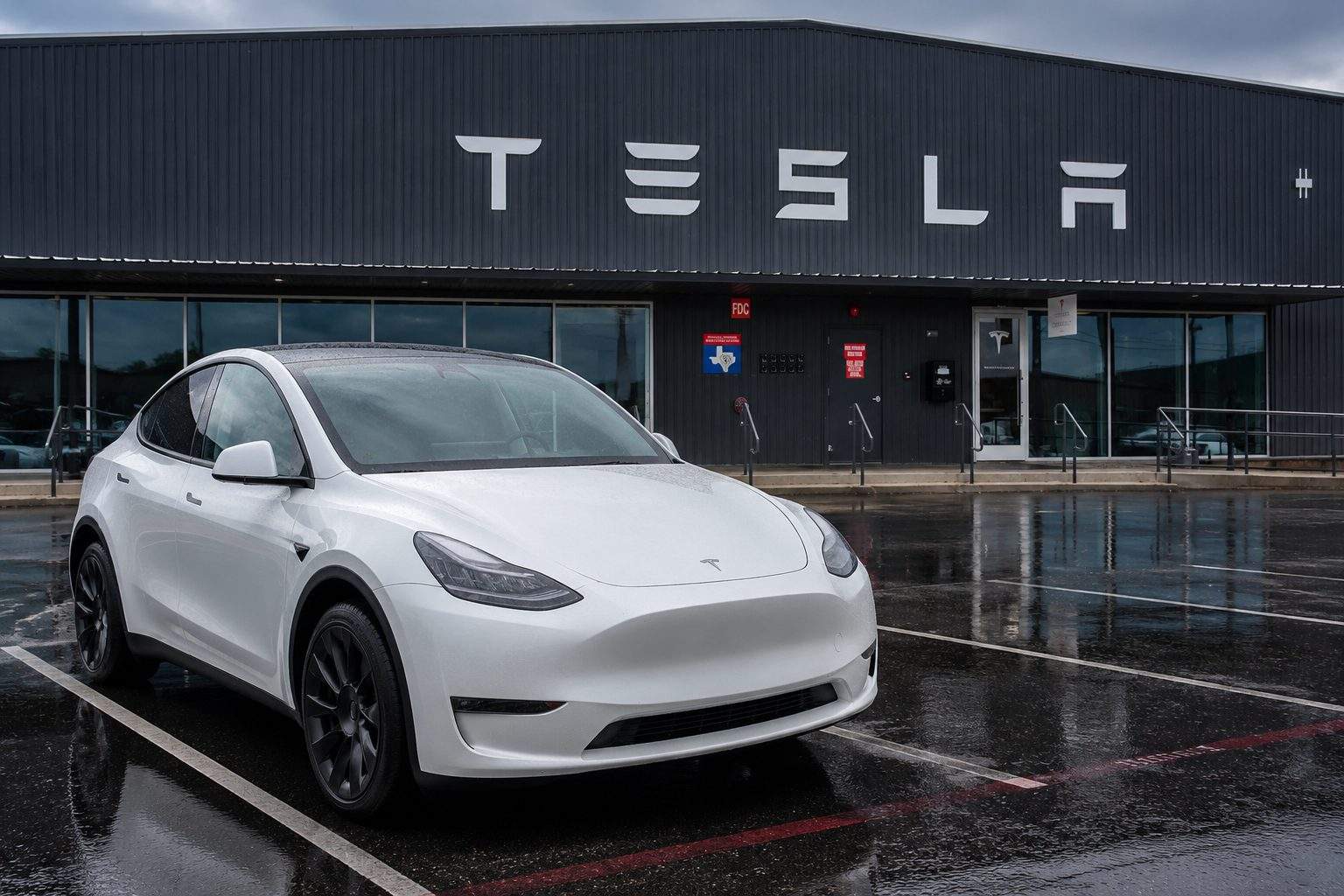
Tesla NASDAQ:TSLA shares gained going into the close Friday, but the stock was still trading below where it stood before the company’s record Q2 delivery numbers. At 3:48 p.m. EDT, TSLA was up 0.8% at $409.67. That’s still 3.7% lower than its July 1 close of $425.30.
This is key since the delivery beat didn’t answer the earnings debate. The number to watch is 28,368, which is how many more cars the company delivered than it made in the quarter. That means inventory dropped, with sales outpacing what Tesla produced for the period.
Tesla said it delivered 480,126 vehicles and built 451,758 in the quarter. That left a net drawdown equivalent to 5.9% of deliveries. The company warned that delivery numbers alone don’t tell the story for its quarterly earnings, pointing out that profits and cash also depend on average selling prices, production costs and currency rates. Full financials are coming after the market closes on July 22.
| Q2 2026 measure | Reported | Comparison | Difference |
|---|---|---|---|
| Vehicle deliveries | 480,126 | Visible Alpha estimate was 402,776 | Up by 77,350, or 19.2% |
| Vehicle production | 451,758 | Deliveries came in at 480,126 | Net inventory fell by 28,368 |
Tesla’s beat was big, but questions remain about quality. David Wagner, head of equity at Aptus Capital Advisors, a Tesla holder, said “the big money is still waiting to see if Tesla can actually deliver” on AI, robotaxis and self-driving. Reuters
Tesla’s stock has been volatile. Shares dropped 7.5% to $393.45 on July 2, after the company posted its delivery report. On Monday, after Tesla started robotaxi service in Miami, the stock bounced back 6.7% to $419.77. Still, that’s 1.3% below where it traded before the report.
Late trading didn’t bring much of a bounce for U.S. EV stocks. Tesla managed to do better than Rivian Automotive, Inc. NASDAQ:RIVN and Lucid Group, Inc. NASDAQ:LCID, and it also topped the Nasdaq Composite’s gain of about 0.3%.
| Asset or reference level | Late price/index | Friday change |
|---|---|---|
| Tesla | $409.67 | added 0.8% |
| Rivian | $17.81 | dropped 1.7% |
| Lucid | $5.59 | fell 4.1% |
| Nasdaq Composite | 26,286.11 | up 0.3% |
Rivian and Lucid quotes came in just before the regular close, while the index number was Nasdaq’s early July 10 read.
Fresh takes from analysts were mixed on Tesla’s future value drivers. Citizens’ Andrew Boone launched coverage at Market Perform, similar to hold, saying hopes for the Optimus humanoid robot were “too optimistic” for now. Boone argued that physical AI — machine-operating software interacting in the real world — will need more time to scale than the market expects. TipRanks
UBS analyst Joseph Spak boosted his price target on Tesla to $442 from $364, citing increased value for Tesla’s AI and robotics efforts. He kept his Neutral rating on the stock and did not upgrade his outlook on vehicle sales or profit. Spak’s new target was about 7.9% above where Tesla closed late Friday.
This isn’t all negative for the stock. The inventory drop might signal real demand and improved cash conversion, not just price cuts. If auto margins stay put and robotaxi numbers grow, shares could get back to $425 before long. The risk is that incentives have pushed down prices, while expenses for AI, robots and autonomous driving keep going up, which could leave earnings and cash flow too light for the current valuation.
On July 22, Tesla investors are looking past deliveries to see what the company made from those sales. The key numbers this time: automotive gross margin, cash flow from operations, and updates on robotaxi and Optimus plans. These will signal if clearing out 28,368 vehicles was a smart adjustment or just a costly fix for the quarter.
Related articles: NASDAQ:TSLA