Today: 3 April 2026

Sky Scanners: How SAR Imaging Satellites Are Redefining Earth Observation

Sky Scanners: How SAR Imaging Satellites Are Redefining Earth Observation

About 75% of Earth is hidden from optical satellites by clouds or darkness at any time. Synthetic Aperture Radar (SAR) satellites like Sentinel-1, RADARSAT, TerraSAR-X, COSMO-SkyMed, ICEYE, and Capella Space provide high-resolution, all-weather, day-and-night imaging. ICEYE and Capella now offer sub-meter resolution and rapid delivery. NASA/ISRO’s NISAR mission is set to launch in 2025 with dual-band SAR.

fldksafljads

Satellite Phones: Comprehensive Global FAQ

Iridium operates 66 LEO satellites at 780 km, offering true global coverage and 0.1–0.2 second latency; its Extreme 9575 handset costs about $1,400. Inmarsat uses 3–4 GEO satellites for near-global service, with IsatPhone 2 priced around $1,000. Thuraya covers 160 countries with two GEO satellites; XT-LITE costs $650. Several countries, including China and India, ban or restrict satphones.
Starlink Satellite Internet FAQ

Starlink Satellite Internet FAQ

SpaceX's Starlink had over 7,500 satellites launched and 6,750 active in orbit by early 2025, serving more than 5 million customers in over 125 countries. Typical download speeds range from 50 to 200 Mbps with latency of 20–40 ms. Residential kits cost about $599, with U.S. promotions as low as $349. SpaceX targets 12,000 satellites by 2027 and is planning direct-to-cell service and a potential IPO.
7 June 2025
Satellite Internet FAQ

Satellite Internet FAQ

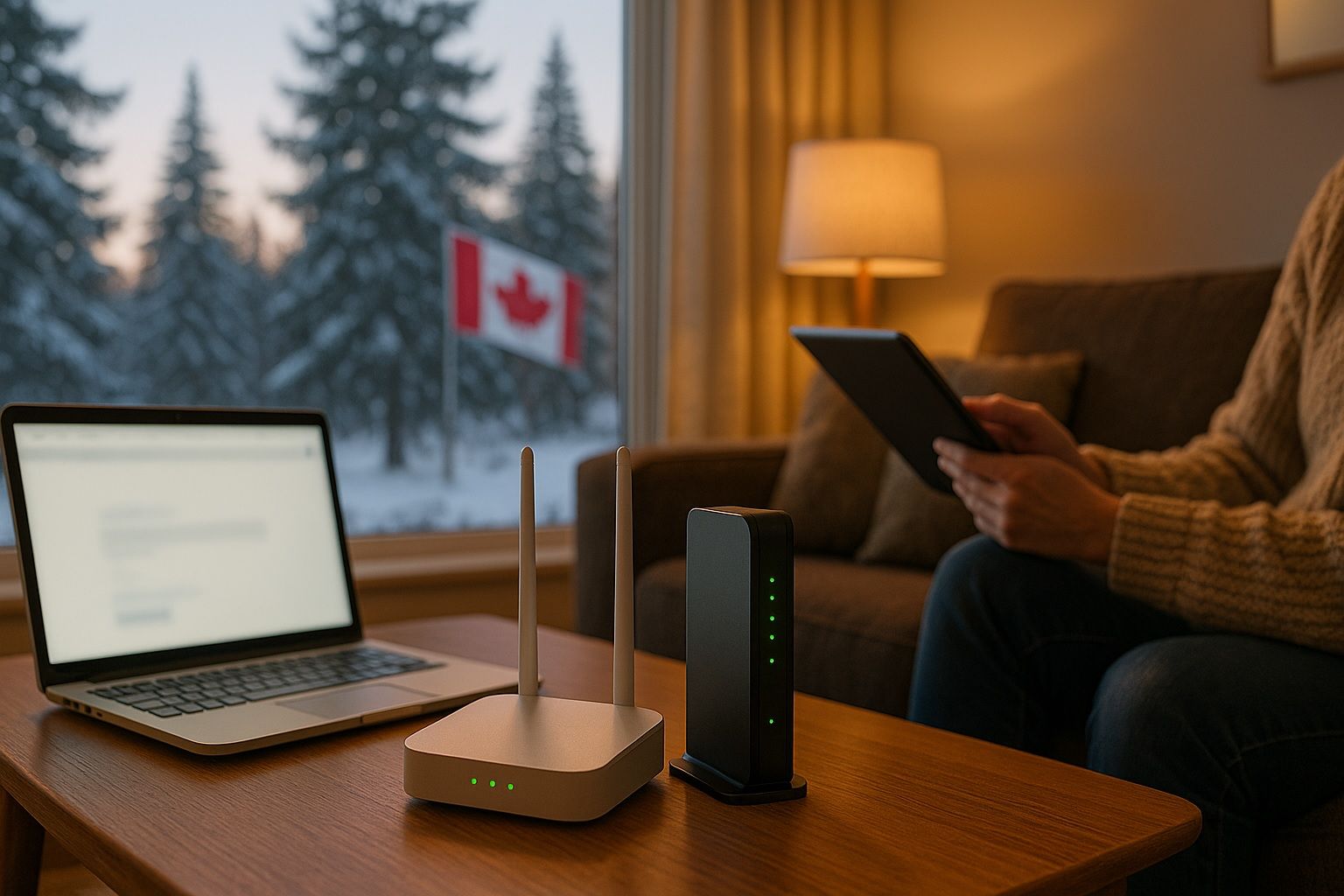
Traditional GEO satellite internet, such as HughesNet and Viasat, sends data 22,000 miles to orbit, resulting in 600–800 ms latency. Starlink uses low-Earth orbit satellites, offering 50–200 Mbps download and 20–40 ms latency. HughesNet and Viasat impose data caps; Starlink does not. Weather can disrupt service, though Starlink dishes may include heaters to melt snow.
Satellite Technologies FAQ

Satellite Technologies FAQ

Sputnik 1 became the first artificial satellite in 1957, followed by the U.S. Explorer 1 in 1958. As of 2025, more than 11,000 active satellites orbit Earth, with Starlink accounting for a large share. The first accidental satellite collision happened in 2009. Geostationary satellites remain fixed over the equator, while low-Earth-orbit networks like Starlink offer lower latency internet.
Where Satellite Phones Are Illegal?

Where Satellite Phones Are Illegal?

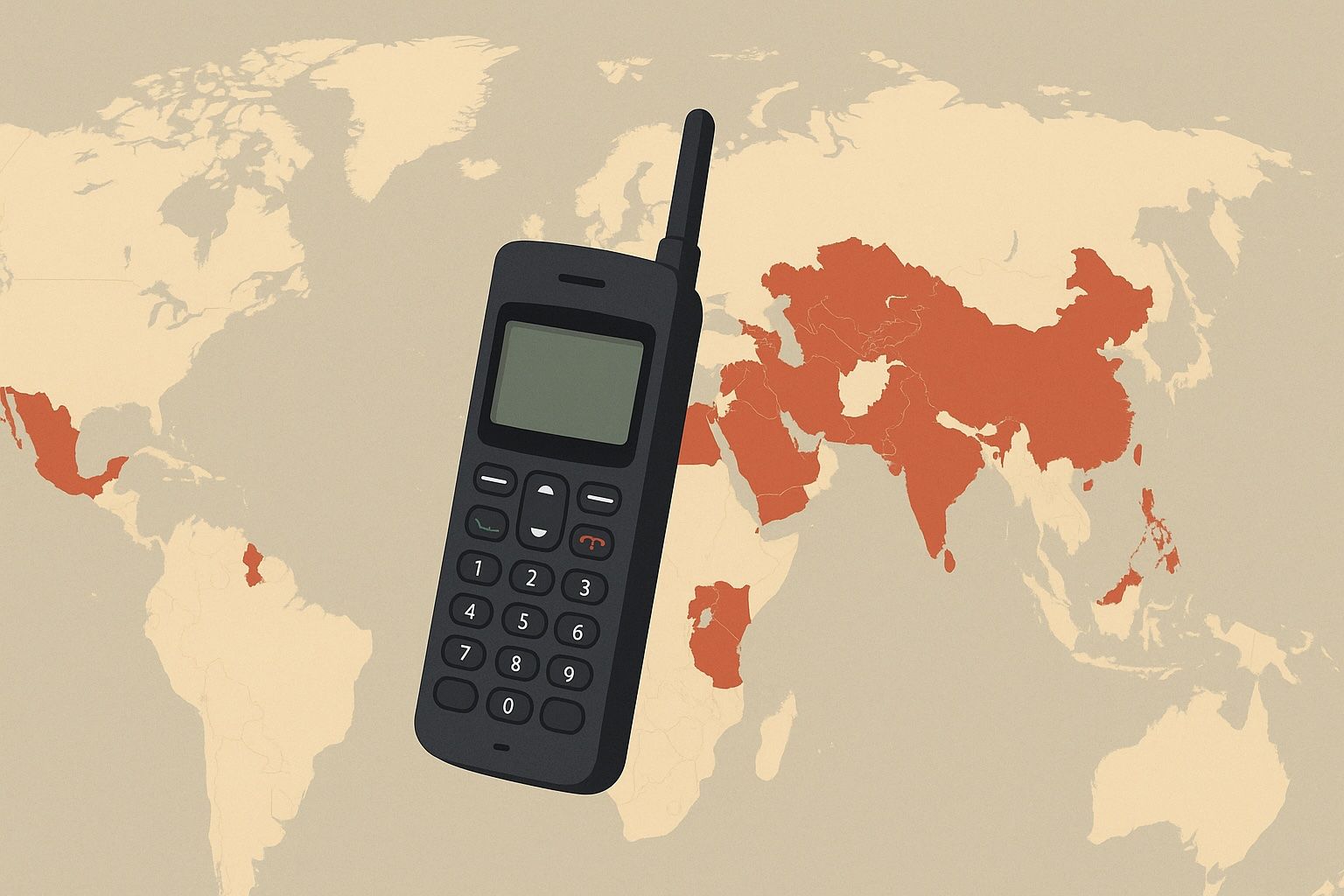
Bangladesh, Chad, Turkmenistan, and Myanmar ban satellite phones, with possession punishable by arrest. North Korea and China prohibit unauthorized devices, requiring registration or surrender, and may detain violators. India, Russia, Sri Lanka, and Mauritius allow satellite phones only with government approval and licensing. Enforcement ranges from confiscation to imprisonment.
6 June 2025
Eyes in the Sky: How Satellites Are Revealing Our Changing Climate

Eyes in the Sky: How Satellites Are Revealing Our Changing Climate

Radar altimeter data from satellites since 1992 show global mean sea level has risen about 10 centimeters, or 3.3 millimeters per year. Arctic summer sea ice extent has dropped 12% per decade since the 1980s. GRACE missions report Greenland and Antarctica are losing hundreds of billions of tons of ice annually. Over 150 Earth observation satellites now track climate indicators worldwide.
6 June 2025
Chad’s Digital Desert: The Shocking Truth Behind the Country’s Internet Revolution

Chad’s Digital Desert: The Shocking Truth Behind the Country’s Internet Revolution

About 2.74 million people in Chad use the internet in 2025, just 13% of the population. Mobile subscriptions stand at 14.5 million, with most internet access via mobile networks. Starlink launched broadband service in late 2024, offering speeds up to 150 Mbps for $50 a month. The government targets nationwide coverage by end-2025 and seeks $30 billion in investment to expand broadband and electrification.
Everything You Never Knew You Needed to Know About Differential and Precise Point Positioning

Everything You Never Knew You Needed to Know About Differential and Precise Point Positioning

RTK delivers centimeter-level accuracy in real time when the base is within 10–20 km, while PPP provides similar accuracy globally but requires minutes to converge. John Deere’s StarFire system improved from 10 cm to 5 cm accuracy using dual-frequency GPS+GLONASS. Galileo HAS began global decimeter-level PPP corrections in 2023. The u-blox ZED-F9P module enables centimeter-level positioning for drones and robots at low cost.
Internet Access in Cape Verde: Current Status and Outlook

Internet Access in Cape Verde: Current Status and Outlook

About 73.5% of Cape Verde’s population, or roughly 387,000 people, were internet users in early 2025. More than 600,000 mobile cellular connections were active, exceeding the population, with 91% broadband-capable. Fixed broadband speeds averaged 19.8 Mbps down and 12 Mbps up by early 2025. Starlink launched in late 2024, and mobile data costs fell 88% from 2022 to 2023.
6 June 2025
Global Navigation Showdown: How GPS III, Galileo, BeiDou & GLONASS Upgrades Will Change How You Navigate

Global Navigation Showdown: How GPS III, Galileo, BeiDou & GLONASS Upgrades Will Change How You Navigate

SpaceX launched the GPS III satellite Katherine Johnson in 2025, part of a modernization delivering triple the accuracy and stronger anti-jamming. Galileo reached 27 satellites by late 2024, targeting 30 by end-2025, with its HAS service offering 20 cm horizontal accuracy since 2023. BeiDou-3 provides real-time positioning with 16 cm horizontal accuracy. Russia’s GLONASS-K2, set for 2025, aims for 0.3 m accuracy by 2030.
The Space Race for the Internet: Inside the Billion-Dollar Satellite Mega-Constellation Boom

The Space Race for the Internet: Inside the Billion-Dollar Satellite Mega-Constellation Boom

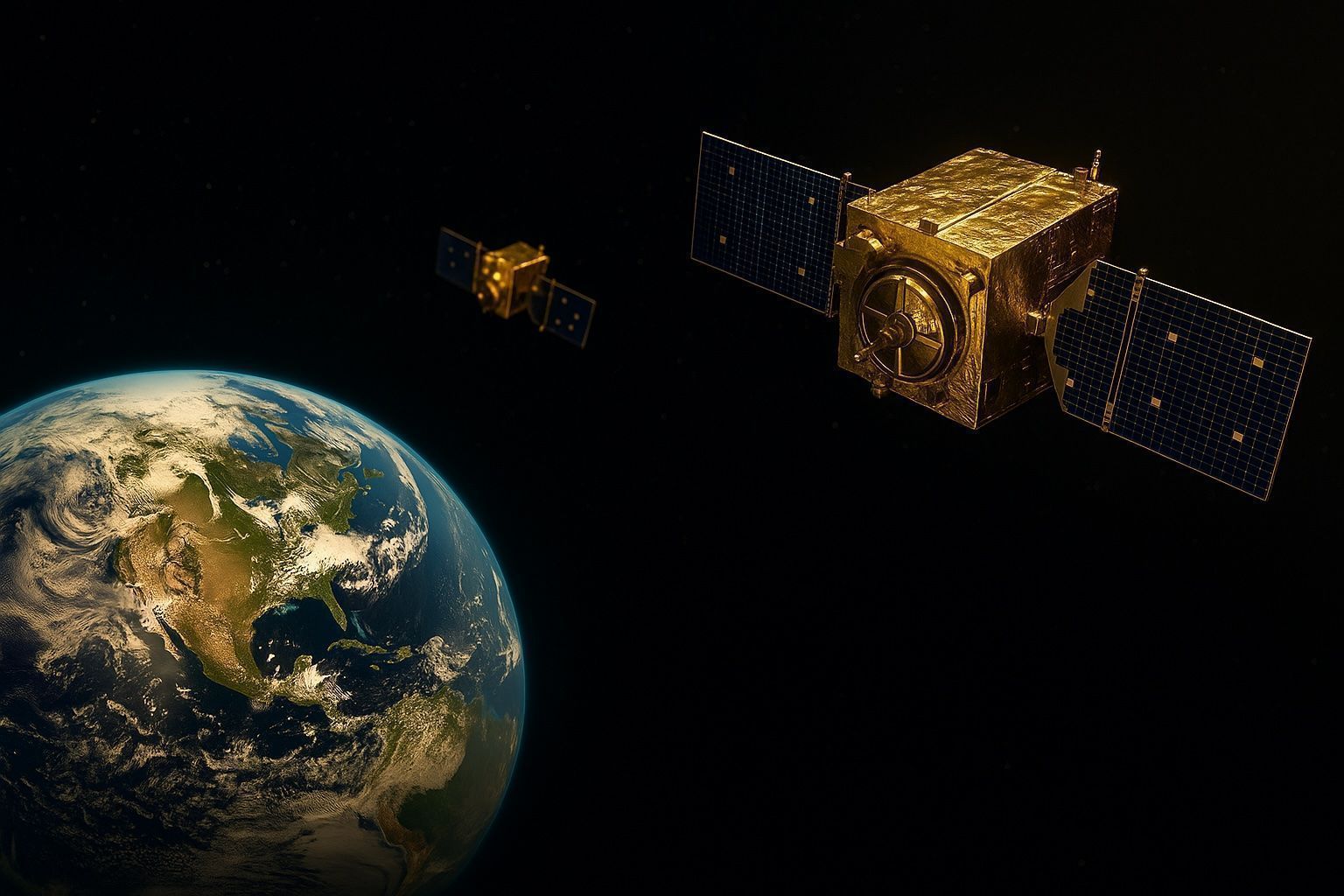
Starlink operates about 7,500 active satellites as of mid-2025, over 60% of all in orbit, with new v2 models weighing 800 kg and featuring laser links. Amazon’s Project Kuiper launched its first 27 satellites in April 2025, aiming for 3,236 total. OneWeb merged with Eutelsat after completing its Gen1 constellation. China’s Guowang and Qianfan each plan 13,000 satellites, with tests starting late 2024.
DJI Matrice 4E and Matrice 4T Series Drones: Comprehensive Report

DJI Matrice 4E and Matrice 4T Series Drones: Comprehensive Report

DJI launched the Matrice 4 Series in January 2025, featuring the Matrice 4T with a radiometric thermal camera and NIR spotlight, and the Matrice 4E with a 20 MP wide camera, RTK module, and up to 112× hybrid zoom. Both drones use O4 Enterprise transmission for 25 km range and 1080p video. Omnidirectional obstacle sensing and hot-swappable payloads are included. The 4E supports advanced mapping and centimeter-level positioning.
5 June 2025
Inside America’s Silent Sentinels: The Untold Story of GSSAP in Space Surveillance

Inside America’s Silent Sentinels: The Untold Story of GSSAP in Space Surveillance

GSSAP-1 and GSSAP-2 launched July 28, 2014, from Cape Canaveral, with GSSAP-3 and GSSAP-4 following in 2016 and GSSAP-5 and GSSAP-6 in 2022, expanding the U.S. surveillance constellation in geosynchronous orbit. The satellites have drawn international scrutiny for close approaches to Russian and Chinese GEO satellites. GSSAP-2 was retired to graveyard orbit in August 2023. GSSAP-7 and 8 are planned for launch by 2027.
5 June 2025
Mega-Constellations Exposed: How Swarms of Tiny Satellites Are Taking Over Low Earth Orbit

“No Signal? No Problem!” – Next‑Gen Satellite Phones Set to Change Everything

Apple’s iPhone 14 debuted Emergency SOS via satellite in 2022, expanding to satellite texting in the iPhone 15. SpaceX’s Starlink plans to launch basic satellite text messaging in the U.S. by 2024 with T-Mobile. Huawei’s Mate 60 Pro became the first phone to support direct satellite voice calls in 2023. Deloitte expects over 200 million satellite-capable smartphones to be sold in 2024.
Orbiting at Zero Speed: How Geostationary Satellites Rule Global Communications

Orbiting at Zero Speed: How Geostationary Satellites Rule Global Communications

Intelsat I (Early Bird), launched in April 1965, was the first commercial satellite in geostationary orbit, enabling regular telecommunications between Europe and North America. GEO satellites orbit 35,786 km above the equator and appear fixed from the ground, allowing stationary antennas. The Clarke Belt, named after Arthur C. Clarke, hosts these satellites. End-of-life GEO satellites are moved to a graveyard orbit about 300 km higher.
5 June 2025
Connected Canada: A Comprehensive Look at Internet Access in 2025

Connected Canada: A Comprehensive Look at Internet Access in 2025

By early 2025, 93.5% of Canadian households have access to high-speed internet, up from 79% in 2014. Rogers became the largest broadband provider after acquiring Shaw in 2023, serving about 7 million customers. The Universal Broadband Fund targets 98% coverage by 2026. In November 2023, the CRTC ordered large carriers to open fiber networks to third-party providers in Ontario and Quebec.
5 June 2025
Mega-Constellations Exposed: How Swarms of Tiny Satellites Are Taking Over Low Earth Orbit

Mega-Constellations Exposed: How Swarms of Tiny Satellites Are Taking Over Low Earth Orbit

Small satellites made up over 95% of all satellites launched in 2024. SpaceX’s Starlink led with more than 7,000 active satellites, aiming for up to 42,000 with FCC approval for 12,000. The FCC now requires satellites to deorbit within five years of retirement. Amazon’s Kuiper, OneWeb, and Iridium also expanded networks, targeting global coverage with hundreds to thousands of satellites in low Earth orbit.
Military Satellite Services: Complete Guide to Secure Communications

Military Satellite Services: Complete Guide to Secure Communications

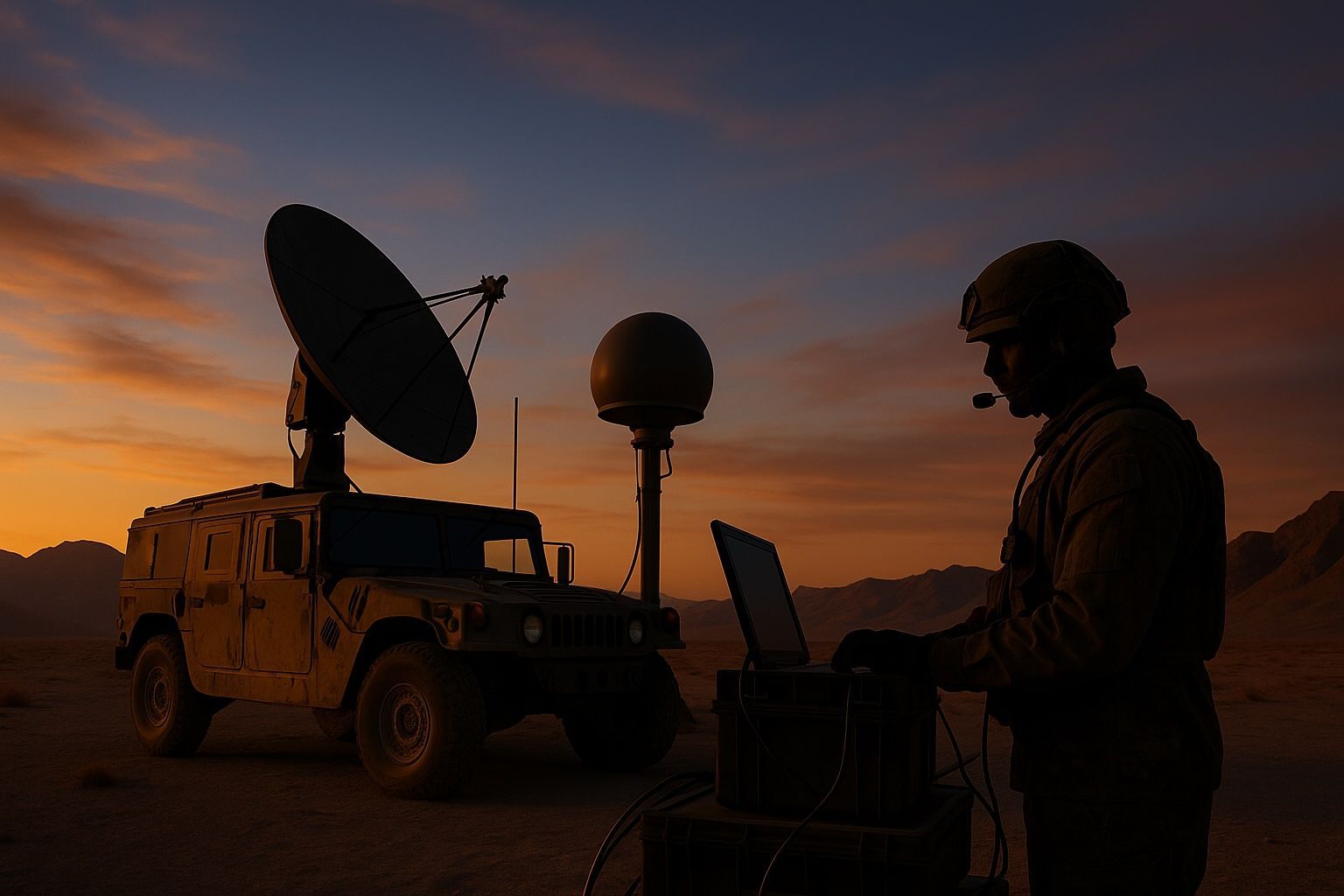
The U.S. operates AEHF for secure military communications, Navstar GPS for global navigation, DSP and SBIRS for missile warning, and KH-11 satellites for reconnaissance. Russia fields the Liana ELINT constellation, while China’s BeiDou navigation system offers global PNT and military messaging. China’s 2007 and Russia’s 2021 ASAT tests produced major debris clouds. The U.S. Space Development Agency plans 160 new satellites by 2025.

Stock Market Today

  • RED.LS Pre-market Surge +20% on EURONEXT with Heavy Volume
    April 2, 2026, 10:59 PM EDT. The stock of Reditus, Sociedade Gestora de Participações Sociais, S.A. (RED.LS) jumped 20.00% in pre-market activity on April 3, 2026, driven by a surge in volume to 244,607 shares, more than five times average daily volume. The price rose to €0.036 from €0.03, signaling active repositioning in the Technology sector on EURONEXT. Despite the spike, RED.LS trades below its 50-day (€0.0467) and 200-day (€0.0573) moving averages with a market cap of about €1 million. Financially, it shows stress with negative working capital and liquidity concerns, while Meyka AI gives a Hold rating with significant upside forecasts. Traders face high volatility and thin liquidity, with near-term resistance seen at €0.06 and a cautious 12-month target of €0.10.
Go toTop