Browse Category

EPA:HO 2 April 2025 - 23 October 2025

Europe’s $7.5 Billion Space Alliance: Airbus, Thales & Leonardo Join Forces to Challenge Musk’s Starlink

Europe’s $7.5 Billion Space Alliance: Airbus, Thales & Leonardo Join Forces to Challenge Musk’s Starlink

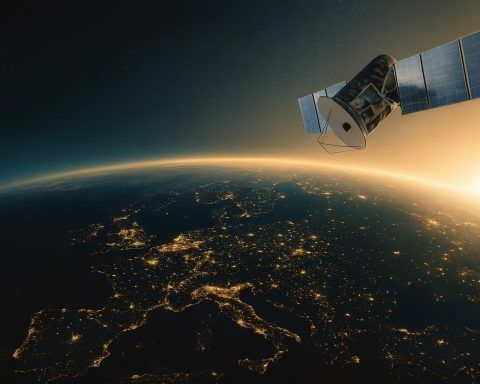
Airbus, Thales, and Leonardo will merge their satellite and space services businesses, forming a joint venture with €6.5 billion in annual revenue and 25,000 employees. Airbus will hold 35%, Thales and Leonardo 32.5% each. The new company, expected to launch by 2027 pending approvals, aims to challenge SpaceX’s Starlink and consolidate Europe’s space industry. Leonardo shares rose sharply after the announcement.
23 October 2025
Belgium’s Space Boom: From Small Nation to Satellite Powerhouse

Belgium’s Space Boom: From Small Nation to Satellite Powerhouse

Belgium contributed €296 million to the European Space Agency in 2024, ranking fifth among member states. The Belgian space sector employs about 6,500 people and includes over 400 organizations involved in ESA contracts. Major firms such as Thales Alenia Space Belgium and SABCA supply key components for European rockets and satellites. In 2024, Belgium signed the Artemis Accords and saw ESA select Raphaël Liégeois as its third astronaut.
Italy’s Space Industry Skyrockets: Inside the Satellite Boom and Race to 2030

Italy’s Space Industry Skyrockets: Inside the Satellite Boom and Race to 2030

Italy’s space sector, valued at €2.9 billion in 2021, is set for €7.3 billion in investments by 2026. The country is ESA’s third-largest contributor and builds modules for NASA’s lunar Gateway. Avio’s Vega-C rocket, grounded after a 2022 failure, is expected to return to flight in late 2024. Italian startups like D-Orbit raised over €100 million in 2024 for satellite and debris-clearing technology.
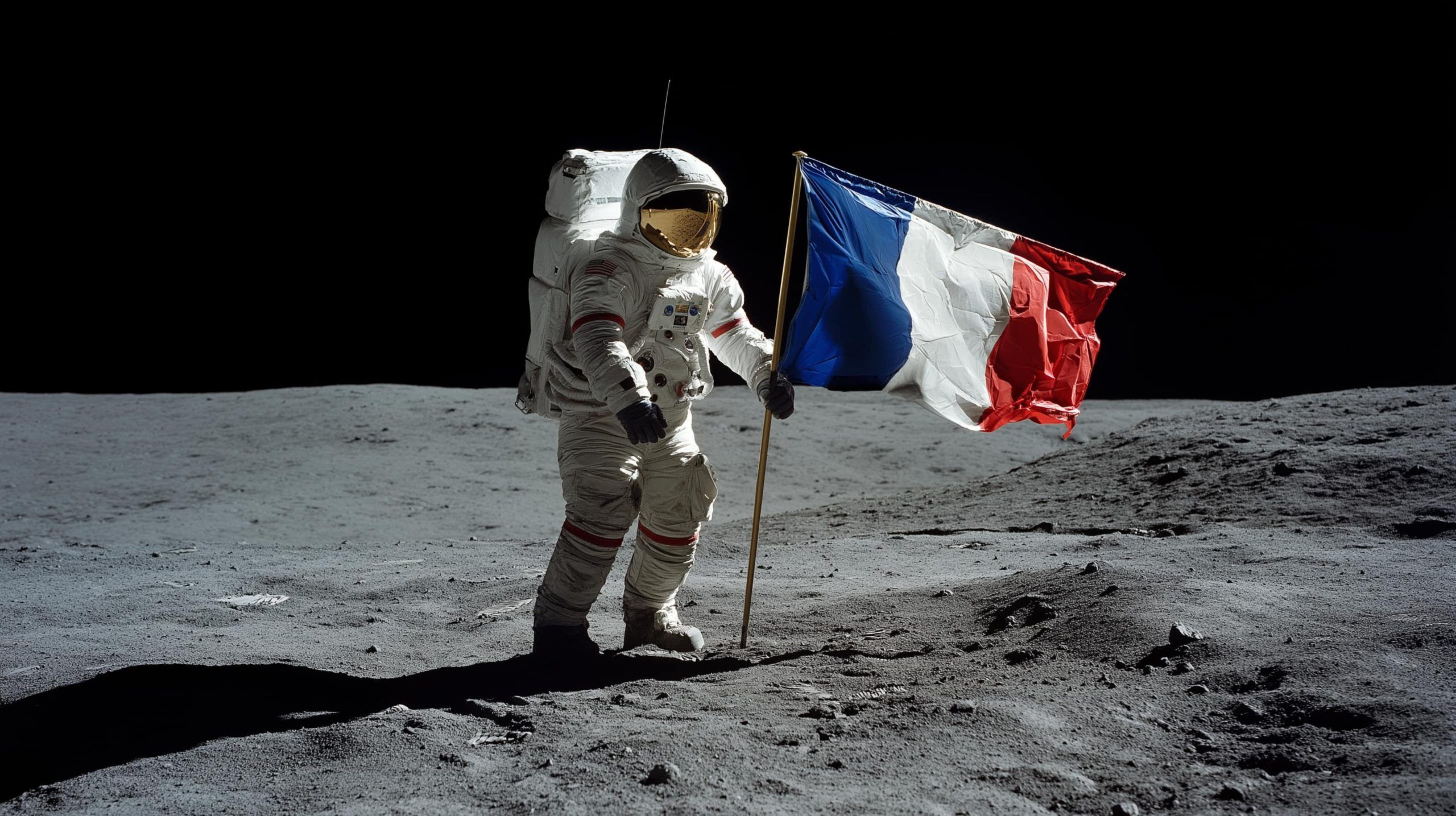
Rocketing Ambitions: Inside France’s Booming Space & Satellite Industry in 2025

Rocketing Ambitions: Inside France’s Booming Space & Satellite Industry in 2025

France became the world’s third spacefaring nation in 1965 and now contributes nearly 19% of the European Space Agency budget. Over 1,000 French companies, including Airbus and Thales Alenia Space, drive a €7 billion space trade surplus. The Ariane 6 rocket launched in July 2024, restoring Europe’s independent access to space. France maintains partnerships with over 60 countries, including NASA and JAXA.
Inside the Struggle for Internet Access in Western Sahara: From Political Blackouts to Satellite Lifelines

Inside the Struggle for Internet Access in Western Sahara: From Political Blackouts to Satellite Lifelines

Western Sahara had about 398,000 internet users in January 2024, covering 67.1% of the population, up 19% from 2023. Median fixed broadband speed reached 19.9 Mbps, a 30% annual increase. Most users are urban; rural and nomadic areas remain largely offline. Connectivity relies on Moroccan operators, with Starlink and OneWeb set for future expansion pending regulatory approval.
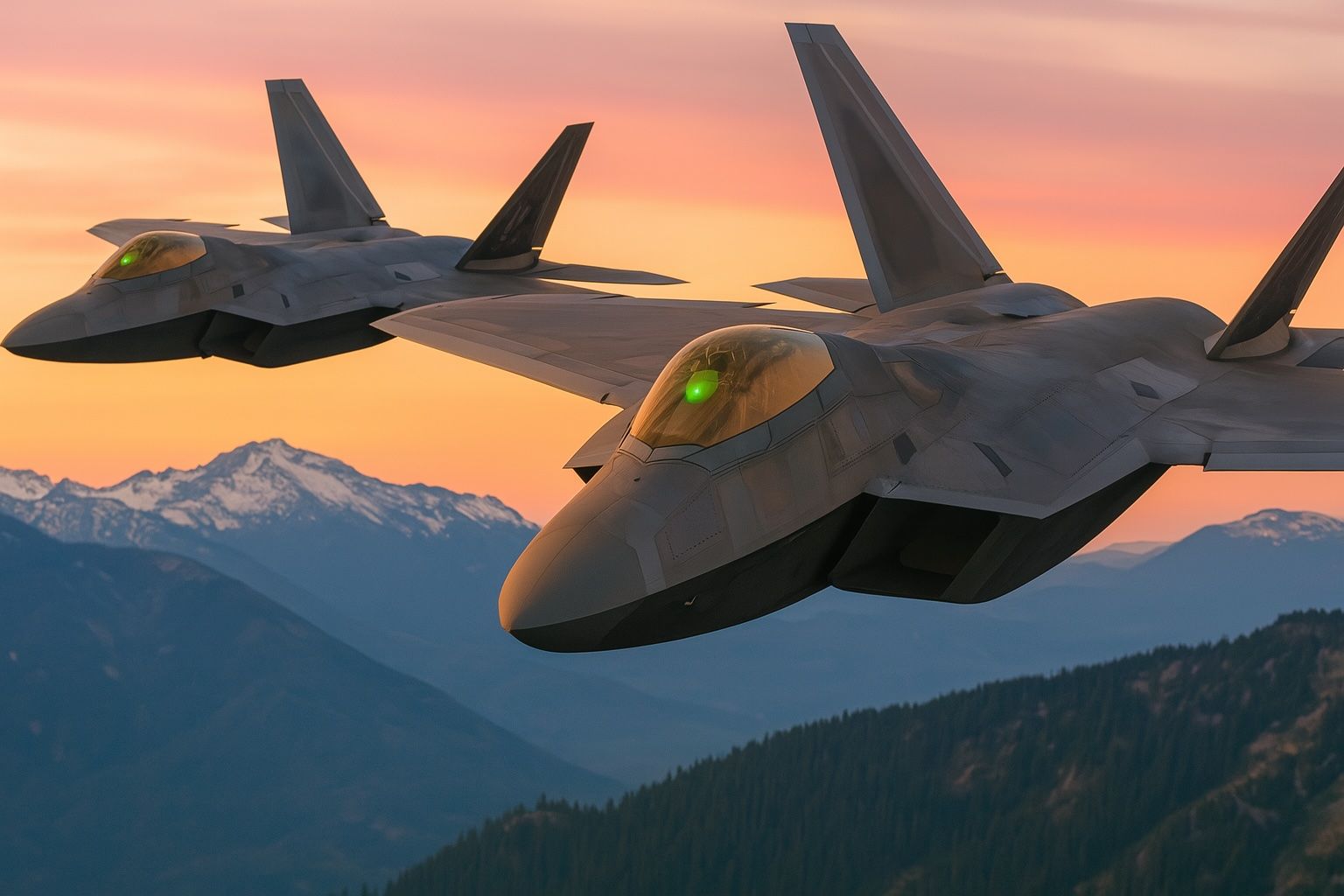
F‑22 Raptor’s Explosive 2025: Combat Missions, Big Upgrades & a New Lease on Life

F‑22 Raptor’s Explosive 2025: Combat Missions, Big Upgrades & a New Lease on Life

F-22 Raptors from Langley AFB conducted their first direct strikes on Iran’s Fordow and Natanz sites in June 2025 as part of Operation Midnight Hammer, alongside B-2 bombers. A KC-46A tanker suffered a mid-air boom separation while refueling F-22s in July; no damage was reported. Lockheed Martin received a $270 million contract to upgrade F-22 infrared defenses. No F-22 retirements occurred in 2025; the fleet remains at about 185 jets.
Latest Satellite News / Updated: 2025, June 29th, 23:59 CET

Latest Satellite News / Updated: 2025, June 29th, 23:59 CET

Maxar imagery shows rapid repairs at Iran’s Fordo and Natanz nuclear sites after airstrikes, with confirmation of 12 Massive Ordnance Penetrator bombs used. Japan launched its final H-2A rocket with the GOSAT-GW satellite, retiring the vehicle after 50 missions. Italy deployed seven IRIDE satellites. The Vera C. Rubin Observatory identified 2,104 new asteroids, including seven near-Earth objects.
Orbiting Eyes: How Space-Based ADS-B Is Revolutionizing Air Traffic Surveillance

Orbiting Eyes: How Space-Based ADS-B Is Revolutionizing Air Traffic Surveillance

Space-based ADS-B became operational in 2019 via Aireon’s network of 66 Iridium NEXT satellites, enabling global real-time aircraft tracking, including over oceans and polar regions. NAV CANADA and NATS launched the system in the North Atlantic in March 2019, reducing aircraft separation and saving $25 million in fuel by 2023. Fiji Airways trials in 2020 cut fuel use by 5% on Pacific routes. A second-generation constellation is planned for 2027.
26 June 2025
Satellite Bus Showdown: Legacy Titans vs. NewSpace Mavericks (2024–2033)

Satellite Bus Showdown: Legacy Titans vs. NewSpace Mavericks (2024–2033)

The global satellite bus market is projected to grow from $14.1 billion in 2023 to $23.4 billion by 2033. SpaceX has launched over 6,500 Starlink satellites, making up about half of all active satellites. In 2024, commercial projects accounted for 68% of market value, with LEO satellites at 72% of platform share. BAE Systems completed its $5.55 billion acquisition of Ball Aerospace in early 2024.
In-Flight Wi-Fi Takes Off: The Sky-High Race for Satellite Connectivity 2024–2030

In-Flight Wi-Fi Takes Off: The Sky-High Race for Satellite Connectivity 2024–2030

Euroconsult forecasts IFC-equipped aircraft will rise from 9,900 in 2021 to over 21,000 by 2030. SpaceX Starlink, with over 4,000 satellites, has deals to equip 2,000+ planes by early 2025. Spirit Airlines installed Thales FlytLIVE Ka-band Wi-Fi on most A320s in 2023, delivering up to 400 Mbps per aircraft. Hardware and installation costs average $300,000–$500,000 per plane, with annual bandwidth around $100,000.
Sky Is No Limit: Global Satcom Market Set to Soar Through 2035

Sky Is No Limit: Global Satcom Market Set to Soar Through 2035

The global space economy hit $415 billion in 2024, with commercial satellite activities making up $293 billion. Active satellites jumped from 3,300 in 2020 to over 11,500, driven by mega-constellations from firms like SpaceX and OneWeb. Government space spending reached $135 billion, with $73 billion for defense. Regulators are addressing space debris, tracking over 36,000 objects larger than 10 cm.
From Yurts to YouTube: Inside Mongolia’s Internet Revolution

From Yurts to YouTube: Inside Mongolia’s Internet Revolution

Univision LLC holds about 62% of Mongolia’s internet market, with MobiCom at 15% and Skymedia at 10%. In mobile, MobiCom and Unitel account for roughly three-quarters of subscriptions. SpaceX’s Starlink launched in March 2024, offering satellite internet nationwide. Mongolia’s median fixed broadband speed reached 68.4 Mbps in early 2024, with typical home plans costing $15–$16 per month.
2 April 2025
Go toTop