Today: 1 July 2026
Browse Category

Space 25 September 2025 - 2 October 2025

Sky Is No Limit: Global Satcom Market Set to Soar Through 2035

AST SpaceMobile (ASTS) Stock Skyrockets on New Satellite and Carrier Milestones – Record Highs and $60+ Targets

Sources: AST SpaceMobile filings and press releases businesswire.com businesswire.com; Yahoo/BusinessWire news newswire.ca newswire.ca; Investing/Benzinga reports investing.com investing.com; stock market data webull.com stockanalysis.com; Reuters reuters.com reuters.com; and industry media/analyst coverage t-mobile.com webull.com.
You Won’t Believe How Easily You Can Spot the ISS – Ultimate International Space Station Viewing Guide

ISS Legacy and the Commercial Space Race: Why 2020s Are Launching Humanity Into Deep Space

When the International Space Station was first assembled in 1998, NASA envisioned it as more than a laboratory. It would be a bridge into the solar system—a place to master living and working in space, develop life‑support systems and test technologies before committing astronauts to long voyages. In 2025, with the ISS still orbiting 400 kilometres above Earth, that vision is clearer than ever. Micro‑gravity is a harsh teacher. On the ISS, astronauts must adapt to drinking in weightlessness, sleeping in vertical sleeping bags and maintaining fitness when bones and muscles quickly weaken. Research has explored how spaceflight affects eyes, brain, bones, muscles and the cardiovascular system, yielding countermeasures like exercise regimens and new medical protocols nasa.gov. Experiments have advanced fluid dynamics, combustion and materials science; lessons learned have improved consumer products on Earth and refined life‑support hardware.
2 October 2025
Tech Frenzy Oct 1–2, 2025: AI Hits $500B, Apple’s Vision Pivot, Space Milestones & More

Tech Frenzy Oct 1–2, 2025: AI Hits $500B, Apple’s Vision Pivot, Space Milestones & More

Below we dive into each story in detail. OpenAI continued to dominate headlines. Reuters reports that after a share sale to investors, OpenAI is now valued at roughly $500 billion reuters.com. This latest round far eclipses its previous $300B valuation and highlights continued investor enthusiasm for AI. The infusion of capital will presumably help OpenAI expand data-center capacity and accelerate research. Analyst and investor interest remains sky-high. For context, Microsoft’s CEO Satya Nadella framed the industry’s direction as a “tectonic AI platform shift”, restructuring his company so he can focus on new AI frontiers reuters.com.
Virgin Galactic’s Turbulent Ride: Can Space Tourism Turn $SPCE$ Into a Star or a Falling Satellite?

Virgin Galactic’s Turbulent Ride: Can Space Tourism Turn $SPCE$ Into a Star or a Falling Satellite?

Virgin Galactic shares hovered near multi‑year lows heading into October 2025. On 1 October, SPCE closed at $3.42; after‑hours trading modestly lifted the price to $3.44 Yahoo. The stock had tumbled about 41 % year‑to‑date through late September, extending a five‑year decline of roughly 99 % Yahoo. Volume on 1 October trailed the average daily volume of 3.48 million Yahoo, suggesting subdued investor interest. In the days preceding 1 October, SPCE drifted between $3.30 and $3.70, reflecting investor skepticism after the company’s August earnings release. The negative sentiment stems from ongoing cash burn and delayed commercialization, although recent board amendments and speculation over settlement of legal claims temporarily lifted the stock in mid‑September Yahoo.
Breaking Space News (Sept 30 – Oct 1, 2025): Record Launches, Bold Contracts, and Stunning Milestones

Breaking Space News (Sept 30 – Oct 1, 2025): Record Launches, Bold Contracts, and Stunning Milestones

NASA focused on its Artemis lunar program. On Sept. 30, NASA announced that the Orion Stage Adapter was installed for Artemis II nasa.gov. This brings the integrated SLS–Orion stack closer to its no-later-than April 2026 launch. NASA explains that “in the coming weeks” engineers will mate the Orion crew capsule to the rocket nasa.gov. This Artemis II mission will be the first crewed flight of SLS/Orion, carrying astronauts around the Moon. Meanwhile, NASA is also finalizing Europe’s Sentinel-6B satellite at its processing facility. Sentinel-6B “will extend the gold‑standard sea level record into its fourth decade” and is targeting launch on a SpaceX Falcon 9 this fall science.nasa.gov. At the International Astronautical Congress in Sydney, NASA’s top brass joined global counterparts in emphasizing partnerships. NASA also announced an Oct. 1 news conference for astronaut Chris Williams’ Soyuz mission to the ISS. Williams will spend eight months aboard the ISS, marking the continued US–Russia cooperation on station missions nasa.gov. Notably, NASA’s ISS program celebrated 25 years of continuous crewed operations this fall nasa.gov, underscoring the lab’s role in preparing for future Moon and Mars missions.
Interstellar Comet 3I/ATLAS: A Visitor from Beyond the Solar System

Mysterious Manhattan-Sized Interstellar Object 3I/ATLAS Sparks Alien Theories Ahead of Halloween

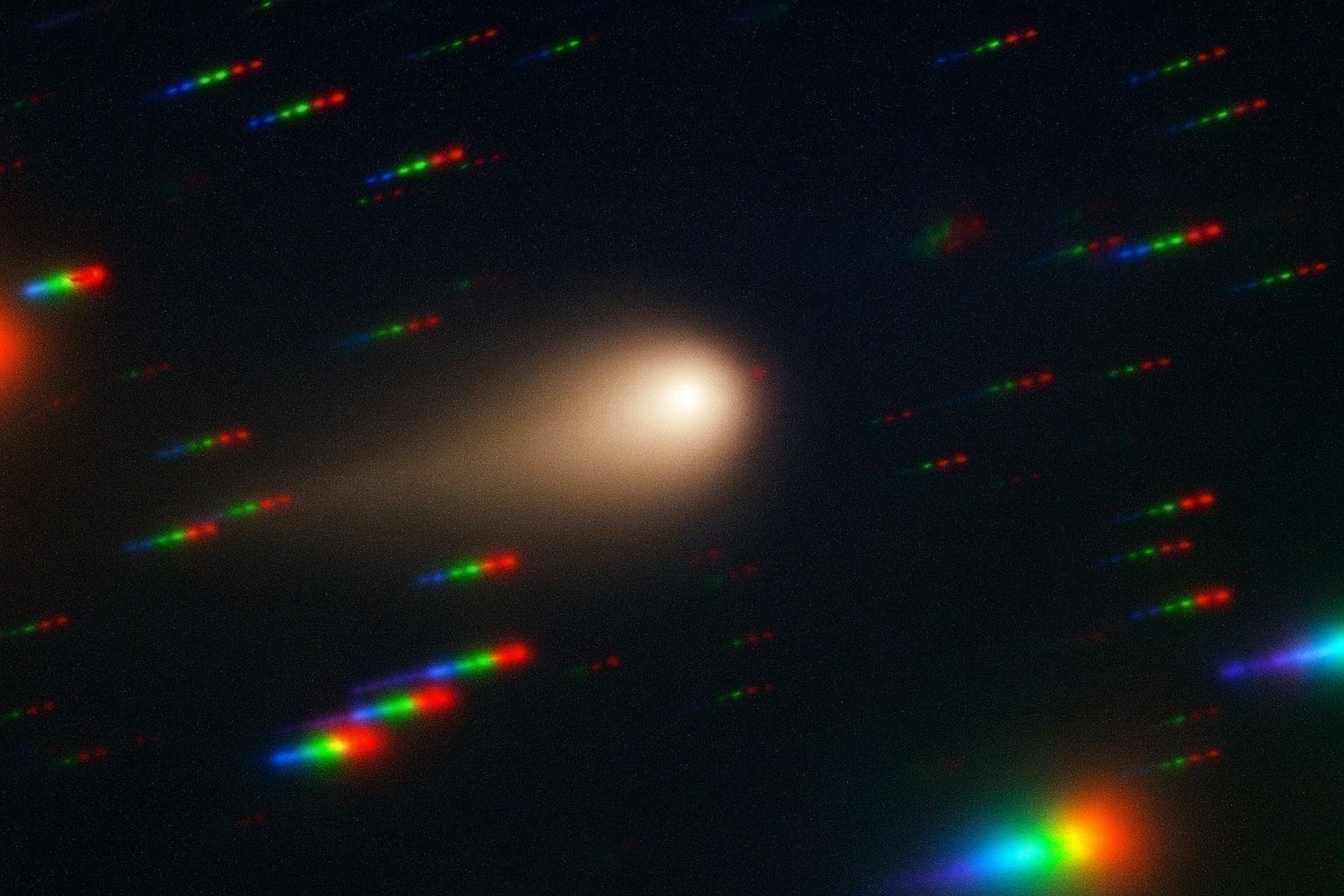
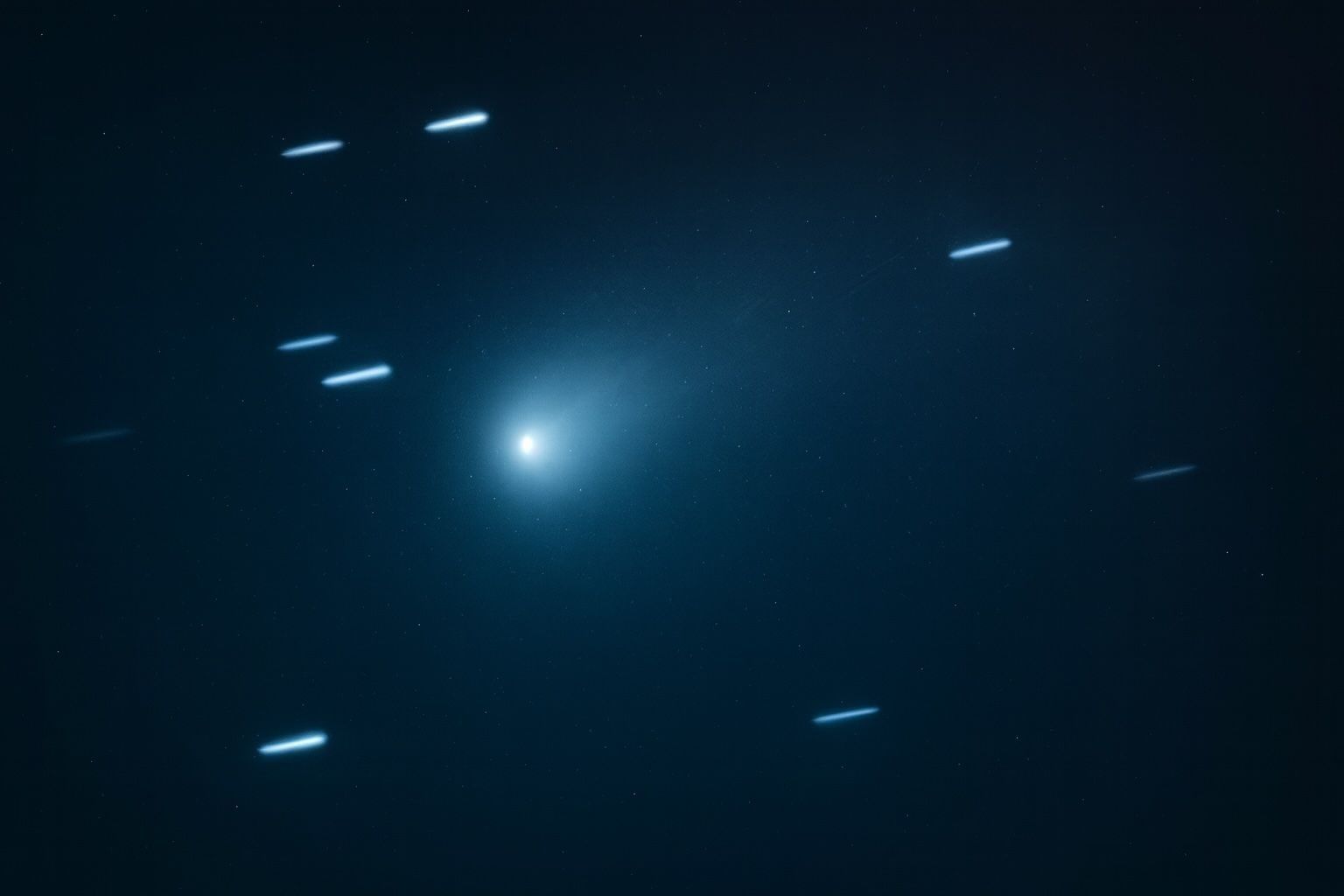
Astronomers first spotted 3I/ATLAS on July 1, 2025, when the ATLAS asteroid survey telescope in Chile reported a fast-moving fuzzy object science.nasa.gov science.nasa.gov. Archived images quickly confirmed it follows a steep, open-ended path – a clear sign it was not born in our Solar System. NASA confirms that 3I/ATLAS is the third known interstellar visitor science.nasa.gov science.nasa.gov. From its inbound direction near the constellation Sagittarius, it likely originated far from the Sun, perhaps even from the galactic center region science.nasa.gov. This comet will reach perihelion on Oct. 30, 2025, at roughly 1.4 AU from the Sun, just inside Mars’s orbit science.nasa.gov. After passing the Sun, it will cruise back out, crossing Jupiter’s orbit by March 2026 science.nasa.gov. Importantly, NASA’s trajectory computations show no close approach to Earth – at closest 3I/ATLAS stays about 1.8 AU away science.nasa.gov. In other words, it’s a remote cosmic flyby with no risk of impact.
1 October 2025
SpaceX Starship: The Giant Rocket Poised to Change Space Travel Forever (2025 Update)

SpaceX’s Starship Returns: Launch Set for Oct. 13 – A Lunar Race and Rocket Showdown Explained

Sources: Official SpaceX announcements and live-test reports space.com friendsofnasa.org; Space.com and SpaceExplored news articles covering the Flight 10 success and Oct. 13 announcement space.com spaceexplored.com; NASA and Congressional briefings on Artemis timelines nasa.gov space.com; NASA Advisory Panel analysis spacepolicyonline.com gizmodo.com; and public flight logs and press summaries en.wikipedia.org nasaspaceflight.com. These sources provide the latest updates on Starship’s development, objectives, and its role in the upcoming Moon missions and broader space exploration landscape.
30 September 2025
Falcon 9’s ‘Jellyfish’ Launch & Webb’s Moon-Forming Disk – Space News Roundup (Sept 29–30, 2025)

Falcon 9’s ‘Jellyfish’ Launch & Webb’s Moon-Forming Disk – Space News Roundup (Sept 29–30, 2025)

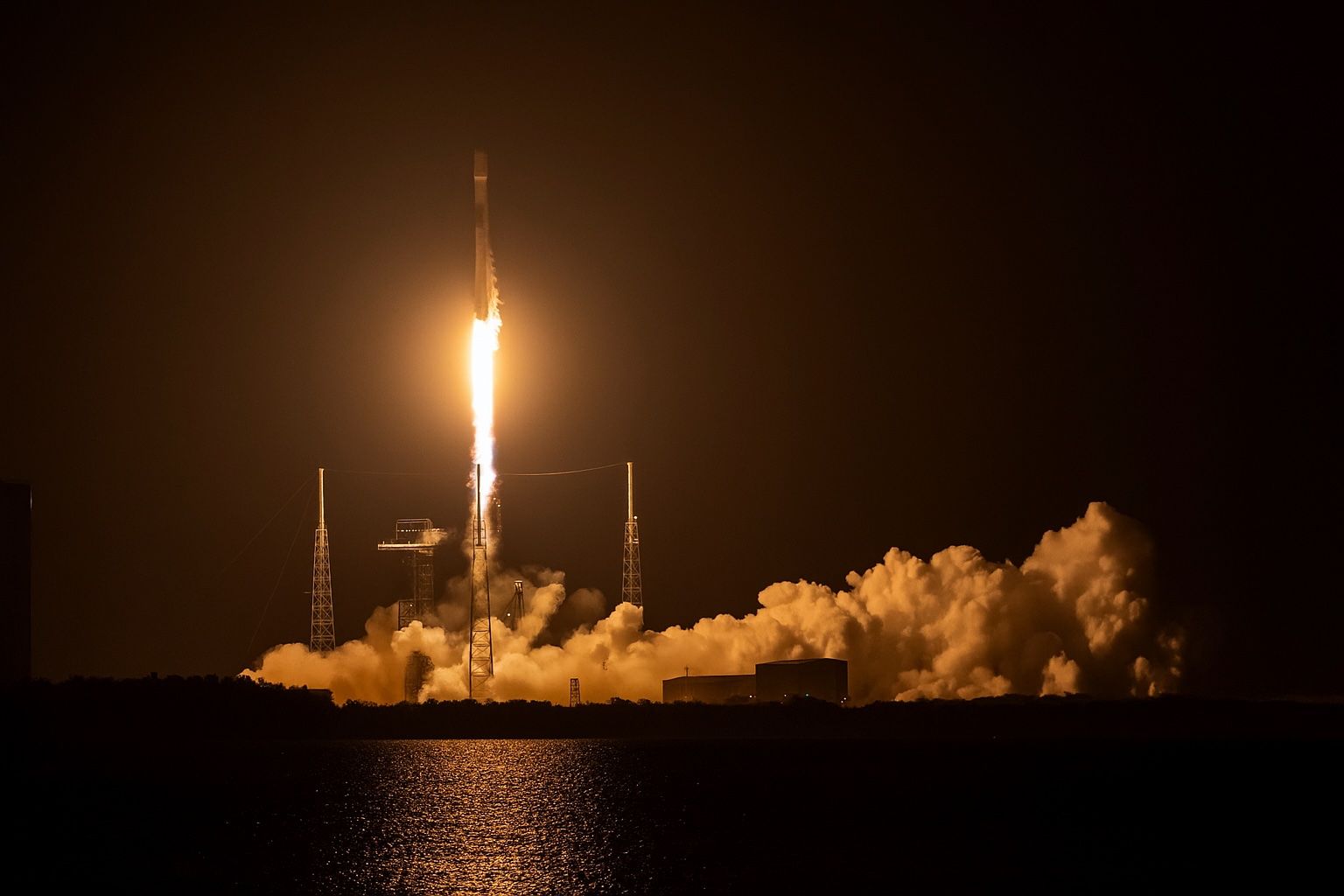
SpaceX capped September with a spectacular twilight launch. On Sept. 28, a Falcon 9 lifted off from Vandenberg SFB carrying 28 Starlink v2 Mini satellites space.com. Reaching dusk, the rocket’s exhaust expanded into the upper atmosphere and caught the Sun’s rays, creating a brilliant “space jellyfish” effect visible from hundreds of miles. Space.com’s Brett Tingley, camping in Afton Canyon, marveled, “I’ve seen plenty of Falcon 9 ‘jellyfish’ online but never in person. It was lit up gorgeously from below by the setting sun…” space.com. The booster landed on the drone ship “Of Course I Still Love You” in the Pacific, and the second stage successfully deployed all satellites into low Earth orbit. This launch was Falcon 9’s 28th flight of the stage, and the 124th SpaceX launch of 2025 space.com spaceflightnow.com. In orbit, the 28 new Starlinks joined SpaceX’s ever-growing internet “megaconstellation.” Analysts estimate Starlink now has on the order of 4–5 million subscribers. Industry watchers project even faster growth: Quilty Space forecasts about 7.8 million customers and $11.8 billion in revenue by end of 2025 nasdaq.com. By the end of October SpaceX may have over 10,000 Starlink sats aloft, setting it far ahead of its competitors in satellite internet.
30 September 2025
SpaceX’s Falcon 9 Rockets 28 More Starlink Satellites – Ties Monthly Launch Record

SpaceX’s Falcon 9 Rockets 28 More Starlink Satellites – Ties Monthly Launch Record

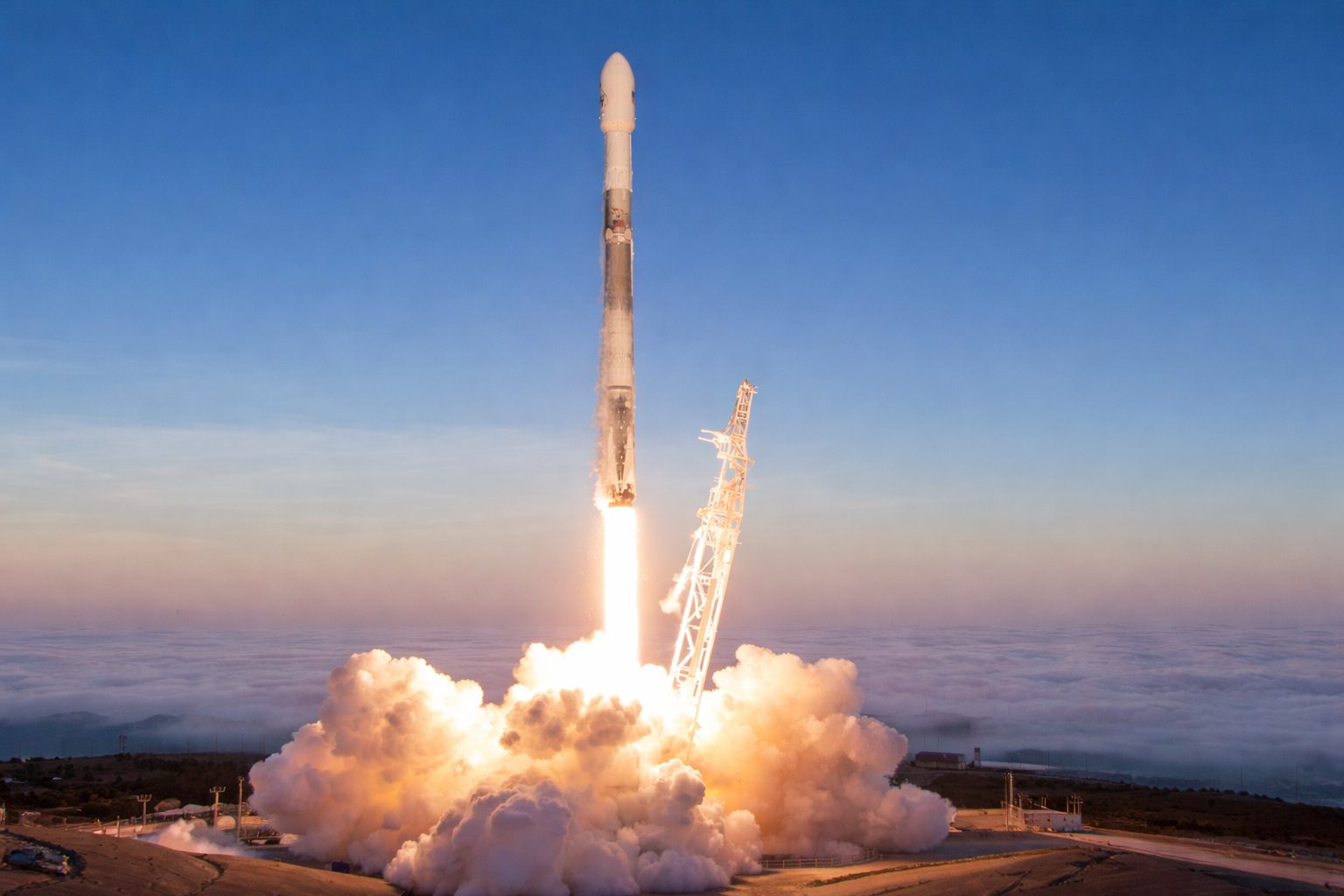
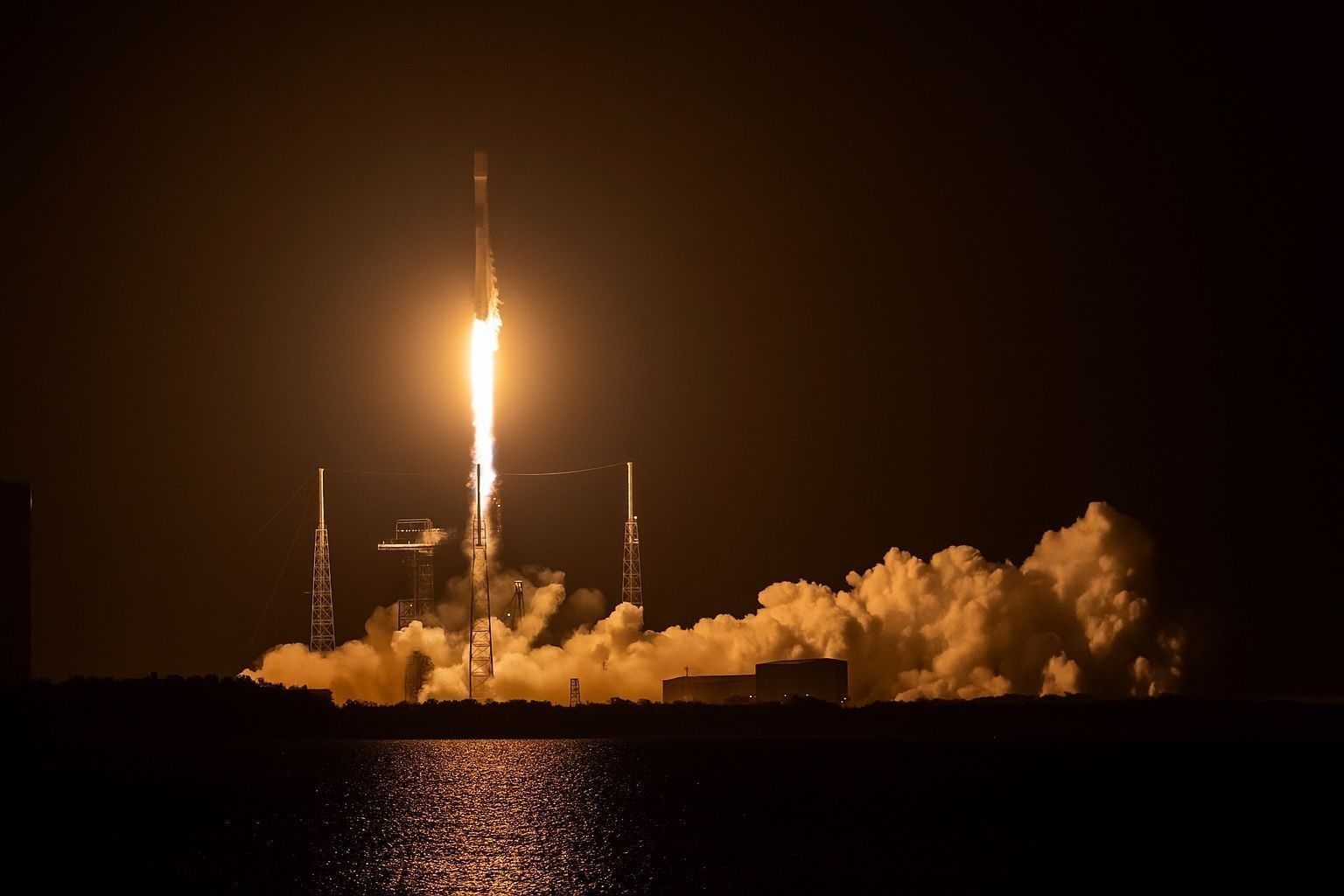
On Sept. 28, SpaceX executed a textbook launch from Vandenberg’s Space Launch Complex 4E. The Falcon 9 booster B1063, standing vertically on the pad, ignited and soared away at 7:04 p.m. PDT spaceflightnow.com. After clearing the pad, it flew on a south-easterly trajectory toward orbit. About 8½ minutes later the first stage used its grid fins and engines to steer back to Earth, touching down cleanly on the drone ship Of Course I Still Love You in the Pacific Ocean spaceflightnow.com thenews.com.pk. The second stage continued upwards and deployed the 28 Starlink satellites roughly an hour after liftoff, inserting them into low Earth orbit as planned spaceflightnow.com economictimes.indiatimes.com. This mission, called Starlink 11-20, used a booster that has now flown 28 times. Spaceflight Now notes that B1063 previously supported key missions like NASA’s DART and the Sentinel-6 oceanography satellite, and that its 28th flight ties the record for any single Falcon 9 booster thenews.com.pk. SpaceX publicly “celebrated the successful completion of the mission,” pointing out the booster's record use thenews.com.pk. Such reuse underscores SpaceX’s focus on reusability: the company routinely refurbishes and reflies Falcon 9 first stages, dramatically cutting launch costs. In this case, the veteran booster executed a “flawless
29 September 2025
Spectacular Space News Blitz: SpaceX Soars 28 Satellites, NASA Unleashes Solar Probes, China’s New Weather Satellite & More (Sept 28–29, 2025)

Spectacular Space News Blitz: SpaceX Soars 28 Satellites, NASA Unleashes Solar Probes, China’s New Weather Satellite & More (Sept 28–29, 2025)

Sources: Authoritative space news outlets, agency releases and expert commentary from Sept. 28–29, 2025, including Space.com space.com, Spaceflight Now spaceflightnow.com, ESA and company press releases esa.int northstar-data.com, and industry reports grandviewresearch.com. All statistics and quotes above are cited to linked original reports.
Tech Headlines Shakeup: AI Booms, Space Rockets & Green Power (Sept 28–29, 2025)

Tech Headlines Shakeup: AI Booms, Space Rockets & Green Power (Sept 28–29, 2025)

Each of these stories reflects how fast-moving the tech world remains. We’ve linked to reporters’ accounts and company releases for all items above openai.com reuters.com reuters.com reuters.com abcnews.go.com theguardian.com, with quotes from experts illustrating the stakes. Industry analysts predict that AI integration, continued space innovation, and green energy solutions will accelerate next year, so stay tuned as these trends evolve. Sources: Official reports and news from Reuters, Apple/Google/Microsoft press, TechCrunch, Space.com, Snap Inc., AP/ABC News, and others openai.com reuters.com reuters.com reuters.com abcnews.go.com theguardian.com. Each item above is hyperlinked to the original coverage.
Space News Bonanza: NASA’s Artemis, SpaceX Starlink Launch & China’s New Weather Satellite (Sept 27–28, 2025)

Space News Bonanza: NASA’s Artemis, SpaceX Starlink Launch & China’s New Weather Satellite (Sept 27–28, 2025)

NASA: In late September, NASA’s focus was on its upcoming Artemis II Moon mission. The four astronauts held a media briefing on Sept. 24 to announce the name of their Orion spacecraft: “Orion Integrity” nasa.gov. They explained “Integrity” symbolizes the trust and collaboration needed for the mission. This 10-day crewed lunar test flight is slated for no later than April 2026. Meanwhile, NASA science made headlines with a major Mars discovery: analyses of a Perseverance rover sample from Jezero Crater suggest it “could preserve evidence of ancient microbial life” nasa.gov. Acting NASA Administrator Sean Duffy called it “the closest we have ever come to discovering life on Mars,” calling the potential biosignature finding “groundbreaking” nasa.gov. These NASA findings underscore a busy month: Artemis II preparations, Mars science, and continued deep-space probes. Also from NASA/NOAA: on Sept. 26 NOAA announced a partnership with Raytheon to study a new weather satellite design under its NEON program nesdis.noaa.gov. Irene Parker of NOAA said she was “excited for this new opportunity to use NOAA’s OTA [Other Transaction Authority] to advance weather imagery” with commercial partners nesdis.noaa.gov. The Stratus concept will field a small LEO satellite with an optical imager to test rapid-refresh cloud and
28 September 2025
SpaceX’s Spectacular Launch Weekend: 50 Satellites Launched, But Troubles Loom

SpaceX’s Spectacular Launch Weekend: 50 Satellites Launched, But Troubles Loom

On Sept. 25 and 27, 2025, SpaceX sent two Falcon 9 rockets aloft from Vandenberg SFB in California, each deploying a batch of Starlink internet satellites. The Sept. 25 mission lifted off at 9:26 p.m. local time with 24 Starlink V2 Mini satellites Edhat Space. A first-stage booster landed on the droneship OCISLY about 8½ minutes later Space. Two days later, on Sept. 27 at 7:20 a.m. Pacific Time, Falcon 9 carried 26 more Starlink satellites into orbit Ksby. KSBY News reports that after stage separation the booster again returned to OCISLY for a precision sea landing Ksby. These launches marked SpaceX’s third and fourth launches in under 48 hours – an exceptionally high tempo reflecting its aggressive Starlink build-out. According to Space.com, 2025 has been a record year for Falcon 9 flights. By late September SpaceX had completed its 123rd Falcon 9 launch of the year Space. SpaceX says that over 70% of these missions served Starlink, and acknowledged planning “tens of thousands” of additional satellites Latimes. The sheer pace means Starlink’s constellation is now immense – Space.com notes “nearly 8,500 active spacecraft” in orbit Space. In short, SpaceX’s Falcon 9 fleet is launching almost continuously to populate Starlink.
27 September 2025
Global Space News Roundup (Sept 26–27, 2025)

Global Space News Roundup (Sept 26–27, 2025)

Summary: SpaceX’s launch blitz: SpaceX achieved an unprecedented launch cadence, flying three Falcon 9 missions in under 41 hours through Sept. 25–26 spaceflightnow.com. These included two Starlink batches and NASA’s solar observatory mission to deep space. The Sept. 26 Vandenberg launch marked SpaceX’s 123rd Falcon 9 flight of 2025 and the 15th just in September, putting the company on pace to smash its previous annual launch record space.com. With these missions, SpaceX surpassed 8,400 Starlink satellites in orbit, with about 8,500 active Starlink craft now in the network according to satellite trackers space.com. Both Falcon 9 boosters used were reused multiple times – one flying its 22nd mission and another on its 16th – and both first stages landed safely on drone ships spaceflightnow.com spaceflightnow.com. SpaceX’s launch director joked that “the rocket fleet’s working overtime,” underscoring how routine rapid reusability has become in support of the Starlink megaconstellation.
AI Metaverse Leaps, Cyber Attacks, and Space Triumphs – Global Tech News Roundup (Sept 26–27, 2025)

AI Metaverse Leaps, Cyber Attacks, and Space Triumphs – Global Tech News Roundup (Sept 26–27, 2025)

Meta bets on the Metaverse + AI: Meta Platforms grabbed headlines with a suite of announcements blending augmented reality and generative AI. At the Meta Connect 2025 conference, CEO Mark Zuckerberg introduced “Horizon AI,” a new service for creating personalized virtual worlds on the fly theverge.com. Using Meta’s latest large language model and user data, Horizon AI can “stitch” together custom 3D environments via an intelligent assistant theverge.com. In a demo, Zuckerberg showed how speaking a few prompts could generate an immersive scene – for example, recreating a childhood home in VR for a therapy session. Meta is pitching this as “your world, reimagined” for social hangouts, work collaboration, and even mental health therapy. Privacy advocates, however, have raised concerns about the amount of personal data such AI-generated worlds might consume. Alongside its software, Meta rolled out new hardware. The company unveiled the Meta Ray-Ban Display glasses – stylish smart glasses with a built-in mini screen in one lens that can display messages, navigation, and video calls theverge.com. Controlled by a wrist-worn neural input band, these glasses blur the line between eyewear and smartphone, letting users read texts or see map directions in their field of view. Meta also announced
Cosmic Sky Show: Northern Lights, Shooting Stars & Space Spectacles Dazzle Sept. 26–27, 2025

Cosmic Sky Show: Northern Lights, Shooting Stars & Space Spectacles Dazzle Sept. 26–27, 2025

After a geomagnetically active equinox week, Earth’s magnetosphere is settling down for now. A few days ago, skywatchers as far south as Alberta were treated to vibrant auroral shapes thanks to a high-speed solar wind stream spaceweather.com. As of Friday, Sept. 26, that solar wind has slackened, and NOAA’s Space Weather Prediction Center forecasts quiet geomagnetic conditions in the near term earthsky.org. Any auroras tonight will likely be confined to the high Arctic latitudes – think northern Canada, Alaska, Greenland, or Arctic Scandinavia – and probably faint at that space.com. However, we’re in the equinox window, a time around the autumnal equinox when Earth’s tilted magnetic field can more easily connect with the solar wind. Space weather experts caution that “even minor disturbances can sometimes deliver surprising aurora shows” this time of year space.com. In other words, it’s worth keeping an eye on the aurora forecast if you live in aurora-prone zones. NOAA does indicate a coronal hole is rotating into position, and its fast solar wind stream could brush past Earth by Saturday, Sept. 27 space.com earthsky.org. This might bump geomagnetic activity up to unsettled or active levels, with a chance for a G1 geomagnetic storm.
26 September 2025
Launch Doubleheader and Lunar Revelations – Space News Roundup (Sept 25-26, 2025)

Launch Doubleheader and Lunar Revelations – Space News Roundup (Sept 25-26, 2025)

September 25, 2025 saw an extraordinary launch doubleheader. In the pre-dawn hours, SpaceX’s Falcon 9 lifted off from Cape Canaveral at 4:39 a.m. EDT carrying 28 Starlink internet satellites into low Earth orbit spaceflightnow.com. Just a few hours later at 8:09 a.m. EDT, a United Launch Alliance Atlas V roared skyward from a neighboring pad with 27 of Amazon’s Project Kuiper broadband satellites onboard spaceflightnow.com. The rare one-two punch meant two orbital launches from one spaceport within 3.5 hours, treating spectators on Florida’s Space Coast to dual rocket trails in the sky. SpaceX’s early-morning Starlink mission marked the company’s 86th Starlink launch of 2025, part of SpaceX’s relentless pace this year spaceflightnow.com. The Falcon 9’s first-stage booster – on its 22nd flight – landed safely on the drone ship A Shortfall of Gravitas, notching SpaceX’s 511th successful booster recovery spaceflightnow.com. With this mission, SpaceX has placed over 8,400 Starlink satellites into orbit since the program began spaceflightnow.com. The Starlink network, used to beam internet service worldwide, continues to grow at a torrid rate. “As of Sept. 19, 2025, a total of 9,760 Starlink satellites have been launched ... with 7,430 now in their operational orbits,” according to NASASpaceFlight nasaspaceflight.com. This
26 September 2025
Amazon Launches 27 Satellites in High-Stakes Race Against SpaceX’s Starlink

Amazon Launches 27 Satellites in High-Stakes Race Against SpaceX’s Starlink

Bottom Line: Amazon’s latest launch of 27 Kuiper satellites is a significant milestone in the space internet showdownwith SpaceX. It dramatically scales up Amazon’s in-orbit assets and demonstrates the company’s commitment to catching up in this critical new industry. Project Kuiper is still in early days – 129 satellites versus Starlink’s 8,000+ – but Amazon’s vast resources, massive launch contracts, and integrations with its tech ecosystem position it as a formidable challenger. If Amazon can execute its blistering launch schedule and hit service milestones, 2025–2026 will see global broadband competition move to low Earth orbit. Consumers in remote and connected areas alike stand to benefit from new choices in satellite internet, as Amazon and SpaceX push each other to expand coverage, increase speeds, and lower costs. The race is on to connect the world from space, and with this latest launch, Amazon just hit the accelerator. Sources: Amazon/ULA mission updatesspace.comfox35orlando.com; Spaceflight Now & Space.com reportsspaceflightnow.comspace.com; FCC and company filingsen.wikipedia.orgreuters.com; Reuters and SpaceNews analysisreuters.comreuters.com; expert commentary from industry officialsspaceflightnow.comreuters.com; and official statements from Amazon, ULA, and partnersfox35orlando.comspace.com.
25 September 2025
Space Race Heats Up: Secret Satellite Launches, Mega‑Mergers & Cosmic Breakthroughs (July 14–15, 2025 Roundup)

SpaceX Shatters Launch Records with 28 Starlink Satellites, Leaving Rivals in the Dust

SpaceX’s latest launch of 28 Starlink satellites might have seemed routine by now – one of several launches the company performs each month – but it underscored just how far SpaceX has pushed the boundaries of rapid, reusable spaceflight. The mission lifted off from Space Launch Complex 40 in Cape Canaveral before dawn on September 25, 2025, carrying a batch of 28 of SpaceX’s “Starlink V2 Mini” satellites destined for low Earth orbit space.com. Within about 64 minutes, all 28 satellites were successfully deployed to join the ever-growing Starlink constellation, adding another layer to SpaceX’s global internet network. This flight was designated Starlink Group 10-15, indicating its place in SpaceX’s launch campaign. Notably, the pre-dawn liftoff occurred under favorable weather conditions – the U.S. Space Force’s 45th Weather Squadron had forecast a 90% chance of good launch weather, with only light upper-level clouds posing minimal risk spaceflightnow.com. SpaceX’s launch team proceeded smoothly through countdown and liftoff, illustrating how launching satellites has become a clockwork operation for the company.
1 2 3 4 5 6 21

Stock Market Today

  • Bending Spoons Starts Trading on Nasdaq in 2026’s Quiet Tech IPO Market
    July 1, 2026, 10:07 AM EDT. Bending Spoons opened for trading on Nasdaq in 2026. The software company, linked to AOL and Vimeo, launched its IPO in a year with few tech offerings. Traders took note as shares changed hands for the first time. The listing joins a slim roster of 2026 IPOs, showing some appetite for new software names even as market caution lingers.
Go toTop