Browse Category

EPA:ORA News 1 June 2025 - 2 September 2025

Mali’s Internet Revolution: Surprising Facts & Bold Plans for a Digital Future

Mali’s Internet Revolution: Surprising Facts & Bold Plans for a Digital Future

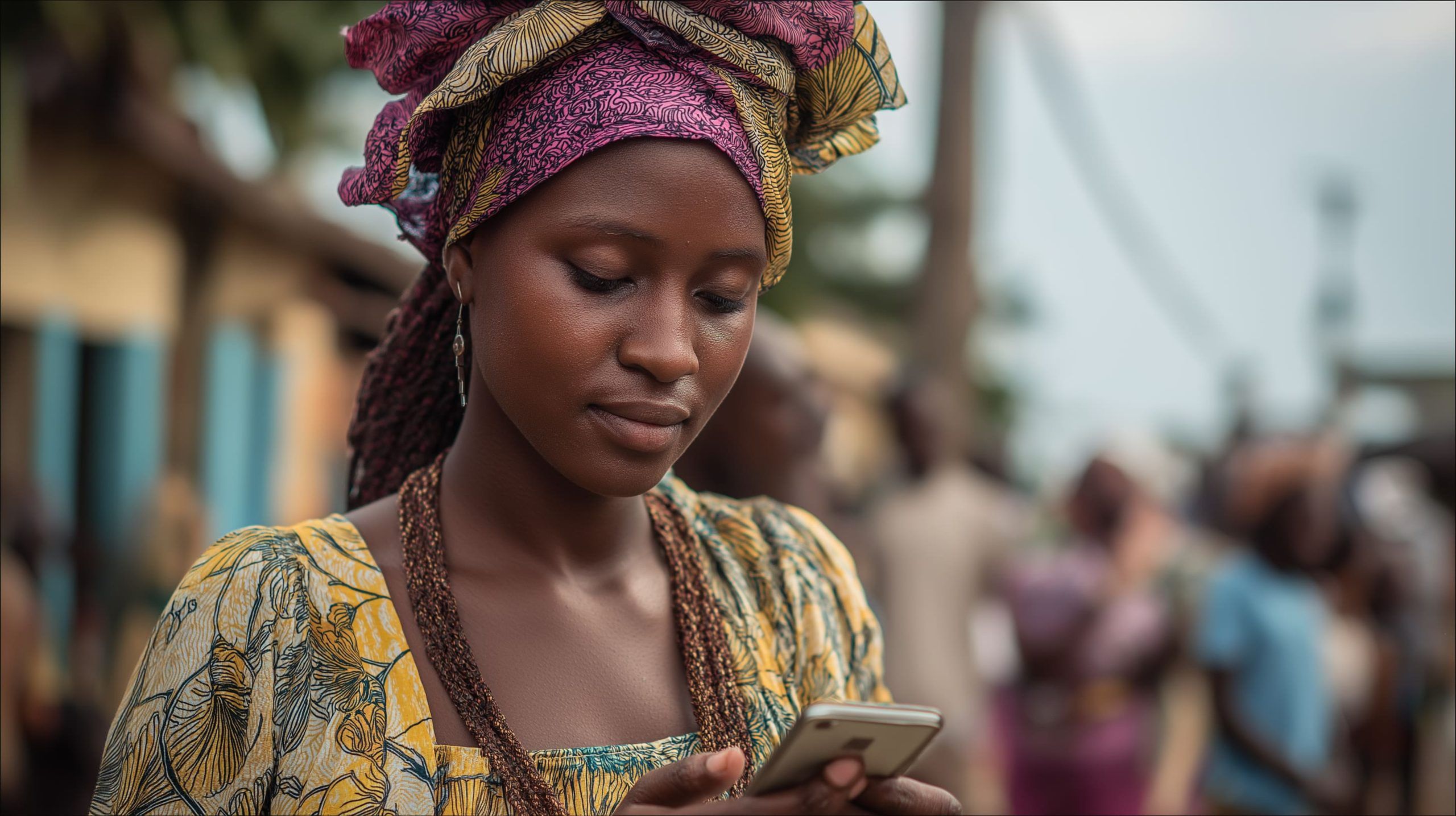
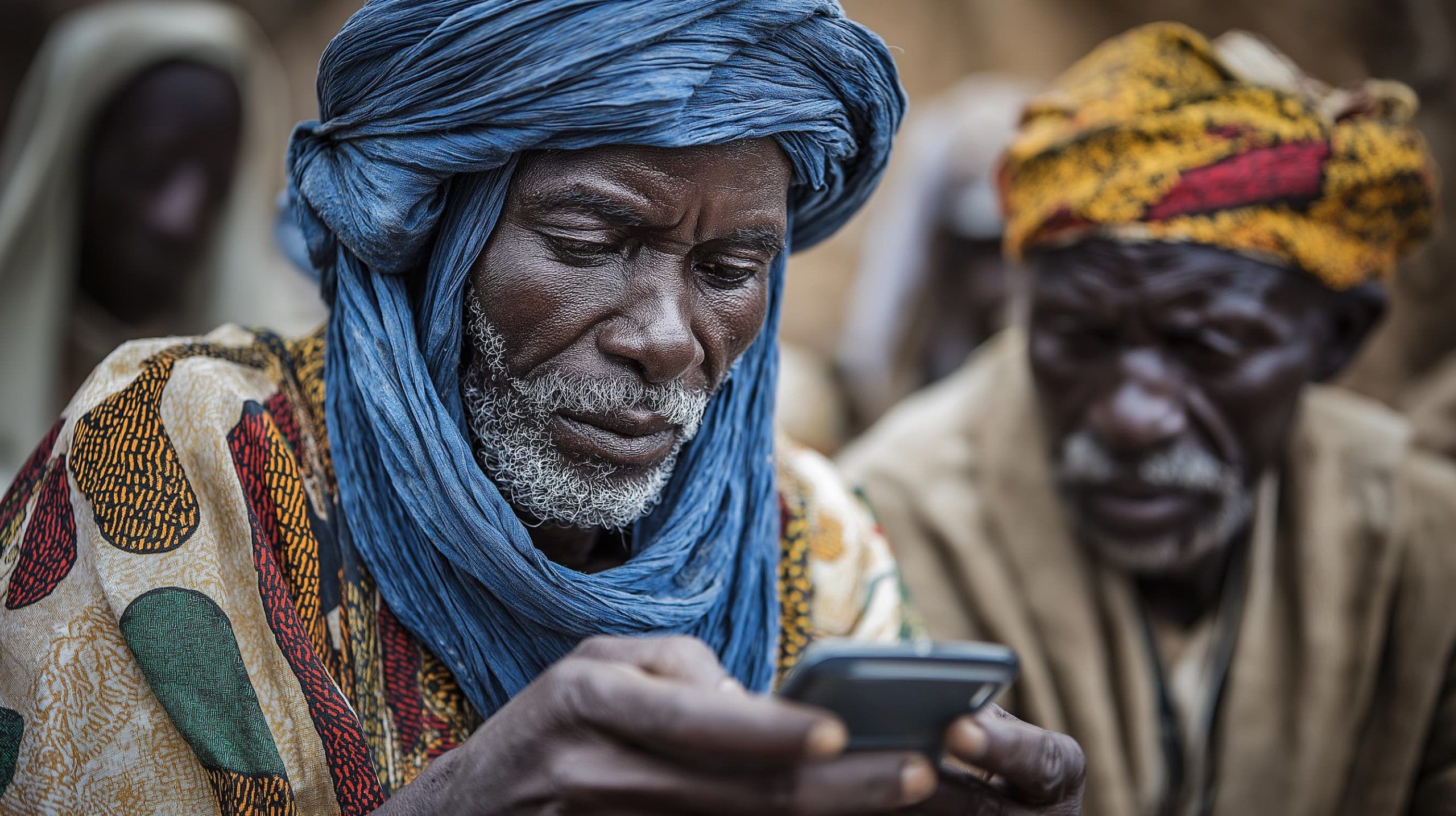
Introduction Mali, a large landlocked nation in West Africa, is undergoing a digital transformation against challenging odds. Internet access has grown from almost zero at the turn of the century to reaching roughly a third of the population today extensia.tech. This expansion is driven primarily by mobile phones, as fixed broadband infrastructure is scarce developingtelecoms.com. However, millions of Malians – especially in rural and conflict-prone areas – remain offline, highlighting a significant digital divide. In this report, we delve into the state of internet access in Mali, covering how people get online, who provides the service, the hurdles faced in
2 September 2025
How Guinea Is Quietly Getting Online: The Untold Story of Internet Access and Satellite Expansion

How Guinea Is Quietly Getting Online: The Untold Story of Internet Access and Satellite Expansion

As of early 2023, Guinea had 13.46 million active cellular connections, about 96% of the population. The National Fiber Optic Backbone was completed in 2020, spanning 4,352 km, built by Huawei with a China Eximbank loan, connecting 33 prefectures and 62 cities and providing backhaul for mobile operators. Fixed broadband is extremely limited, with fewer than 900 fixed broadband subscribers in 2022. GFO, a newly licensed wholesale fiber provider, began offering open-access fiber interconnection in 2023 to lower costs and expand fiber links. Orange Guinée dominated the mobile market in 2024 with about 75% of subscribers; MTN Guinea held about
Sierra Leone’s Internet Revolution: Mobile Boom, Fiber Dreams & Starlink’s Arrival

Sierra Leone’s Internet Revolution: Mobile Boom, Fiber Dreams & Starlink’s Arrival

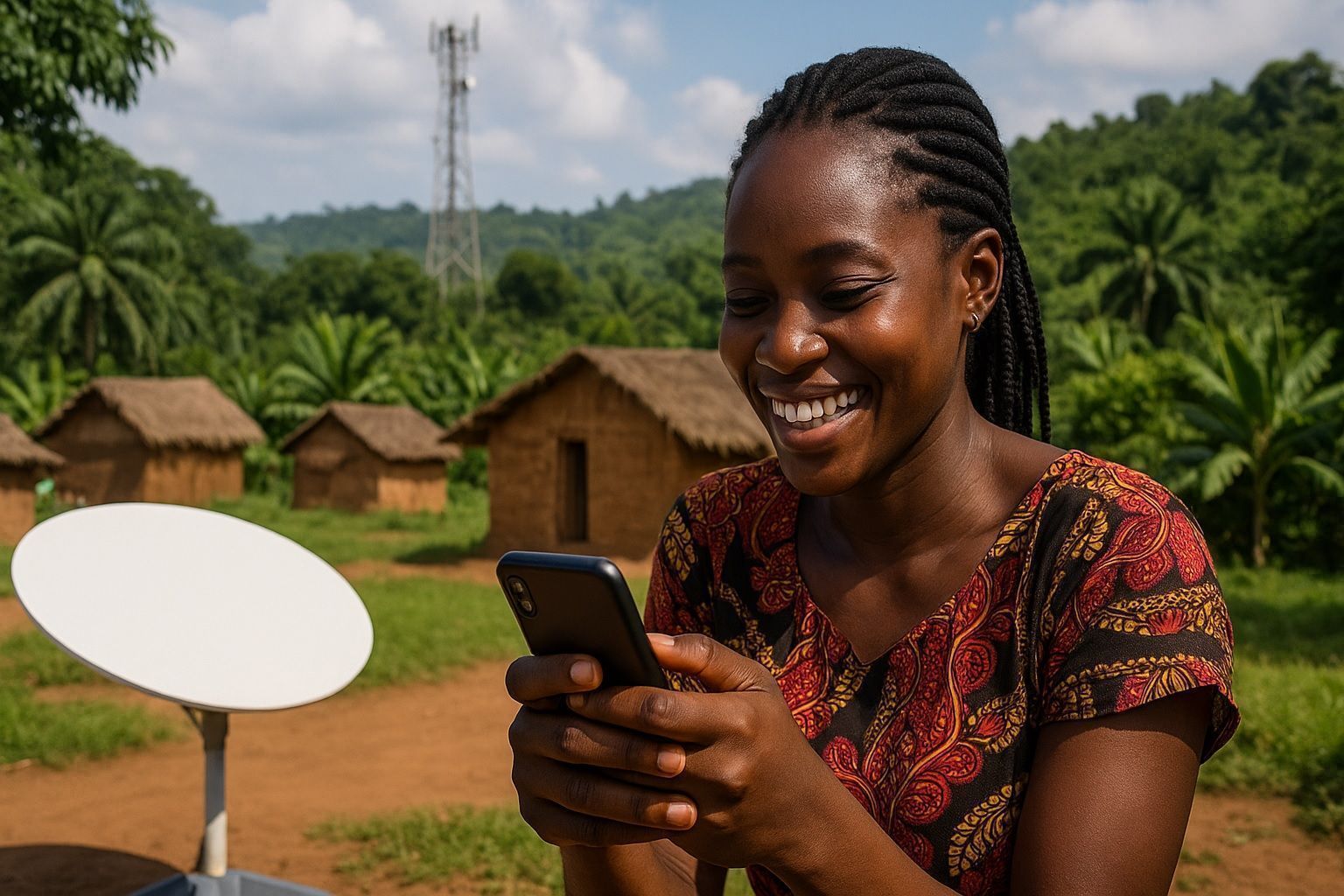
As of early 2025, about 1.8 million Sierra Leoneans used the internet, roughly 20% of the population. By 2024, 4G coverage reached about 79% of the population. The leading mobile operators are Africell, Orange (SL), and QCell, with the state-owned Sierratel in the process of privatization. Starlink arrived in Sierra Leone in 2023–2024, with hardware costing £150–£299 and a £75 monthly subscription, and it held about 2% of the ISP market by 2025. Cajutel Sarl has deployed fiber in Freetown and other cities, while One Broadband (formerly K3 Telecom) launched One Mobile and a limited 5G service. Orange SL reported
22 August 2025
Moldova’s Internet Revolution: From Lightning-Fast Fiber to Starlink’s Rural Lifeline in 2025

Moldova’s Internet Revolution: From Lightning-Fast Fiber to Starlink’s Rural Lifeline in 2025

Moldova ranks 3rd in the world for gigabit fiber coverage, with about 90% of the population having access to gigabit-speed plans. The average fixed broadband download speed is about 120 Mbps, placing Moldova around 40th globally for fixed speeds. Moldtelecom and StarNet together account for roughly 80–90% of fixed broadband subscribers, underpinning nationwide access. As of 2024, the average monthly fixed broadband price was $9.19 (about 162 MDL), making Moldova 3rd in Europe and 9th worldwide for affordability. By early 2025 there were about 3.86 million active mobile connections, equal to 128% of the population, with over 95% of connections
Liberia’s Internet Revolution: How 4G, Fiber and Starlink Are Connecting Every Corner of the Country

Liberia’s Internet Revolution: How 4G, Fiber and Starlink Are Connecting Every Corner of the Country

As of early 2025, Liberia has about 1.84 million internet users, representing 32.4% of the population, up from 19% in 2019. There were over 5.11 million active mobile connections in 2025, roughly 90% of the population, with many Liberians owning multiple SIMs. By 2025, 87.2% of all mobile connections were on broadband 3G/4G networks, with 4G strongest in urban centers and along major highways. ACE submarine cable landed in Liberia in 2011, enabling fiber backhaul and connecting Monrovia to international bandwidth with over 80 major institutions connected. In 2021, the LTA licensed CSquared to deploy a 350 km open-access fiber
15 August 2025
The Truth About Internet Access in Slovakia: How Fast, How Cheap, and Is Satellite the Future?

The Truth About Internet Access in Slovakia: How Fast, How Cheap, and Is Satellite the Future?

FTTH/B fiber is the dominant fixed broadband in Slovakia, delivering up to 1 Gbps download and hundreds of Mbps upload, with typical latency 5–20 ms, and by 2022 about 66.8% of households were covered by FTTP, with gigabit targets by 2030. DSL remains in use where fiber is not available, offering ADSL up to 8–20 Mbps and VDSL up to 50–100 Mbps, and as of late 2023 about 53% of households had ADSL/VDSL access. Cable Internet via DOCSIS 3.1 (UPC/Vodafone) provides up to 500–1000 Mbps down and 50–100 Mbps up with 10–30 ms latency, and about 17.9% of households are
Inside Madagascar’s Internet Revolution: From Mobile Networks to Starlink Skies

Inside Madagascar’s Internet Revolution: From Mobile Networks to Starlink Skies

Madagascar is connected to four major submarine cables—EASSy, LION/LION2, METISS, and 2Africa—with the 2Africa landing at Mahajanga in February 2023 and becoming operational in late 2023. Fixed broadband penetration is extremely low, at about 0.11 per 100 people in 2023, forcing most of the population to rely on mobile networks. Market shares are Telma about 50%, Orange about 30%, Airtel about 7%, Blueline’s bip about 2%, and SpaceX Starlink around 10% of Madagascar’s internet market as of 2024–2025. 4G coverage reaches roughly 71% of the population, while overall mobile signal availability sits around 92%. Madagascar experimented with 5G early on:
Senegal’s Internet Revolution: How Fiber, 5G, and Policy Are Connecting a Nation

Senegal’s Internet Revolution: How Fiber, 5G, and Policy Are Connecting a Nation

As of January 2025, about 11.3 million Senegalese use the internet, representing 60.6% of the population, with roughly 4 in 10 still offline. There were 22.7 million active mobile connections in early 2025, about 121% of the population due to multiple SIM cards. Approximately 90% of Senegal’s mobile connections are on 3G/4G/5G networks, i.e., broadband capable. Senegal gained access to the 45,000 km 2Africa subsea cable after landing in Dakar in late 2023, backed by Meta and partners. Senegal’s 5G era began with Orange Sonatel launching 5G services on June 8, 2024 in Dakar, after Free obtained a 5G license
The Real Wi-Fight: Romania’s Race to Connect Every Corner of the Country

The Real Wi-Fight: Romania’s Race to Connect Every Corner of the Country

Romania’s first Internet connection was established in 1993 via ici.ro. In the late 1990s and early 2000s, urban residents built “rețele de cartier” by stringing Ethernet cables between buildings, helping the country leapfrog DSL. By 2020 Romania ranked third in the world for fastest fixed internet speeds, behind Singapore and Hong Kong. As of 2024, 88.6% of Romanian households had internet at home, with 92.5% of urban and 83.2% of rural households online. Fiber dominates the fixed network, with about 93% of localities passed by FTTH/B and about 93% of localities able to access gigabit speeds. Digi (RCS&RDS) had about
Internet Access in France: From Fiber to Satellite and Everything In Between

Internet Access in France: From Fiber to Satellite and Everything In Between

By end-2024, fiber coverage reached about 91% of premises in metropolitan France, passing over 40.6 million homes and offices, with roughly 4 million still awaiting coverage. Fiber accounts for about 75% of all internet subscriptions in France. Plan France Très Haut Débit (PFTHD), launched in 2013, aimed to cover 100% of the country with at least 30 Mbps by 2022, later extended to 2025, using 55% private investment zones and 45% public initiative zones with total costs around €20–€30 billion and about €13–€14 billion in public funding (central government €3.3 billion). By end-2024, 5.8 million DSL lines remained active (about
21 June 2025
Beyond Cell Coverage: The Ultimate 2025 Guide to Satellite Texting Services

Beyond Cell Coverage: The Ultimate 2025 Guide to Satellite Texting Services

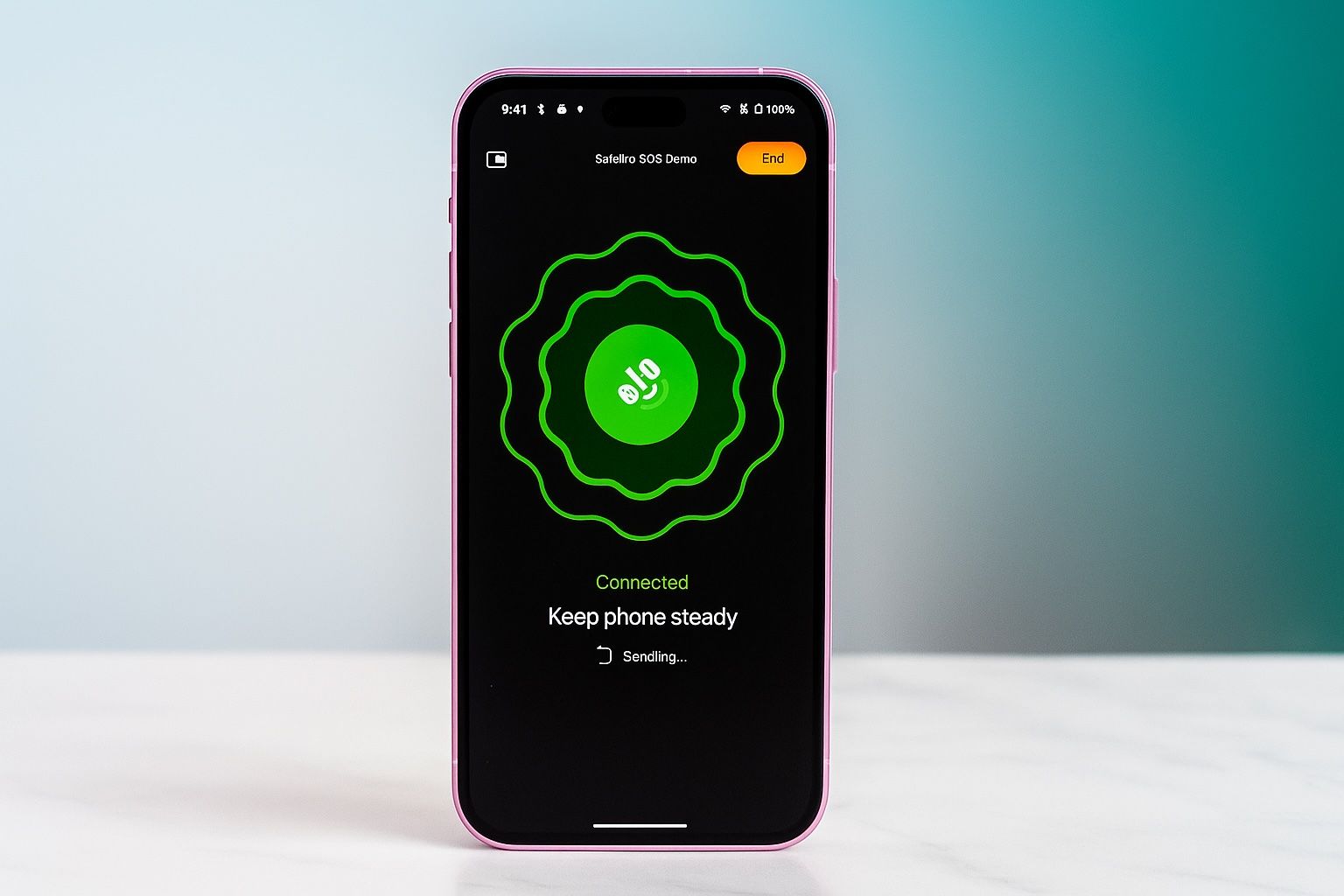
In late 2022, Apple launched Emergency SOS via satellite on the iPhone 14 series, enabling two-way emergency texting via Globalstar satellites. As of iOS 17 and later, iPhone 14/15 users in supported regions can share their location and send basic non-emergency texts via satellite, with two years of free service after activation before a paid plan. Garmin’s inReach Mini 2 provides global two-way texting via the Iridium network, with plans from about $15/month to $65/month and devices typically priced around $350–$450. ZOLEO uses the Iridium network for global messaging, costs about $200 for the device, offers plans from roughly $20
State of Internet Access in Jordan: From Fiber Optics to Starlink

State of Internet Access in Jordan: From Fiber Optics to Starlink

As of Q4 2024, Jordan had about 812,000 fixed broadband subscriptions, with fiber representing roughly 73% (about 591,000) of fixed lines and total fixed broadband at 33.4% household penetration. Mobile broadband reached 8.0 million subscriptions in Q4 2024, with 4G LTE coverage exceeding 90% of the population and 5G launched commercially in 2023, tallying 112,900 5G subscriptions by end-2024. SpaceX Starlink became live in Jordan in April 2025, making Jordan one of the first Middle Eastern countries to offer land-based satellite internet. Orange Jordan introduced satellite broadband via the Eutelsat Konnect satellite in April 2025, delivering up to 100 Mbps
14 June 2025
Inside Morocco’s Internet Revolution: From Fiber Optics to Satellite Access

Inside Morocco’s Internet Revolution: From Fiber Optics to Satellite Access

As of early 2024, Morocco had 34.47 million internet users, representing about 90.7% of the population. In 2024, Morocco recorded 51.36 million cellular connections, equating to a mobile penetration of 135%. The three leading mobile operators are Maroc Telecom (IAM) with about 42.9% of mobile users, Orange Maroc with 33.2%, and Inwi with 23.9%. 4G service launched in 2015–2016, and by mid-2023 about 95% of identified rural white spots had mobile internet coverage, with the remaining few hundred localities slated to be connected by the end of 2023. 5G has been tested by all major operators, with a licensed spectrum
Internet Access in Cuba: From Control to Constellations

Internet Access in Cuba: From Control to Constellations

The first internet connection in Cuba was established in 1996 as a 64 Kbps link via Sprint in the United States. In 2011, with help from Venezuela, Cuba installed the ALBA-1 undersea fiber-optic cable, which became publicly usable in January 2013, replacing the old satellite backbone. From December 6–8, 2018, ETECSA rolled out mobile internet over 3G for Cuban cellphone users. By the end of 2019, an estimated 7.1 million Cubans were online in some capacity, as mobile data began to take hold. In 2023, the Arimao undersea cable, built with France’s Orange, was completed, linking Cuba to Martinique and
8 June 2025
Côte d’Ivoire’s Internet Revolution: Fiber Optics, 5G Dreams, and Satellite Solutions

Côte d’Ivoire’s Internet Revolution: Fiber Optics, 5G Dreams, and Satellite Solutions

As of 2024, about 53.4% of Ivorians live in urban areas, while urban internet usage is roughly 50% compared with 22% in rural areas. Côte d’Ivoire has laid over 5,200 km of fiber under the RNHD backbone, targeting nearly 7,000 km by September 2025. The country is connected to the ACE and WACS submarine cables, and the 2Africa mega-cable is expected to land in 2023–2024, adding about 180 Tbps design capacity. By 2023, about 92% of Ivorians had access to at least one 4G network. MTN Côte d’Ivoire began 5G trials in 2021 and launched first 5G sites in late
8 June 2025
No Signal: The Shocking Digital Divide in the DRC and the Race to Connect Millions

No Signal: The Shocking Digital Divide in the DRC and the Race to Connect Millions

The Democratic Republic of the Congo has a population of over 100 million, but only about 27% were using the internet in early 2024, leaving roughly 75 million offline. <li Internet users rose from 1.4 million in 2013 to 28.9 million in 2023, with mobile internet subscribers jumping about 40% over three years. <li As of 2025, only 9,361 km of fiber has been laid, far short of the 50,000 km target in Horizon 2025, covering about 19% of the plan. <li The DRC’s four major mobile operators—Vodacom, Airtel, Orange, and Africell—dominate the market, with 3G/4G in major cities and
Internet Access in Cameroon: The Race to Connect a Nation

Internet Access in Cameroon: The Race to Connect a Nation

As of early 2025, about 12.4 million Cameroonians were internet users, representing 41.9% of the population. As of 2024, roughly 60% of Cameroonians live in urban areas, with internet access heavily concentrated in cities and rural areas almost inaccessible. Cameroon’s fiber backbone extends over 12,000 kilometers and is connected to five landfall cables: SAT-3, WACS, ACE, SAIL, and NCSCS, with SAIL linking Kribi to Brazil. Plans are underway to add more than 4,000 kilometers of fiber, expanding the backbone to about 17,000–22,000 km and improving regional redundancy. The mobile market is dominated by Orange Cameroon (about 11.7 million subscribers, 39.6%
The Shocking Truth About Internet Access in Burkina Faso – From White Zones to Starlink Dreams

The Shocking Truth About Internet Access in Burkina Faso – From White Zones to Starlink Dreams

As of 2023, internet penetration in Burkina Faso is about 20%, with roughly 4.7 million active internet users in a 23 million population. By late 2023 there were about 17 million mobile internet subscriptions, offering ~77% potential coverage though many subscribers are not active. Fixed broadband remains extremely limited, with about 85,000 active fixed internet subscriptions in Q3 2023, up 140% from 2022. There is a pronounced urban–rural gap: 3G reaches about 64% of the country and 4G/LTE about 46%, 85% have basic mobile signal, 15% have no signal, 1,700 white zones were identified in 2022, of which only 183
Botswana’s Digital Leap: How Satellites and Smartphones Are Redefining Internet Access in the Kalahari

Botswana’s Digital Leap: How Satellites and Smartphones Are Redefining Internet Access in the Kalahari

As of early 2024, about 2.09 million Batswana were internet users, representing roughly 77.3% of the population. Cellular penetration is around 185%, with mobile internet subscriptions at 2.93 million and fixed-line subscriptions at 164,000. Orange Botswana launched Africa’s first 5G network in 2022, initially covering about 30% of the population. SpaceX’s Starlink entered Botswana in August 2024 after BOCRA approved the license in May 2024, with Paratus Botswana becoming the first authorized Starlink reseller. BoFiNet operates the national fiber backbone and buys capacity from submarine cables like WACS and EASSy, becoming the largest provider of Botswana’s international bandwidth; as of
Belgium’s Broadband Boom: The Surprising Truth About Internet Access in 2025

Belgium’s Broadband Boom: The Surprising Truth About Internet Access in 2025

As of early 2025, fiber coverage reached about 43% of Belgian homes, with Proximus aiming for 50% by end-2025, 70% by 2028, and 95% by 2032. Proximus FTTH/B offers symmetric speeds up to 8.5 Gbps in some areas as part of its fibre expansion. Proximus formed joint ventures Fiberklaar (Flanders) and Unifiber (Wallonia) to accelerate FTTH rollout, targeting 1.5 million and 0.6 million connections respectively by 2028. Cable broadband uses DOCSIS 3.1, with about 95.6% of households passed and 95.4% already on DOCSIS 3.1 gigabit networks, and Telenet offering up to 1 Gbps down. 5G rollout had 75% population coverage

Stock Market Today

Nvidia stock ‘cheap’ again? AI spending surge puts NVDA back in the spotlight

Nvidia stock ‘cheap’ again? AI spending surge puts NVDA back in the spotlight

8 February 2026
Nvidia shares jumped 7.8% Friday, leading a rally in chip stocks after signs of continued AI hardware spending by major tech firms. The PHLX semiconductor index rose 5.7%, with AMD and Broadcom also gaining. The Dow closed above 50,000 for the first time. Investors remain split over whether soaring AI outlays will deliver sufficient returns.
Go toTop