Browse Category

Internet News 2 June 2025 - 16 June 2025

Zimbabwe’s Internet Revolution: From Lagging Signals to Sky-High Satellites

Zimbabwe’s Internet Revolution: From Lagging Signals to Sky-High Satellites

In 2000 Zimbabwe’s internet penetration was about 0.3%, rising to around 15% by 2011. The first ISPs were Data Control & Systems in 1994 and MWEB in 1995, with ZISPA counting nearly 30 ISPs by the 2000s. By early 2023 there were over 14 million active SIMs, roughly 85% of Zimbabwe’s population. Median mobile download speed in 2023 was 10.9 Mbps. Starlink received a license in May 2024 and went live in Zimbabwe by September 2024, with starter kits priced around $350 (sometimes $170) and unlimited data at $30/month. Econet launched Zimbabwe’s first 5G sites in 2022, with NetOne announcing
16 June 2025
Inside Poland’s Internet Boom: From Urban Speeds to Satellite Signals

Inside Poland’s Internet Boom: From Urban Speeds to Satellite Signals

By mid-2023, fiber-to-the-premises (FTTP) passed 75.4% of Polish homes, making FTTP the most prevalent fixed broadband technology. By mid-2023 rural FTTP coverage reached 56.3% of rural homes, overtaking DSL as the largest rural broadband technology. National fixed broadband coverage stood at 86.9% of households, with rural coverage at 74.0% by mid-2023. In October 2023, Poland concluded its 3.6 GHz 5G spectrum auction, granting 100 MHz licenses to all four operators and obligating 5G to deliver at least 95 Mbps to 90% of the territory and 99% of households. By mid-2023, 58.5% of rural households had 5G coverage, aided by rapid
Fiber vs 5G vs Starlink: The Shocking Truth About Internet Speeds, Latency and Costs Worldwide

Fiber vs 5G vs Starlink: The Shocking Truth About Internet Speeds, Latency and Costs Worldwide

Fiber-optic broadband delivers 100–1000+ Mbps download and upload with latency around 5–20 ms, but availability is limited to about 25–40% of U.S. households and roughly 70% of OECD regions. Cable broadband offers 25–500 Mbps down and 5–50 Mbps up with 15–30 ms latency, is widespread in cities, and can reach up to 1 Gbps downstream with DOCSIS 3.1, while DOCSIS 4.0 targets up to 10 Gbps down. DSL provides 1–35 Mbps down and 1–10 Mbps up with latency around 20–50 ms, is nearly universal where phone lines exist, and remains the lowest-cost broadband option. Fixed Wireless Access typically delivers 10–100
16 June 2025
Internet Access in Uruguay: The Quiet Digital Revolution Reaching the Sky

Internet Access in Uruguay: The Quiet Digital Revolution Reaching the Sky

Uruguay’s internet penetration is about 89.9–90% of the population as of 2024, one of the highest in the Americas. In 2023 fixed broadband subscriptions totaled about 1.10 million (32 per 100 people), with 81% of those connections delivered via fiber to the home (FTTH). As of early 2024, Uruguay had 6.59 million mobile connections (192.6% of the population), with around 4 million active mobile broadband subscriptions (roughly 110% of the population). 4G LTE networks reach about 94% of the population, and 5G spectrum was auctioned in 2023 after a pilot in 2019, with ANTEL committing about $43 million in 2023
16 June 2025
Inside Saint Lucia’s Digital Revolution: The Untold Story of Internet and Satellite Access

Inside Saint Lucia’s Digital Revolution: The Untold Story of Internet and Satellite Access

Flow provides hybrid fiber-coax and some FTTH with up to 400 Mbps fixed download, and the Internet Select 400 plan costs EC$117.68 per month (VAT included). Digicel+ offers FTTH up to 500 Mbps fixed download (40 Mbps upload) on standard plans, with a 350 Mbps Home Fibre 350 plan at EC$174/month and a 500 Mbps Home Fibre 500 plan at EC$209/month, plus a 1 Gbps option on premium plans. Starlink entered Saint Lucia in late 2024, with residential plans around US$80 per month for unlimited data, a one-time dish cost of roughly US$350–$600, and typical speeds of 50–150 Mbps download
The Digital Lifeline: Inside Ghana’s Internet Revolution from Fiber to Satellite

The Digital Lifeline: Inside Ghana’s Internet Revolution from Fiber to Satellite

As of early 2025, about 24.3 million Ghanaians were internet users, representing 69.9% penetration, with 38.3 million active mobile connections. Over 93% of mobile connections are on 3G, 4G, or 5G networks, underscoring mobile broadband dominance. In 2021, internet use was about 80% among youth (15–29), with urban usage around 80% and rural usage about 54%. Fixed broadband subscriptions were about 113,640 by late 2023, less than 0.7% of the population, with more than 99% of users relying on mobile networks. MTN Ghana launched 4G LTE in 2016 and accounts for about 82% of Ghana’s 4G traffic. By 2020, 4G
Lightning-Fast Latvia: Inside Europe’s Undercover Internet Powerhouse

Lightning-Fast Latvia: Inside Europe’s Undercover Internet Powerhouse

Latvia has about 1.9 million people, with roughly 92.9% online as of early 2024. Over 50% of Latvian households use fiber connections, placing Latvia among seven European countries with high fiber penetration. Latvia has the second-highest rural fiber-to-the-premises (FTTP) coverage in Europe, behind Denmark. As of 2022, 76% of fixed broadband subscriptions were over fiber, and over 38% of connections deliver speeds above 300 Mbps. Latvia’s median fixed broadband speed was around 89 Mbps in early 2024, with 10 Gbps fiber services being introduced in Riga in select areas. 4G networks blanket 99% of the population, and rural 4G coverage
15 June 2025
Côte d’Ivoire’s Internet Revolution: Fiber Optics, 5G Dreams, and Satellite Solutions

Côte d’Ivoire’s Internet Revolution: Fiber Optics, 5G Dreams, and Satellite Solutions

As of 2024, about 53.4% of Ivorians live in urban areas, while urban internet usage is roughly 50% compared with 22% in rural areas. Côte d’Ivoire has laid over 5,200 km of fiber under the RNHD backbone, targeting nearly 7,000 km by September 2025. The country is connected to the ACE and WACS submarine cables, and the 2Africa mega-cable is expected to land in 2023–2024, adding about 180 Tbps design capacity. By 2023, about 92% of Ivorians had access to at least one 4G network. MTN Côte d’Ivoire began 5G trials in 2021 and launched first 5G sites in late
8 June 2025
Internet Access in Comoros: From Island Gaps to Satellite Signals

Internet Access in Comoros: From Island Gaps to Satellite Signals

The Union of the Comoros comprises Grande Comore (Ngazidja), Anjouan (Ndzuwani), Mohéli (Mwali) and the Mayotte territory, with island geography that complicates terrestrial network rollout. Submarine cables have transformed connectivity: EASSy landed in Moroni in 2010–2011, AVASSA was completed in 2016, and FLY-LION3 landed at Itsandra, Moroni in 2019, creating three major international links. Internally, AVASSA connects Grande Comore and Anjouan (Mohéli is linked by microwave), while a Comoros Domestic Cable System (CDCS) is planned and Comoros Cables manages open wholesale access for both carriers. Fixed broadband remains scarce, with about 3,000 fixed broadband subscriptions in 2023 (roughly 0.3 per
Connecting Colombia: Bridging the Digital Divide from Cities to the Amazon

Connecting Colombia: Bridging the Digital Divide from Cities to the Amazon

As of early 2025, 41.1 million Colombians were internet users, representing about 77% of the population. By 2025 Colombia had 78.3 million cellular mobile connections in service, roughly 147% of the population. The urban–rural gap remains wide: 63.9% of households had internet in 2023, 28.8% of the rural population were online, and fewer than 13% of rural households had fixed internet subscriptions. Claro dominates the market with about 37% of fixed broadband subscriptions and around 45% of mobile subscribers; Movistar has ~17% fixed and ~25% mobile; Tigo ~17% fixed and ~18% mobile; WOM ~7% mobile. Starlink entered Colombia and went
6 June 2025
Chad’s Digital Desert: The Shocking Truth Behind the Country’s Internet Revolution

Chad’s Digital Desert: The Shocking Truth Behind the Country’s Internet Revolution

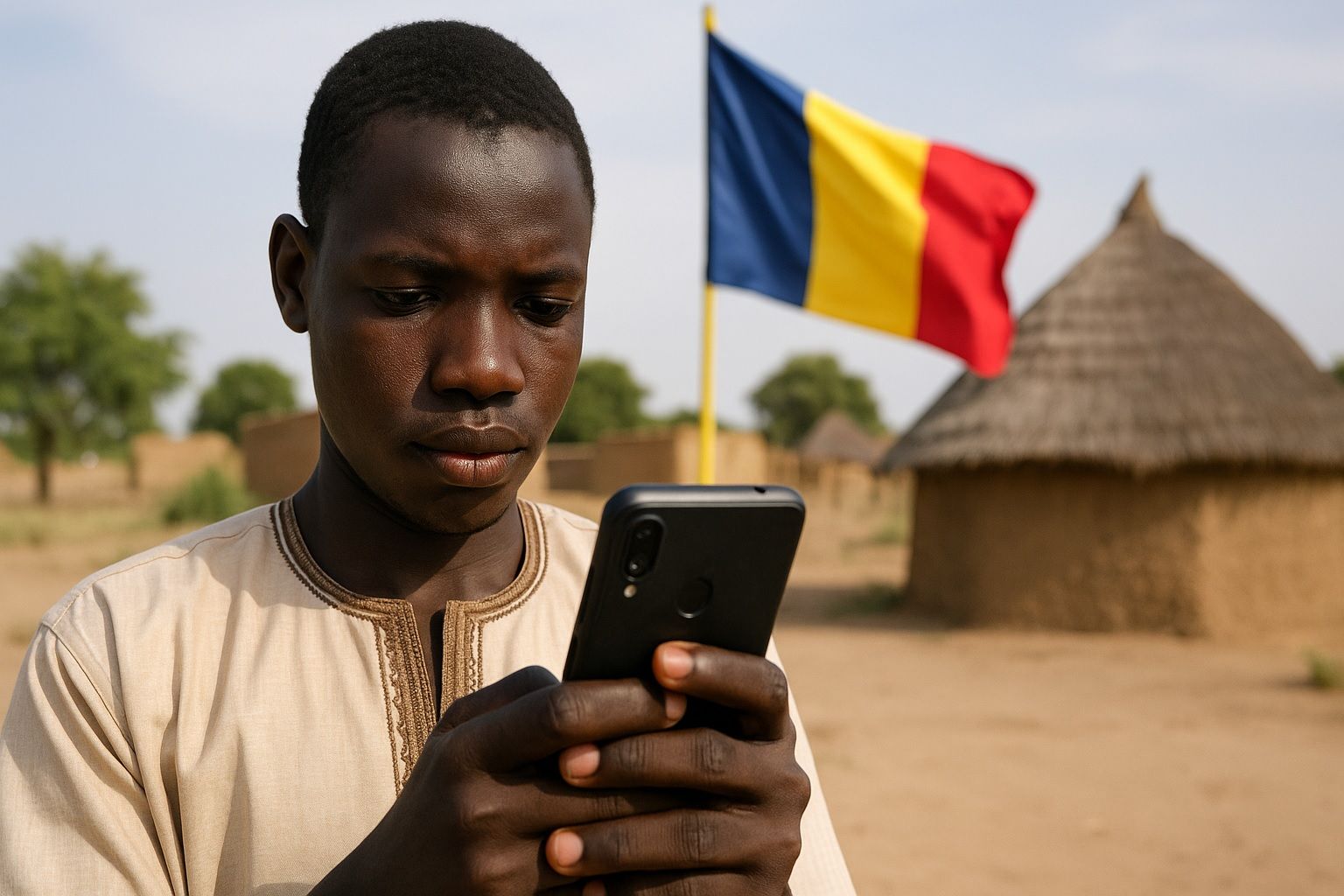
As of 2025, Chad has about 2.74 million internet users (13.2% of the population), with roughly 87% of Chadians still offline. There are about 14.5 million active mobile subscriptions in Chad (roughly 70% of the population) in 2025, with many people owning multiple SIM cards. Chad has just one Internet Exchange Point in N’Djamena, and as of 2025 about 33% of the country’s networks exchange traffic locally at DJAMIX. Fixed broadband is virtually non-existent in Chad, with zero fixed subscriptions and mobile networks providing the main internet access, where 2G covers about 85% of the population and 3G/4G only about
Internet Access in Cape Verde: Current Status and Outlook

Internet Access in Cape Verde: Current Status and Outlook

As of early 2025, about 73.5% of Cape Verde’s population were internet users, roughly 387,000 people out of ~526,000. Fixed broadband subscriptions totaled about 38,000 in 2023, approximately 7 per 100 people. Cape Verde Telecom (CVTelecom) reported passing over 22,000 FTTH homes by the end of 2021, primarily in urban areas. There were over 600,000 mobile cellular connections active in early 2025, about 115% of the population, with 91% of connections broadband-capable (3G/4G). Total internet subscription density reached about 90 per 100 inhabitants in mid-2023, while around 73% of people were online. In early 2024, the median fixed broadband download
6 June 2025
The Space Race for the Internet: Inside the Billion-Dollar Satellite Mega-Constellation Boom

The Space Race for the Internet: Inside the Billion-Dollar Satellite Mega-Constellation Boom

As of mid-2025, Starlink operates about 7,500 active satellites, the largest fleet in history, accounting for more than 60% of all active satellites. Starlink’s next-generation satellites (v2) weigh about 800 kg each, vs 260 kg for v1, and use inter-satellite laser links to route data across continents. Amazon’s Project Kuiper plans 3,236 LEO satellites at roughly 600 km altitude, with more than $10 billion invested, the first 27 operational satellites launched in April 2025, and a target to deploy half the constellation by July 2026. OneWeb completed its Gen1 constellation with 618 of 648 satellites in 1,200 km polar orbits
Internet Access in Cameroon: The Race to Connect a Nation

Internet Access in Cameroon: The Race to Connect a Nation

As of early 2025, about 12.4 million Cameroonians were internet users, representing 41.9% of the population. As of 2024, roughly 60% of Cameroonians live in urban areas, with internet access heavily concentrated in cities and rural areas almost inaccessible. Cameroon’s fiber backbone extends over 12,000 kilometers and is connected to five landfall cables: SAT-3, WACS, ACE, SAIL, and NCSCS, with SAIL linking Kribi to Brazil. Plans are underway to add more than 4,000 kilometers of fiber, expanding the backbone to about 17,000–22,000 km and improving regional redundancy. The mobile market is dominated by Orange Cameroon (about 11.7 million subscribers, 39.6%
4 June 2025
Cambodia’s Internet Boom or Digital Doom? Inside the Kingdom’s Connected Revolution

Cambodia’s Internet Boom or Digital Doom? Inside the Kingdom’s Connected Revolution

Cambodia has over 22 million cellular subscriptions in a population of about 17 million, yielding a mobile penetration of roughly 131.5% due to multiple SIM ownership. As of early 2023, fixed internet subscriptions were about 310,000 nationwide, underscoring a mobile-first connectivity pattern. Cambodia’s first submarine cable, the Malaysia-Cambodia-Thailand link, landed in 2017, and a Hong Kong–Sihanoukville upgrade planned for 2024 will add 640 km of undersea fiber within Cambodian territory. The core backbone is operated by Telecom Cambodia, Viettel/Metfone, and CFOCN, with 38 licensed ISPs and five fiber-infrastructure operators reported in 2023. In early 2023 about 11.37 million Cambodians were
3 June 2025
Why Starlink Keeps Hitting Red Tape Around the World

Why Starlink Keeps Hitting Red Tape Around the World

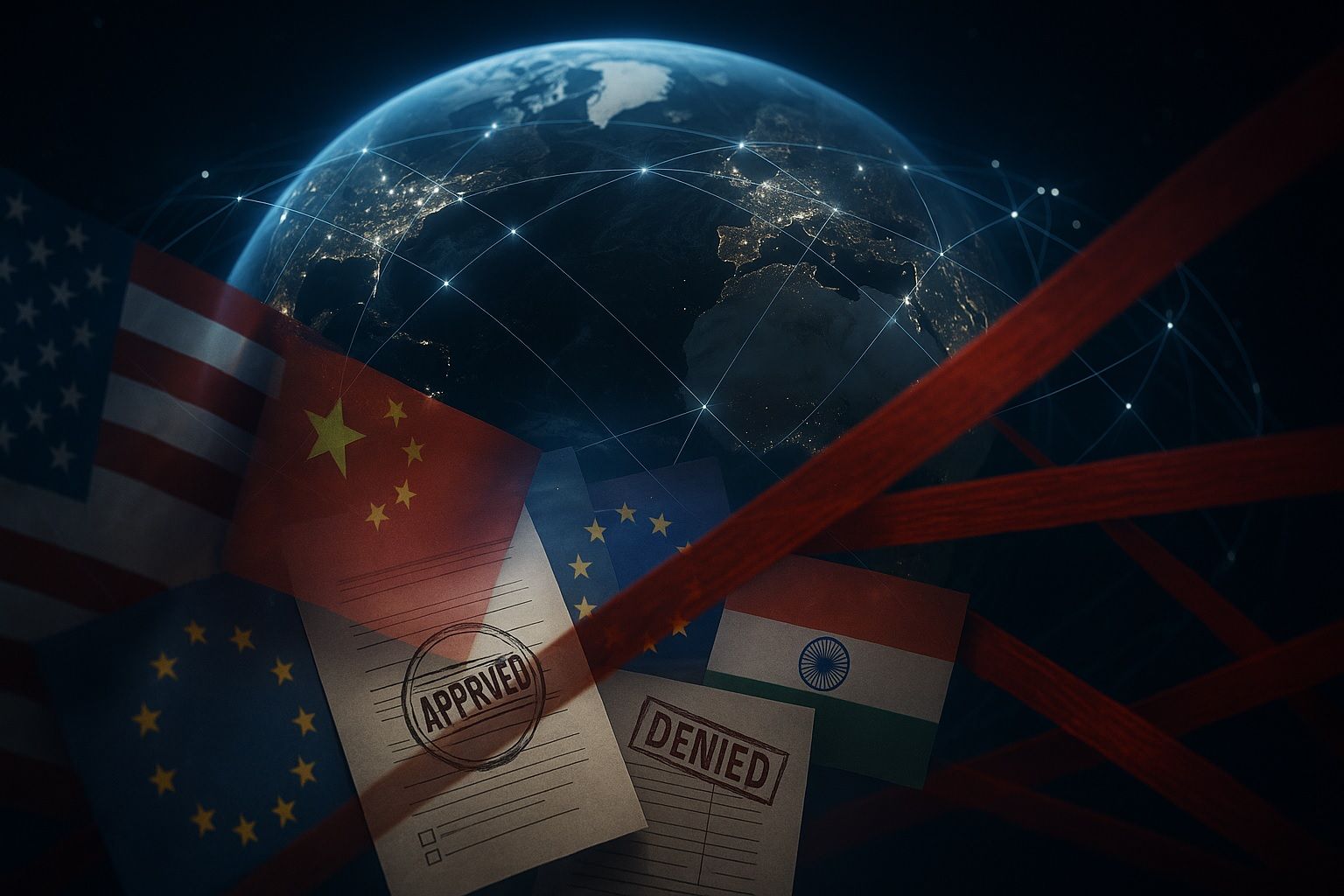
In May 2023 the U.S. FCC sided with Starlink over proposed uses of the 12.2–12.7 GHz band, preserving it for satellite services and preventing two-way 5G interference. In August 2022 the FCC denied Starlink’s $885 million Rural Digital Opportunity Fund subsidy due to performance concerns and high equipment costs, including a roughly $600 dish. By late 2024 Starlink had deployed about 7,000 satellites and controlled nearly two-thirds of all active satellites in orbit, signaling its regulatory and market prominence. France’s Conseil d’État annulled Arcep’s Starlink frequency license in April 2022 for lack of a required public consultation, leading to a
3 June 2025
Starlink’s Sky Grab: How SpaceX Is Quietly Rewiring the Global Internet Game

Starlink’s Sky Grab: How SpaceX Is Quietly Rewiring the Global Internet Game

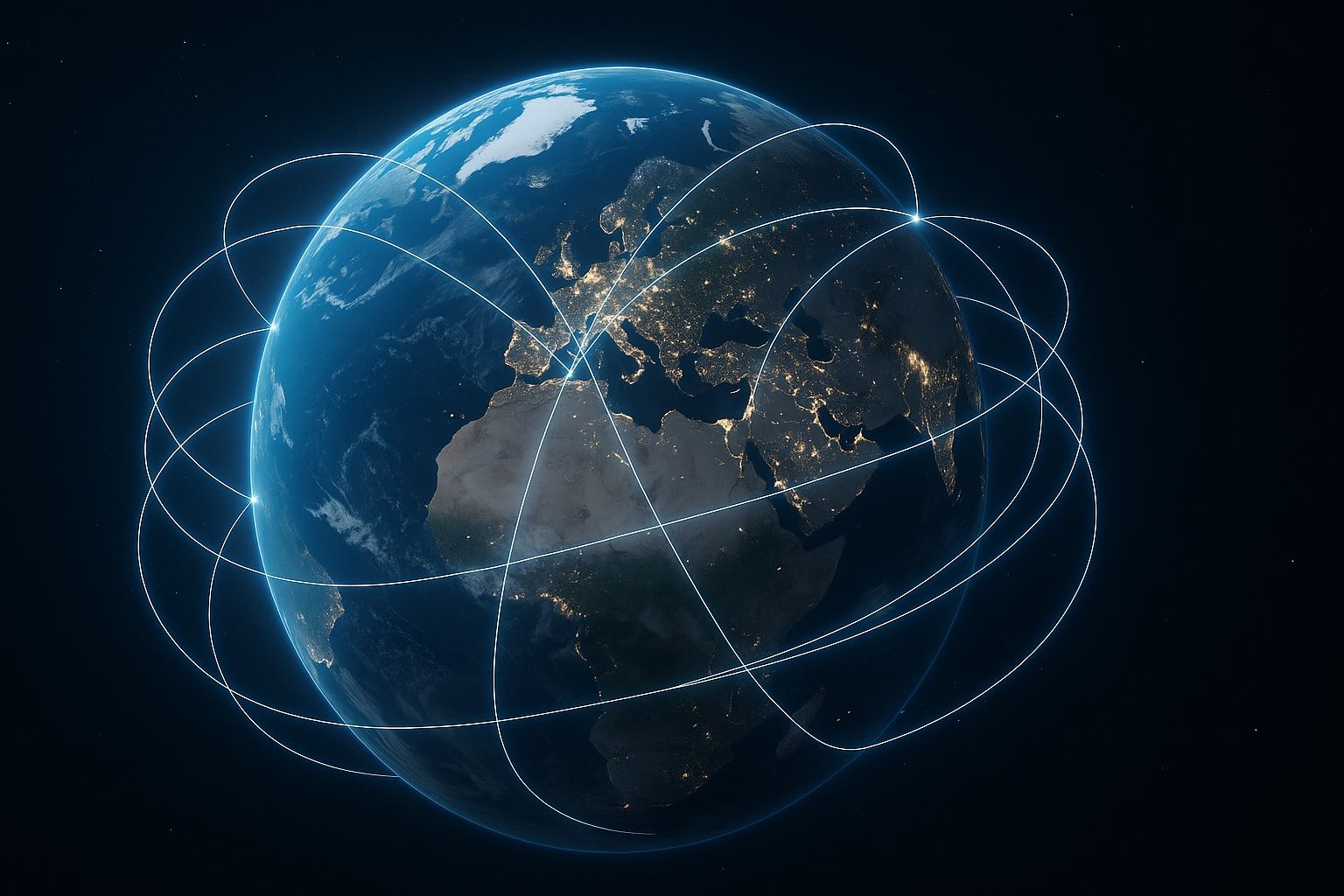
Starlink launched its first batch of 60 satellites in 2019, and by late 2024 the constellation numbered nearly 7,000 satellites in low-Earth orbit. In 2022 Starlink introduced laser inter-satellite links, enabling data to hop between satellites and extending coverage to oceans, polar regions, and remote locales. By mid-2023 Starlink declared global coverage aside from regulatory holdouts, with service reaching Arctic areas and mid-ocean shipping lanes. By early 2024 Starlink was legally available in about 70 countries. Starlink’s user base grew from 1 million by end-2022 to over 4.6 million by end-2024, with more than 5 million users expected by early
3 June 2025
Inside Burundi’s Digital Struggle: The Truth About Internet Access and the Satellite Solution

Inside Burundi’s Digital Struggle: The Truth About Internet Access and the Satellite Solution

As of January 2025, Burundi had about 1.78 million internet users, roughly 12.5% of ~14 million people, leaving about 88–90% offline. About 99.6% of internet subscriptions are mobile broadband, while fixed broadband is virtually nonexistent with ~0.3% of homes wired and only about 3,000 fixed broadband subscriptions in 2023. 4G coverage reached about 32% of the population in 2023, 3G about 53%, while 2G covers around 97%, leaving many rural areas without true internet. The rural population accounts for about 84% of Burundians, and the government’s Universal Service Fund is rolling out 4G to 178 rural communities, aiming to reach
The Shocking Truth About Internet Access in Burkina Faso – From White Zones to Starlink Dreams

The Shocking Truth About Internet Access in Burkina Faso – From White Zones to Starlink Dreams

As of 2023, internet penetration in Burkina Faso is about 20%, with roughly 4.7 million active internet users in a 23 million population. By late 2023 there were about 17 million mobile internet subscriptions, offering ~77% potential coverage though many subscribers are not active. Fixed broadband remains extremely limited, with about 85,000 active fixed internet subscriptions in Q3 2023, up 140% from 2022. There is a pronounced urban–rural gap: 3G reaches about 64% of the country and 4G/LTE about 46%, 85% have basic mobile signal, 15% have no signal, 1,700 white zones were identified in 2022, of which only 183
2 June 2025
Everything You Need to Know About Internet Access in Bulgaria (Even the Satellites!)

Everything You Need to Know About Internet Access in Bulgaria (Even the Satellites!)

By 2021, about 65% of fixed broadband subscribers in Bulgaria were on fiber, with gigabit speeds available and Vivacom launching a 10 Gbps fiber service. 5G was launched commercially in 2020, with A1 Bulgaria and Vivacom turning on 5G in 2020 and by the end of 2022 around 70% of the population expected to have 5G coverage. Starlink entered Bulgaria in February 2022, and as of 2025 Neterra is an authorized Starlink reseller offering hardware and support, with typical speeds over 100 Mbps down and 40–60 ms latency at around €60 per month plus a €300 equipment kit. Vivacom holds
2 June 2025
1 4 5 6 7 8 9

Stock Market Today

Semiconductor stocks surge as AI capex stays high; Nvidia and AMD lead into next week

Semiconductor stocks surge as AI capex stays high; Nvidia and AMD lead into next week

7 February 2026
The Philadelphia Semiconductor Index jumped 5.7% to 8,048.6 on Friday, with Nvidia up 7.87% and AMD rising 8.28%. The surge followed new forecasts showing global chip sales could hit $1 trillion in 2026. Amazon expects a 50% increase in capital spending this year, fueling demand for chips. The Dow Jones crossed 50,000, helped by gains in chipmakers.
Oil stocks jump on Iran risk lift for crude — what to watch before Monday

Oil stocks jump on Iran risk lift for crude — what to watch before Monday

7 February 2026
U.S. oil stocks surged Friday as crude prices rose on renewed Middle East tensions. Exxon Mobil gained 2.0%, ConocoPhillips 2.5%, and Occidental Petroleum 2.7%. Refiners rallied after a national union deal eased strike risk, though BP’s Whiting plant faces a local dispute. Brent settled at $68.05 a barrel, up 0.74%.
Silver price rebound masks fresh stress after CME lifts margins again

Silver price rebound masks fresh stress after CME lifts margins again

7 February 2026
Spot silver surged 8.6% to $77.33 an ounce Friday after dropping below $65, but still lost over 8.7% for the week. CME Group raised margin requirements for COMEX silver futures to 18% from 15%, effective after Feb. 6. China’s UBS SDIC Silver Futures Fund hit its 10% down limit for a fifth session. Traders await key U.S. jobs and inflation data next week.
Go toTop