Browse Category

NYSE:LMT 4 June 2025 - 22 July 2025

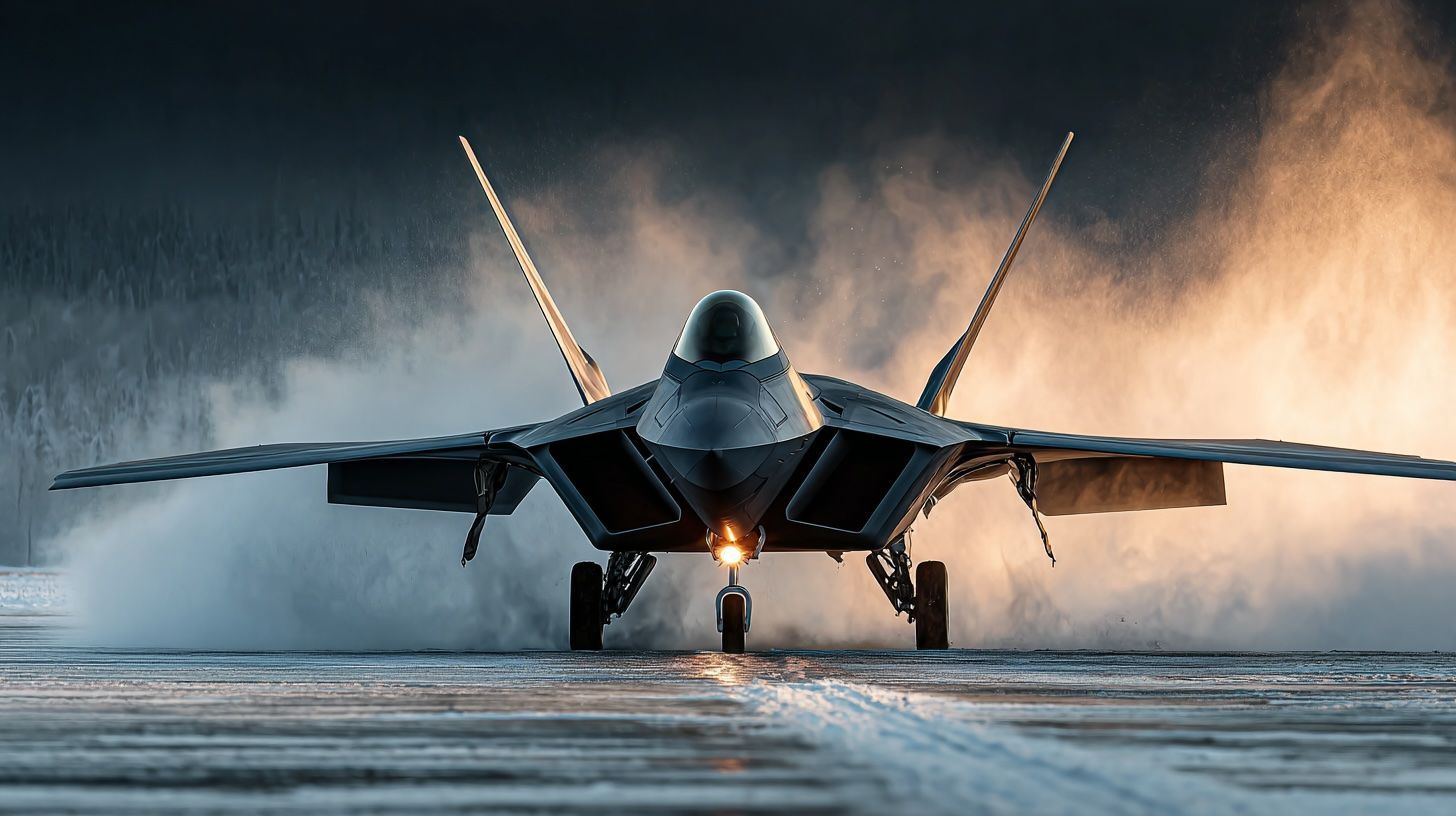
F‑22 Raptor’s Explosive 2025: Combat Missions, Big Upgrades & a New Lease on Life

F‑22 Raptor’s Explosive 2025: Combat Missions, Big Upgrades & a New Lease on Life

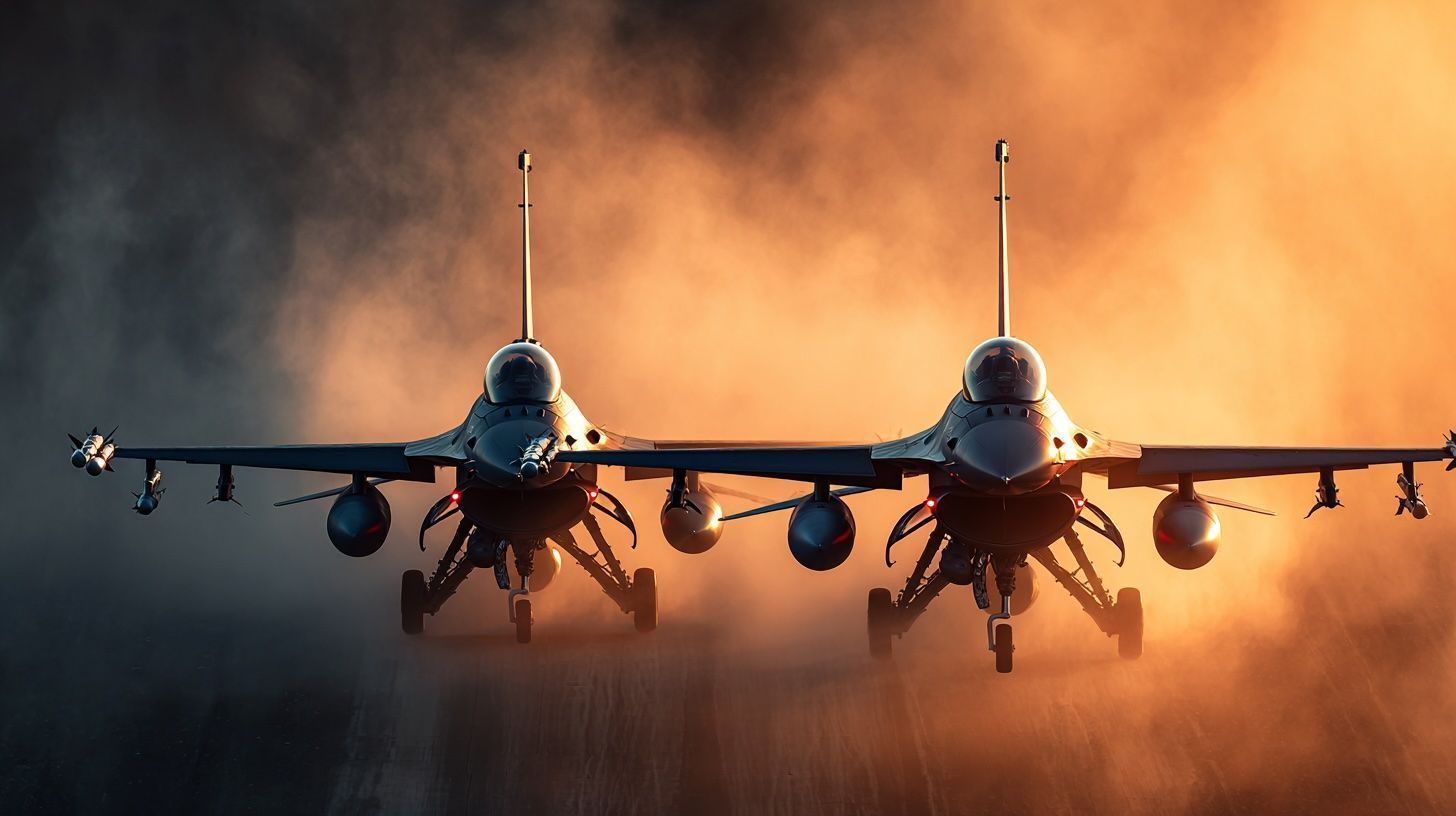
F-22 Raptors from Langley AFB conducted their first direct strikes on Iran’s Fordow and Natanz sites in June 2025 as part of Operation Midnight Hammer, alongside B-2 bombers. A KC-46A tanker suffered a mid-air boom separation while refueling F-22s in July; no damage was reported. Lockheed Martin received a $270 million contract to upgrade F-22 infrared defenses. No F-22 retirements occurred in 2025; the fleet remains at about 185 jets.
Unbreakable Military Signals: The Untold Story of Secure Military Communications

Unbreakable Military Signals: The Untold Story of Secure Military Communications

Alan Turing’s team decrypted Enigma at Bletchley Park in the 1940s, providing Allied intelligence. In 2025, China announced a 12,800-kilometer quantum-encrypted satellite link to South Africa. Since 2022, Starlink terminals have enabled encrypted Ukrainian battlefield communications. NATO and the U.S. are testing quantum-resistant and space-based network technologies for military use.
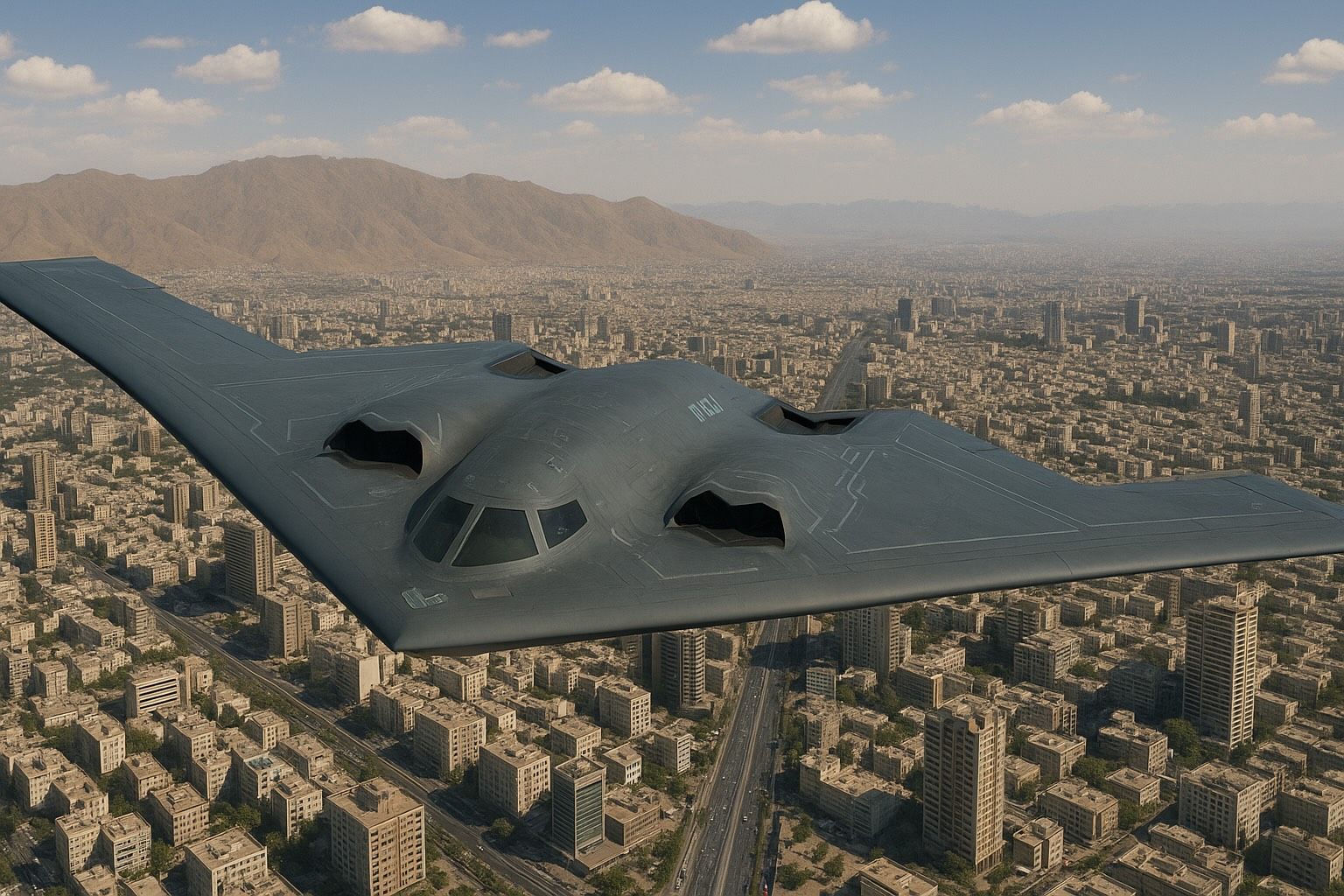
Operation Midnight Hammer: How Stealth Bombers, Fighters, and Bunker Busters Obliterated Iran’s Nuclear Sites

Operation Midnight Hammer: How Stealth Bombers, Fighters, and Bunker Busters Obliterated Iran’s Nuclear Sites

Seven B-2 bombers from Whiteman AFB struck Iran’s Fordow, Natanz, and Isfahan nuclear sites on June 21–22, 2025, using 14 GBU-57A/B Massive Ordnance Penetrators in the weapon’s first combat use. Tomahawk missiles from an Ohio-class submarine hit Isfahan. F-22s, F-35s, and electronic warfare aircraft suppressed Iranian defenses. Satellite imagery confirmed major damage at Fordow.
Satellite Financing, M&A, and IPO Tracker 2024–2029

Satellite Financing, M&A, and IPO Tracker 2024–2029

Global space startup funding rebounded to $8.6–$9.5 billion in 2024, with $6 billion raised by Q3, nearly matching 2023’s total. Seventy-three space-related acquisitions were announced, up 39% from 2023, including SES’s $3.1 billion deal for Intelsat and Apple’s $1.5 billion investment in Globalstar. Lockheed Martin, KBR, and Rocket Lab also announced major acquisitions.
Sky Watchers: The 2025–2033 Boom in Weather & Climate Satellite Constellations

Sky Watchers: The 2025–2033 Boom in Weather & Climate Satellite Constellations

More than 5,400 Earth observation satellites are expected to launch worldwide from 2024 to 2033, nearly triple the previous decade. NOAA awarded Lockheed Martin a $2.27 billion contract in 2024 for at least three GeoXO satellites. Europe’s MTG and MetOp-SG programs will deliver eight new satellites by 2025. Spire Global, Planet Labs, and GHGSat are expanding commercial fleets for weather and emissions monitoring.
Solar Tempests & Orbital Guardians: The Secret Life of Space-Weather Satellites

Solar Tempests & Orbital Guardians: The Secret Life of Space-Weather Satellites

In 1859, the Carrington Event triggered global telegraph failures and equatorial auroras, marking the largest recorded geomagnetic storm. Modern satellites—GOES, SOHO, ACE, DSCOVR, SDO, STEREO-A, and Aditya-L1—monitor solar activity and warn of space weather threats. The 1989 Quebec blackout and 1994 Anik satellite failures highlighted ongoing risks to power grids and satellites. ESA’s Vigil mission is planned for 2031.
Sky Spies: The Ultimate Guide to Weather Satellites Tracking Storms, Saving Lives, and Monitoring Climate

Sky Spies: The Ultimate Guide to Weather Satellites Tracking Storms, Saving Lives, and Monitoring Climate

NASA’s TIROS-1 launched in 1960, transmitting over 19,000 cloud images in 78 days and proving satellite weather observation. By mid-2025, more than 300 Earth observation satellites are in orbit, including advanced systems like GOES-16, Himawari-8/9, and FY-4A, providing rapid, high-resolution data. The World Meteorological Organization coordinates global satellite data exchange, with most data freely shared.
Spies in the Sky: The Ultimate Guide to Spy Satellites and Their Secrets

Spies in the Sky: The Ultimate Guide to Spy Satellites and Their Secrets

The CORONA program began US satellite photo-reconnaissance in 1959, with Discoverer XIV’s mid-air film recovery in 1960. By early 2024, China’s Yaogan constellation reached 144 satellites, including sub-meter optical variants. Cosmos 954, a Soviet RORSAT, scattered radioactive debris over Canada in 1978. Over 1,100 active Earth-observation satellites orbited by 2025, more than half commercially owned.
F-22 Raptor: America’s Unmatched Stealth Air Superiority Fighter

F-22 Raptor: America’s Unmatched Stealth Air Superiority Fighter

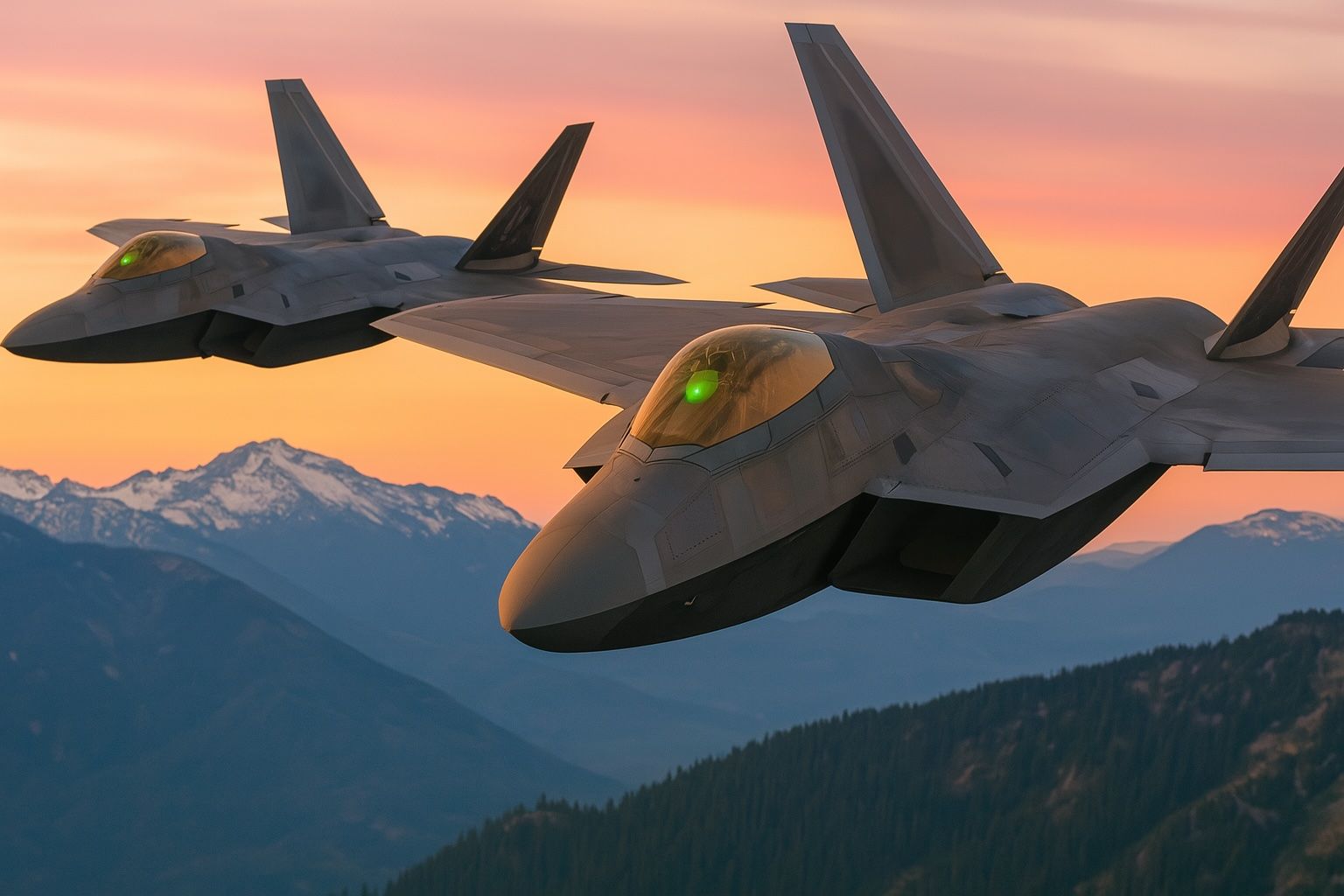
The F-22 Raptor, a U.S. stealth fighter, entered service in 2005 with 187 built by 2012. Powered by two Pratt & Whitney F119 engines, it can supercruise above Mach 1.5 and operate above 50,000 feet. The jet carries eight internal air-to-air missiles and a 20mm cannon. In 2023, an F-22 shot down a Chinese surveillance balloon, marking its first air-to-air kill.
17 June 2025
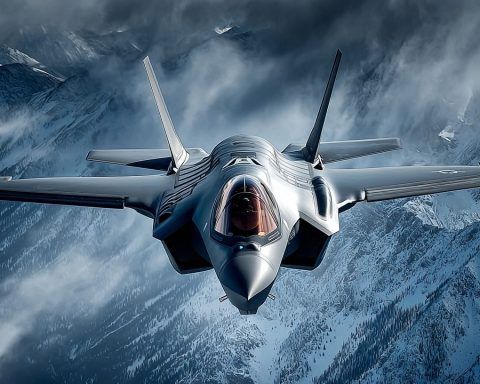
F-35 Lightnig II Uncovered: Inside the $1 Trillion Stealth Fighter Dominating the Skies

F-35 Lightnig II Uncovered: Inside the $1 Trillion Stealth Fighter Dominating the Skies

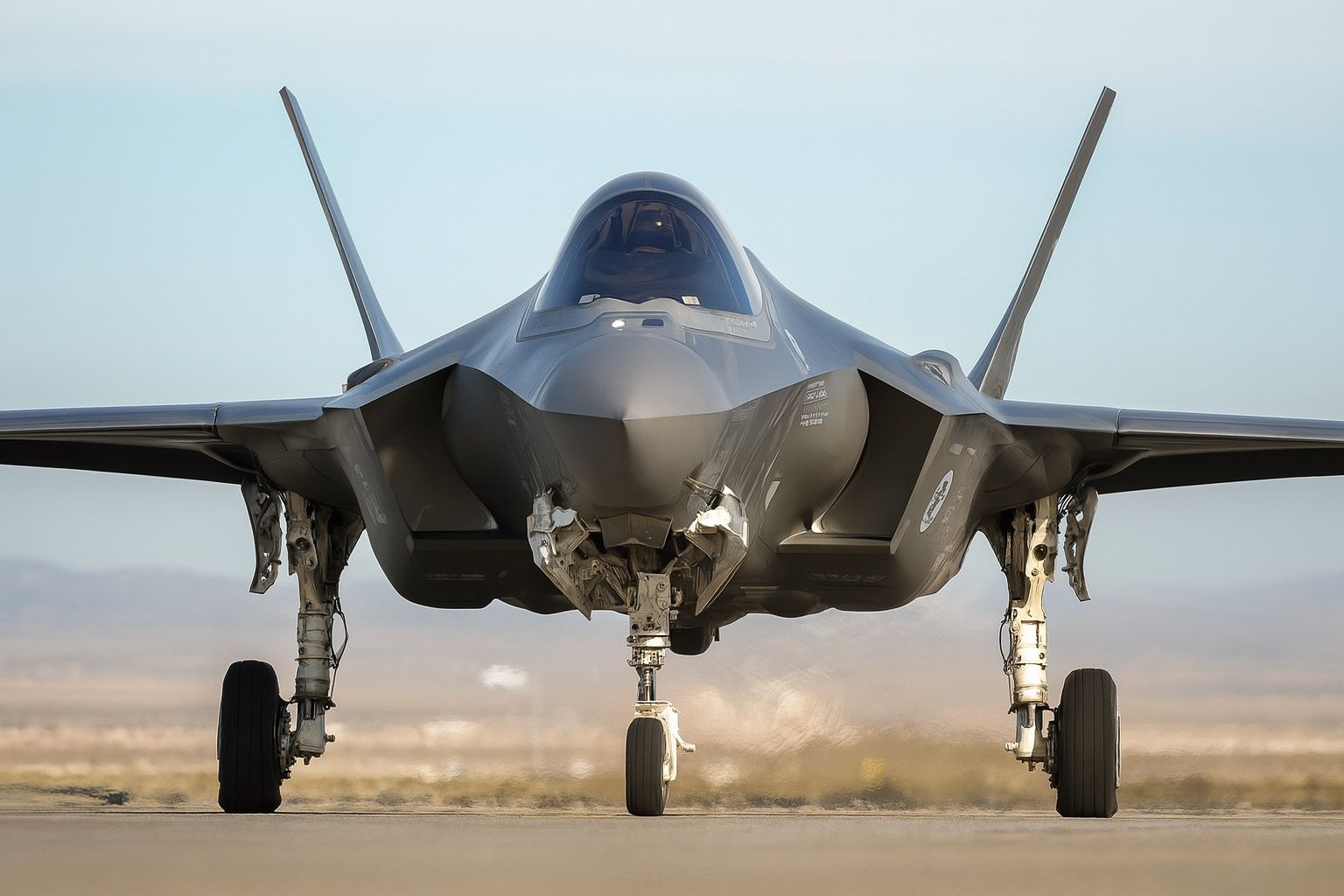
More than 1,170 F-35 fighters have been delivered worldwide as of mid-2025, with a projected fleet of over 3,000 by the mid-2030s. The F-35A, B, and C variants reached initial operational capability between 2015 and 2019. Unit costs for recent production lots ranged from $82.5 million to $109 million. Block 4 modernization will add about 80 upgrades and new weapons, including the AIM-260 JATM and AN/APG-85 radar.
Top 10 Fighter Jets Dominating the Skies in 2025

Top 10 Fighter Jets Dominating the Skies in 2025

Over 1,000 F-35 Lightning II jets were delivered to 17 nations by 2025, entering service in the mid-2010s. The F-22 Raptor saw only 195 built since 2005, while China’s J-20 Mighty Dragon surpassed 200 in PLAAF service by 2024. Russia’s Su-57 entered service in 2020 with about 20 in use. The F-15EX Eagle II began U.S. service in 2022, carrying up to 22 air-to-air missiles.
Skyrocketing Fighter Jet Market 2025: Tech Triumphs and Global Rivalries Fuel a New Arms Race

Skyrocketing Fighter Jet Market 2025: Tech Triumphs and Global Rivalries Fuel a New Arms Race

The F-35 Lightning II surpassed 1,000 deliveries worldwide by late 2024, cementing Lockheed Martin’s lead in the fighter jet market. China’s J-20 fleet reached about 300 jets, making it the world’s second-largest stealth force. The global fighter market was valued at $105.7 billion in 2025, with Asia-Pacific as the largest regional buyer. Boeing’s F/A-18E/F Super Hornet line will end in 2025.
Satellite Bus Showdown: Legacy Titans vs. NewSpace Mavericks (2024–2033)

Satellite Bus Showdown: Legacy Titans vs. NewSpace Mavericks (2024–2033)

The global satellite bus market is projected to grow from $14.1 billion in 2023 to $23.4 billion by 2033. SpaceX has launched over 6,500 Starlink satellites, making up about half of all active satellites. In 2024, commercial projects accounted for 68% of market value, with LEO satellites at 72% of platform share. BAE Systems completed its $5.55 billion acquisition of Ball Aerospace in early 2024.
Sky Is No Limit: Global Satcom Market Set to Soar Through 2035

Sky Is No Limit: Global Satcom Market Set to Soar Through 2035

The global space economy hit $415 billion in 2024, with commercial satellite activities making up $293 billion. Active satellites jumped from 3,300 in 2020 to over 11,500, driven by mega-constellations from firms like SpaceX and OneWeb. Government space spending reached $135 billion, with $73 billion for defense. Regulators are addressing space debris, tracking over 36,000 objects larger than 10 cm.
Unlocking the Sun: Inside NASA and ESA’s Daring Missions to Touch the Solar Inferno

Unlocking the Sun: Inside NASA and ESA’s Daring Missions to Touch the Solar Inferno

NASA’s Parker Solar Probe became the first spacecraft to fly through the Sun’s corona in April 2021, crossing the Alfvén critical boundary at about 4 million miles from the Sun. The probe travels over 430,000 mph, protected by a carbon-composite heat shield, and has detected magnetic switchbacks and a dust-free zone near the Sun. Solar Orbiter, launched in 2020, will image the Sun’s poles and carries ten instruments for solar observation.
Military Satellite Services: Complete Guide to Secure Communications

Military Satellite Services: Complete Guide to Secure Communications

The U.S. operates AEHF for secure military communications, Navstar GPS for global navigation, DSP and SBIRS for missile warning, and KH-11 satellites for reconnaissance. Russia fields the Liana ELINT constellation, while China’s BeiDou navigation system offers global PNT and military messaging. China’s 2007 and Russia’s 2021 ASAT tests produced major debris clouds. The U.S. Space Development Agency plans 160 new satellites by 2025.
1 5 6 7
Go toTop