Today: 1 July 2026
Browse Category

Space Exploration 21 September 2025 - 2 October 2025

You Won’t Believe How Easily You Can Spot the ISS – Ultimate International Space Station Viewing Guide

ISS Legacy and the Commercial Space Race: Why 2020s Are Launching Humanity Into Deep Space

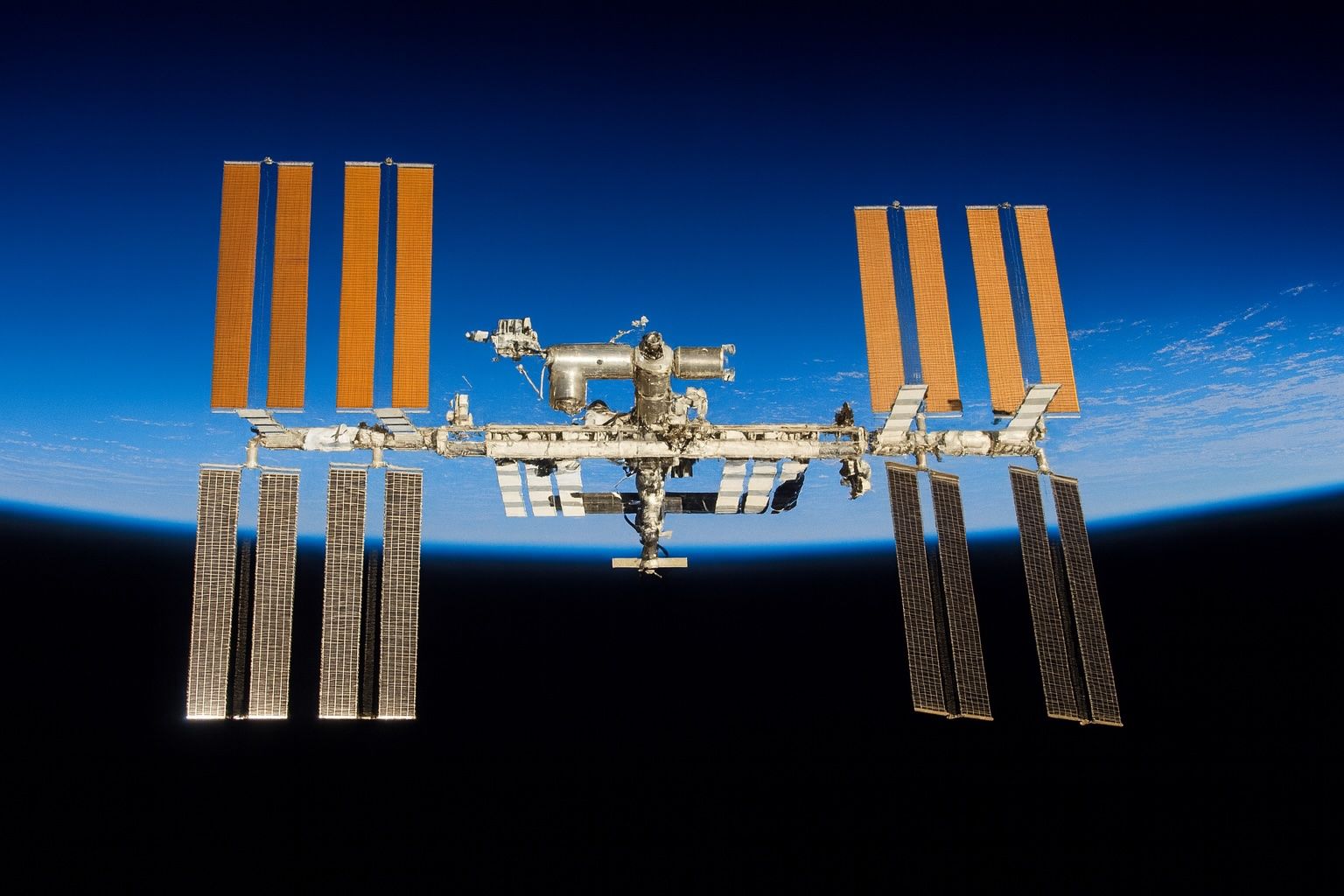
When the International Space Station was first assembled in 1998, NASA envisioned it as more than a laboratory. It would be a bridge into the solar system—a place to master living and working in space, develop life‑support systems and test technologies before committing astronauts to long voyages. In 2025, with the ISS still orbiting 400 kilometres above Earth, that vision is clearer than ever. Micro‑gravity is a harsh teacher. On the ISS, astronauts must adapt to drinking in weightlessness, sleeping in vertical sleeping bags and maintaining fitness when bones and muscles quickly weaken. Research has explored how spaceflight affects eyes, brain, bones, muscles and the cardiovascular system, yielding countermeasures like exercise regimens and new medical protocols nasa.gov. Experiments have advanced fluid dynamics, combustion and materials science; lessons learned have improved consumer products on Earth and refined life‑support hardware.
2 October 2025
Breaking Space News (Sept 30 – Oct 1, 2025): Record Launches, Bold Contracts, and Stunning Milestones

Breaking Space News (Sept 30 – Oct 1, 2025): Record Launches, Bold Contracts, and Stunning Milestones

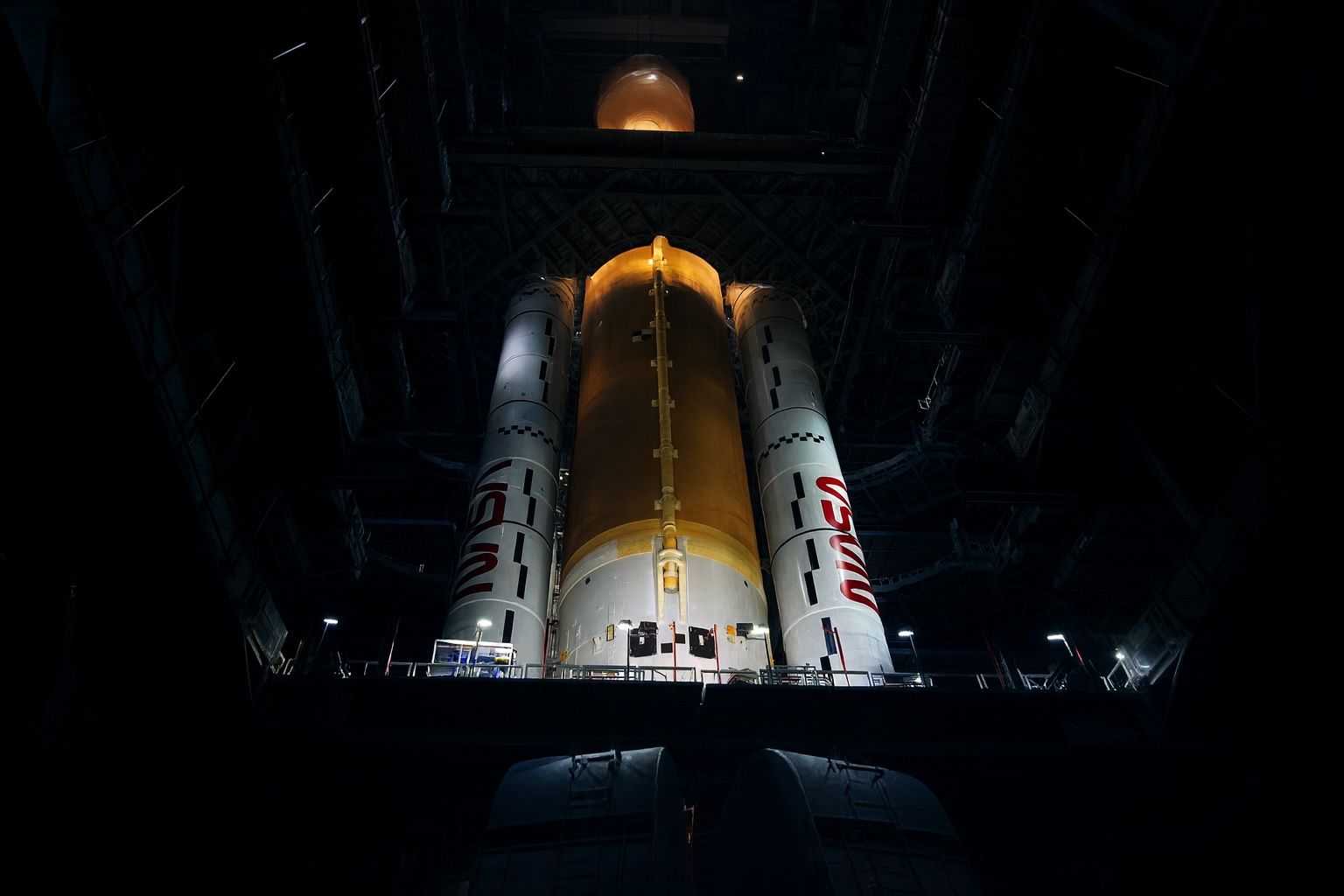
NASA focused on its Artemis lunar program. On Sept. 30, NASA announced that the Orion Stage Adapter was installed for Artemis II nasa.gov. This brings the integrated SLS–Orion stack closer to its no-later-than April 2026 launch. NASA explains that “in the coming weeks” engineers will mate the Orion crew capsule to the rocket nasa.gov. This Artemis II mission will be the first crewed flight of SLS/Orion, carrying astronauts around the Moon. Meanwhile, NASA is also finalizing Europe’s Sentinel-6B satellite at its processing facility. Sentinel-6B “will extend the gold‑standard sea level record into its fourth decade” and is targeting launch on a SpaceX Falcon 9 this fall science.nasa.gov. At the International Astronautical Congress in Sydney, NASA’s top brass joined global counterparts in emphasizing partnerships. NASA also announced an Oct. 1 news conference for astronaut Chris Williams’ Soyuz mission to the ISS. Williams will spend eight months aboard the ISS, marking the continued US–Russia cooperation on station missions nasa.gov. Notably, NASA’s ISS program celebrated 25 years of continuous crewed operations this fall nasa.gov, underscoring the lab’s role in preparing for future Moon and Mars missions.

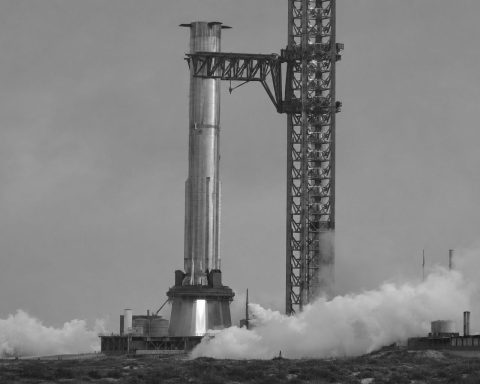
SpaceX Starship: The Giant Rocket Poised to Change Space Travel Forever (2025 Update)

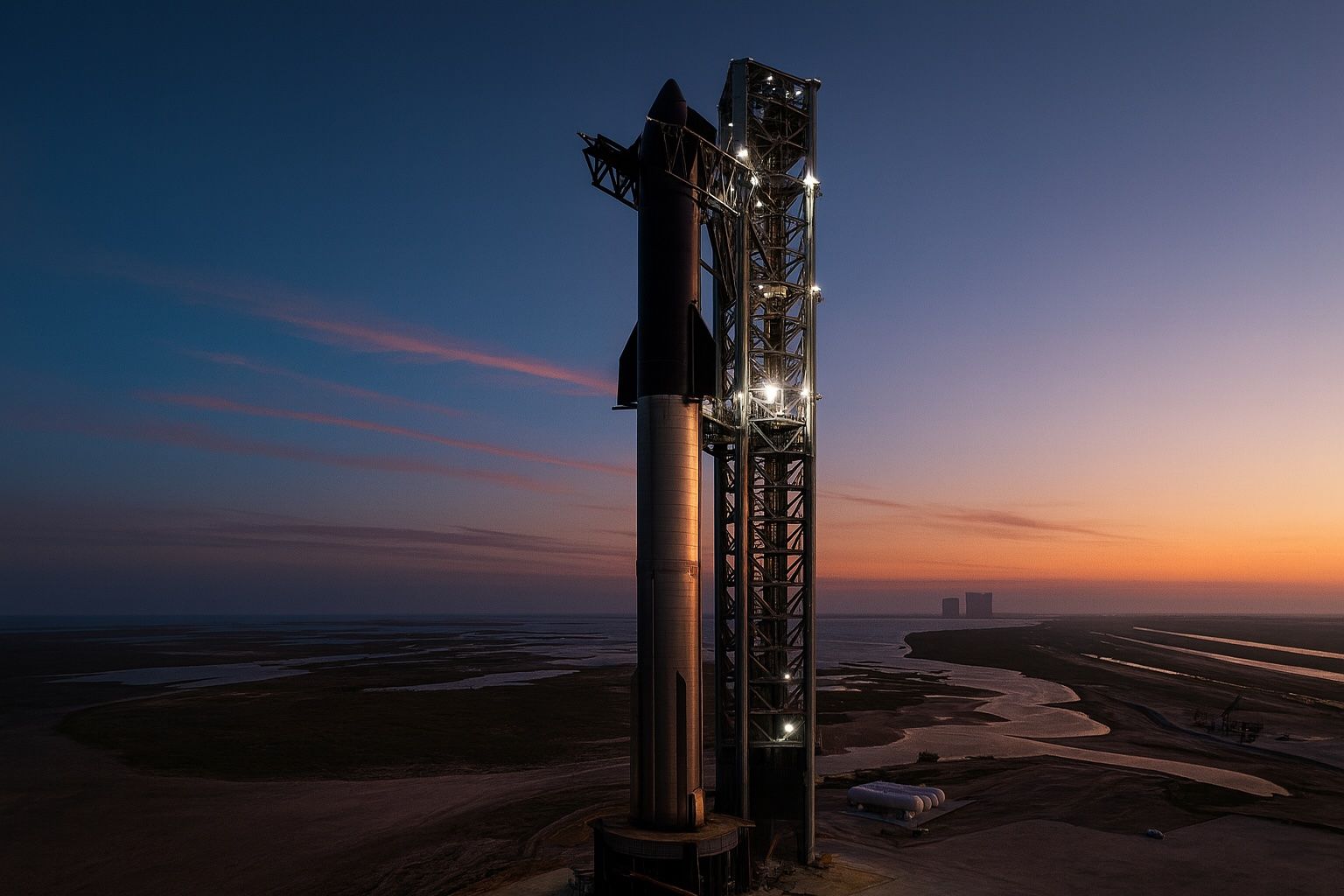
SpaceX’s Starship Returns: Launch Set for Oct. 13 – A Lunar Race and Rocket Showdown Explained

Sources: Official SpaceX announcements and live-test reports space.com friendsofnasa.org; Space.com and SpaceExplored news articles covering the Flight 10 success and Oct. 13 announcement space.com spaceexplored.com; NASA and Congressional briefings on Artemis timelines nasa.gov space.com; NASA Advisory Panel analysis spacepolicyonline.com gizmodo.com; and public flight logs and press summaries en.wikipedia.org nasaspaceflight.com. These sources provide the latest updates on Starship’s development, objectives, and its role in the upcoming Moon missions and broader space exploration landscape.
30 September 2025
Interstellar Comet 3I/ATLAS Shrouded in CO₂ Fog – NASA’s SPHEREx Reveals a Cosmic Visitor’s Secrets

Massive Interstellar Comet 3I/ATLAS Sparks Debate – Harvard Astronomer: ‘Could Be Alien Tech’

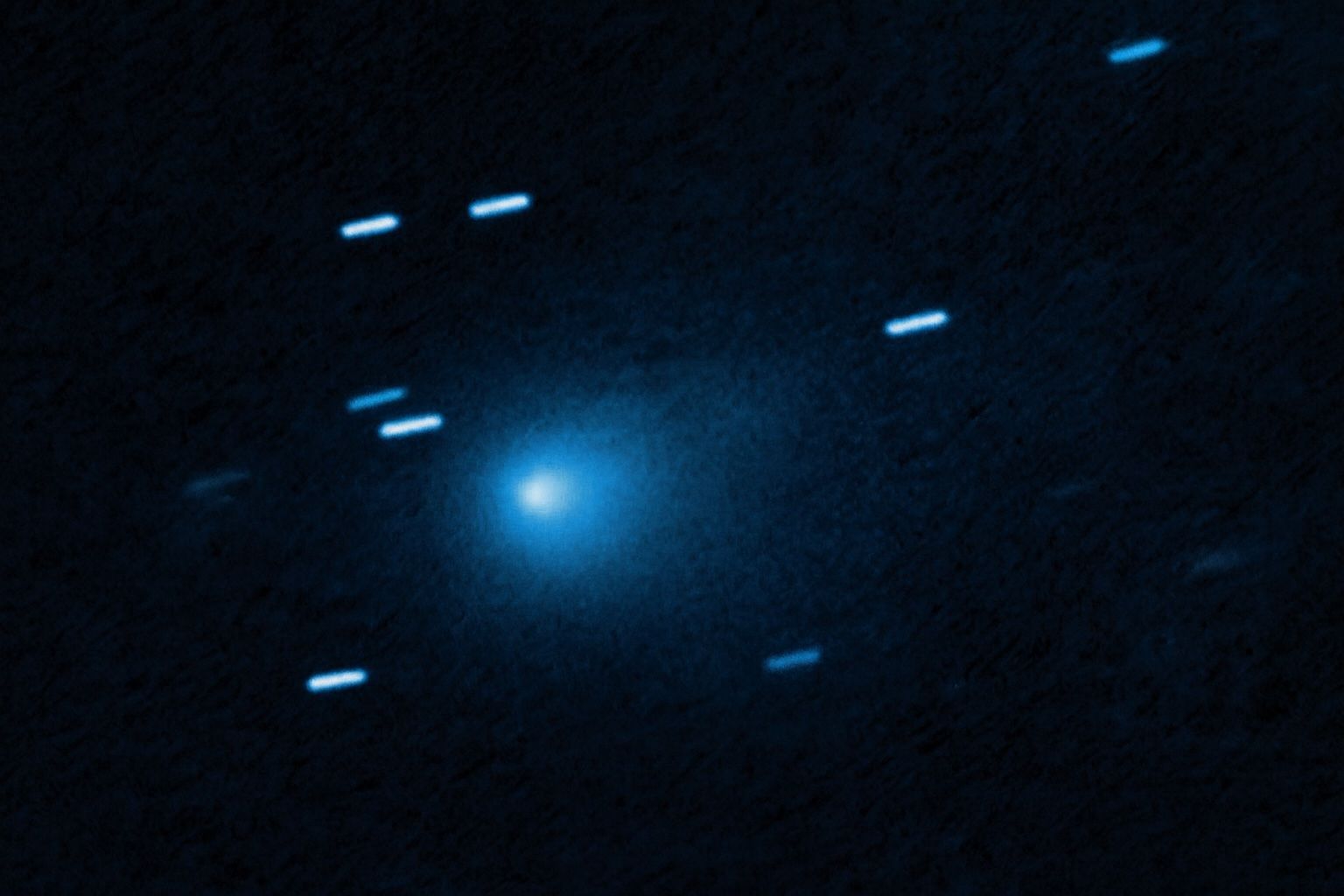
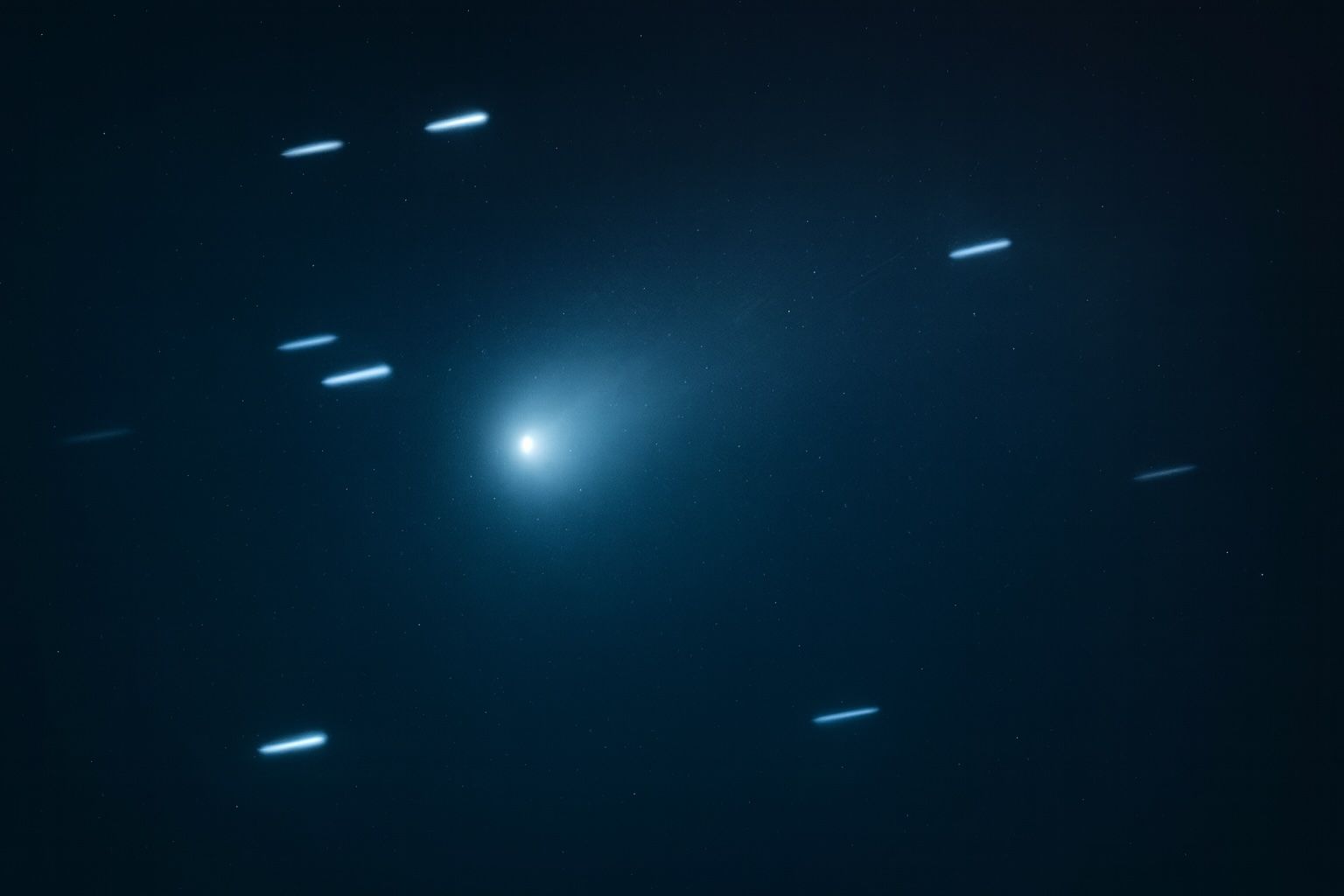
Astronomers around the world are buzzing over the appearance of comet 3I/ATLAS, an object that entered our Solar System from interstellar space. This cosmic interloper – formally designated 3I/ATLAS – was first detected on July 1, 2025 by the NASA-funded ATLAS survey telescope in Río Hurtado, Chile reuters.com esa.int. Its discovery was quickly confirmed by observatories worldwide when its highly eccentric trajectory signaled an origin beyond our Solar System esa.int. Every other comet, asteroid, planet, and moon we’ve observed shares a common birth in our Sun’s vicinity, but interstellar objects like 3I/ATLAS are true outsiders carrying clues from distant star systems esa.int. The name “3I/ATLAS” reflects this status: the “3I” means it’s the third Interstellar object catalogued, and “ATLAS” credits the survey that found it esa.int. Such sightings are extremely rare – until 2017, no one had ever seen an interstellar object up close. Now, within a few years, we have three on record reuters.com. Each offers a unique chance to study material formed around other stars. “These comets are absolutely foreign,” notes the European Space Agency – they carry “clues about the formation of worlds far beyond our own” esa.int.
30 September 2025
Falcon 9’s ‘Jellyfish’ Launch & Webb’s Moon-Forming Disk – Space News Roundup (Sept 29–30, 2025)

Falcon 9’s ‘Jellyfish’ Launch & Webb’s Moon-Forming Disk – Space News Roundup (Sept 29–30, 2025)

SpaceX capped September with a spectacular twilight launch. On Sept. 28, a Falcon 9 lifted off from Vandenberg SFB carrying 28 Starlink v2 Mini satellites space.com. Reaching dusk, the rocket’s exhaust expanded into the upper atmosphere and caught the Sun’s rays, creating a brilliant “space jellyfish” effect visible from hundreds of miles. Space.com’s Brett Tingley, camping in Afton Canyon, marveled, “I’ve seen plenty of Falcon 9 ‘jellyfish’ online but never in person. It was lit up gorgeously from below by the setting sun…” space.com. The booster landed on the drone ship “Of Course I Still Love You” in the Pacific, and the second stage successfully deployed all satellites into low Earth orbit. This launch was Falcon 9’s 28th flight of the stage, and the 124th SpaceX launch of 2025 space.com spaceflightnow.com. In orbit, the 28 new Starlinks joined SpaceX’s ever-growing internet “megaconstellation.” Analysts estimate Starlink now has on the order of 4–5 million subscribers. Industry watchers project even faster growth: Quilty Space forecasts about 7.8 million customers and $11.8 billion in revenue by end of 2025 nasdaq.com. By the end of October SpaceX may have over 10,000 Starlink sats aloft, setting it far ahead of its competitors in satellite internet.
30 September 2025
July 10 2025’s ‘Buck Moon’ Will Be the Farthest‑From‑the‑Sun, Low‑Riding Full Moon of the Decade—Here’s the Exact Time, Best Viewing Tricks & Pro Photo Hacks You Need

October 2025 Sky Spectacular: Harvest Supermoon, Orionid Meteor Shower and Comet Frenzy

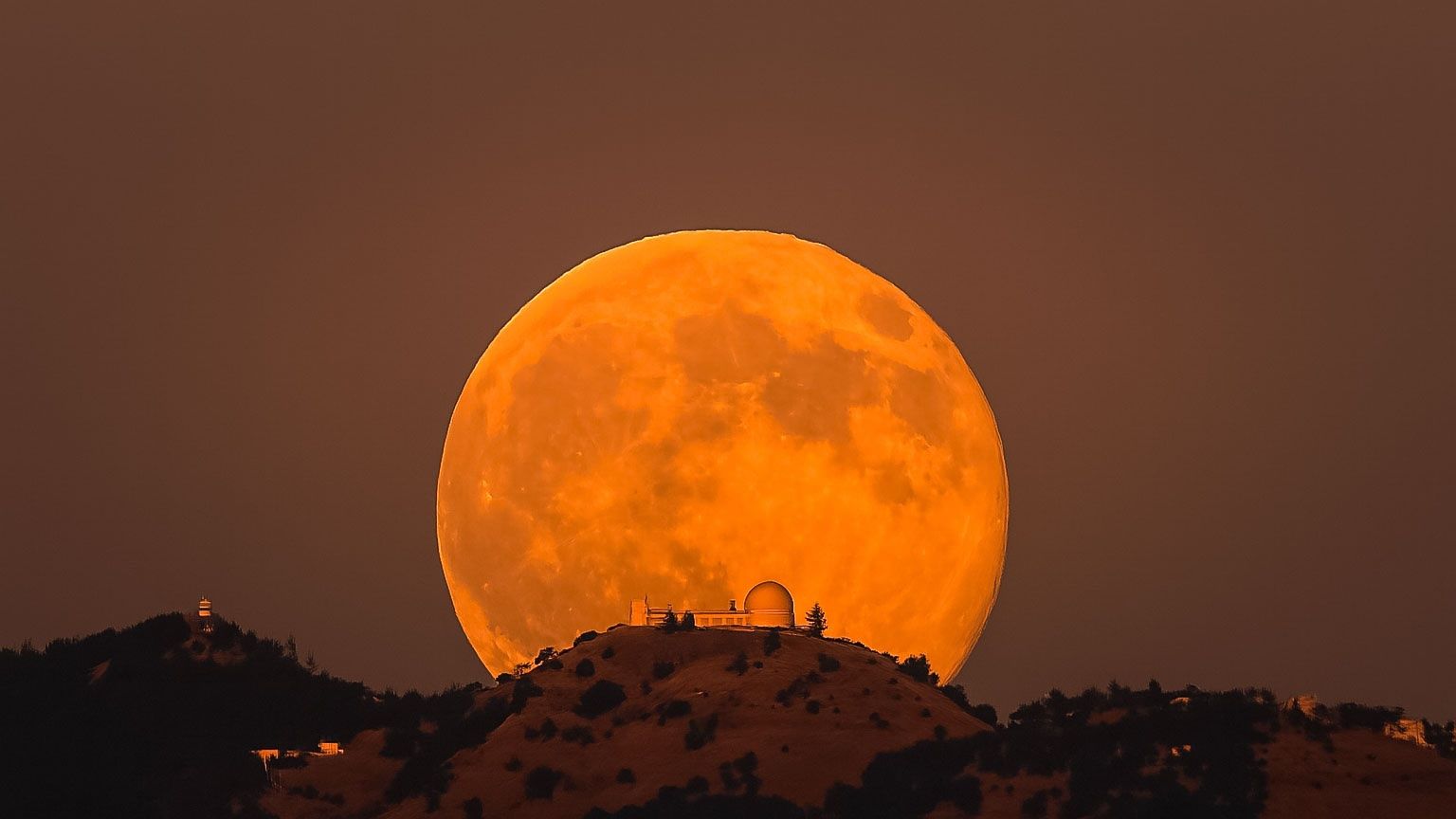
October’s full Moon coincides with lunar perigee, making it a supermoon – the largest of 2025 nationalgeographic.com the-independent.com. It is also the Harvest Moon, by definition the full moon nearest the autumnal equinox. However, in 2025 the timing is unusual: unlike most years when the Harvest Moon falls in September, this year it slips into October. Space.com explains that “the full moon of Oct. 6… will also carry the title ‘Harvest Moon’” because it actually lies closer to the Sept 23 equinox than September’s full moon space.com. According to Space.com expert Joe Rao, “October’s full moon will be the largest and brightest Moon of the year,” and the first supermoon since Nov 2024 the-independent.com. This late Harvest Moon is the latest since 1987 the-independent.com. Astronomers emphasize that the visual effect is subtle: although the Moon will be ~6–14% larger and ~13–30% brighter than average starwalk.space the-independent.com, most people see little actual size change. Still, the sight of a bright orange Moon high among the stars is a photogenic treat. Skywatchers in North America will see the Full Moon on the evening of Oct 6, with peak illumination at 11:48 p.m. EDT.
29 September 2025
Spectacular Space News Blitz: SpaceX Soars 28 Satellites, NASA Unleashes Solar Probes, China’s New Weather Satellite & More (Sept 28–29, 2025)

Spectacular Space News Blitz: SpaceX Soars 28 Satellites, NASA Unleashes Solar Probes, China’s New Weather Satellite & More (Sept 28–29, 2025)

Sources: Authoritative space news outlets, agency releases and expert commentary from Sept. 28–29, 2025, including Space.com space.com, Spaceflight Now spaceflightnow.com, ESA and company press releases esa.int northstar-data.com, and industry reports grandviewresearch.com. All statistics and quotes above are cited to linked original reports.
SpaceX’s Spectacular Launch Weekend: 50 Satellites Launched, But Troubles Loom

SpaceX’s Spectacular Launch Weekend: 50 Satellites Launched, But Troubles Loom

On Sept. 25 and 27, 2025, SpaceX sent two Falcon 9 rockets aloft from Vandenberg SFB in California, each deploying a batch of Starlink internet satellites. The Sept. 25 mission lifted off at 9:26 p.m. local time with 24 Starlink V2 Mini satellites Edhat Space. A first-stage booster landed on the droneship OCISLY about 8½ minutes later Space. Two days later, on Sept. 27 at 7:20 a.m. Pacific Time, Falcon 9 carried 26 more Starlink satellites into orbit Ksby. KSBY News reports that after stage separation the booster again returned to OCISLY for a precision sea landing Ksby. These launches marked SpaceX’s third and fourth launches in under 48 hours – an exceptionally high tempo reflecting its aggressive Starlink build-out. According to Space.com, 2025 has been a record year for Falcon 9 flights. By late September SpaceX had completed its 123rd Falcon 9 launch of the year Space. SpaceX says that over 70% of these missions served Starlink, and acknowledged planning “tens of thousands” of additional satellites Latimes. The sheer pace means Starlink’s constellation is now immense – Space.com notes “nearly 8,500 active spacecraft” in orbit Space. In short, SpaceX’s Falcon 9 fleet is launching almost continuously to populate Starlink.
27 September 2025
Global Space News Roundup (Sept 26–27, 2025)

Global Space News Roundup (Sept 26–27, 2025)

Summary: SpaceX’s launch blitz: SpaceX achieved an unprecedented launch cadence, flying three Falcon 9 missions in under 41 hours through Sept. 25–26 spaceflightnow.com. These included two Starlink batches and NASA’s solar observatory mission to deep space. The Sept. 26 Vandenberg launch marked SpaceX’s 123rd Falcon 9 flight of 2025 and the 15th just in September, putting the company on pace to smash its previous annual launch record space.com. With these missions, SpaceX surpassed 8,400 Starlink satellites in orbit, with about 8,500 active Starlink craft now in the network according to satellite trackers space.com. Both Falcon 9 boosters used were reused multiple times – one flying its 22nd mission and another on its 16th – and both first stages landed safely on drone ships spaceflightnow.com spaceflightnow.com. SpaceX’s launch director joked that “the rocket fleet’s working overtime,” underscoring how routine rapid reusability has become in support of the Starlink megaconstellation.
AI Metaverse Leaps, Cyber Attacks, and Space Triumphs – Global Tech News Roundup (Sept 26–27, 2025)

AI Metaverse Leaps, Cyber Attacks, and Space Triumphs – Global Tech News Roundup (Sept 26–27, 2025)

Meta bets on the Metaverse + AI: Meta Platforms grabbed headlines with a suite of announcements blending augmented reality and generative AI. At the Meta Connect 2025 conference, CEO Mark Zuckerberg introduced “Horizon AI,” a new service for creating personalized virtual worlds on the fly theverge.com. Using Meta’s latest large language model and user data, Horizon AI can “stitch” together custom 3D environments via an intelligent assistant theverge.com. In a demo, Zuckerberg showed how speaking a few prompts could generate an immersive scene – for example, recreating a childhood home in VR for a therapy session. Meta is pitching this as “your world, reimagined” for social hangouts, work collaboration, and even mental health therapy. Privacy advocates, however, have raised concerns about the amount of personal data such AI-generated worlds might consume. Alongside its software, Meta rolled out new hardware. The company unveiled the Meta Ray-Ban Display glasses – stylish smart glasses with a built-in mini screen in one lens that can display messages, navigation, and video calls theverge.com. Controlled by a wrist-worn neural input band, these glasses blur the line between eyewear and smartphone, letting users read texts or see map directions in their field of view. Meta also announced
Launch Doubleheader and Lunar Revelations – Space News Roundup (Sept 25-26, 2025)

Launch Doubleheader and Lunar Revelations – Space News Roundup (Sept 25-26, 2025)

September 25, 2025 saw an extraordinary launch doubleheader. In the pre-dawn hours, SpaceX’s Falcon 9 lifted off from Cape Canaveral at 4:39 a.m. EDT carrying 28 Starlink internet satellites into low Earth orbit spaceflightnow.com. Just a few hours later at 8:09 a.m. EDT, a United Launch Alliance Atlas V roared skyward from a neighboring pad with 27 of Amazon’s Project Kuiper broadband satellites onboard spaceflightnow.com. The rare one-two punch meant two orbital launches from one spaceport within 3.5 hours, treating spectators on Florida’s Space Coast to dual rocket trails in the sky. SpaceX’s early-morning Starlink mission marked the company’s 86th Starlink launch of 2025, part of SpaceX’s relentless pace this year spaceflightnow.com. The Falcon 9’s first-stage booster – on its 22nd flight – landed safely on the drone ship A Shortfall of Gravitas, notching SpaceX’s 511th successful booster recovery spaceflightnow.com. With this mission, SpaceX has placed over 8,400 Starlink satellites into orbit since the program began spaceflightnow.com. The Starlink network, used to beam internet service worldwide, continues to grow at a torrid rate. “As of Sept. 19, 2025, a total of 9,760 Starlink satellites have been launched ... with 7,430 now in their operational orbits,” according to NASASpaceFlight nasaspaceflight.com. This
26 September 2025
NASA’s “Astronaut Avatars” – Tiny Organ Chips Poised to Protect Artemis II Crew’s Health

Artemis II: NASA’s Daring 2026 Moon Mission – First Crewed Lunar Orbit in 50 Years

Artemis II is poised to be a historic mission, rekindling human exploration beyond Earth orbit after half a century. It is the second mission in NASA’s Artemis program and the first that will carry astronauts. In essence, Artemis II is a lunar flyby: the crew will venture around the Moon and return to Earth without landing spacepolicyonline.com. The mission builds directly on the uncrewed Artemis I flight, which tested the enormous SLS rocket and Orion capsule around the Moon and back. Artemis I was deemed a success, but engineers learned vital lessons – notably about Orion’s heat shield, which ablated more than expected spacepolicyonline.com. Armed with those insights and improvements, NASA is preparing to send humans on Artemis II to validate all systems in real flight conditions. Why is Artemis II significant? For one, no astronaut has left low-Earth orbit since Apollo 17 in 1972. Returning humans to lunar distance is a major milestone in space exploration, demonstrating that the United States still has the capability and the will to embark on deep-space missions. The flight is often compared to Apollo 8, the 1968 mission that first took astronauts around the Moon. Like Apollo 8, Artemis II will test navigation,
25 September 2025
Space Race Heats Up: Secret Satellite Launches, Mega‑Mergers & Cosmic Breakthroughs (July 14–15, 2025 Roundup)

SpaceX Shatters Launch Records with 28 Starlink Satellites, Leaving Rivals in the Dust

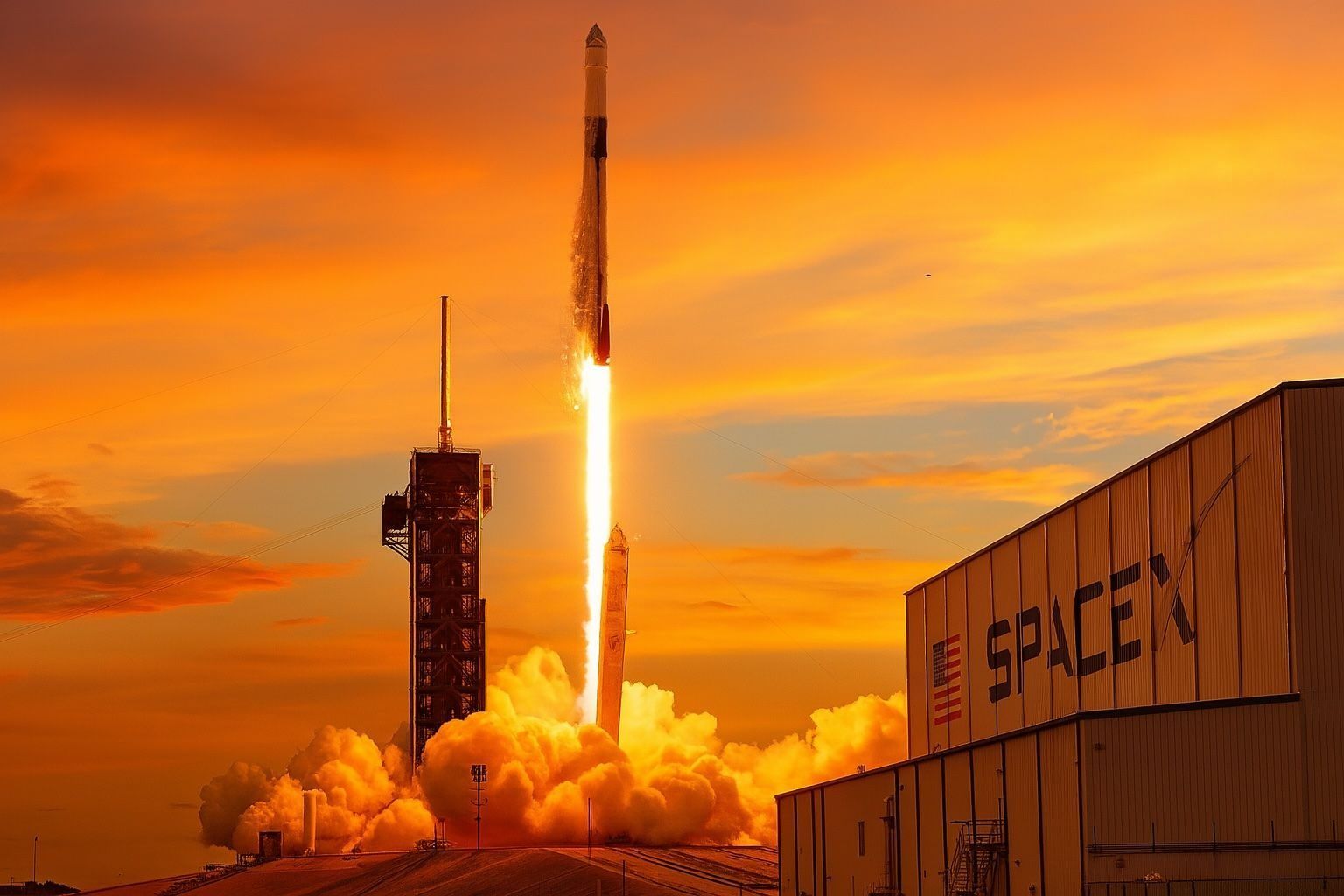
SpaceX’s latest launch of 28 Starlink satellites might have seemed routine by now – one of several launches the company performs each month – but it underscored just how far SpaceX has pushed the boundaries of rapid, reusable spaceflight. The mission lifted off from Space Launch Complex 40 in Cape Canaveral before dawn on September 25, 2025, carrying a batch of 28 of SpaceX’s “Starlink V2 Mini” satellites destined for low Earth orbit space.com. Within about 64 minutes, all 28 satellites were successfully deployed to join the ever-growing Starlink constellation, adding another layer to SpaceX’s global internet network. This flight was designated Starlink Group 10-15, indicating its place in SpaceX’s launch campaign. Notably, the pre-dawn liftoff occurred under favorable weather conditions – the U.S. Space Force’s 45th Weather Squadron had forecast a 90% chance of good launch weather, with only light upper-level clouds posing minimal risk spaceflightnow.com. SpaceX’s launch team proceeded smoothly through countdown and liftoff, illustrating how launching satellites has become a clockwork operation for the company.
Space Showdown: 48 Hours of Epic Launches, Cosmic Breakthroughs, and a New Moonship Name

Space Showdown: 48 Hours of Epic Launches, Cosmic Breakthroughs, and a New Moonship Name

Solar sentinel liftoff: The week’s biggest blast-off came early on Sept. 24, when a SpaceX Falcon 9 rocket roared off Launch Complex 39A at Kennedy Space Center carrying a trio of spacecraft devoted to space weather research nasa.gov. In a single launch at 7:30 a.m. EDT, NASA and NOAA deployed the Interstellar Mapping and Acceleration Probe, the Carruthers Geocorona Observatory, and NOAA’s Space Weather Follow-On L1 satellite toward the Sun-Earth Lagrange point nasa.gov nasaspaceflight.com. This “fleet” will probe how the Sun’s charged particles and solar wind affect Earth and the broader solar system. “This successful launch advances the space weather readiness of our nation to better protect our satellites, interplanetary missions, and space-faring astronauts from the dangers of space weather,” said acting NASA Administrator Sean Duffy nasa.gov. The new missions will provide early warning of solar storms and help safeguard power grids, communications, GPS, and astronauts by monitoring the Sun’s outbursts nasa.gov nasa.gov. NASA’s heliophysics chief Joe Westlake noted that understanding the Sun’s influence is “critical because the Sun’s activity directly impacts our daily lives… from power grids to GPS” nasa.gov. With the Sun approaching a peak in its 11-year cycle, these probes promise timely insights to protect technology and
25 September 2025
Space Race in 48 Hours: Starship Roars, Moon Mission Nears & Space Tourism Soars

Space Race in 48 Hours: Starship Roars, Moon Mission Nears & Space Tourism Soars

Solar Probes Take Flight: On Sept. 24, SpaceX’s Falcon 9 thundered off pad 39A in Florida carrying three solar science spacecraft: NASA’s Interstellar Mapping and Acceleration Probe, a small Carruthers Geocorona Observatory, and NOAA’s SWFO-L1 space-weather monitor science.nasa.gov science.nasa.gov. Liftoff was targeted for 7:30 a.m. EDT, with the booster aiming to hurl the payloads toward the Sun-Earth L1 point, about a million miles out nasa.gov nasa.gov. This mission inaugurates a new era in heliophysics – IMAP will map the boundaries of the heliosphere to better understand cosmic radiation and solar storms nasa.gov. It’s a ride-share trio: alongside IMAP, NASA’s Carruthers Observatory will image Earth’s outermost atmosphere and NOAA’s SWFO-L1 will serve as an early warning beacon for solar eruptions that could disrupt power grids and GPS nasa.gov nasa.gov. The Falcon 9 launch, managed by NASA’s Launch Services Program, was eagerly awaited after a one-day weather delay science.nasa.gov, and live coverage streamed on NASA’s new NASA+ platform. Artemis Moonship Nears Completion: At a Sept. 23 press event in Houston, NASA leaders gave an encouraging update on Artemis II, the crewed mission set to loop around the Moon. “We together have a front-row seat to history: We’re returning to the moon after

Vanishing Insects, Rusty Rivers & NASA’s Next Moonshot – Science News Roundup (Sept 22–23, 2025)

Vanishing Insects, Rusty Rivers & NASA’s Next Moonshot – Science News Roundup (Sept 22–23, 2025)

Mounting evidence indicates the insect biodiversity crisis has reached even untouched ecosystems. A long-term study in the Colorado Rockies found flying insect abundance has collapsed by ~72% over 20 years in a subalpine meadow with minimal human impact sciencedaily.com. Higher summer temperatures were tightly correlated with the decline, implicating climate change rather than local land use. “Insects have a unique…vulnerability to environmental change,” warns biologist Keith Sockman, who led the study sciencedaily.com. He notes that mountain ecosystems host many endemic species which “may be in jeopardy if the declines shown here reflect trends broadly” sciencedaily.com. The findings underscore that even the last wild refuges are not immune to global warming’s effects on biodiversity. Scientists are calling for expanded monitoring of insects in diverse landscapes and urgent climate action, as the loss of pollinators and other insects could reverberate through food webs and ecosystem services sciencedaily.com sciencedaily.com. Communities in the far north have been startled by an unusual sight: formerly clear Arctic rivers running rusty orange. New research from Umeå University uncovers the cause – a surprising bit of ice chemistry sciencedaily.com. When soil and sediment freeze, it doesn’t halt chemistry; instead, ice can drive reactions more vigorously than liquid water
23 September 2025
NASA’s New Astronaut Class of 2025 Makes History with “All-American” Recruits Poised for Moon and Mars

NASA’s New Astronaut Class of 2025 Makes History with “All-American” Recruits Poised for Moon and Mars

NASA’s 2025 Astronaut Candidate Class – the ten selectees pose at Johnson Space Center in Houston after their introduction on September 22, 2025. NASA unveiled this “All-American” 2025 astronaut class during a live ceremony, marking the agency’s first new astronaut cohort since 2021. The announcement followed a highly competitive process: more than 8,000 Americans applied, hoping to earn a coveted spot in NASA’s astronaut corps. Ultimately, 10 candidates were chosen, all U.S. citizens hailing from “every corner of this nation,” as NASA’s Acting Administrator Sean Duffy noted in his welcome remarks. Speaking at the Johnson Space Center event, Duffy praised the group as the “next generation of American explorers” emerging at a pivotal time for U.S. space ambitions. “More than 8,000 people applied – scientists, pilots, engineers, dreamers from every corner of this nation. The 10 men and women sitting here today embody the truth that in America, regardless of where you start, there is no limit to what a determined dreamer can achieve – even going to space,” Duffy said. He added that “together, we’ll unlock the Golden Age of exploration”, linking the new class to NASA’s efforts to push farther to the Moon and Mars.
23 September 2025
Space Spectacle: NASA Unveils New Astronauts, SpaceX Launch Blitz & Cosmic Breakthroughs (21–22 Sep 2025)

Space Spectacle: NASA Unveils New Astronauts, SpaceX Launch Blitz & Cosmic Breakthroughs (21–22 Sep 2025)

NASA’s Space Weather Trio Set for Launch: At Kennedy Space Center, NASA and NOAA are on the cusp of launching three spacecraft that promise new insight into solar storms and the Solar System’s boundary. On Sept. 21, officials declared the IMAP mission and its two co-manifested satellites “go” for launch science.nasa.gov. IMAP will travel ~1.5 million km sunward to the Sun–Earth L1 point to map the heliosphere – the magnetic bubble shielding our Solar System – and study how solar wind particles and cosmic rays interact at that frontier nasa.gov science.nasa.gov. Riding along is NOAA’s Space Weather Follow-On, designed to give Earth ~30 minutes advance warning of solar eruptions, and NASA’s Carruthers Geocorona Observatory, a smallsat that will image Earth’s outermost atmosphere in ultraviolet light nasa.gov nasa.gov. Liftoff is scheduled for Sept. 23 at 7:32 a.m. EDT on a SpaceX Falcon 9 from Launch Complex 39A, with coverage on NASA TV and the new NASA+ streaming service nasa.gov science.nasa.gov. “These three missions will map our Sun’s influence across the solar system in new ways,” NASA officials said of IMAP, SWFO-L1 and Carruthers, noting that all will operate continuously at L1 to help safeguard Earth from space weather and probe cosmic

Weekend Science Bonanza: Breakthroughs From Space to Superbugs

Weekend Science Bonanza: Breakthroughs From Space to Superbugs

Humanity’s search for cosmic neighbors hit a celebratory peak. NASA announced it has confirmed over 6,000 exoplanets – planets orbiting other stars – just three decades after finding the very first such world entechonline.com. This tally reflects an explosion of discoveries by telescopes like Kepler and TESS. “Each of the different types of planets we discover gives us information about… how common planets like Earth might be,” explained Dr. Dawn Gelino, who leads NASA’s exoplanet program, noting that every discovery helps us inch closer to answering the ultimate question of whether we’re alone sciencealert.com. The 6,000-planet milestone isn’t just a number – it highlights the diversity of alien worlds, from hot Jupiters to likely ocean planets, and guides scientists on where to hunt for habitable “Goldilocks” planets next sciencealert.com. Another cosmic first came from violent black hole mergers. For the first time, astronomers managed to measure the full recoil of a newly merged black hole – essentially catching nature’s most extreme cannonball in the act. Gravitational wave detectors had observed a 2019 black hole collision, and now a team led from Galicia, Spain analyzed the signal’s subtleties to reconstruct the merged black hole’s 3D motion phys.org phys.org. The result: the
Space Missions, Smartphone Frenzy & Cyber Chaos: Tech’s Wild Weekend (Sept 20–21, 2025)

Space Missions, Smartphone Frenzy & Cyber Chaos: Tech’s Wild Weekend (Sept 20–21, 2025)

Russian tech retailers rolled out Apple’s iPhone 17 in Moscow on Saturday, drawing surprisingly strong consumer demand. Major reseller Restore: reported a 66% jump in pre-orders compared to the last iPhone release reuters.com reuters.com. “This year we have 66% more preorders than last year,” confirmed Lyudmila Semushina, PR director for the retail group, who noted a “huge fan base that will never exchange iPhone for anything else” despite high prices reuters.com. Shoppers in Moscow cited the upgraded cameras and features as compelling reasons to upgrade. One early customer remarked the iPhone 17 was “a major update,” adding that many Russians increasingly rely on FaceTime as domestic calling apps face restrictions reuters.com. The robust sales come even as Russia’s economy slows, indicating that consumer appetite for premium gadgets remains resilient reuters.com. Analysts say the launch underscores Apple’s enduring brand loyalty – even in markets where the company no longer officially operates due to geopolitical tensions, gray-market retailers are successfully catering to eager iPhone fans. In a policy jolt to the global tech workforce, the United States imposed a $100,000 fee on new H-1B visa petitions effective Sept 21. The steep fee – part of an executive order signed by President Trump
1 6 7 8 9 10 12

Stock Market Today

Go toTop