
Today: 22 July 2026
Browse Category

Space Industry 1 June 2025 - 11 June 2025

Satellite Bus Showdown: Legacy Titans vs. NewSpace Mavericks (2024–2033)

Satellite Bus Showdown: Legacy Titans vs. NewSpace Mavericks (2024–2033)

The satellite manufacturing industry is entering a boom period from 2024 through 2033, with “bus” platforms – the modular chassis of satellites – at the center of a fierce global competition. Established aerospace giants are vying with agile NewSpace startups to meet surging demand for satellites across Low-Earth Orbit constellations, traditional Geostationary missions, and everything in between. Market forecasts predict robust growth: the global satellite bus market is projected to increase from about $14.1 billion in 2023 to $23.4 billion by 2033, at a moderate ~5.4% annual CAGR openpr.com. By 2030, some analyses even foresee the market roughly doubling from mid-decade levels mordorintelligence.com, reflecting unprecedented investment in space infrastructure worldwide. This report dives into the competitive landscape driving this growth – from the key manufacturers and evolving bus designs to regional market trends, major programs, and cutting-edge technology shaping the next decade.
Sky’s the Limit: Earth-Observation Data & Analytics Market Set to Soar by 2031

Sky’s the Limit: Earth-Observation Data & Analytics Market Set to Soar by 2031

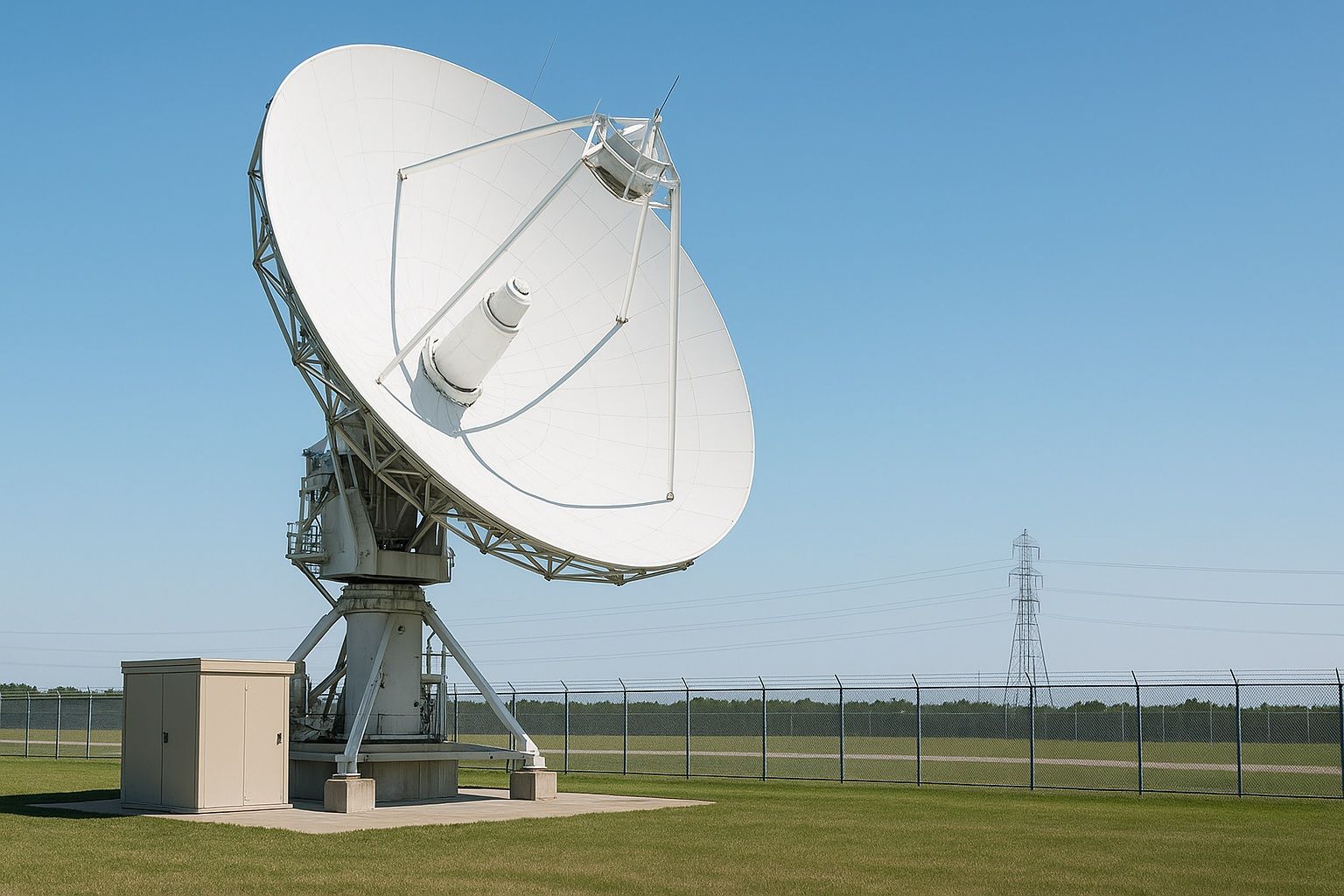
Satellite Earth observation covers remote sensing data from space sensors plus the analytics that turn imagery into actionable insights. The sector is rapidly evolving: by 2023 there were over 6,500 satellites in orbit, enabling unprecedented global coverage mordorintelligence.com. Today’s EO data includes optical images, radar returns, hyperspectral scans, LiDAR, etc., which are processed into maps, change-detection alerts, and predictive models. Key application segments span agriculture, energy, infrastructure monitoring, disaster response, and more mordorintelligence.com. For example, one analysis notes that agriculture, energy, infrastructure, and disaster management are core EO use cases mordorintelligence.com. Governments and enterprises alike use EO data to monitor environmental change, manage assets, and comply with regulations. In sum, the EO data & analytics market comprises satellite‐derived geospatial data and value‐added analytics services that turn raw images into domain‐specific intelligence mordorintelligence.com.
Rocketing into the Future: Smallsat Launch Services Set to Skyrocket (2025–2032)

Rocketing into the Future: Smallsat Launch Services Set to Skyrocket (2025–2032)

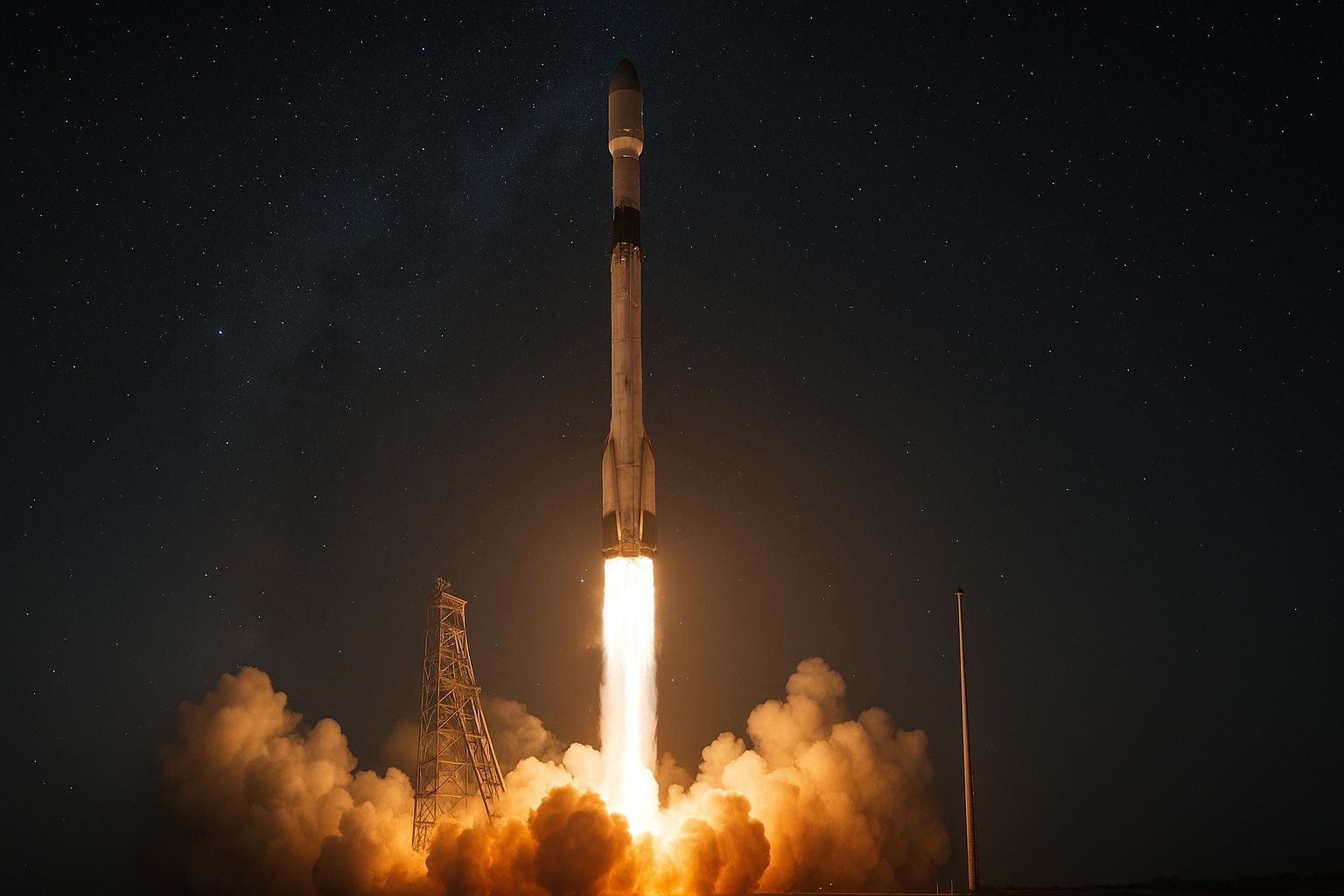
In summary, the 2025–2032 period will likely be remembered as the “gold rush” era for small satellite launch services, marked by fierce competition, rapidly advancing technology, and multiplying launch opportunities worldwide. For stakeholders – whether satellite operators planning constellations, investors evaluating launch companies, or government agencies seeking assured access to space – the key will be to monitor both the economic trends and the technical/regulatory landscape. Smallsat launch services are poised for tremendous growth, but success in this market will require navigating its fast-evolving dynamics. Those launch providers that can deliver reliable, cost-effective, and flexible services are positioned to ride the wave of this expanding market into the 2030s.
LEO Gold Rush: The Billion-Dollar Race to Own Low Earth Orbit (2024–2030)

LEO Gold Rush: The Billion-Dollar Race to Own Low Earth Orbit (2024–2030)

The second space race is here – not for the Moon, but for low Earth orbit. A global “LEO gold rush” is underway as companies and governments deploy megaconstellations of satellites promising broadband internet everywhere, connecting billions of devices, powering next-gen military networks, and imaging the entire planet daily. This comprehensive report examines the players, business models, investments, geopolitical dynamics, tech challenges, and market forecasts shaping the LEO constellation boom from 2024 to 2030.
Starlink and the Satellite Internet Market (2025) – Comprehensive Report

Starlink and the Satellite Internet Market (2025) – Comprehensive Report

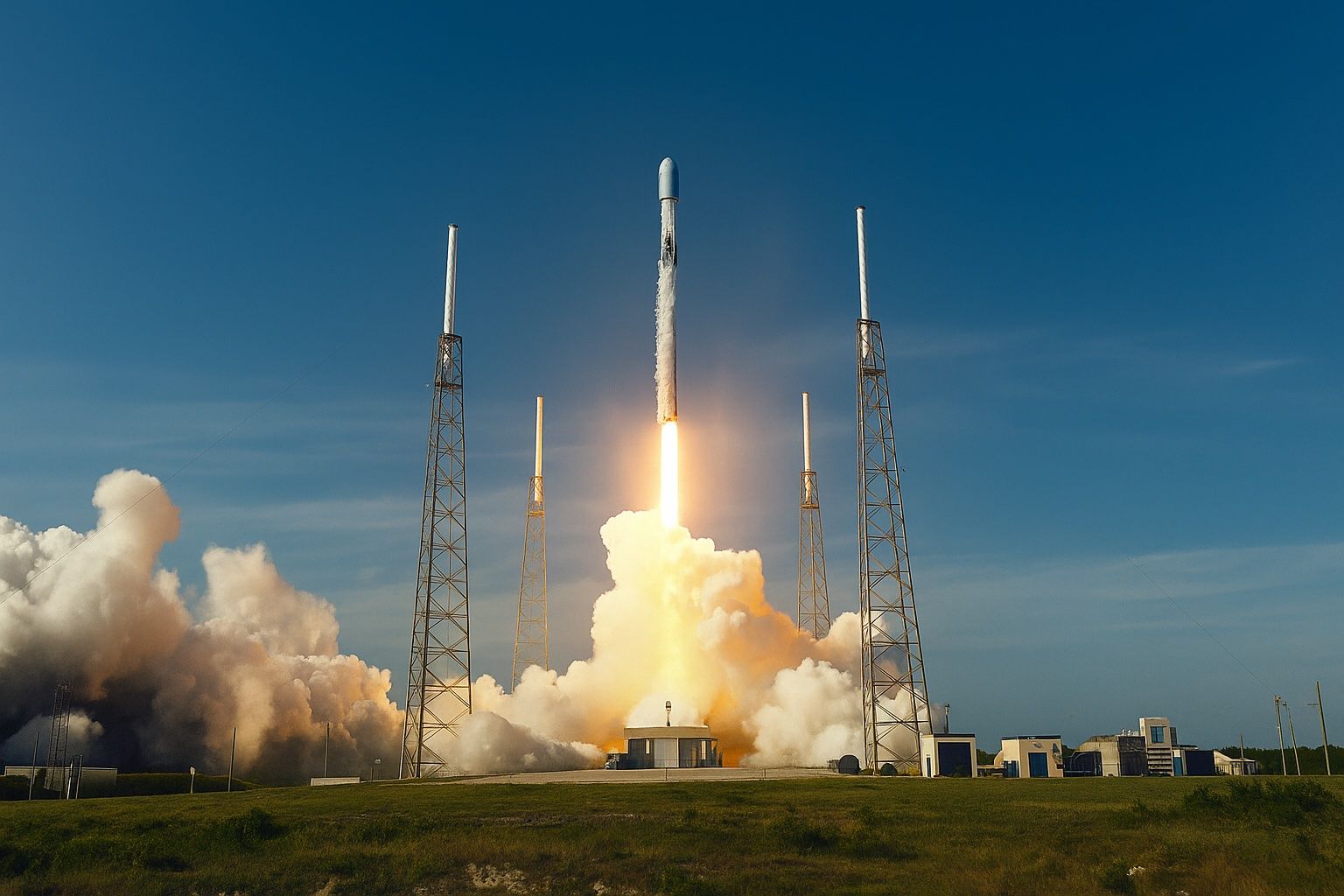
Business Model: Starlink is SpaceX’s satellite internet venture aiming to deliver broadband globally using a low Earth orbit satellite constellation. Unlike traditional satellite ISPs that often partner with local distributors, Starlink primarily operates a direct-to-consumer model – users order a Starlink kit and subscribe to monthly service. By leveraging SpaceX’s reusable rockets to launch its own satellites, Starlink keeps launch costs relatively low and controls the end-to-end service. The business strategy is high-volume, global coverage: targeting underserved rural and remote consumers who lack fiber or cable options, while also pursuing lucrative enterprise and government contracts spacenews.com forbes.com.au. SpaceX views Starlink as a long-term cash generator and has aggressively reinvested in expanding the network forbes.com.au forbes.com.au.
1 18 19 20
Go toTop