Today: 3 July 2026
Browse Category

NASDAQ:GOOGL 24 July 2025 - 28 July 2025

NSFW AI Companions Unfiltered: Janitor AI, Character.AI, and the Chatbot Revolution

NSFW AI Companions Unfiltered: Janitor AI, Character.AI, and the Chatbot Revolution

Janitor AI is a rapidly growing chatbot platform that lets users create and chat with custom AI characters. Founded by Australian developer Jan Zoltkowski and launched in June 2023, Janitor AI filled a gap left by mainstream chatbots’ strict content filters ts2.tech ts2.tech. It exploded in popularity almost overnight – attracting over 1 million users within the first week of launch voiceflow.com hackernoon.com. By September 2023 it had roughly 3 million registered users ts2.tech semafor.com. This surge was fueled by viral TikToks and Reddit posts showcasing Janitor AI’s ability to engage in spicy roleplay chats without the “prudish” filters of other bots ts2.tech ts2.tech. In other words, Janitor AI embraced more open-ended, adult-oriented conversations that other platforms banned. Purpose and Niche: Unlike productivity-focused assistants, Janitor AI’s focus is AI-driven entertainment and roleplay ts2.tech hackernoon.com. Users create fictional personas – from anime heartthrobs to video game heroes – and chat with them for fun, companionship, or creative storytelling. The platform struck a chord especially with young adults seeking romantic or erotic AI companionship that wasn’t available on filtered services ts2.tech ts2.tech. In fact, Janitor AI’s user base skews remarkably female ts2.tech hackernoon.com – an unusual demographic for a tech platform. Many
The AI Revolution Has Only Just Begun – How Artificial Intelligence Is Transforming Everything

The AI Revolution Has Only Just Begun – How Artificial Intelligence Is Transforming Everything

Artificial Intelligence refers to machines or software displaying cognitive abilities typically associated with human minds. IBM defines AI as technology enabling computers “to simulate human learning, comprehension, problem solving, decision making, creativity and autonomy” ibm.com. In simple terms, AI systems can perceive their environment, make decisions, and learn from data to improve at tasks that normally require human intelligence. Examples of AI range from voice assistants on our phones to sophisticated algorithms predicting weather or diagnosing diseases. AI can be broadly categorized into two types: Artificial Narrow Intelligence and Artificial General Intelligence. Nearly all AI today is narrow AI, which is designed to excel at specific tasks but cannot perform outside of its specialized domain ibm.com. Siri or Alexa, for instance, are narrow AI assistants – very useful for answering questions or playing music on command, but they can’t autonomously learn entirely new skills beyond their programming. Even OpenAI’s ChatGPT, for all its versatility in conversation, is considered a form of narrow AI limited to text-based chat ibm.com.
See Your House from Space? Inside the World of Live Satellite Maps and Weather from Orbit

See Your House from Space? Inside the World of Live Satellite Maps and Weather from Orbit

Satellites have quietly become the unsung heroes of modern life. They play an essential role in our everyday lives, contributing to our well-being and helping meet important needs on Earth Gc. From providing the satellite maps we browse on our phones to enabling the GPS navigation in our cars, satellites are deeply integrated into daily activities. In fact, experts note that space-based satellite equipment is critically important for daily life on Earth, powering everything from real-time communications and banking networks to navigation, weather forecasting, and even internet access for remote areas Cigionline. “When we’re talking about space and what we get from it, it’s really all about communication and data… deeply integrated in almost everything that we do, whether we see the connections or not,” says Jessica West, a senior researcher in space security Cigionline. Indeed, there are thousands of satellites in space today, serving a wide range of purposes – and their impact is absolutely everywhere. Despite being hundreds or thousands of kilometers above us, satellites make it possible to zoom into any corner of the Earth. Want to see your neighborhood from above? Or check the live satellite weather over the Caribbean before a trip? Curious about yesterday’s
AI in Overdrive: Weekend of Breakthroughs, Big Tech Moves & Dire Warnings (July 27–28, 2025)

AI in Overdrive: Weekend of Breakthroughs, Big Tech Moves & Dire Warnings (July 27–28, 2025)

Washington’s AI Playbook Unveiled: In the United States, the White House released a sweeping AI Action Plan aimed at cementing American dominance in artificial intelligence Reuters. The plan calls for “open-source and open-weight AI models” to be freely available worldwide and seeks to slash regulatory hurdles to accelerate AI innovation Reuters. President Trump’s administration framed leadership in AI as “non-negotiable” for national security and economic power, pairing deregulation with incentives to expand data centers and chip fabrication Whitehouse ts2.tech. Trump also signed executive orders to expedite AI infrastructure projects and ensure any federally-funded AI “maintains political neutrality”, signaling a crackdown on what the White House calls “woke” AI models Theguardian Theguardian. “Winning this competition will be a test of our capacities unlike anything since the dawn of the space age,” Trump declared at an AI summit, emphasizing that the U.S. “must win the AI race” Theguardian Theguardian. China Proposes Global Cooperation: Half a world away in Shanghai, China struck a contrasting tone at the World Artificial Intelligence Conference. Premier Li Qiang announced plans for a new international AI cooperation organization to jointly develop and govern AI, positioning Beijing as an alternative global leader Reuters Reuters. Li warned that without a
AI in Business: How Artificial Intelligence Is Revolutionizing Every Industry

AI in Business: How Artificial Intelligence Is Revolutionizing Every Industry

Artificial intelligence has exploded from a niche technology into a transformative force across the business world. Google CEO Sundar Pichai recently remarked that the rise of AI will be “far bigger than the shift to mobile or to the web”, calling it the most profound tech change of our lifetimes blog.google. Organizations of all sizes are investing heavily in AI to gain an edge. A McKinsey global survey found 78% of companies now use AI in at least one business function – up from just 55% one year prior mckinsey.com. Nearly 83% of firms say AI is a top strategic priority, and over half plan to further increase AI spending in the next few years explodingtopics.com mckinsey.com. Analysts estimate the global AI market at around $390 billion today, with forecasts of $1.8 trillion by 2030 as adoption accelerates explodingtopics.com explodingtopics.com. This AI wave is touching every corner of business: from automation of routine tasks, to smarter customer service chatbots, targeted marketing campaigns, financial analytics, streamlined operations and supply chains, HR recruiting tools, and even new product development. Software development, marketing, and customer service are among the fields seeing the highest AI adoption rates nu.edu. Yet despite the hype, most companies
AI vs. the Fakes: Inside the 2025 Race to Spot ChatGPT, Deepfakes and More

AI vs. the Fakes: Inside the 2025 Race to Spot ChatGPT, Deepfakes and More

AI-generated content is everywhere in 2025 – from ChatGPT-written essays to eerily realistic deepfake videos. In response, a wave of AI detectors and “AI content checkers” has emerged, all promising to tell human work from machine output. Governments, schools, businesses, and social platforms are investing in these tools to catch AI fakes. But how good are these detectors, really? This report dives into AI detectors across text, image, audio, and video, comparing how they work, their strengths and flaws, and how they’re being used in the real world. Despite bold marketing claims, the reality is more complicated. Even OpenAI – the creator of ChatGPT – quietly shut down its own AI-written text detector in 2023 because of a “low rate of accuracy” businessinsider.com. As generative AI keeps advancing, spotting AI-generated content has become a high-tech arms race – and one with serious stakes. False alarms can ruin reputations, while undetected deepfakes can fuel scams and misinformation. Let’s explore how today’s AI detectors stack up across different media, and what challenges remain.
Ultimate AI Showdown: Best Tools, Apps, and Websites of 2025 Revealed

Ultimate AI Showdown: Best Tools, Apps, and Websites of 2025 Revealed

Artificial intelligence has evolved from a tech novelty into a must-have utility by 2025, permeating every industry and daily workflow. As Shark Tank investor Mark Cuban warned, “if you don’t understand [AI] — learn it. Because otherwise, you’re going to be a dinosaur within three years.” peak.ai In this comprehensive report, we’ll explore the top AI tools, apps, and websites of 2025 across a wide range of categories – from creative content generators to coding copilots – comparing their features, pros/cons, pricing, target audiences, and latest developments. AI’s Impact: Sundar Pichai, Google’s CEO, has called AI “more profound than electricity or fire” weforum.org, underscoring how transformative these tools are for businesses and individuals alike. 2025’s AI landscape delivers on that promise, with breakthroughs in chatbots, image and video generation, coding assistants, productivity aids, audio synthesis, search engines, website builders, and more. Below, we reveal the best AI solutions of 2025, complete with expert insights and source-cited details so you can decide which deserve a spot in your toolkit.
AI Assistant Showdown: ChatGPT vs Siri vs Alexa – Inside the 2025 Personal AI Revolution

AI Assistant Showdown: ChatGPT vs Siri vs Alexa – Inside the 2025 Personal AI Revolution

The concept of a digital assistant has been around for decades in science fiction, but Apple’s Siri brought it into the mainstream in 2011 techradar.com. Debuting on the iPhone 4S, Siri was the first widely used voice assistant, allowing users to speak natural language commands for tasks like setting reminders or answering trivia. Siri sparked a trend – it “changed how we all interact with technology,” paving the way for rivals like Amazon’s Alexa techradar.com. Amazon Alexa, launched in 2014 with the Echo smart speaker, supercharged the acceptance of voice assistants in everyday life reuters.com. Alexa’s ability to play music, give the weather, and control smart home gadgets with simple voice requests made talking to tech feel normal. Google entered the fray by 2016 with Google Assistant, evolving from its earlier Google Now voice search. Integrated first into the Google Home speaker and Pixel phones, Google Assistant offered more conversational responses and tapped into Google’s vast search knowledge theguardian.com theguardian.com. Early on, Google’s advantage was access to “more information and voice data than anyone else” from its search engine, while Amazon’s Alexa posed the biggest competitive challenge with its surprisingly human-like responses theguardian.com. Microsoft had launched Cortana in 2014 for
AI vs Data Science: Shocking Differences, Surprising Overlaps, and the 2025 Showdown

AI vs Data Science: Shocking Differences, Surprising Overlaps, and the 2025 Showdown

Artificial Intelligence and Data Science are two of the hottest fields in tech today, and as of mid-2025 they dominate headlines, boardrooms, and career aspirations. Yet many people wonder: What’s the difference between AI and Data Science? How do they relate, and which one holds more promise? In this comprehensive report, we’ll unravel these questions and more. We’ll define each field, compare their goals and methods, highlight the latest trends, explore real-world applications across industries, and even delve into career paths, skills, tools, and salaries. Along the way, we’ll hear from experts and cite recent reputable sources. By the end, you’ll have a clear understanding of AI vs. Data Science – and actionable insights whether you’re considering a career in one, or simply curious about where these fields are headed. Let’s dive in! AI is the science and engineering of creating machines or software that exhibit human-like intelligence. In practice, AI involves using computers to perform cognitive tasks typically associated with human minds – learning from experience, recognizing patterns, making decisions, understanding language, and more. Modern AI often relies on complex algorithms and models that improve as they process more data aws.amazon.com. A classic definition comes from tech giant AWS:
The 2025 Google Cloud AI Revolution: New Services, Strengths, and Surprising Developments

The 2025 Google Cloud AI Revolution: New Services, Strengths, and Surprising Developments

Google Cloud AI refers to the broad portfolio of artificial intelligence and machine learning services available on Google Cloud Platform. It enables developers and organizations to leverage Google’s cutting-edge AI research and infrastructure without needing to build everything from scratch. At the heart of Google Cloud’s AI offerings is Vertex AI, a unified platform for developing, training, and deploying machine learning models at scale. Vertex AI combines Google’s powerful AI tools into one environment – from data preparation and model training to MLOps, pipelines, and model monitoring – reducing the complexity of building custom models cloud.google.com. It even supports AutoML capabilities, allowing users to train high-quality models with minimal coding or ML expertise cloud.google.com. In addition, Google Cloud AI provides a rich set of pre-trained AI APIs that developers can simply call to add intelligence to applications, without needing to train models themselves. These APIs cover vision, speech, language, translation, and more: Beyond these, Google Cloud offers specialized solutions like Document AI and Contact Center AI. There are also industry-specific AI services such as Recommendations AI for product recommendations in retail, Vision Product Search for retail image search, and more – showcasing how Google Cloud AI can be applied across
AI vs. Robotics Revolution: How Smart Algorithms and Machines Are Reshaping 2025

AI vs. Robotics Revolution: How Smart Algorithms and Machines Are Reshaping 2025

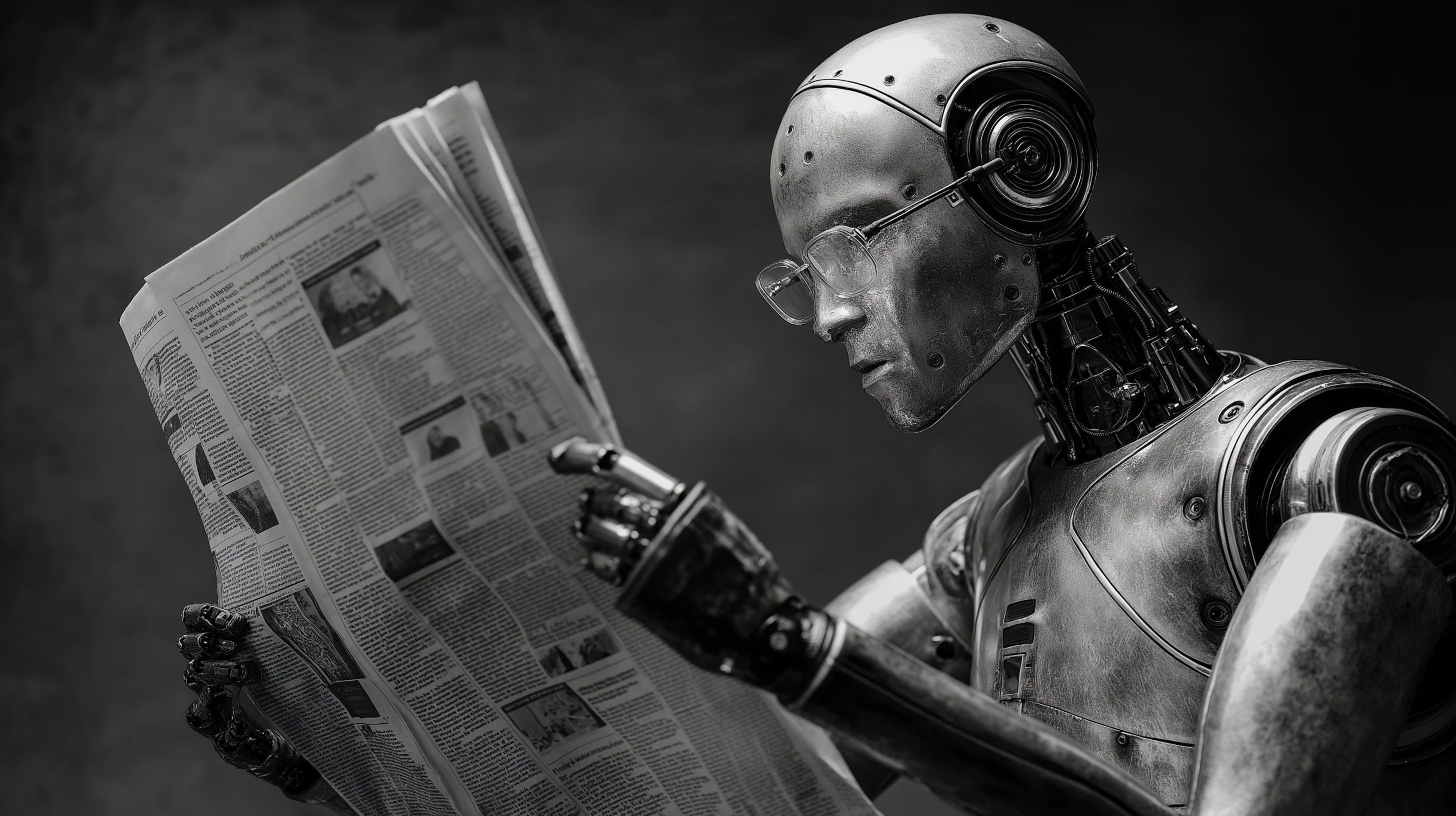
Artificial Intelligence and robotics are closely related but fundamentally different fields. Artificial intelligence refers to software and algorithms designed to perform tasks that typically require human-like intelligence – such as learning, decision making, and problem-solving blog.robotiq.com bernardmarr.com. In contrast, robotics is the branch of technology focused on physical machines that can act on the world – robots sense their environment and execute movements via motors or actuators blog.robotiq.com blog.robotiq.com. An easy way to think of it: AI acts as the “brain,” while robotics provides the “body” bernardmarr.com. In practical terms, an AI system might run entirely on a computer without any physical form. A robot, on the other hand, is a tangible machine like a factory arm or a wheeled rover – it may or may not use AI. Many robots today are “dumb” machines simply following preset instructions blog.robotiq.com blog.robotiq.com. Likewise, many AI programs have no embodiment. Only in the overlapping area – “AI-powered robots” – do the two fields converge blog.robotiq.com blog.robotiq.com.
GPT-5 vs Gemini: Inside 2025’s High-Stakes Frontier AI Showdown

GPT-5 vs Gemini: Inside 2025’s High-Stakes Frontier AI Showdown

The year 2025 finds artificial intelligence at an inflection point. A handful of “frontier AI” models – ultra-advanced AI systems at the cutting edge of capability – are vying for supremacy, led by tech giants and well-funded startups. OpenAI’s GPT-4, Anthropic’s Claude family, Google DeepMind’s new Gemini model, and others like Meta’s LLaMA are pushing the boundaries of what AI can do. These systems are breaking records in benchmarks, powering a wave of new products, and spurring intense debate over their societal impact. “I think if this technology goes wrong, it can go quite wrong,” OpenAI CEO Sam Altman cautioned U.S. lawmakers abcnews.go.com – a stark reminder that even the creators are wary of what they’ve unleashed. This report delves into the state of frontier AI in mid-2025, comparing the leading models and labs, recent developments, technical breakthroughs, alignment and safety efforts, industry applications, and the profound benefits and risks at stake. Frontier AI has evolved at breakneck speed over the past two years, with major releases and milestones from each leading lab:
Weekend in AI: China’s Global Gambit, Tech Giants’ Moves & a “Godfather” Warning (July 26–27, 2025)

Weekend in AI: China’s Global Gambit, Tech Giants’ Moves & a “Godfather” Warning (July 26–27, 2025)

China Champions Global AI Cooperation: At the World Artificial Intelligence Conference in Shanghai, Chinese Premier Li Qiang announced plans to create a new international organization to jointly develop and govern AI reuters.com. Li warned that AI could become an “exclusive game” for a few nations or companies without a “global consensus” on governance reuters.com reuters.com. He urged openness and vowed China would share its AI advances with other countries, especially in the Global South reuters.com. China also released an AI governance action plan inviting governments, firms, and researchers worldwide to collaborate via open-source communities reuters.com. Echoing the call for cooperation, UN Secretary-General Antonio Guterres told the conference that establishing AI rules will be “a defining test of international cooperation” dw.com. U.S. Deregulates to “Win the AI Race”: Just days before WAIC, U.S. President Donald Trump unveiled America’s AI Action Plan, a sweeping strategy to cement U.S. dominance in AI whitehouse.gov. The plan includes slashing regulations on AI development and accelerating the buildout of data centers and chip fabs whitehouse.gov. “Winning the AI race is non-negotiable. America must continue to be the dominant force in artificial intelligence,” declared Trump’s national security advisor, framing AI leadership as vital for economic and military
AI Revolution Roundup: Meta’s Secret Weapon, China’s Global Gambit & Breakthrough Tech (July 25–26, 2025)

AI Revolution Roundup: Meta’s Secret Weapon, China’s Global Gambit & Breakthrough Tech (July 25–26, 2025)

Meta’s High-Profile Hire: In a bold talent grab, Meta Platforms announced it has hired Shengjia Zhao, a co-creator of OpenAI’s ChatGPT and GPT-4, as chief scientist of its new “Superintelligence Lab.” CEO Mark Zuckerberg revealed the move on July 25, calling Zhao a “co-founder” of the lab who will “set the research agenda and scientific direction… working directly with me and Alex [Wang]” reuters.com. Zhao is one of several top researchers lured from OpenAI to Meta in recent weeks amid a fierce talent arms race reuters.com. Meta is reportedly offering lavish pay and equity to close the gap in advanced AI reuters.com. The new Superintelligence Lab will consolidate work on Meta’s LLaMa models and long-term AGI goals, operating separately from FAIR reuters.com. Zuckerberg has openly declared Meta’s aim to build “full general intelligence” as open source – an approach that has drawn both praise and concern in the AI community reuters.com. OpenAI & Google Unveil New Tools: Meanwhile, OpenAI and Google rolled out notable AI product updates. OpenAI fully launched its ChatGPT “Agent” feature to all ChatGPT Plus, Pro, and Team subscribers after a trial period medium.com. This Agent allows ChatGPT to perform web browsing and integrate “Operator” and “Deep
Wall Street Shocked by AI Surge: What Happened on July 24–25?

Wall Street Shocked by AI Surge: What Happened on July 24–25?

Major stock indices powered to fresh record highs on Thursday, July 24, as blockbuster AI-driven earnings ignited a tech rally reuters.com. The S&P 500 edged up 0.07% to notch its fourth consecutive record close, while the Nasdaq Composite gained 0.18% to its own all-time high reuters.com newsandsentinel.com. In contrast, the Dow Jones Industrial Average slumped 0.7%, dragged down by non-tech names less tied to the AI frenzy reuters.com. Investors were buoyed by a perfect storm of upbeat factors – resilient economic data, hopes for trade deal progress, and earnings that far exceeded expectations. “Investors are feeling optimistic about trade negotiations, about the economy, the trend in inflation, as well as the better-than-expected Q2 earnings reports,” noted Sam Stovall, chief investment strategist at CFRA Research reuters.com. With artificial intelligence the standout growth driver, traders poured into tech and AI plays, overshadowing worries about tariffs or recession for now. Google’s parent Alphabet stole the spotlight with robust Q2 results that underscored the payoff from heavy AI investment reuters.com. The company reported a fatter profit than analysts expected and announced a $10 billion boost to its 2025 capital expenditure budget – now $85 billion – largely to expand AI chips and data centers
2025–2026 Smartphone Mega-Preview: Flagships, Foldables, Gaming & Future Phones

2025–2026 Smartphone Mega-Preview: Flagships, Foldables, Gaming & Future Phones

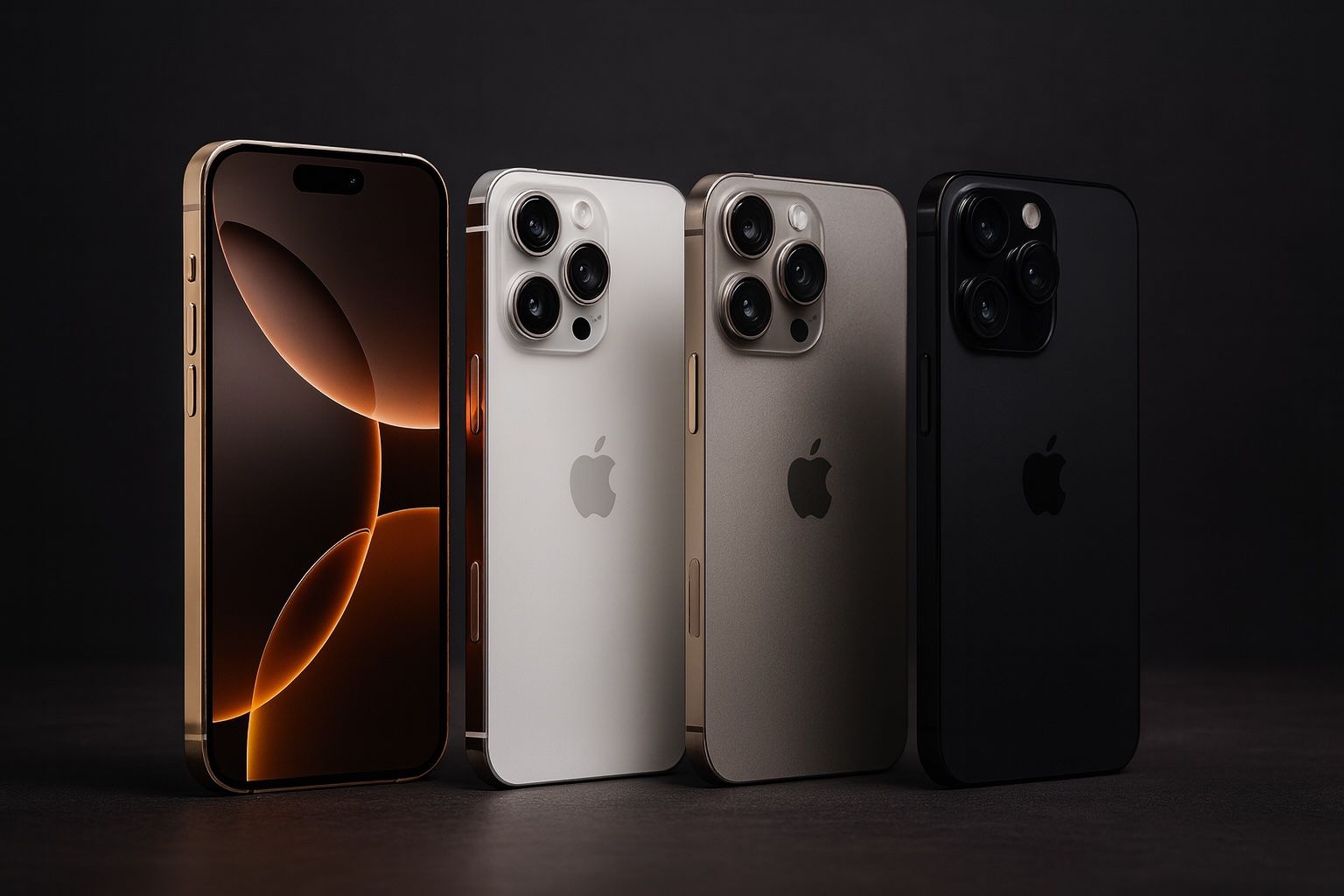
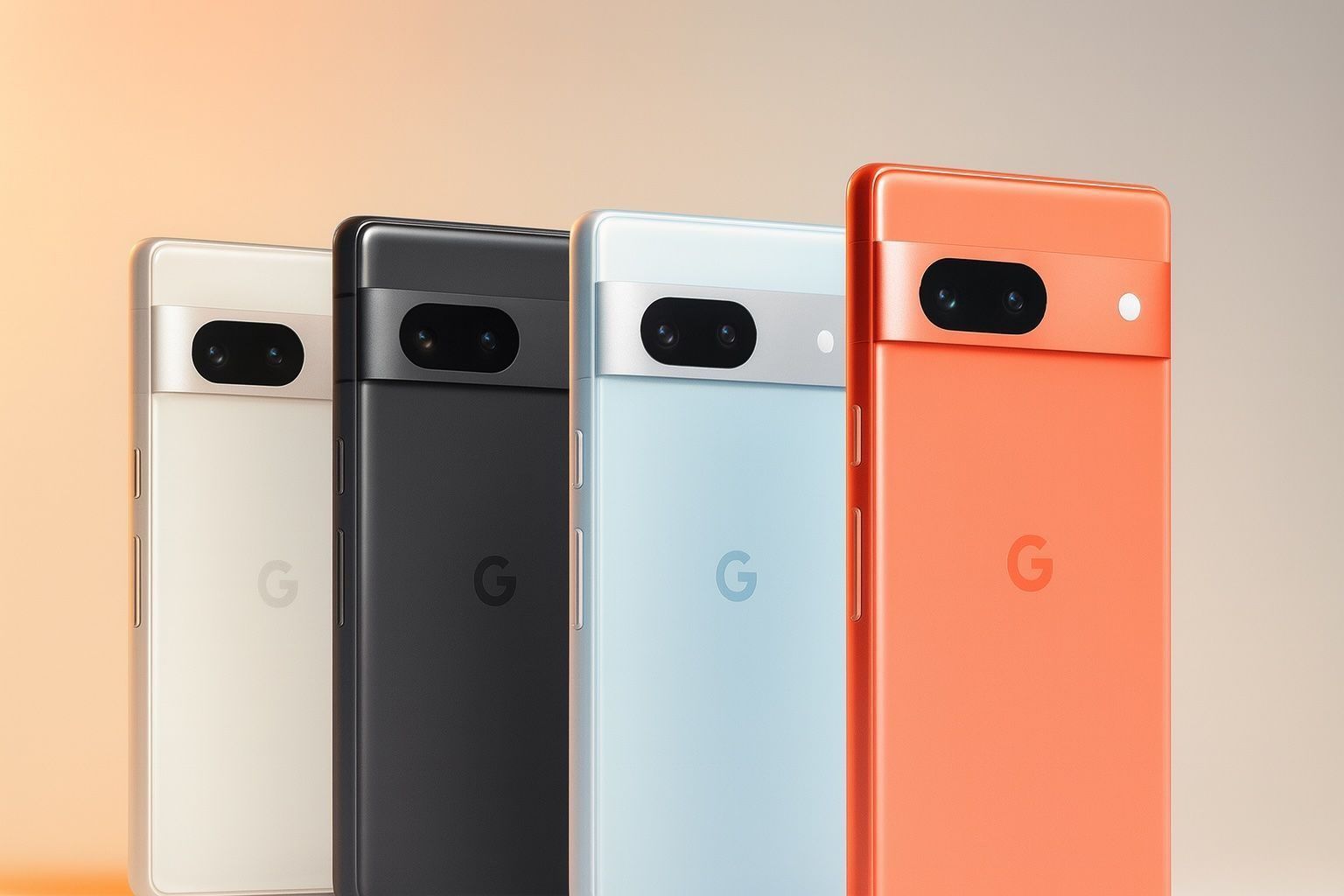
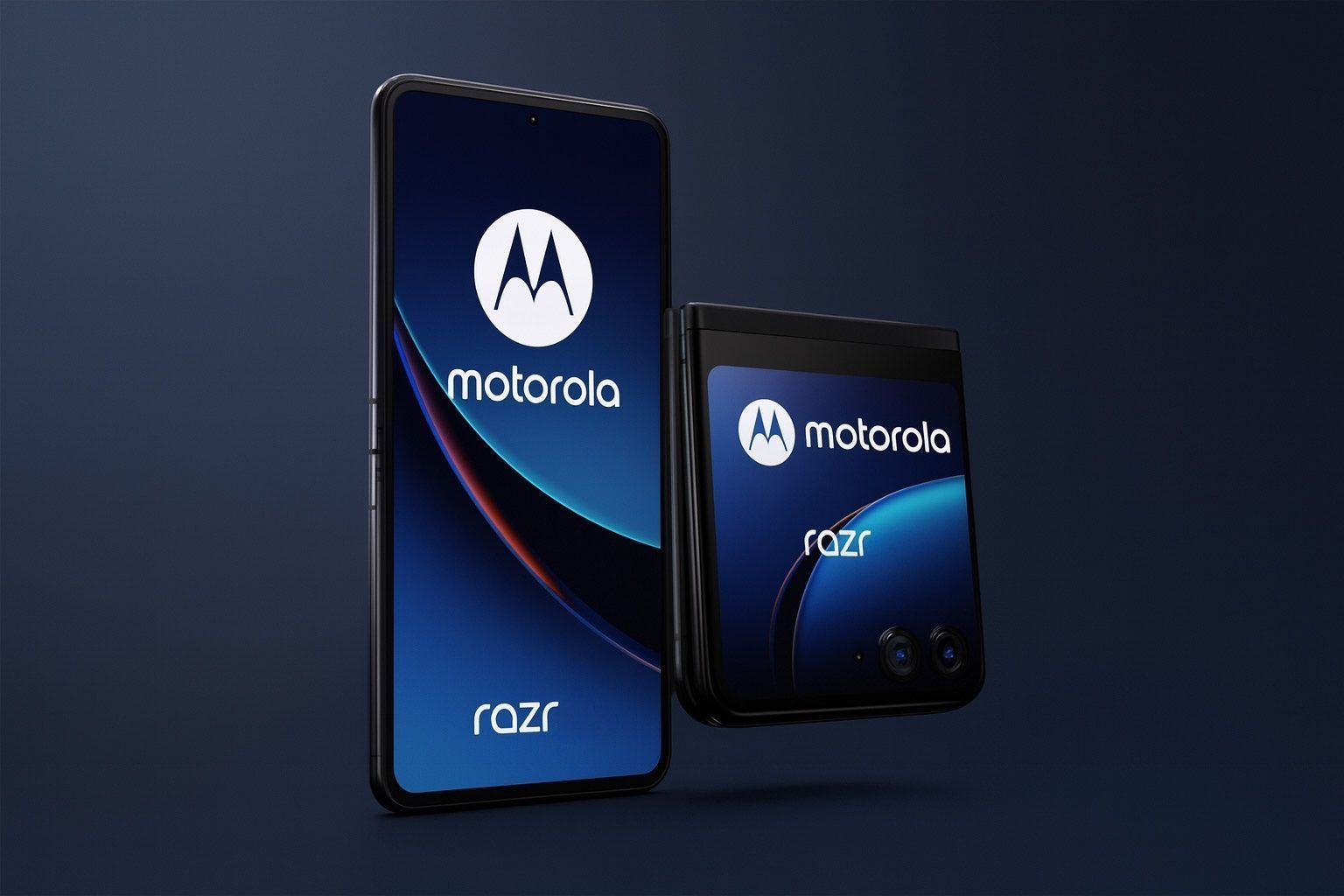
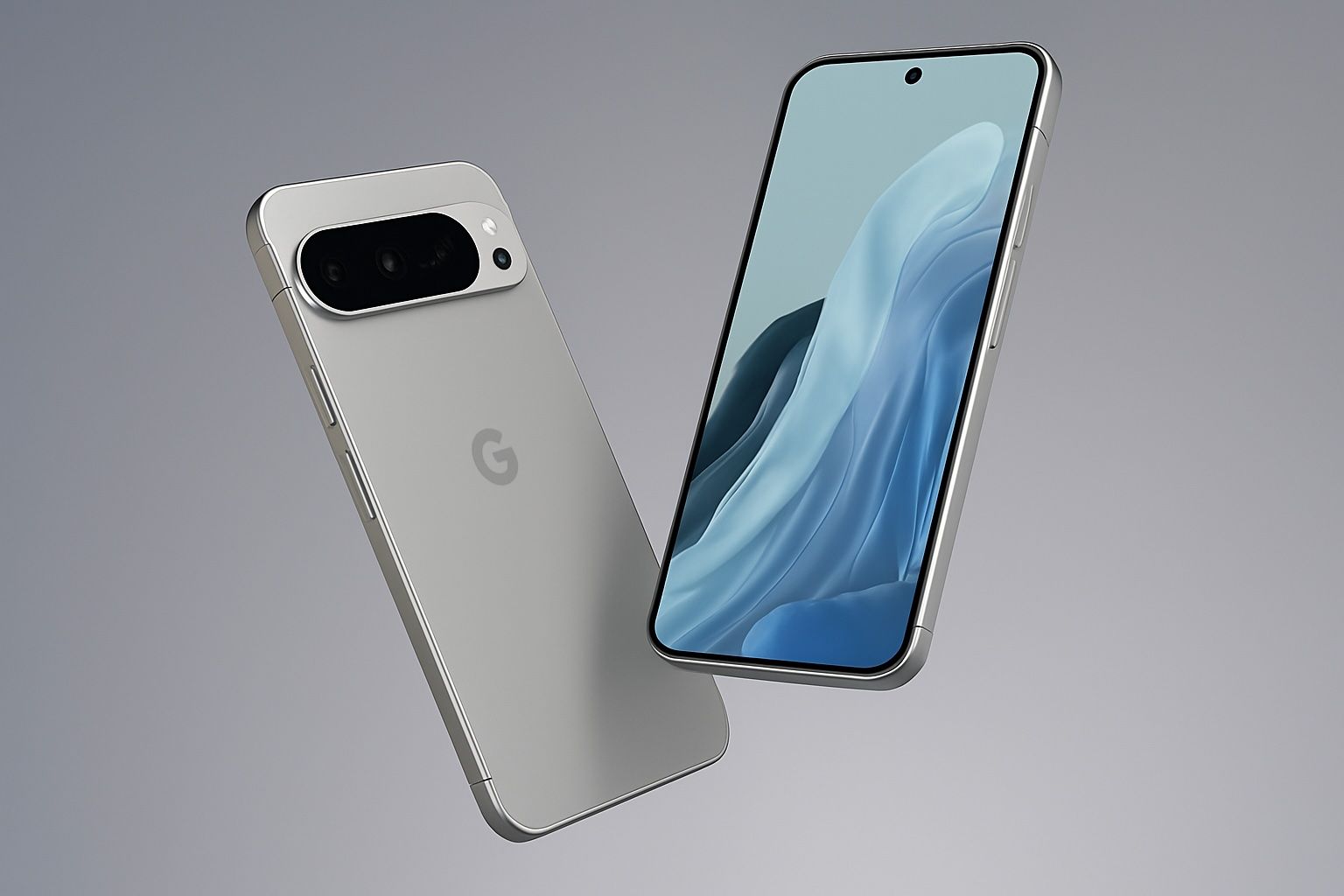
Get ready for a massive wave of new smartphones in 2025 and early 2026. From cutting-edge flagships and affordable mid-rangers to wild foldables, gaming beasts, rugged workhorses, and even outlandish concept phones, the next 18 months will redefine what our phones can do. Major brands like Apple, Samsung, Google, Xiaomi, and OnePlus are gearing up with their most ambitious devices yet, integrating innovations like on-device AI, satellite connectivity, next-gen chipsets, and futuristic designs. Below we break down every notable smartphone coming soon, with a handy comparison table, detailed brand-by-brand sections, and a look at emerging trends set to shape the mobile landscape. Let’s dive in! Table Note: Exact dates and prices are subject to change, especially for unannounced devices. “Snapdragon 8 Elite” refers to Qualcomm’s 2024–25 flagship chip, often with a special Samsung-tuned variant. androidauthority.com
OpenAI’s Meteoric Rise: Breakthroughs, Billions, and Backlash in 2025

OpenAI’s GPT‑5 Could Drop as Soon as August—Here’s What It Means for the Future of AI

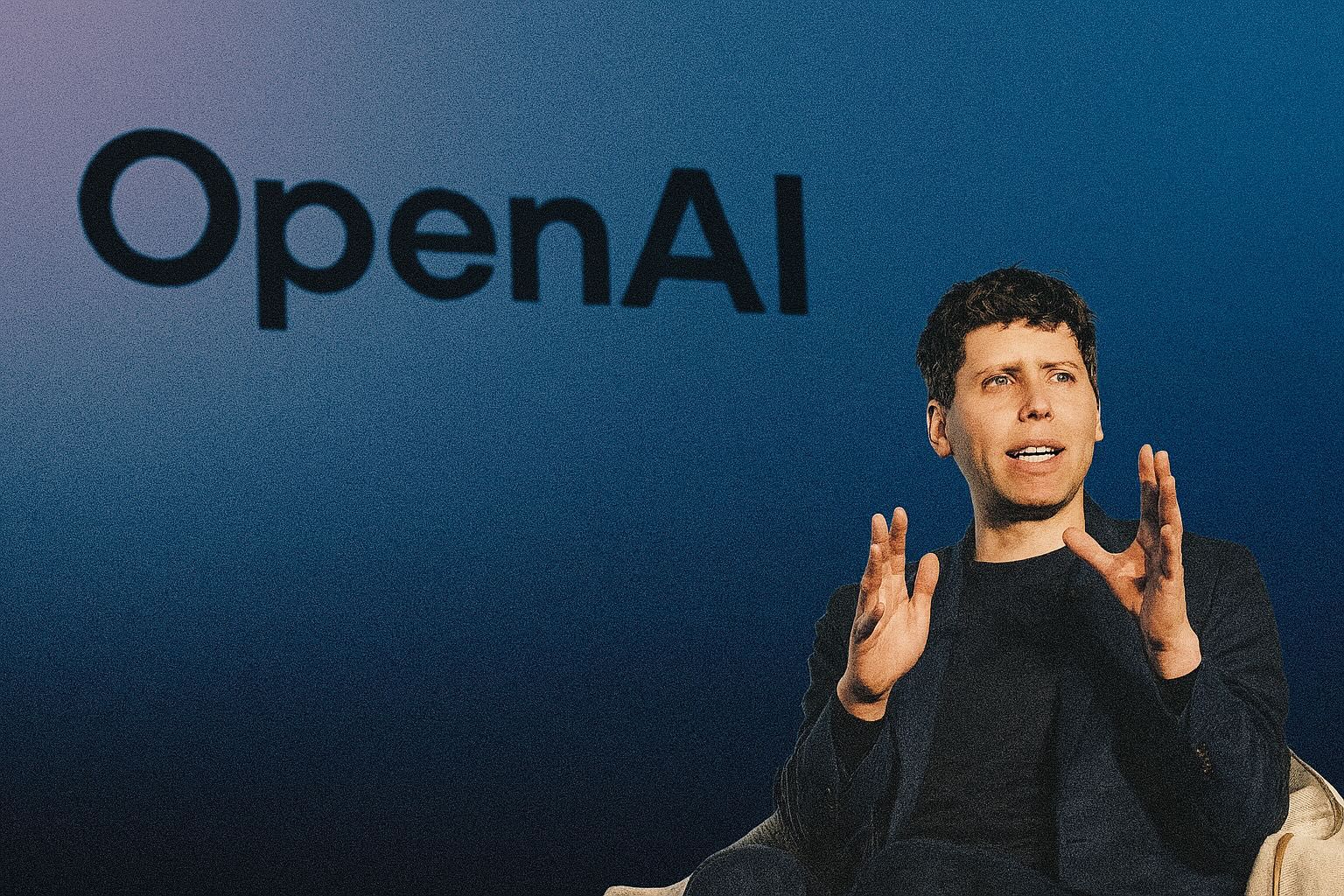
OpenAI is reportedly sprinting toward an early‑August release of GPT‑5, a next‑generation model that fuses the company’s reasoning‑heavy o‑series with its blockbuster GPT line. Multiple publications broke the story within hours of one another today, all citing sources close to the company—and CEO Sam Altman is fanning the hype with fresh public comments. In this article you’ll find a rundown of every credible report published today, expert perspectives on what GPT‑5 may do differently, and some sober context on why the timeline could still slip. OpenAI originally hinted that GPT‑5 might land in late spring, then quietly delayed for additional safety checks and server‑capacity planning. The Verge An August launch would still beat arch‑rivals’ next‑gen roadmaps and arrive weeks before Microsoft’s annual Ignite conference—critical for sustaining momentum in the enterprise AI race. Analysts point out, however, that model rollouts often slip due to red‑team findings or GPU supply bottlenecks. ReutersThe Verge
Inside Vanuatu’s Digital Leap: How Satellite Internet Is Transforming Island Connectivity

Inside Vanuatu’s Digital Leap: How Satellite Internet Is Transforming Island Connectivity

Vanuatu is a Y-shaped archipelago of roughly 80 islands scattered across the South Pacific Ocean. The country’s population is about 330,000, but only one-quarter lives in urban centers; the vast majority reside in rural areas spread over dozens of islands. This geography poses inherent challenges for internet access. Rugged volcanic terrain and wide inter-island distances make laying fiber-optic cables or building terrestrial networks difficult and costly. Many small or remote villages are separated by ocean, mountains, and rainforests, complicating the extension of physical infrastructure. Additionally, Vanuatu is highly prone to natural disasters like cyclones, earthquakes, and volcanic eruptions, which frequently damage communications infrastructure and disrupt connectivity. For example, a severe 7.3 magnitude earthquake in late 2024 cut Vanuatu’s sole international submarine cable, causing a nationwide internet outage. Such events underscore the fragility of traditional infrastructure in an island setting and the need for alternative, resilient connectivity solutions. Another challenge is the country’s low population density and limited economies of scale. Small, isolated communities generate only modest demand, making it less economically attractive for telecom operators to invest in extensive infrastructure. Power supply can be unreliable or absent in some rural areas, complicating the operation of cell towers or internet access
Apple Watch Series 9 vs Galaxy Watch 6 vs Pixel Watch 2 vs Garmin Venu 3 vs Fitbit Sense 2: The Ultimate Smartwatch Showdown 2025

Apple Watch Series 9 vs Galaxy Watch 6 vs Pixel Watch 2 vs Garmin Venu 3 vs Fitbit Sense 2: The Ultimate Smartwatch Showdown 2025

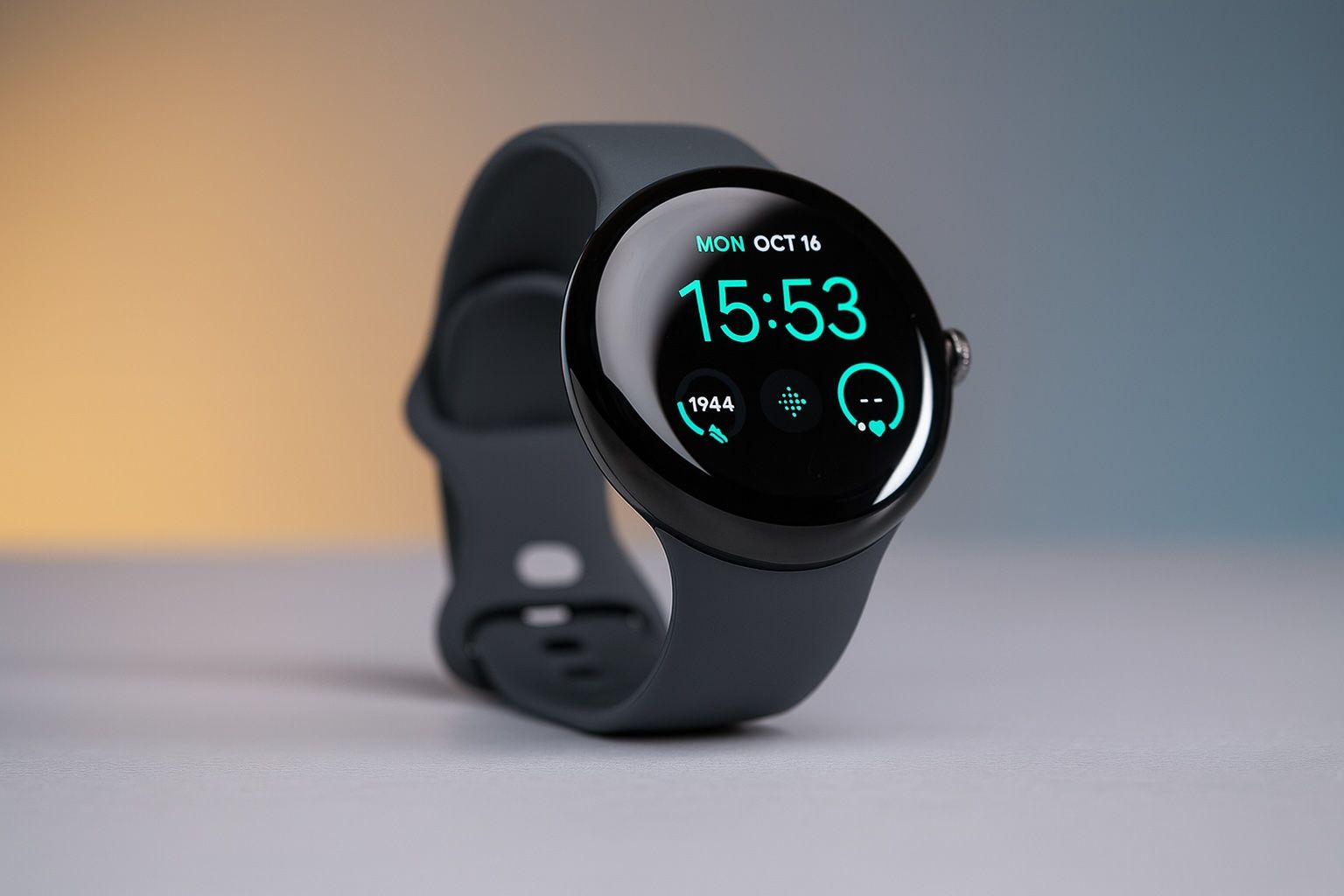
Which smartwatch reigns supreme in 2025? Apple’s latest Watch Series 9 faces stiff competition from Samsung’s Galaxy Watch 6, Google’s Fitbit-powered Pixel Watch 2, Garmin’s fitness-centric Venu 3, and Fitbit’s own Sense 2. These wearables each excel in different areas – from advanced health sensors to marathon battery life – making the choice less than straightforward. In this comprehensive report, we’ll compare all five across key dimensions: health and fitness tracking, smart features and apps, design and display, battery life, ecosystem integration, and pricing. We’ve gathered insights from expert reviews and industry voices to see how the Apple Watch Series 9 stacks up against its Android rivals as well as hybrid platforms like Garmin Venu 3 and Fitbit Sense 2. By the end, you’ll know which smartwatch is the best fit for your lifestyle. Let’s dive into the details of this ultimate smartwatch showdown. When it comes to health monitoring, all five watches are packed with sensors, but they emphasize different strengths:
XR Revolution Unfolds: Major Spatial Computing News (July 23–24, 2025)

XR Revolution Unfolds: Major Spatial Computing News (July 23–24, 2025)

The past 48 hours have delivered a whirlwind of extended reality and spatial computing developments. From tech giants doubling down on AR/VR hardware and AI-powered headsets, to new partnerships bringing immersive experiences to life, the XR industry is buzzing. Below is a comprehensive roundup of the biggest XR news and insights from July 23–24, 2025 – including product launches, platform updates, expert commentary, regulatory moves, and industry shake-ups. Major brands, creators, and even circuses are embracing XR to engage audiences in new ways:
1 43 44 45 46 47 54

Stock Market Today

  • AMD Trades at 54.08 Forward P/E, Well Above Sector and Peers as Growth Picture Stays Mixed
    July 3, 2026, 3:17 PM EDT. Advanced Micro Devices (AMD) is trading at a 12-month forward price-to-earnings ratio of 54.08, much higher than the Zacks Computer & Technology sector's 23.18 average, with rivals NVIDIA at 18.9 and Broadcom at 21.57. Shares have jumped 142.2% so far this year, beating out the sector's 14.6% rise but still trailing Intel's 226.6% rally. Growth gets a lift from strong demand for data center chips, but the company faces weaker gaming sales, supply limits, and tough competition from NVIDIA and Intel. Consensus earnings for 2026 hold steady at $7.18 a share, which would be up 72.2% from 2025. Margins could take a hit as AI accelerators-typically lower margin-make up more of the product mix. With competition rising and mixed signals across business lines, investors may debate whether AMD's valuation premium can last.
Go toTop