Marcin Frąckiewicz

Marcin Frąckiewicz is the founder and CEO of TS2 Space, a satellite communications company serving customers around the world. A graduate of the Warsaw School of Economics (SGH), he has more than two decades of experience in telecommunications, satellite services and technology ventures. He writes about satellite communications, space technology, artificial intelligence and the stock market, with a particular focus on technology companies, semiconductors, emerging industries and the trends shaping global innovation. Follow Marcin Frąckiewicz on Google News, Facebook. or Linkedin.

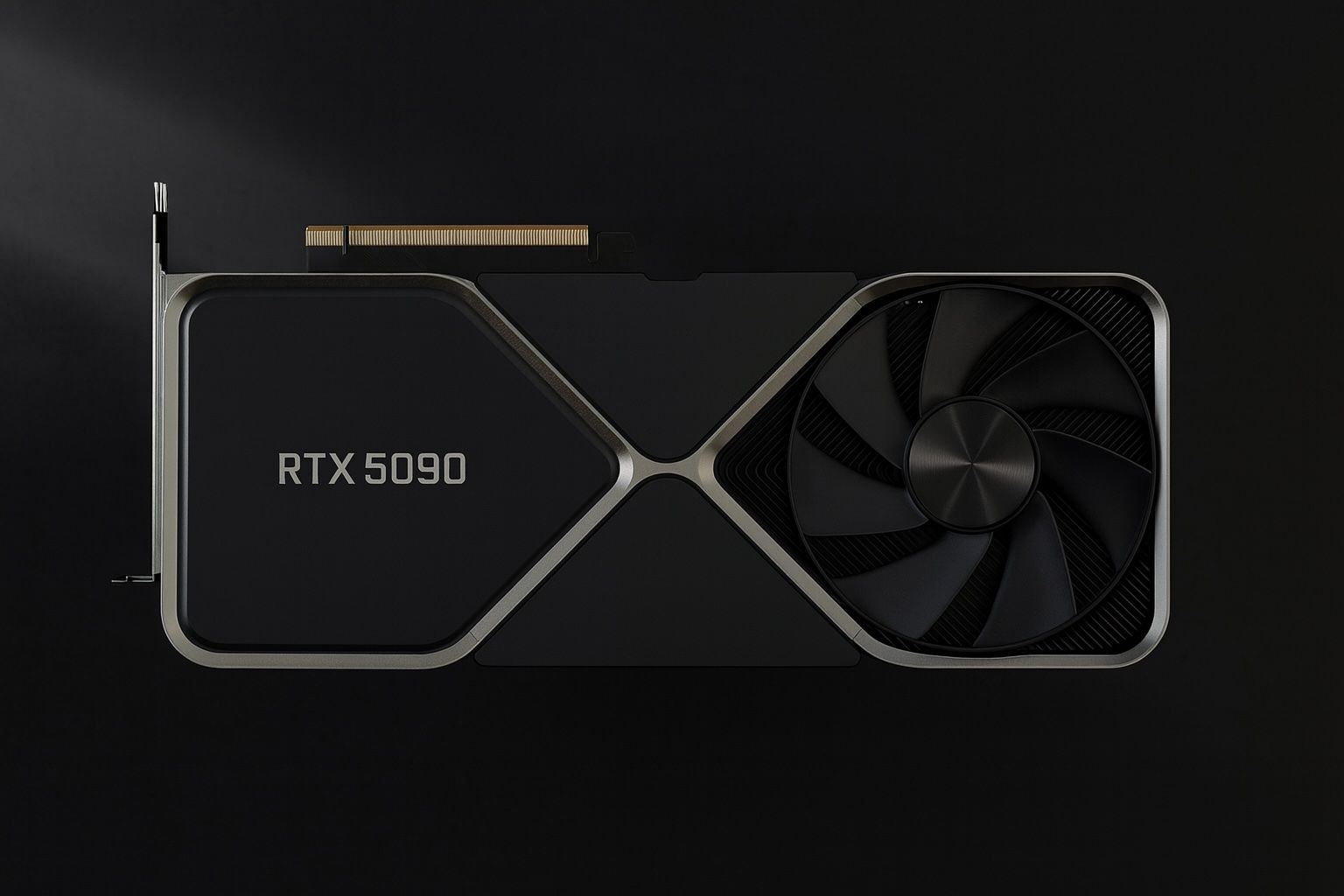
NVIDIA RTX 5090 vs AMD RX 9070 XT vs Intel Arc A980: Ultimate GPU Showdown

NVIDIA RTX 5090 vs AMD RX 9070 XT vs Intel Arc A980: Ultimate GPU Showdown

In the world of high-performance graphics, 2025 has ushered in a three-way battle between NVIDIA’s GeForce RTX 5090, AMD’s Radeon RX 9070 XT, and Intel’s upcoming Arc “Battlemage” A980. These GPUs span the spectrum from ultra-enthusiast to mainstream champion and a hopeful new entrant aiming to disrupt the status quo. This report compares their technical specs, gaming and compute performance, power efficiency, features, pricing, and more – to see how each stacks up and what experts are saying about them.

Flying Taxi Showdown: Joby S4 vs Archer Midnight vs Volocopter VoloCity – Who Will Rule the Skies?

Flying Taxi Showdown: Joby S4 vs Archer Midnight vs Volocopter VoloCity – Who Will Rule the Skies?

Electric air taxis – known as eVTOLs – are no longer science fiction. In 2025, three leading contenders have emerged in the race to transform urban transportation: Joby Aviation’s S4, Archer Aviation’s Midnight, and Volocopter’s VoloCity. Each of these pioneering eVTOL models promises to whisk passengers over gridlocked streets in near-silent, zero-emission flights. Below, we compare their designs, performance, technology, safety features, certification progress, rollout plans, company backgrounds, and the public/investor buzz surrounding this futuristic industry.
AI Coding Assistant Showdown: GitHub Copilot Enterprise vs Google Gemini vs Amazon Q Developer Pro

AI Coding Assistant Showdown: GitHub Copilot Enterprise vs Google Gemini vs Amazon Q Developer Pro

AI coding assistants have become essential tools for enterprise software development teams, promising to boost productivity and code quality. In 2025, three tech giants are vying for dominance with their enterprise-focused AI pair programmers: GitHub Copilot Enterprise, Google Gemini Code Assist, and Amazon Q Developer Pro. Each platform builds on cutting-edge large language models and deep integration with developer workflows. This report provides an up-to-date comparison of their capabilities, integrations, security features, enterprise readiness, collaboration tools, customization options, pricing, and recent developments. By examining strengths, weaknesses, and roadmaps, enterprise teams can determine which AI coding assistant is best positioned to meet their needs.
6G Terahertz Showdown: Samsung’s 140 GHz Testbed vs. Qualcomm’s 6G Foundry in the 0.3 THz Race

6G Terahertz Showdown: Samsung’s 140 GHz Testbed vs. Qualcomm’s 6G Foundry in the 0.3 THz Race

The wireless industry is hurtling toward the 6G era, where data may transmit at terahertz frequencies with fiber-optic-like speeds. In labs across the globe, engineers are already experimenting in bands far above today’s 5G frequencies – from Samsung’s 140 GHz testbed pushing multi-gigabit links news.samsung.com, to Qualcomm’s 6G Foundry initiative rethinking networks from AI to spectrum use fierce-network.com. Even other industry players, like LG and NTT DoCoMo, have demonstrated 0.3 THz-range wireless links that hint at ultra-fast 100 Gbps data rates wca.org. This report dives into each of these efforts – the recent breakthroughs, the frequency bands and use cases they target, and what these early 6G demos mean for consumers and mobile infrastructure as we race toward 2030 for 6G’s debut.
PEM vs Alkaline vs Solid Oxide Electrolyzers: The 2025 Hydrogen Technology Showdown

PEM vs Alkaline vs Solid Oxide Electrolyzers: The 2025 Hydrogen Technology Showdown

Hydrogen electrolyzers are at the heart of the green hydrogen revolution. In this comprehensive comparison, we explore the three leading water electrolysis technologies – Proton Exchange Membrane, Alkaline, and Solid Oxide electrolyzers – highlighting how each works, their efficiency, costs, durability, and latest developments as of 2024–2025. We’ll also look at which technologies suit intermittent renewables, who the market leaders are, new innovations on the horizon, environmental considerations, and what experts are saying about the future of these electrolyzers.
Shoot the Stars in 2025: The Ultimate Beginner’s Guide to Astrophotography

Shoot the Stars in 2025: The Ultimate Beginner’s Guide to Astrophotography

Astrophotography means photographing objects in the night sky – from the Milky Way galaxy to planets, moons, and distant nebulae. In simple terms, it’s capturing the cosmos with a camera. This hobby is incredibly broad: “Astrophotography is a close-up of the surface of Mars, a wide-angle photo of the Milky Way, and everything in between,” as one expert puts it astrobackyard.com. Because it spans nightscape images, deep-sky imaging, lunar/planetary shots, and more, there’s a lot to explore. Don’t be daunted by the amazing photos you see online – even a simple photo of the Moon taken with your smartphone through a telescope counts as astrophotography astrobackyard.com. The key is to start with accessible targets and gradually progress.
14 August 2025
Night Photography Showdown: 2025’s Best and Brightest Smartphone Cameras Revealed

Night Photography Showdown: 2025’s Best and Brightest Smartphone Cameras Revealed

Smartphone cameras have become so good at night photography that you might wonder if they’ve got built-in night vision. In this report, we compare the latest flagship and mid-range smartphones known for excelling in low-light and night shooting as of 2025. From big-sensor Android flagships to Apple’s AI wizardry, we’ll see how each device “owns the night” with unique features – and what trade-offs come with those midnight magic tricks. We’ll also peek at upcoming models rumored to push night photography even further.
Direct-to-Cell Revolution: What It Is and When It Will Work in Your Country

Direct-to-Cell Revolution: What It Is and When It Will Work in Your Country

Direct-to-Cell satellite connectivity is an emerging technology that lets ordinary mobile phones connect directly to satellites – effectively creating “cell towers in space.” Unlike traditional satellite phones, D2C aims to use the phone already in your pocket to get a signal virtually anywhere on Earth. In essence, satellites outfitted with advanced cellular base stations beam signals directly to standard smartphones far outside normal coverage reuters.com starlink.com. The goal is to eliminate mobile dead zones, so that even in remote deserts, mountains, oceans or disaster areas – anywhere you can see the sky – you could still send a text or make a call using your regular phone and phone number t-mobile.com starlink.com.
Work Smarter, Not Longer: 12 Real AI Automations That Free Up Your Week

Work Smarter, Not Longer: 12 Real AI Automations That Free Up Your Week

In the modern workplace, artificial intelligence is becoming a game-changer for productivity. From automating mundane tasks to generating creative content, AI-driven workflows are freeing professionals from busywork and yielding significant time savings. A 2023 McKinsey study found that up to 45% of repetitive tasks could be automated with AI, potentially saving employees many hours of manual effort sparrowconnected.com. Early adopters report tangible gains: for example, Salesforce observed that marketers using generative AI save about 5 hours per week on average cxtoday.com. Similarly, HubSpot found sales teams reclaim over 2 hours per day by offloading tasks like meeting scheduling and note-taking to AI businessinsider.com. These saved hours – adding up to an extra half-day of productivity each week – can be reinvested into high-value work like strategy, creativity, and customer engagement.
AI at Work: 12 Real Automations That Save 5–10 Hours a Week

AI at Work: 12 Real Automations That Save 5–10 Hours a Week

Artificial Intelligence is transforming modern work by automating routine tasks and augmenting knowledge workers’ capabilities. Surveys show that 75% of global knowledge workers now use generative AI on the job, with 90% of users reporting that it helps them save time on work tasks microsoft.com. In fact, nearly 37% of daily AI users save between 5–10 hours per week thanks to these tools mpamag.com. This level of efficiency gain is like adding an extra day to the workweek, allowing professionals to focus on higher-value activities. Business leaders are taking note: 79% of executives say their company must adopt AI to stay competitive microsoft.com. As Thomson Reuters CEO Steve Hasker observed, “AI-empowered professionals and their companies will outpace those who resist this transformative era,” noting that workers predict up to 200 hours saved in the next year by using AI thomsonreuters.com thomsonreuters.com. The message is clear – when used responsibly, AI is a “force for good” that can boost productivity and free us from drudgery.
Is AI in Smartphones Just Hype? We Test Which Features Actually Work

Is AI in Smartphones Just Hype? We Test Which Features Actually Work

Smartphone makers are touting “AI-powered” features as the next big thing, from smarter cameras to on-device assistants. But how much of this is meaningful innovation versus marketing hype? In this report, we examine the AI capabilities in today’s top phones, test real-world performance in key areas, and evaluate what’s done on-device vs. in the cloud. The bottom line: while AI is indeed bringing cool new tricks to phones, many of these features feel incremental – useful in some cases, underwhelming in others – raising the question of whether “AI in smartphones” is a genuine leap or just a buzzword.
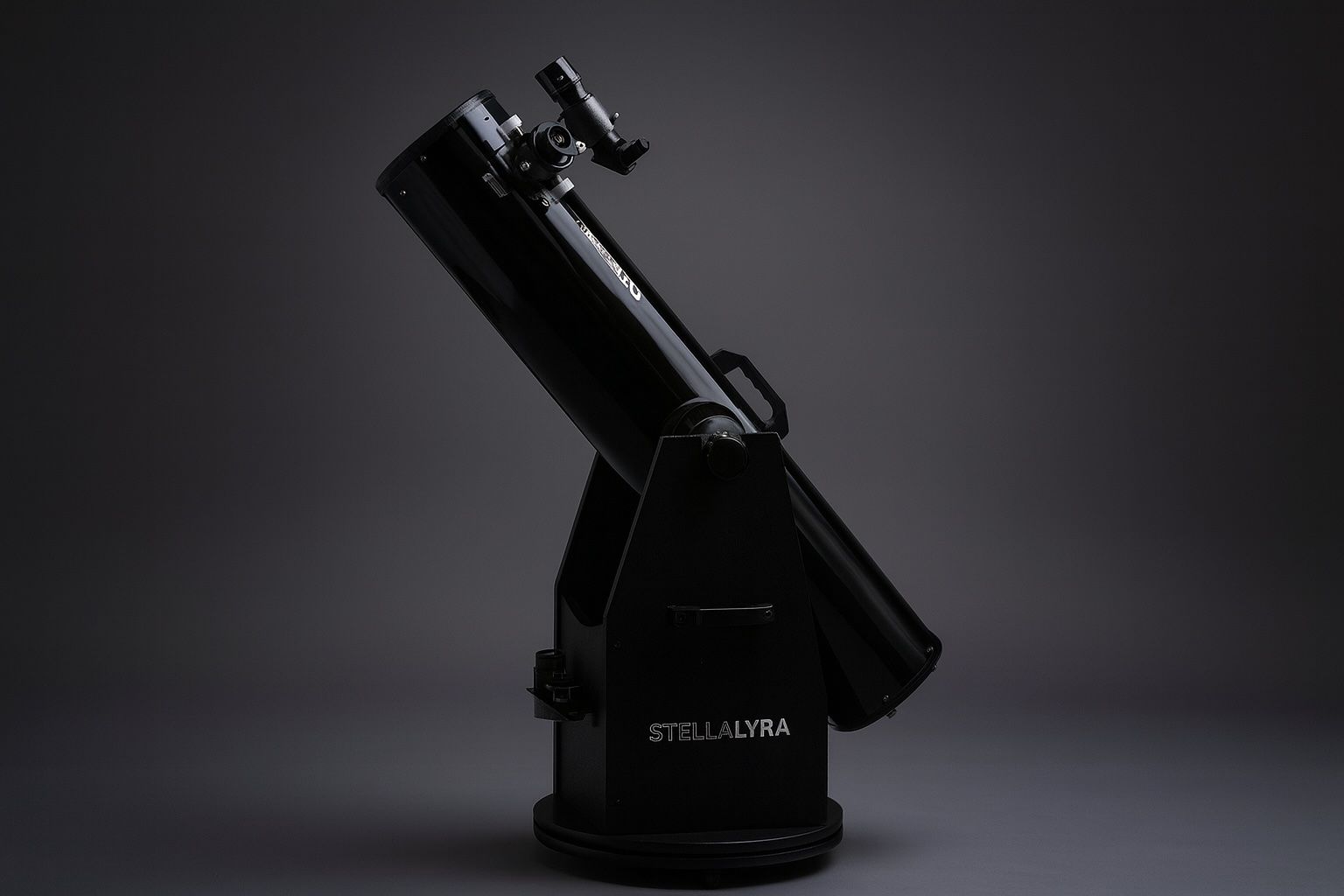
Dobsonian Showdown: StellaLyra 8″ f/6 vs Apertura AD8 vs Orion SkyQuest XT8

Dobsonian Showdown: StellaLyra 8″ f/6 vs Apertura AD8 vs Orion SkyQuest XT8

Which 8-inch Dobsonian reigns supreme? In the world of amateur astronomy, an 8" f/6 Dobsonian reflector is often hailed as the ultimate beginner’s telescope – big enough to wow you with deep-sky views, yet manageable and affordable. Three popular contenders dominate this category: the StellaLyra 8″ f/6, the Apertura AD8, and the Orion SkyQuest XT8. All three share the same optical formula, but each comes with its own set of features, accessories, and brand quirks. In this report, we pit them head-to-head on optical performance, build quality, accessories, user experience, portability, support, reviews, pricing, availability, and even future outlook. By the end, you’ll know which of these “light buckets” hits the sweet spot for your stargazing needs.
13 August 2025
Mirrorless Showdown: Sony A7 IV vs Nikon Z8 vs Canon R6 Mark II – The Ultimate Full-Frame Face-Off

Mirrorless Showdown: Sony A7 IV vs Nikon Z8 vs Canon R6 Mark II – The Ultimate Full-Frame Face-Off

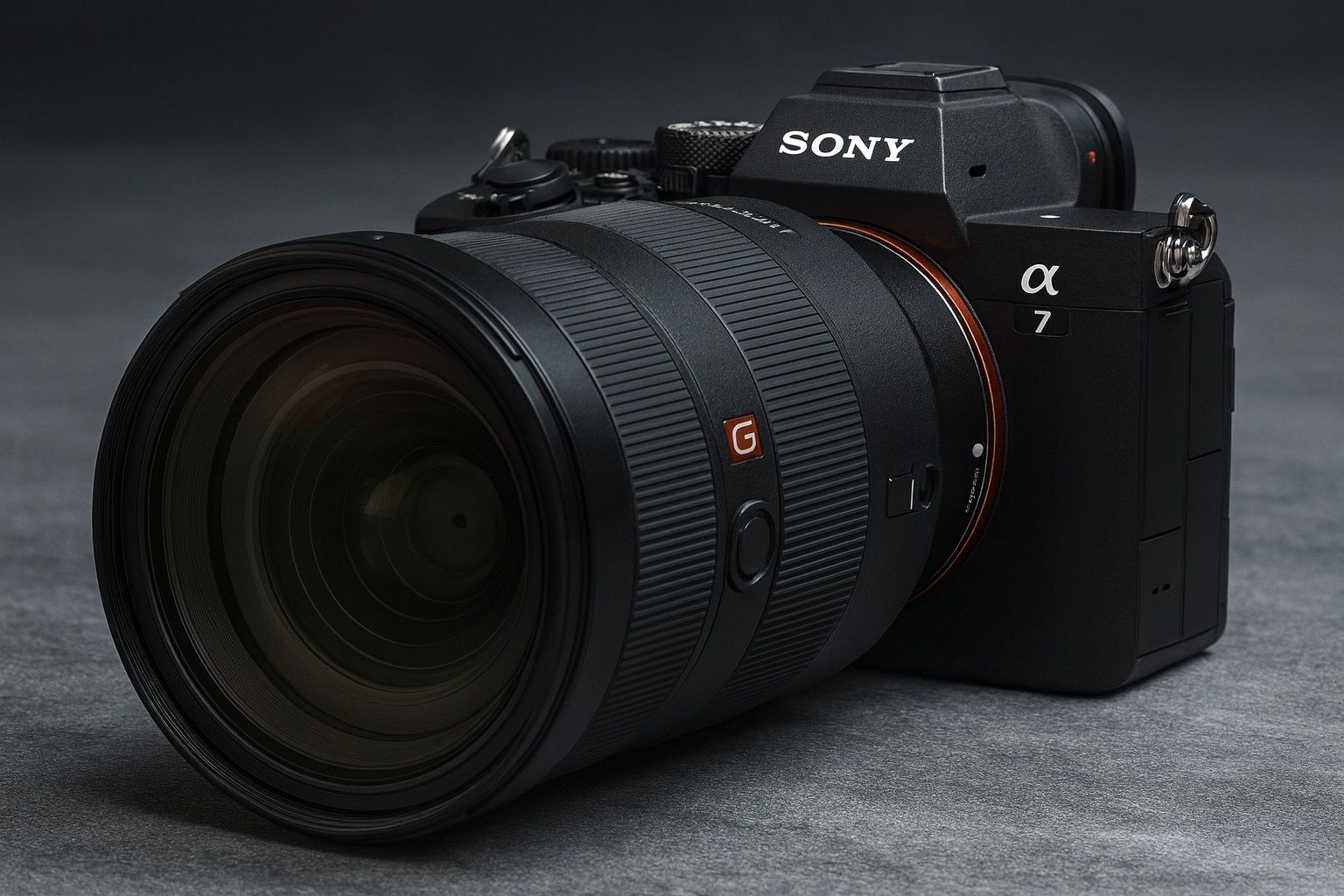
The Sony A7 IV, Nikon Z8, and Canon EOS R6 Mark II are three of the hottest full-frame mirrorless cameras on the market, each representing its brand’s cutting-edge tech for hybrid shooters. In this comprehensive comparison, we’ll pit these mirrorless monsters against each other in sensor specs and image quality, autofocus, video capabilities, build and ergonomics, viewfinders and displays, battery life, lens ecosystems, price/value, and more. We’ll also highlight what the experts have to say, and even peek at rumored successors like the Sony A7 V, Canon R6 Mark III, and Nikon Z7 III. Which camera comes out on top in this full-frame face-off? Read on to find out!
13 August 2025
Celestron 8SE vs Skymax 127 vs Vaonis Vespera II – Which Telescope Outshines the Rest in 2025?

Celestron 8SE vs Skymax 127 vs Vaonis Vespera II – Which Telescope Outshines the Rest in 2025?

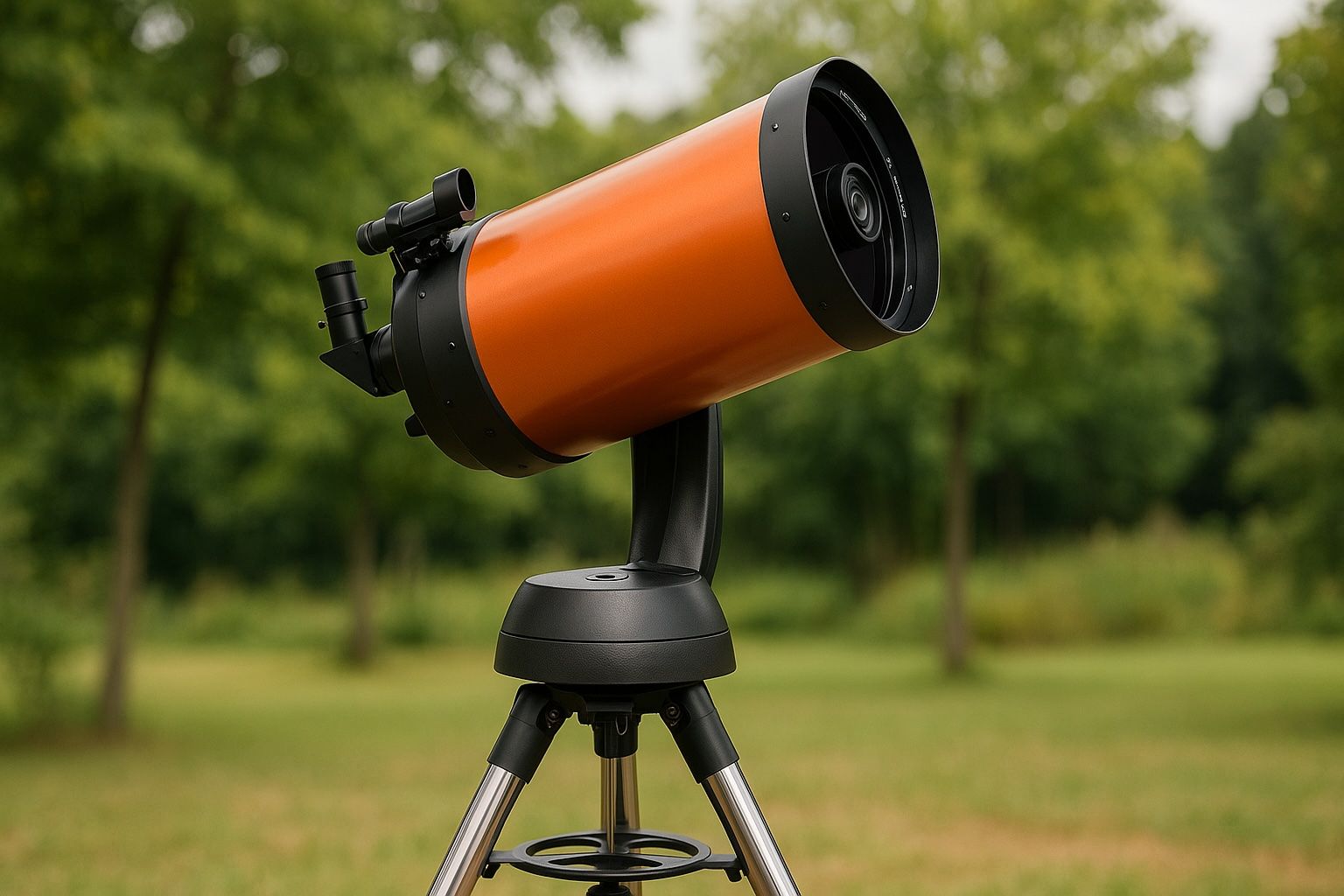
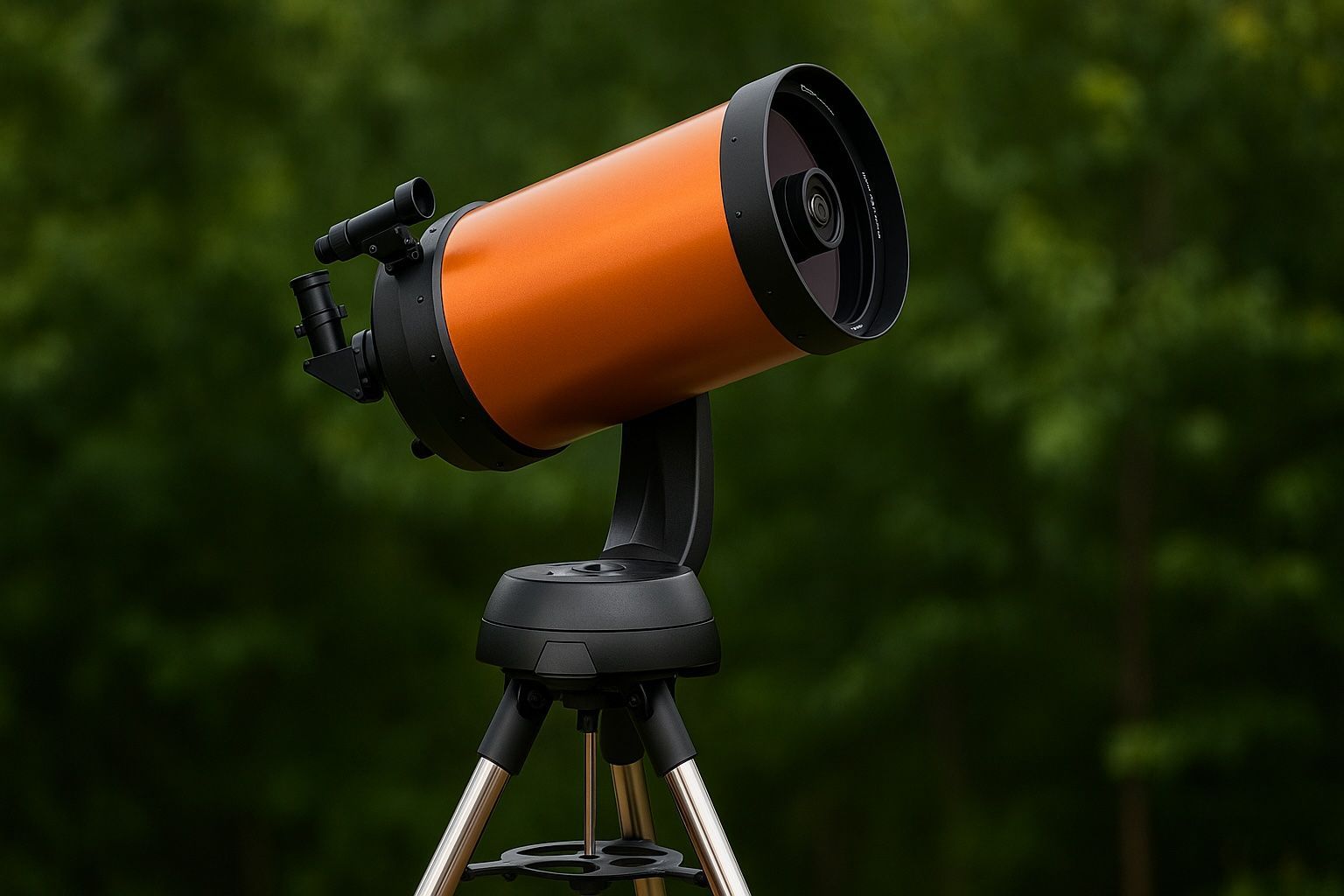
Introduction: Three popular telescopes – the Celestron NexStar 8SE, Sky-Watcher Skymax 127, and Vaonis Vespera II – represent very different ways to explore the night sky. The 8SE is a classic large-aperture Schmidt-Cassegrain on a GoTo mount, the Skymax 127 is a compact Maksutov-Cassegrain known for sharp planetary views, and the Vespera II is a futuristic “smart” telescope that automates everything. In this comparison, we’ll cover their optical specs, mounts, performance for imaging and visual use, user-friendliness, portability, value, expert reviews, and the latest updates as of 2025. By the end, you’ll understand the strengths of each and which type of stargazer they best suit.
13 August 2025
8-Inch Showdown: NexStar 8SE vs Apertura AD8 vs eVscope 2 – Classic Telescopes Battle Smart Tech in 2025

8-Inch Showdown: NexStar 8SE vs Apertura AD8 vs eVscope 2 – Classic Telescopes Battle Smart Tech in 2025

Three popular telescopes – Celestron’s NexStar 8SE, Apertura AD8 Dobsonian, and Unistellar’s eVscope 2 – offer very different paths to the stars. The NexStar 8SE is a computerized 8-inch Schmidt-Cassegrain, the Apertura AD8 is a manual 8-inch Dobsonian reflector, and the eVscope 2 is a 4.5-inch “smart” telescope with built-in imaging. All three can reveal the cosmos, but they differ in optics, technology, and user experience. In this comparison, we’ll explore optical performance, mounts and tracking, smart features, astrophotography, portability, setup, user experience, and maintenance for each scope. We’ll also include expert opinions, the latest updates, and what’s next from Celestron, Apertura, and Unistellar. Let’s see which telescope shines for your stargazing needs!
13 August 2025
Triple Threat Showdown: Vivo X100 Pro+ vs Xiaomi 15 Ultra vs Oppo Find X8 Ultra – 200MP Cameras, Monster Batteries & More

Triple Threat Showdown: Vivo X100 Pro+ vs Xiaomi 15 Ultra vs Oppo Find X8 Ultra – 200MP Cameras, Monster Batteries & More

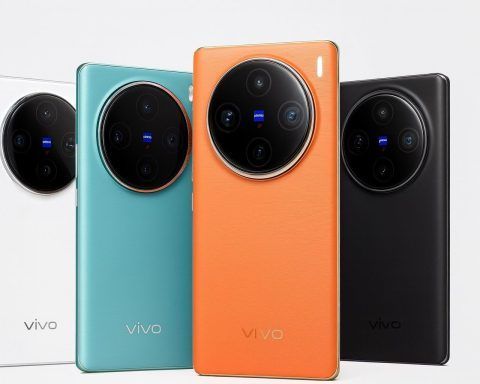
The ultra-flagship smartphone arena is heating up with three titans from China: Vivo’s X100 Pro+, Xiaomi’s 15 Ultra, and Oppo’s Find X8 Ultra. Each of these devices pushes the boundaries in design, performance, and especially camera innovation, packing cutting-edge hardware and features. In this in-depth comparison, we’ll explore how they stack up in design and display, performance, camera systems, battery and charging, software experience, connectivity and extras, as well as pricing and release details. Whether you’re a spec enthusiast or a photography buff, these top-tier phones promise to deliver. Let’s dive into the ultimate flagship showdown.
13 August 2025
Foldable Phone Showdown 2025: Galaxy Z Fold6 vs Honor Magic V3 vs Huawei Mate X6 – Which Foldable Reigns Supreme?

Foldable Phone Showdown 2025: Galaxy Z Fold6 vs Honor Magic V3 vs Huawei Mate X6 – Which Foldable Reigns Supreme?

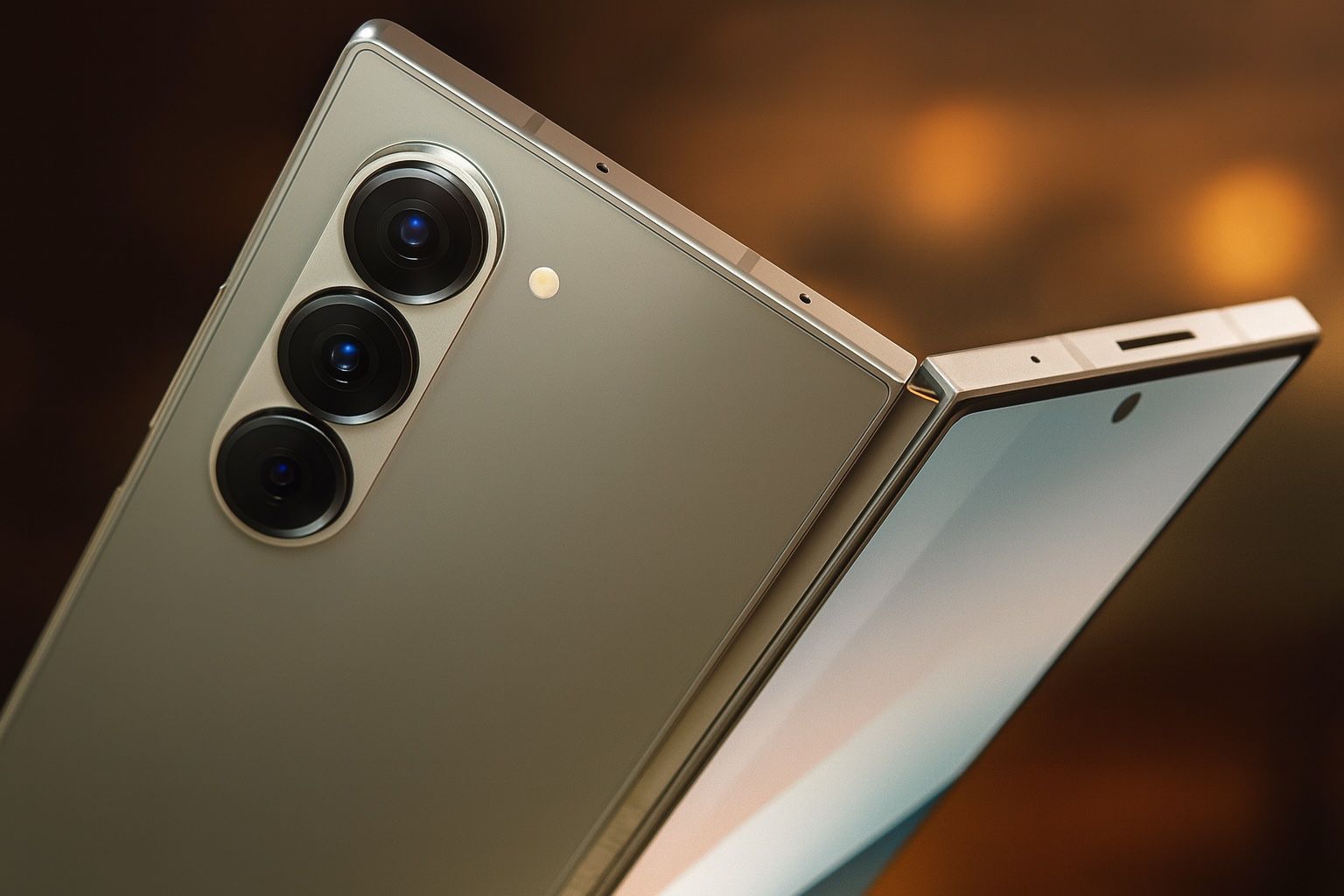
Foldable smartphones have evolved from experimental gadgets into polished flagships, and 2024’s leading foldables – Samsung’s Galaxy Z Fold6, Honor’s Magic V3, and Huawei’s Mate X6 – are prime examples. These book-style foldables aim to replace your phone and tablet, packing cutting-edge specs, big immersive screens, and premium designs. Each brings its own twists: Samsung refines its pioneering Fold series with subtle but meaningful upgrades, Honor pushes the envelope on thinness and weight, and Huawei returns with an elegant foldable powerhouse. In this comprehensive comparison, we’ll dive into specifications, hardware design, software experience, pricing, availability, camera quality, battery performance, display tech, build quality, long-term support, and real-world durability for all three devices. We’ll also highlight expert opinions and peek at what’s next. Let’s unfold the details and see which foldable might reign supreme.
13 August 2025
Battle of the 2025 Flagship Phones: Google Pixel 9 vs. Apple iPhone 16 vs. Samsung Galaxy S25 – Specs, Leaks & Surprises Compared

Battle of the 2025 Flagship Phones: Google Pixel 9 vs. Apple iPhone 16 vs. Samsung Galaxy S25 – Specs, Leaks & Surprises Compared

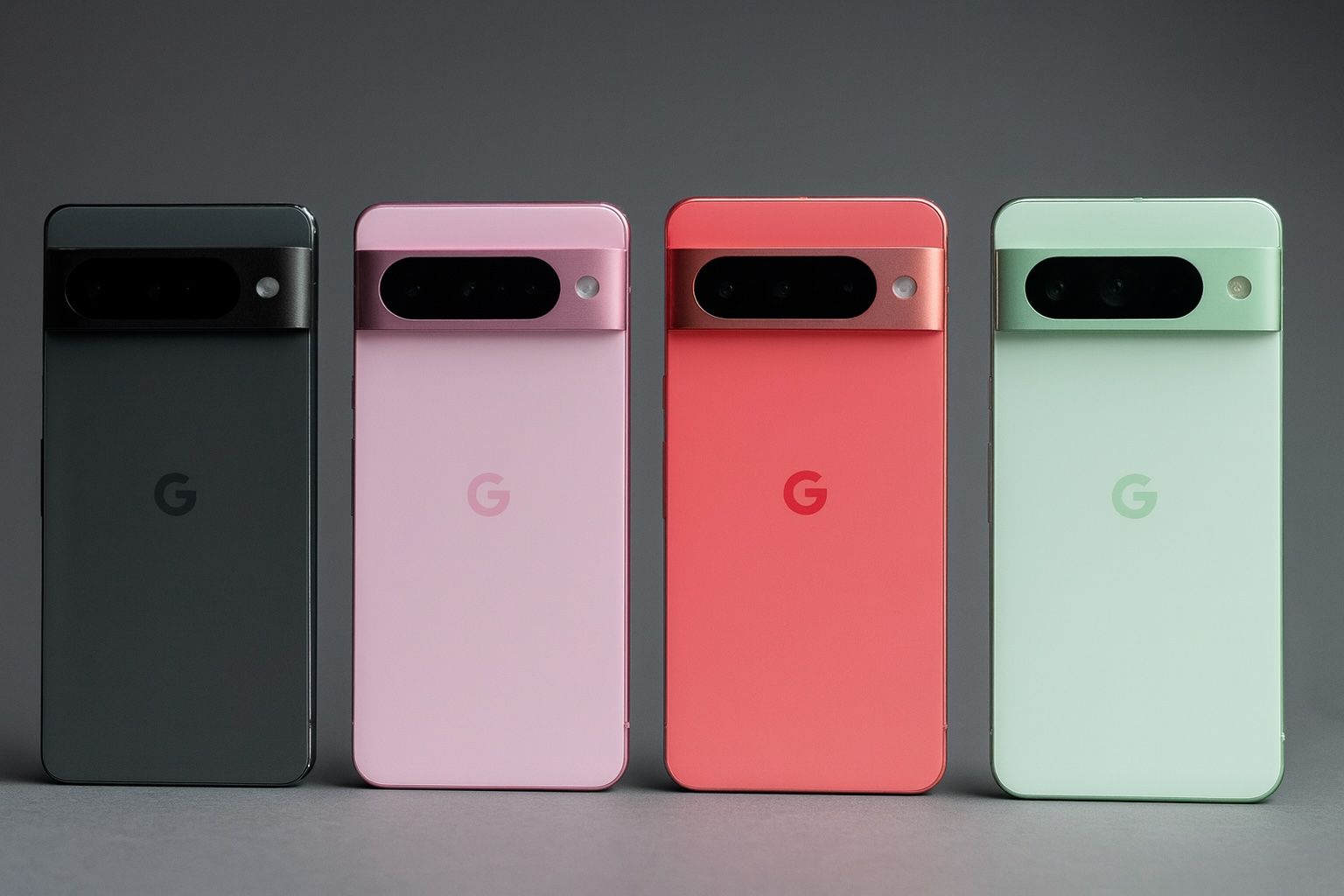
Google Pixel 9: The Pixel 9 continues Google’s design language with its signature horizontal camera bar and a polished aluminum frame. It closely resembles the Pixel 8’s look – Google didn’t radically overhaul the exterior tomsguide.com tomsguide.com. The phone is fairly compact with a 6.3‑inch OLED display featuring slim, uniform bezels theverge.com. Google uses what it calls an Actua panel capable of tremendous brightness – ensuring good sunlight visibility – and a smooth 120Hz refresh rate pocketnow.com. The Pixel 9’s screen is flat and always-on capable, protected by Gorilla Glass Victus. Available colors like Porcelain, Obsidian, Peony, and Winter Green give it a fresh identity tomsguide.com tomsguide.com. Overall, the Pixel’s design is functional and understated, with reviewers noting that Google is “really leaning into the weird camera bar” but it “feels polished in a way that previous Pixels didn’t” theverge.com theverge.com.
Flip Phone Face-Off: Samsung Galaxy Z Flip6 vs Motorola Razr 50 Ultra vs Oppo Find N3 Flip – Specs, Cameras & Foldable Futures

Flip Phone Face-Off: Samsung Galaxy Z Flip6 vs Motorola Razr 50 Ultra vs Oppo Find N3 Flip – Specs, Cameras & Foldable Futures

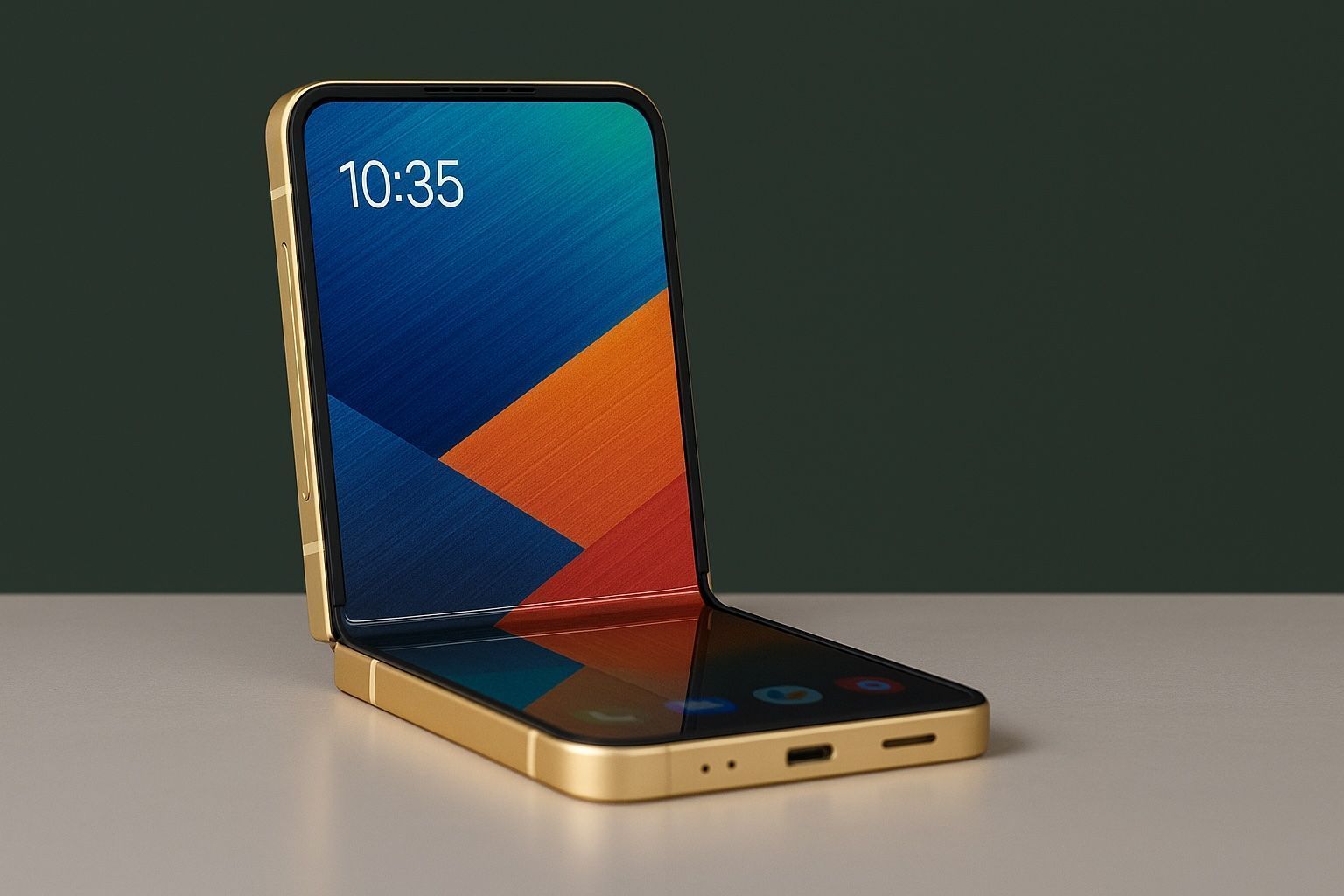
Foldable flip phones have made a roaring comeback, evolving from nostalgic throwbacks to cutting-edge flagships. Samsung’s Galaxy Z Flip6, Motorola’s Razr 50 Ultra, and Oppo’s Find N3 Flip represent the pinnacle of this trend as of mid-2025. All three pack high-end specs into pocketable clamshell designs, but each takes a different approach to design, cameras, displays, and durability. In this in-depth comparison, we’ll dissect their specifications, design & build quality, display technology, camera performance, battery life, software features, and durability. We’ll also highlight expert commentary and recent developments – from Samsung’s incremental refinements and Motorola’s big leap forward, to Oppo’s innovative triple-camera twist – with reputable sources cited throughout. Finally, we’ll peek at upcoming foldable models and rumors from Samsung, Motorola, and Oppo to see how the next generation might outshine the current one.
Budget Phone Battle: Samsung Galaxy A05 vs Xiaomi Redmi 13C vs Realme Narzo 70x – Which Affordable Smartphone Reigns Supreme?

Budget Phone Battle: Samsung Galaxy A05 vs Xiaomi Redmi 13C vs Realme Narzo 70x – Which Affordable Smartphone Reigns Supreme?

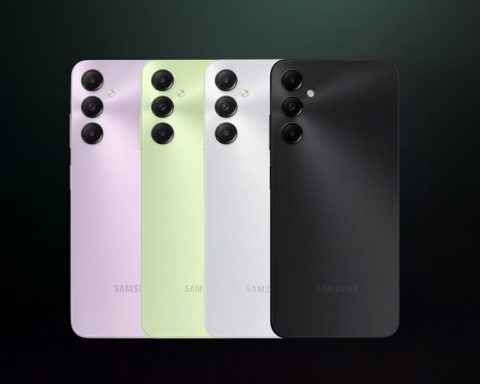
The budget smartphone arena is more competitive than ever. Samsung’s Galaxy A05, Xiaomi’s Redmi 13C, and Realme’s Narzo 70x are three entry-level contenders launched in late 2023 to 2024, each aiming to offer maximum value for minimal cost. In this in-depth comparison, we’ll break down their performance, displays, cameras, battery life, software, design, connectivity, pricing, and even peek at upcoming models in these series. Which of these affordable phones offers the best bang for your buck in 2025? Let’s find out.
12 August 2025
1 367 368 369 370 371 410
AI PORTFOLIO

Top Stock Picks

Today’s highest-ranked model selections.

#1 BUY IN STAGES

AerCap

NYSE: AER 95 / 100
#2 BUY ON WEAKNESS

Xylem

NYSE: XYL 93 / 100
#3 ACCUMULATE

General Dynamics

NYSE: GD 91 / 100
#4 BUY WITH LIMITS

Visa

NYSE: V 88 / 100
#5 TACTICAL BUY

IDEX

NYSE: IEX 85 / 100
View full portfolio
Editorial model selection. Not personalised advice.