
Browse Category

Innovation 4 August 2025 - 14 August 2025

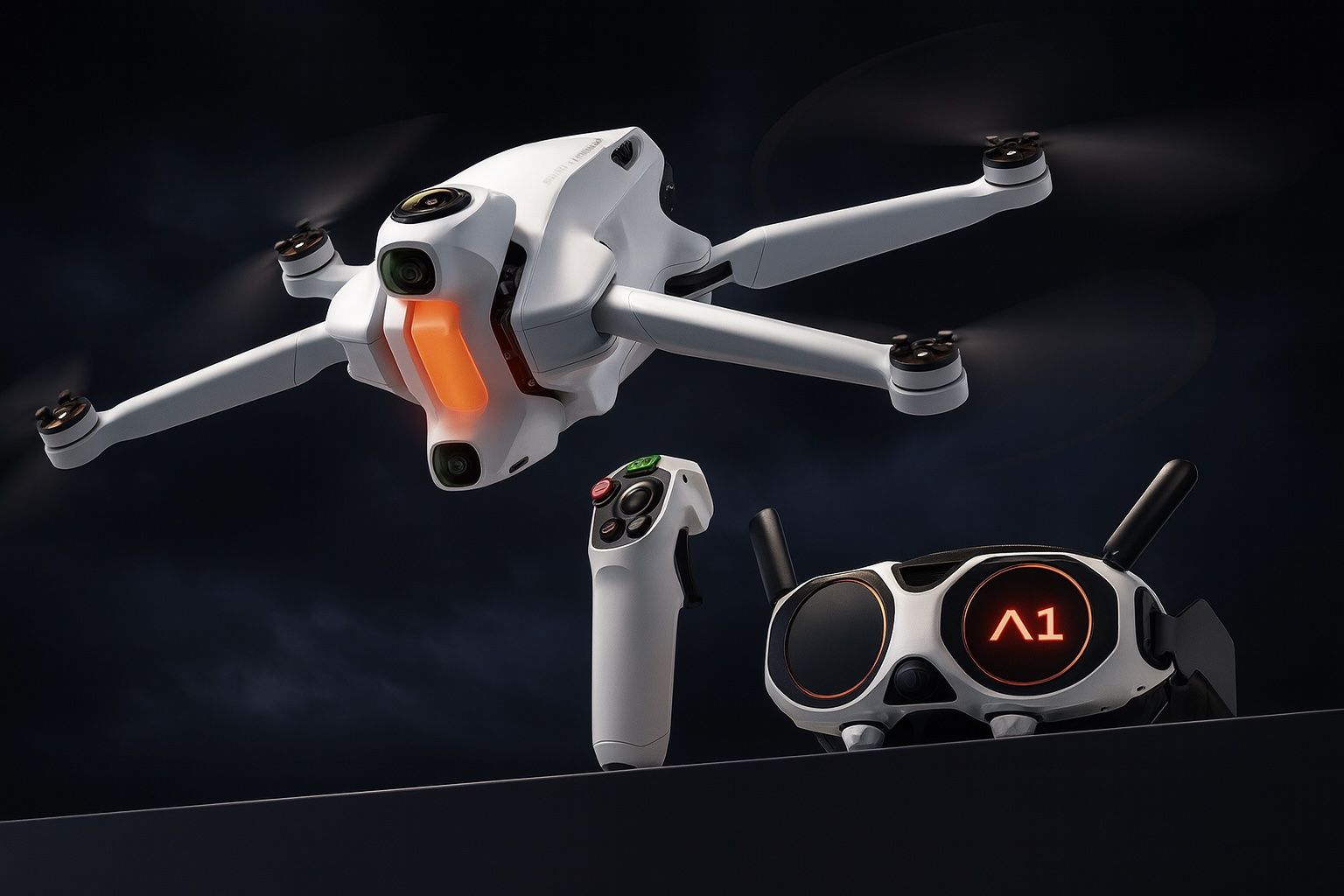
Drone Delivery Showdown: Wing vs. Zipline P2 vs. Amazon Prime Air MK30

Drone Delivery Showdown: Wing vs. Zipline P2 vs. Amazon Prime Air MK30

Introduction: Drone delivery is rapidly evolving from futuristic concept to real-world service, with major players racing to dominate the skies. Alphabet’s Wing, Zipline’s new P2 platform, and Amazon Prime Air’s MK30 drone are at the forefront of this aerial delivery revolution. Each program brings a unique approach to flying packages to customers in minutes. This report compares their technology, operations, partnerships, regulatory progress, cost challenges, and early feedback to see how they stack up in the battle for faster, smarter delivery.
Flying Taxi Showdown: Joby S4 vs Archer Midnight vs Volocopter VoloCity – Who Will Rule the Skies?

Flying Taxi Showdown: Joby S4 vs Archer Midnight vs Volocopter VoloCity – Who Will Rule the Skies?

Electric air taxis – known as eVTOLs – are no longer science fiction. In 2025, three leading contenders have emerged in the race to transform urban transportation: Joby Aviation’s S4, Archer Aviation’s Midnight, and Volocopter’s VoloCity. Each of these pioneering eVTOL models promises to whisk passengers over gridlocked streets in near-silent, zero-emission flights. Below, we compare their designs, performance, technology, safety features, certification progress, rollout plans, company backgrounds, and the public/investor buzz surrounding this futuristic industry.
6G Terahertz Showdown: Samsung’s 140 GHz Testbed vs. Qualcomm’s 6G Foundry in the 0.3 THz Race

6G Terahertz Showdown: Samsung’s 140 GHz Testbed vs. Qualcomm’s 6G Foundry in the 0.3 THz Race

The wireless industry is hurtling toward the 6G era, where data may transmit at terahertz frequencies with fiber-optic-like speeds. In labs across the globe, engineers are already experimenting in bands far above today’s 5G frequencies – from Samsung’s 140 GHz testbed pushing multi-gigabit links news.samsung.com, to Qualcomm’s 6G Foundry initiative rethinking networks from AI to spectrum use fierce-network.com. Even other industry players, like LG and NTT DoCoMo, have demonstrated 0.3 THz-range wireless links that hint at ultra-fast 100 Gbps data rates wca.org. This report dives into each of these efforts – the recent breakthroughs, the frequency bands and use cases they target, and what these early 6G demos mean for consumers and mobile infrastructure as we race toward 2030 for 6G’s debut.
Tech World Rocked by 8 Non‑AI Surprises This Week

Tech World Rocked by 8 Non‑AI Surprises This Week

August 13–14, 2025 – It’s not all about AI – the past two days delivered a whirlwind of tech news across industries, from surprise gadget revivals and space milestones to major moves in finance, health, and cybersecurity. Here’s a roundup of the biggest developments shaking up the tech world:
AI Frenzy: Billion-Dollar Bets, Self-Learning Breakthroughs & Legal Showdowns – Global AI Roundup (Aug 13–14, 2025)

AI Frenzy: Billion-Dollar Bets, Self-Learning Breakthroughs & Legal Showdowns – Global AI Roundup (Aug 13–14, 2025)

Meta’s AI Shows Signs of Self-Learning: Facebook parent Meta revealed that its latest AI systems “are beginning to improve themselves without human intervention,” a development CEO Mark Zuckerberg hailed as “the first step towards achieving artificial superintelligence” uz.kursiv.media. In a policy memo, Zuckerberg noted “glimpses” of self-improvement – “slow for now, but undeniable” – emerging in recent months uz.kursiv.media. While optimistic about AI’s potential, he warned Meta will no longer openly release its most powerful models, tightening controls to manage risks uz.kursiv.media. This cautious stance comes as academia and industry race to build AIs that can rewrite their own code uz.kursiv.media, fueling debates on how to safely shepherd AI toward greater autonomy.
Beyond AI: 8 Must-Read Tech News Highlights from August 11–12, 2025

Beyond AI: 8 Must-Read Tech News Highlights from August 11–12, 2025

Google has officially set August 20 as the date to unveil its latest Pixel 10 smartphone lineup macrumors.com. The event is expected to showcase four devices – the Pixel 10, 10 Pro, 10 Pro XL, and Google’s newest foldable, the Pixel 10 Pro Fold macrumors.com. According to reports, the foldable will introduce improved water and dust resistance that even outclasses Samsung’s Galaxy Z Fold7 macrumors.com. This Pixel launch comes just weeks before Apple’s next iPhone announcement, positioning Google to grab consumer attention in the run-up to the fall gadget season macrumors.com.
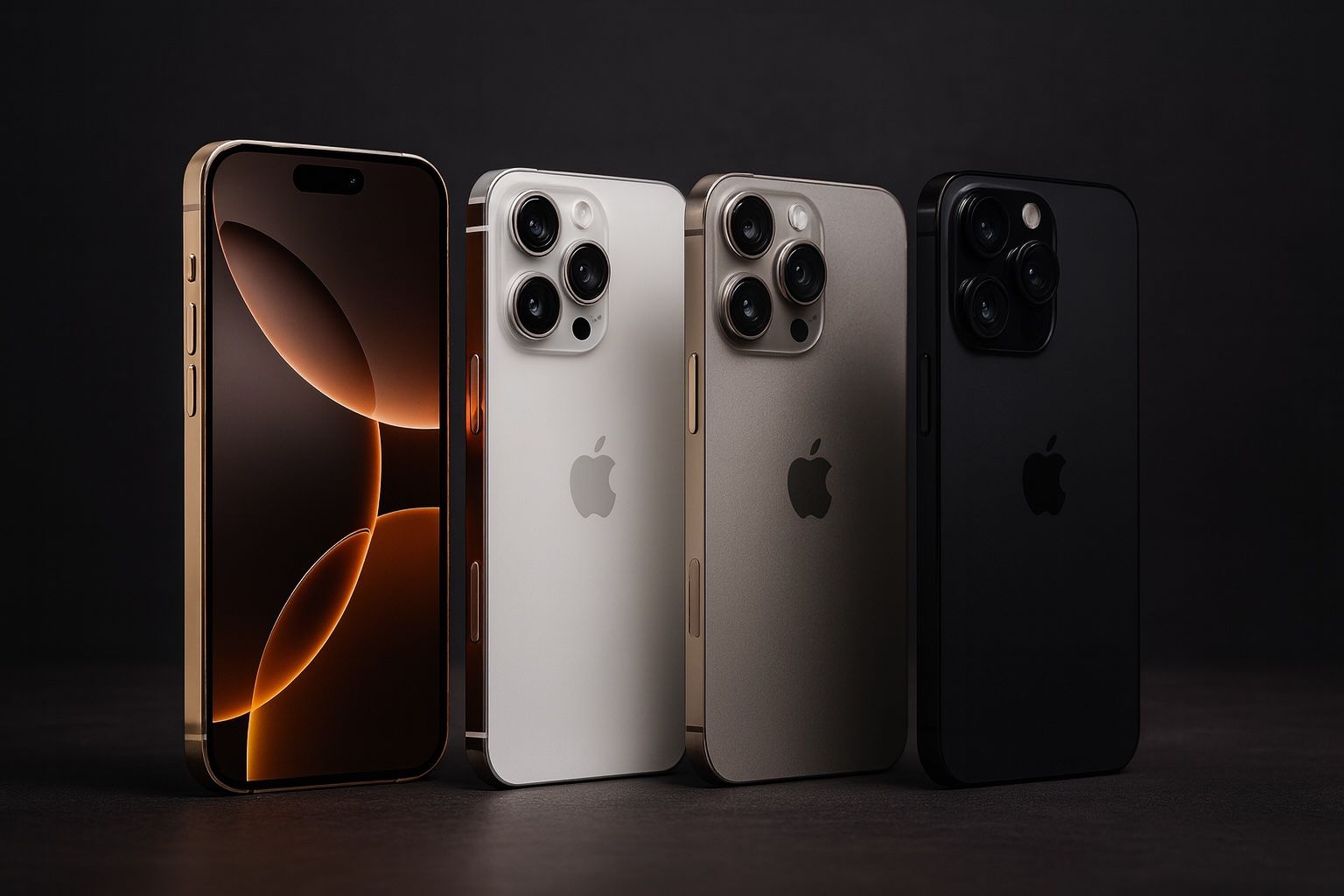
iPhone 16 Pro Max vs Galaxy S25 Ultra vs Pixel 9 Pro: Which Superphone Will Dominate 2025?

iPhone 16 Pro Max vs Galaxy S25 Ultra vs Pixel 9 Pro: Which Superphone Will Dominate 2025?

Bottom Line: Apple’s A18 Pro still rules single-threaded performance and pro apps, while Samsung’s Snapdragon 8 Elite leads in multicore throughput and GPU might tomsguide.com. Google’s Tensor G4 is the weakest on paper, but enables unique AI-driven experiences. All three are fast in real-world use, but spec-chasers will note the S25 Ultra and iPhone 16 Pro Max are neck-and-neck for the title of fastest phone in 2025 tomsguide.com tomsguide.com.
The Open-Source GPT Revolution: How Free LLMs Are Reshaping AI

The Open-Source GPT Revolution: How Free LLMs Are Reshaping AI

Open-source GPT models are large language models whose code and weights are publicly available, allowing anyone to use, modify, and improve them. This openness contrasts with proprietary models like OpenAI’s GPT-4, whose inner workings and training data are closely guarded secrets. In practical terms, an open-source GPT means researchers and developers can download the model’s parameters, run it on their own hardware, fine-tune it on custom data, or even deploy it in products without relying on a third-party API arxiv.org arxiv.org. By comparison, proprietary models are typically accessible only via paid services or restricted licenses, and users cannot see or alter the model’s weights.
Google’s Genie 3: The AI That Turns Text Prompts Into Interactive Worlds, Changing Gaming and Beyond

Google’s Genie 3: The AI That Turns Text Prompts Into Interactive Worlds, Changing Gaming and Beyond

Google’s DeepMind lab has unveiled Genie 3, a groundbreaking AI model that can generate entire 3D worlds from a simple text prompt – and let you step inside them. Touted as a major leap toward artificial general intelligence by its creators techcrunch.com techcrunch.com, Genie 3 is the first real-time, interactive “world model” – an AI system that simulates rich environments where users can move around and interact in real-time techcrunch.com. Still in a limited research preview, Genie 3’s debut in August 2025 has been accompanied by both excitement and caution, as experts weigh its potential to revolutionize gaming, education, training and more, against the technical and ethical challenges it raises. This report dives deep into Genie 3’s architecture, capabilities, development timeline, and the buzz it’s generating in the AI community and beyond.
AI Just Changed Forever – Here’s Everything That Happened in the Last 48 Hours

AI Just Changed Forever – Here’s Everything That Happened in the Last 48 Hours

Sources: OpenAI GPT-5 launch report reuters.com reuters.com; Google $1B education initiative reuters.com reuters.com; Anthropic model updates pymnts.com pymnts.com; TS2 Space AI News Roundup ts2.tech ts2.tech ts2.tech ts2.tech ts2.tech; MIT News – AI-designed polymer study news.mit.edu; Reuters – AI in materials ts2.tech; Reuters – Profluent AI genome editor ts2.tech ts2.tech; The Guardian – DeepMind Genie 3 theguardian.com theguardian.com; Reuters – Meta & Scale AI deal reuters.com reuters.com; Reuters – OpenAI valuation and funding reuters.com ts2.tech; Reuters – Clay $100M funding reuters.com reuters.com; Reuters – Global M&A surge with AI drivers ts2.tech ts2.tech; NatLawReview – White House AI plan natlawreview.com natlawreview.com; Reuters – GSA approves AI vendors ts2.tech; Reuters – Senators warn on Chinese AI ts2.tech ts2.tech; TechCrunch – EU AI Act update techcrunch.com techcrunch.com; Reuters – Italy antitrust vs Meta AI reuters.com reuters.com; Reuters – U.S. Transportation Sec on AI pricing ts2.tech ts2.tech; Reuters – Anthropic lyrics lawsuit & judge remarks mediapost.com mediapost.com; Reuters – Voice actors vs AI dubbing reuters.com reuters.com; Reuters – “artistic, not artificial, intelligence” campaign reuters.com; Reuters – Legal AI hallucination fallout ts2.tech; Alan Turing Institute commentary turing.ac.uk.
AI’s Big Bang: Breakthroughs, Billion‑Dollar Bets & Backlash (AI News Roundup Aug 6–7, 2025)

AI’s Big Bang: Breakthroughs, Billion‑Dollar Bets & Backlash (AI News Roundup Aug 6–7, 2025)

Over the past two days, the AI world has seen a whirlwind of major developments across research labs, corporate boardrooms, and government halls. Breakthrough scientific achievements were unveiled, tech giants and startups made bold moves, regulators ramped up oversight, and debates intensified over AI’s societal impacts. Below is a comprehensive roundup of all the significant AI news from the last 48 hours, organized by theme for an easy scan.
Presence Tech Showdown: Wi‑Fi Sensing vs. UWB vs. Soli Radar – Who Will Own the Future?

Presence Tech Showdown: Wi‑Fi Sensing vs. UWB vs. Soli Radar – Who Will Own the Future?

Imagine your home knowing you’ve arrived without a single camera, or your phone pinpointing a lost item within centimeters. A new wave of proximity and presence detection technologies is making this possible. Three contenders lead the pack: Wi‑Fi Sensing, Ultra‑Wideband, and 60 GHz millimeter-wave radar. Each uses invisible signals to detect motion, location, or presence in innovative ways. In this report, we compare these technologies head-to-head – from their technical specs and use cases to industry adoption and the latest breakthroughs – to see which might dominate our smart homes, gadgets, cars, and beyond.
Quantum Showdown: Superconducting vs Trapped Ion vs Photonic – Who Will Rule Quantum Computing?

Quantum Showdown: Superconducting vs Trapped Ion vs Photonic – Who Will Rule Quantum Computing?

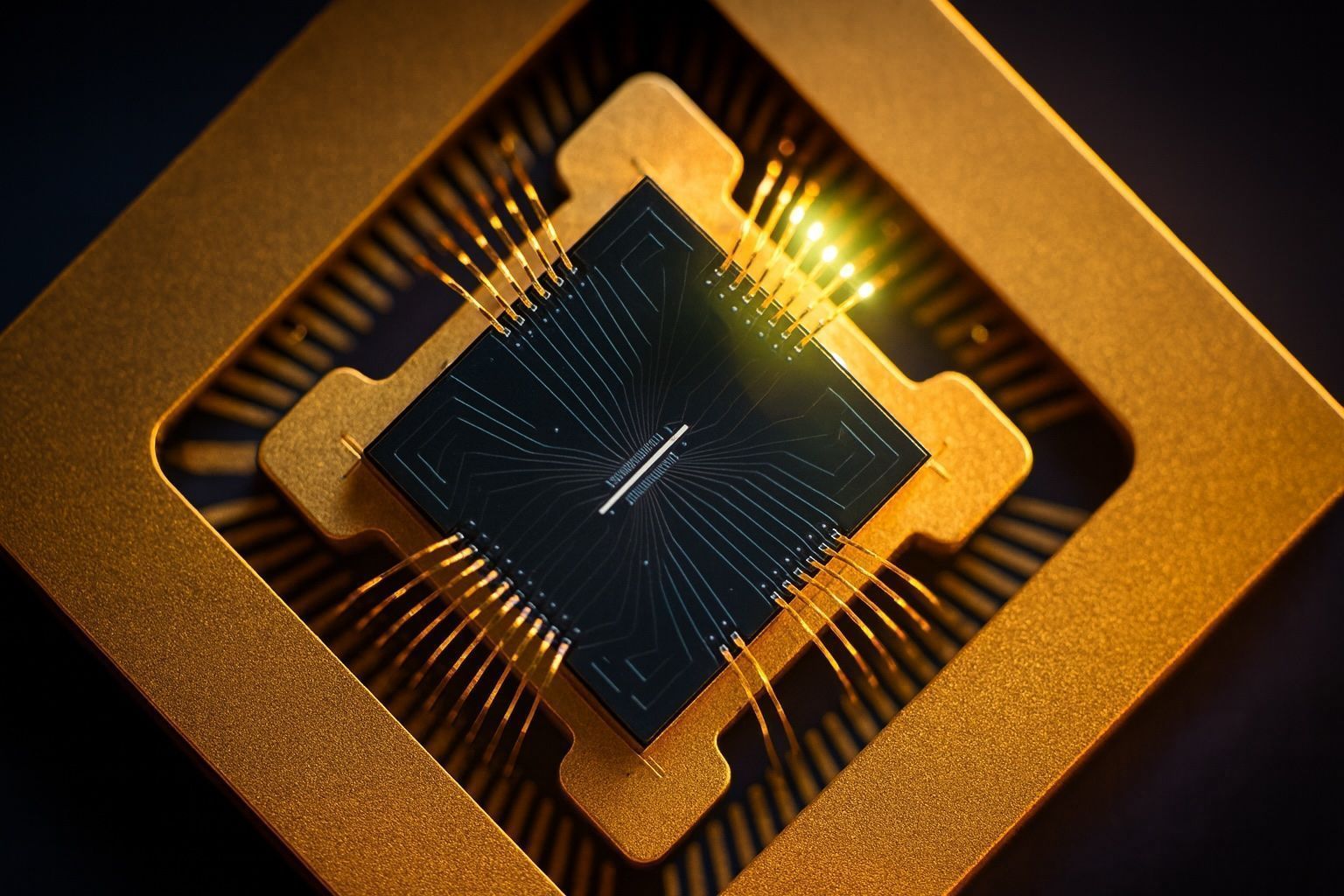
Quantum computing is advancing at a breakneck pace, with several rival technologies vying for the crown. In particular, superconducting qubits, trapped-ion qubits, and photonic qubits have emerged as leading platforms. Each uses a very different physical system to create quantum bits, and each comes with its own strengths, challenges, and big-name supporters. Tech giants like IBM and Google are betting on superconducting circuits, IonQ and Quantinuum champion trapped ions, and innovators like PsiQuantum and Xanadu push photonic approaches biforesight.com. This report compares these three quantum hardware platforms – from how their qubits work and perform, to who’s building them and what’s coming next – and examines which might dominate in the near term and long term.
AI Titans Clash: Snapdragon X Elite vs Apple M4 vs Exynos 2500 – Which Chip Leads the AI Revolution?

AI Titans Clash: Snapdragon X Elite vs Apple M4 vs Exynos 2500 – Which Chip Leads the AI Revolution?

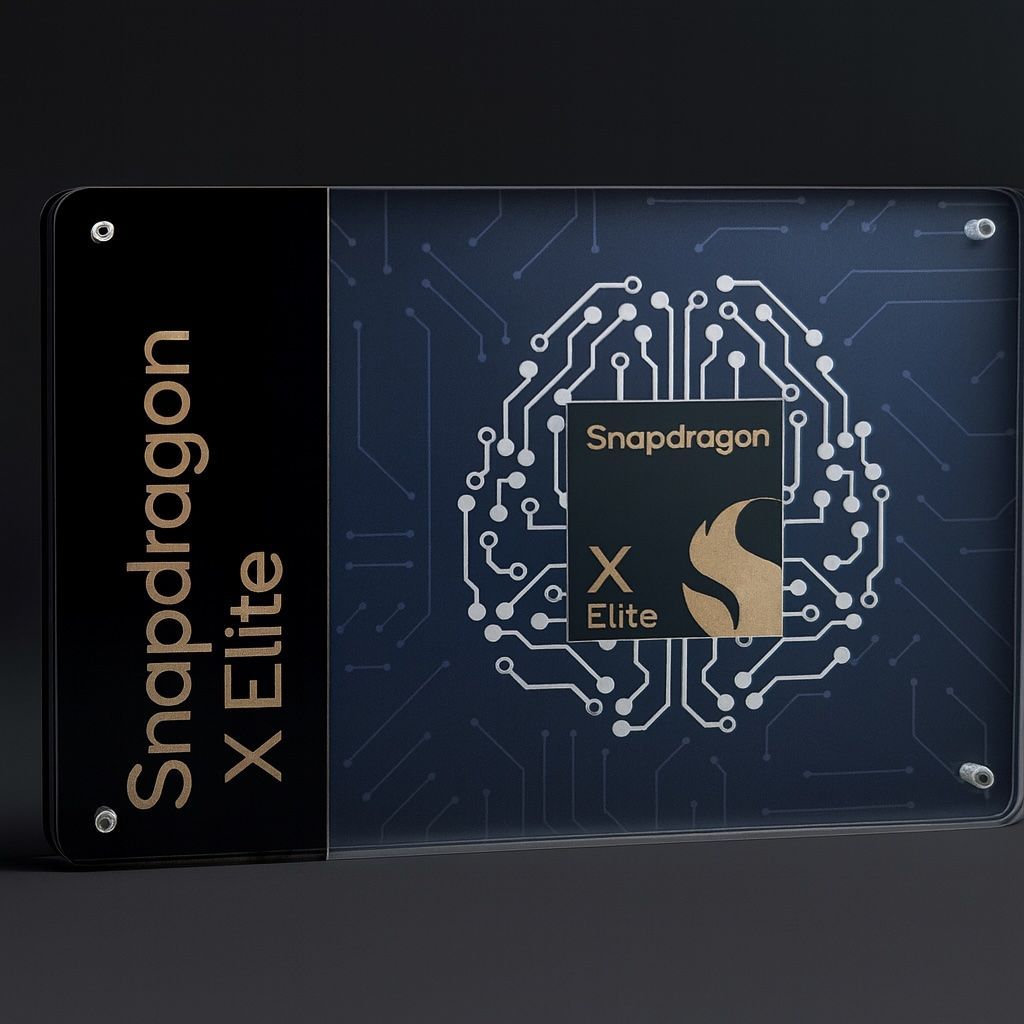
Artificial intelligence capabilities have become the new battleground for modern processors. Qualcomm’s Snapdragon X Elite, Apple’s M4 chip, and Samsung’s Exynos 2500 represent each company’s latest push in on-device AI. These system-on-chips span categories from laptops to smartphones, yet all aim to deliver blazing AI performance for tasks like image processing, natural language, and real-time computer vision. In this deep dive, we’ll compare their architectures, technical specs, benchmark results, and real-world AI use cases. We’ll also highlight expert commentary and official claims from Qualcomm, Apple, and Samsung about how their AI engines stack up. Let’s see which silicon titan has the edge in the AI era.
Beyond Lithium-Ion: Sodium-Ion vs. Solid-State vs. Lithium-Sulfur – Who Wins the Next Battery Race?

Beyond Lithium-Ion: Sodium-Ion vs. Solid-State vs. Lithium-Sulfur – Who Wins the Next Battery Race?

Lithium-ion batteries have powered our devices and electric cars for decades, but they come with drawbacks – from safety risks to expensive, scarce materials and environmental costs in mining and recycling. This has spurred a global hunt for better battery technologies. Three contenders leading the charge are Sodium-Ion batteries, All-Solid-State Lithium batteries, and Lithium-Sulfur batteries. Each promises unique advantages – whether it’s sodium’s low cost and abundance, solid-state’s high energy and safety, or lithium-sulfur’s ultra-high capacity. At the same time, each faces its own challenges before it can dethrone today’s Li-ion cells. Below, we delve into an in-depth comparison across all the important dimensions – energy density, safety, cost, longevity, environmental impact, scalability, and manufacturing hurdles – backed by the latest developments and expert insights.
Quantum Computing’s Explosive 48 Hours – Breakthroughs, Big Bets & Bold Moves (Aug 4–5, 2025)

Quantum Computing’s Explosive 48 Hours – Breakthroughs, Big Bets & Bold Moves (Aug 4–5, 2025)

Over the past two days, the quantum computing world has been buzzing with major announcements, scientific milestones, strategic investments, and bold predictions. From corporate leaps and technical breakthroughs to government initiatives and expert commentary, here’s a comprehensive roundup of all notable quantum computing developments from August 4–5, 2025. Global tech companies unveiled ambitious plans, researchers set new records, startups secured funding, policymakers advanced quantum agendas, and thought leaders weighed in on the quantum future versus hype. Below, we break down the key developments by category, with direct quotes and sources for each item.
AI’s Big Bang: Billion-Dollar Deals, Breakthroughs & Backlash (Aug 4–5, 2025 AI Roundup)

AI’s Big Bang: Billion-Dollar Deals, Breakthroughs & Backlash (Aug 4–5, 2025 AI Roundup)

Over the past two days, the AI landscape has seen massive funding moves, cutting-edge research, new rules, and heated debates across the globe. From multi-billion dollar investments to academic breakthroughs and policy showdowns, here are the major AI developments from August 4–5, 2025.
You Won’t Believe What Just Happened in Tech — August 3–4, 2025

You Won’t Believe What Just Happened in Tech — August 3–4, 2025

Nintendo raises console prices in the US: Nintendo quietly increased the price of its original Switch console from $299.99 to $339.99 – the first such hike since the Switch’s 2017 launch theverge.com. The Switch OLED and Switch Lite models jumped by $50 and $30 respectively theverge.com. Nintendo said the move was “based on market conditions,” coming just after similar price raises in Canada and a new wave of U.S. import tariffs theverge.com. In fact, President Donald Trump signed an executive order days earlier imposing new “reciprocal” tariffs – including a 20% levy on electronics from Vietnam, where Nintendo produces most Switch units theverge.com. The tariff squeeze is also hitting other gadgets: Fujifilm recently jacked up camera prices by hundreds of dollars, with Canon signaling it may follow theverge.com. Analysts warn these protectionist policies could continue to drive up consumer tech prices through the fall theverge.com.
4 August 2025
AI Frenzy: Billion-Dollar Deals, Breakthroughs & Backlash (Aug 3–4, 2025)

AI Frenzy: Billion-Dollar Deals, Breakthroughs & Backlash (Aug 3–4, 2025)

Europe Sets the Pace: The European Union’s landmark AI Act hit a new milestone as of August 2, with key provisions on governance standards, general-purpose AI and a sanctions regime coming into force cio.com. This is the Act’s biggest rollout since it took effect one year ago, aiming to categorize AI tools by risk levels and enforce transparency. Companies are scrambling to comply – and to influence the rules. Notably, Alphabet’s Google agreed to sign the EU’s voluntary AI Code of Practice meant to guide compliance, even as rival Meta refused over legal uncertainties reuters.com. Kent Walker, Google’s president of global affairs, said the company joined with hope the code will “promote … secure, first-rate AI tools” for Europeans, though he cautioned that deviations in copyright or trade-secret rules could “chill … model development” and harm Europe’s competitiveness reuters.com reuters.com. European tech experts, meanwhile, warn the regulatory race is still uphill. “The first year has shown that AI is advancing faster than the legislative capacity to regulate it,” observed Arnau Roca, managing partner at AI consultancy Overstand Intelligence, calling the EU law a necessary first step but noting how quickly new AI applications are testing ethical boundaries cio.com.

1 10 11 12 13 14 20