
National Australia Bank Ltd shares wrapped up Thursday at A$46.40, slipping roughly 2% from Wednesday’s A$47.32. A new jolt in oil prices rattled the market, sparking a selloff in Australian bank stocks and fueling renewed speculation that the Reserve Bank of Australia could hike rates again next week.
Cenovus Energy Inc. shares jumped Thursday, touching a 52-week high of C$32.74 after renewed violence hit oil and shipping in the Middle East, pushing Brent crude past $100 a barrel. The stock closed C$0.16 higher at C$32.34 on the Toronto exchange.
As of 2:22 p.m. EDT, shares of Carnival Corp traded at $24.32, down over 6%. Carnival plc’s U.S.-traded stock showed a similar move, dropping to $24.27. Pressure hit the sector broadly—Royal Caribbean shares slid more than 6%, while Norwegian Cruise Line slipped nearly 3%.
Thursday saw the Dow Jones Industrial Average drop over 550 points, extending the 30-stock index’s slide below last month’s 50,000 mark as oil sprinted toward $100 a barrel and new strains rattled private credit markets. At 11:53 a.m. ET, the Dow was down 553.49 points, or 1.17%, at 46,861.34. Tanker attacks off Iraq and Iran’s push to keep the Strait of Hormuz shut hit risk appetite.
The UK’s main stock indexes slipped once more on Thursday. Late Reuters figures had the FTSE 100 dropping 0.47% to 10,305.15, while the FTSE 250—whose focus is more domestic—shed 0.83% and settled at 22,194.55. Oil rebounded toward $100 a barrel after fresh strikes on fuel tankers off Iraq, stirring up those inflation worries that have been weighing on London stocks.
SoFi Technologies slipped about 3% in early Thursday trading, changing hands at $17.94 after a near-matching low of $17.915—underperforming the broader tech pullback. Oil prices edged toward $100 a barrel and the Nasdaq shed 1.38%, darkening hopes for swift U.S. rate cuts.
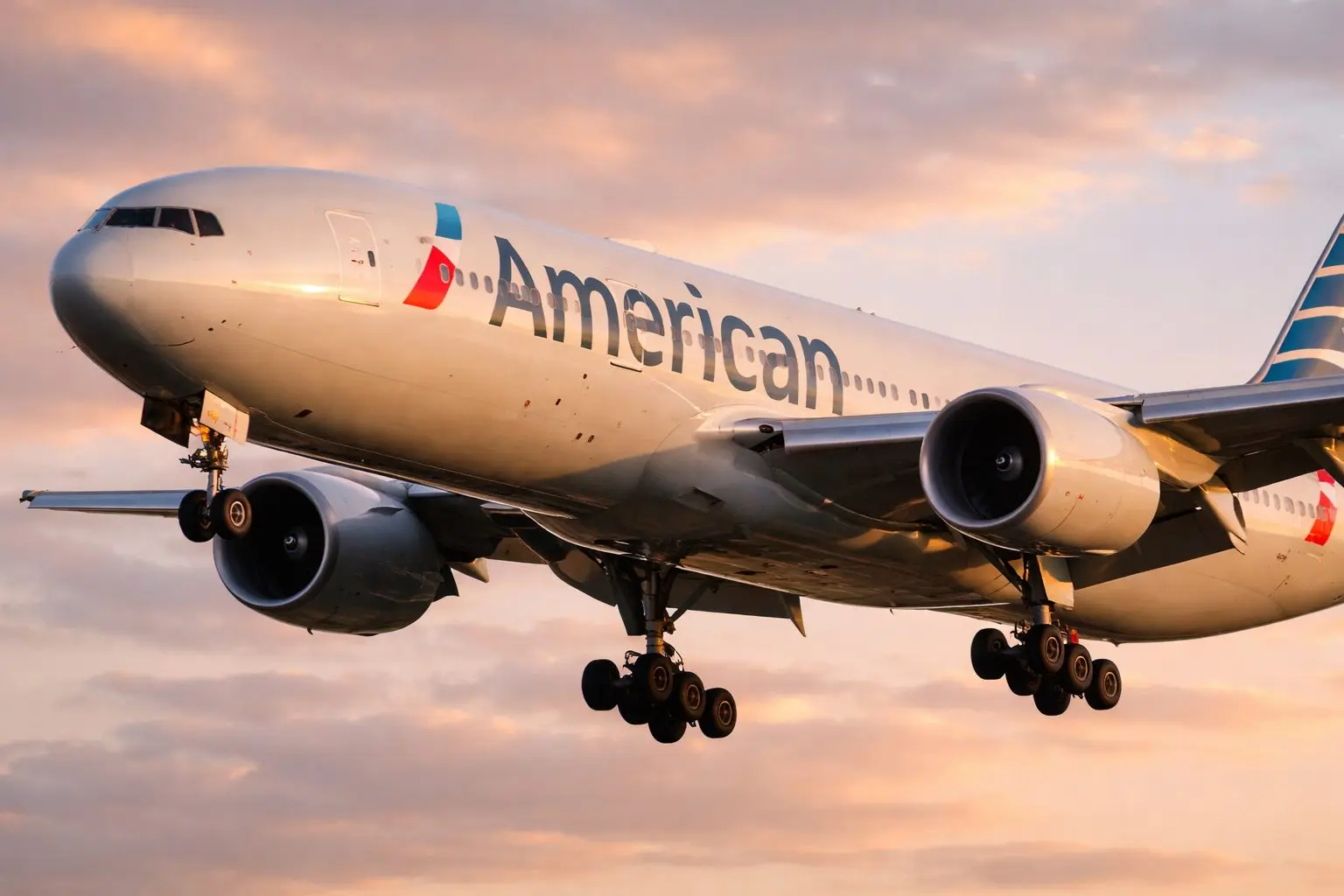
American Airlines Group shares slipped to $11.04 early Thursday, off 0.6% from Wednesday’s finish. Oil temporarily topped $100 a barrel after new Gulf shipping attacks, adding to the drag on airline stocks.
India’s Nifty 50 stayed under pressure on Thursday, down 0.53% at 23,739.30 by 2:34 p.m. IST, as oil pushed back above $100 a barrel and the rupee hit a record low. The Sensex was also in the red after falling 1% to 76,129.95 in morning trade, extending Wednesday’s selloff.
Australian stocks took a sharp dive Thursday, the S&P/ASX 200 sliding 1.3% to close at 8,629.00. Oil’s sprint past $100 a barrel—fueled by attacks on Middle East tankers—clipped a brief two-day rally and triggered a pullback in both banks and miners. Energy shares bucked the drop, finishing stronger than the rest.
London shares slipped at the open on Thursday. The FTSE 100 dropped 0.7% to 10,281.08, while the FTSE 250 shed 0.4% to 22,287.39. Brent crude topped $100 a barrel for a short stretch following renewed Gulf shipping attacks, dragging the indexes lower for a second day and keeping traders stuck on energy news.
By 11:35 a.m. EDT Wednesday, the Dow Jones Industrial Average had slipped 418.23 points, or 0.88%, to 47,288.28, as traders shrugged off an inflation report that matched expectations and zeroed in on rising oil prices, along with renewed concerns over a potential price shock tied to the U.S.-Israeli conflict with Iran. Losses in the S&P 500 and Nasdaq were smaller.
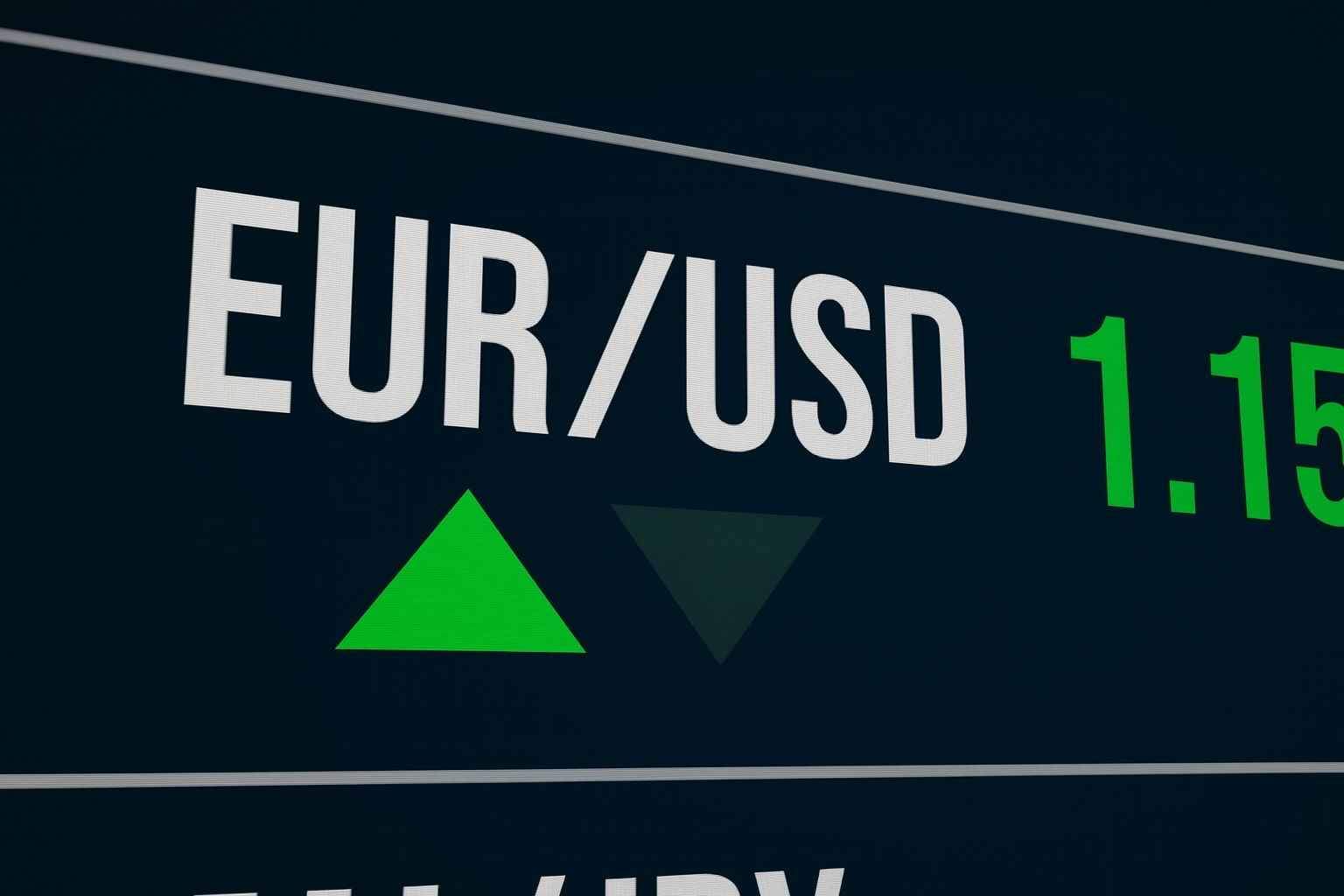
The USD/EUR hovered close to 0.86 on Wednesday, translating to about $1.1615 per euro in EUR/USD terms, with traders sticking to the dollar for safety ahead of new U.S. inflation figures. Early in the session, the euro tried for a lift but couldn’t sustain momentum, slipping back toward the $1.16 area during European hours.
Stocks in India tumbled Wednesday, with the Nifty 50 giving up 1.63% to settle at 23,866.85 and the BSE Sensex sliding 1.72% to 76,863.71. Investors unloaded shares as fresh swings in oil and an escalating Middle East crisis rattled sentiment.
Oil bounced higher Wednesday, Brent topping $88 a barrel again and U.S. crude climbing past $84, after traders shrugged off talk that a record emergency stock release could offset fallout tied to the U.S.-Israeli war with Iran. Brent gained 59 cents to hit $88.39 as of 0727 GMT. West Texas Intermediate advanced 98 cents, reaching $84.43.
U.S. stock futures showed little direction at 4:44 a.m. EDT—Dow futures ticked up just 0.02%, S&P 500 futures added 0.02%, while Nasdaq 100 futures slipped 0.06% earlier, around 3:40 a.m. ET. Traders are watching for the February Consumer Price Index report, set for release at 8:30 a.m. ET.
The S&P 500 dipped 0.21% to close at 6,781.48 on Tuesday, erasing earlier advances. Market debate intensified: a Forbes/Trefis piece floated a potential 25% correction for the index, while FXStreet’s Dr. Arnout Ter Schure maintained that even with the latest pullback, new highs remain possible. Investors juggled shifting headlines from overseas and a volatile crude session.
Oil plunged nearly 15% Tuesday, with crude giving back a sharp rally after President Donald Trump suggested the Iran conflict could wrap up soon. Brent was off $14.23, trading at $84.73 a barrel in early New York action. U.S. West Texas Intermediate shed $14.46 to $80.31. The slide erased much of the panic run-up that had sent prices above $119 just the day before.
Oil tumbled over 13% Tuesday, with prices reversing sharply after U.S. President Donald Trump commented the Iran conflict could wrap up soon—knocking down those supply fears that had sent crude spiking just the day before. As of 12:58 p.m. EDT, Brent slid $12.46 to $86.50 a barrel; U.S. West Texas Intermediate was off $12.24 at $82.53. “Short-lived war” chatter helped take the edge off, said DBS Bank’s Suvro Sarkar.