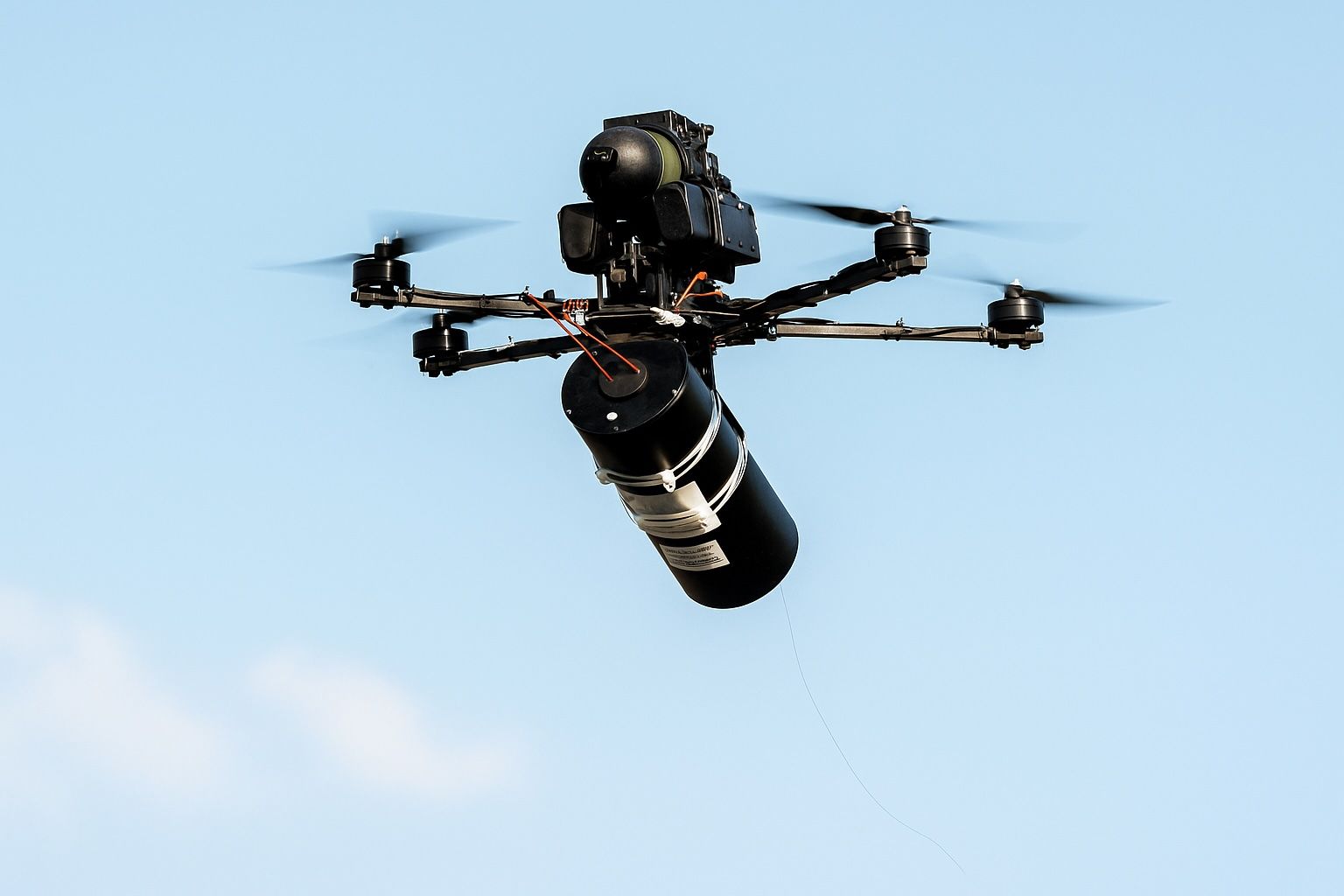
As drones proliferate in both civilian and military arenas, the need to counter rogue or malicious drones has become urgent. High-profile incidents – from drones causing airport shutdowns to UAVs menacing critical infrastructure – have underscored the threat. For example, the NFL reported a staggering 20,000% increase in drone incursions at football games between 2017 and 2023 dronelife.com. In response, governments and industries worldwide are investing heavily in anti-drone or counter-UAS solutions. These counter-drone technologies range from detection systems that can spot and identify drones, to interception measures that can disable or capture them mid-air. The global anti-drone market is consequently booming coherentmarketinsights.com, driven by security and terrorism concerns and the need to protect airports, prisons, power plants, battlefields, and other sensitive sites from intrusive eyes or airborne attacks coherentmarketinsights.com. In the sections below, we explore the major categories of anti-drone technology – how drones are detected, the methods used to neutralize them, the integration of these tools into cohesive defense systems, the key industry players, the legal framework governing their use, and emerging trends that will shape the future of drone defense.